Retaining Walls for Yorkshire Gardens - The Complete Guide
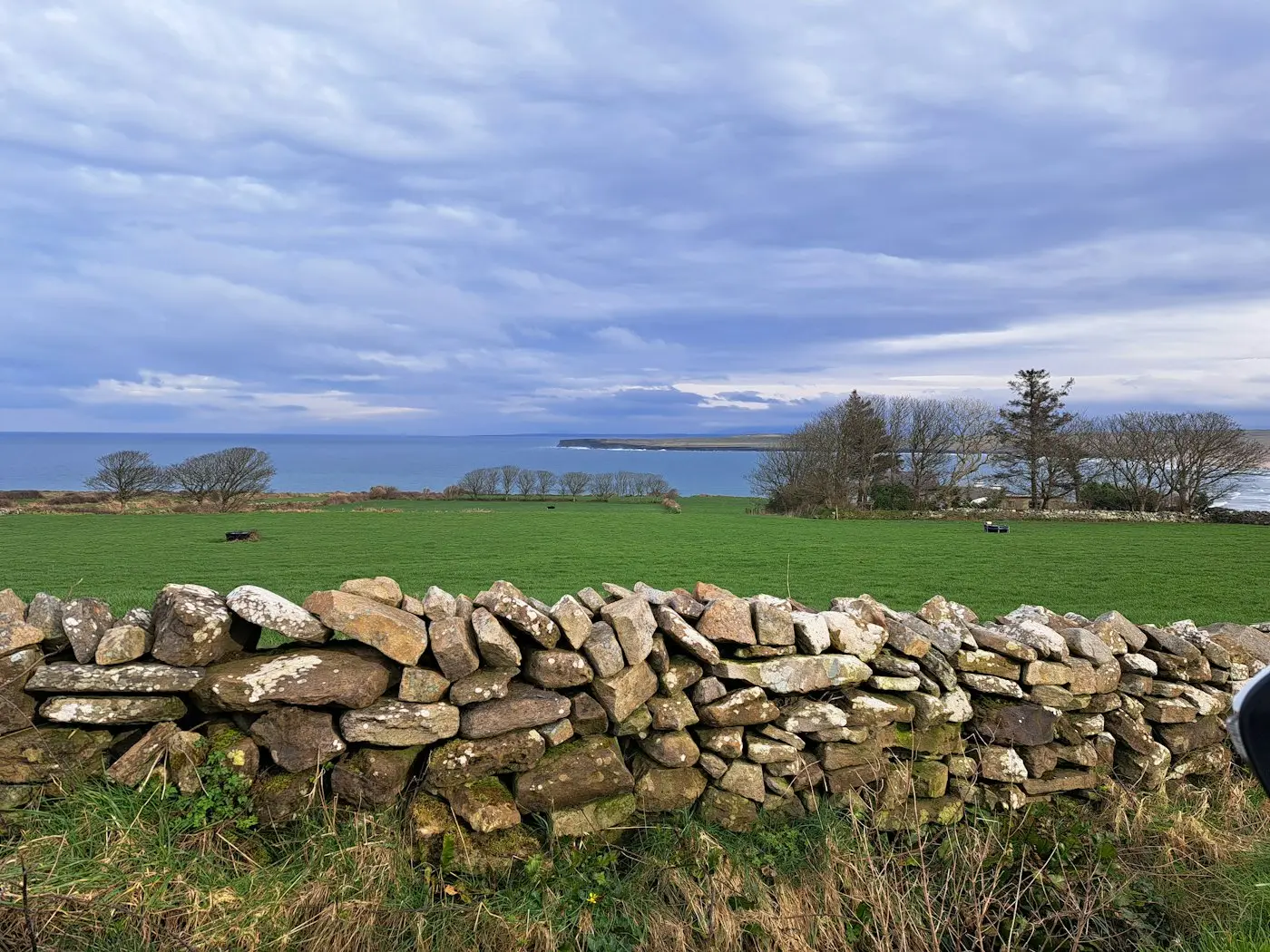
Yorkshire's hilly terrain means many gardens - particularly in the Pennine foothills around Bradford, Halifax, Huddersfield, and Sheffield, and on the edges of the Moors above Whitby, Pickering, and Helmsley - simply cannot be used without a retaining wall. A slope that drops 600mm across a 4-metre garden is not a garden; it is a mud chute in January and a fire hazard in August.
Quick cost guide: £100-400 per linear metre installed, depending on height and material. A typical 10m run at 600mm high comes to £1,000-3,000. Material makes the biggest difference to price.
When Do You Actually Need a Retaining Wall?
Not every slope needs a wall. Gentle gradients (under 1:10) can be managed with landscaping, grass, or planting. You need a wall when:
- The slope is too steep to mow or use safely (over roughly 30cm drop in 1 metre of run)
- Soil erosion is washing material down - particularly an issue in Yorkshire clay after heavy rain
- You want to create a level area for a patio, lawn, or play area
- An existing wall or bank is failing and needs replacing
- Tree roots or water pressure are undermining a bank
If you are dealing with a more complex sloping garden and are not sure what it needs, our guide to sloping gardens in Yorkshire gives a broader overview before you commit to a wall.
Types of Retaining Wall for Yorkshire Gardens
Yorkshire stone (sandstone or limestone)
The most visually sympathetic material in most Yorkshire settings. Sandstone predominates in West and South Yorkshire; limestone is more common in the Dales. Dry-stone walling is a genuine Yorkshire craft tradition and a dry-stone wall, properly built, will last a century. Mortared stone is easier to build to a consistent height and gives a cleaner line.
- Cost installed: £200-400/m (dry-stone higher; skilled dry-stone wallers are increasingly hard to find and command premium rates)
- Height limit: 1-1.2m without structural engineering for most domestic walls
- Lifespan: 50-100+ years if properly built
- Best for: gardens wanting to look genuinely Yorkshire, conservation areas, rural properties, areas where planning sensitivity is high
Railway sleepers
The most popular choice in Yorkshire gardens at the moment. They suit the character of the county - robust, unfussy, practical - and they work equally well in rural and suburban settings. Reclaimed sleepers (treated hardwood) look better than new softwood sleepers; check they are Class 1 if you want them to last. New softwood sleepers are cheaper but degrade faster, particularly at soil contact.
- Cost installed: £100-200/m
- Height limit: typically up to 1.2m in a stepped or single-course arrangement; taller walls need posts or engineering
- Lifespan: 15-25 years (reclaimed hardwood); 10-15 years (new softwood)
- Best for: mid-range budget, informal gardens, cottage or country style, moderate slopes
Brick
Suits more formal gardens and properties where the house is already brick. A brick retaining wall needs proper footings and weep holes - without them, water pressure will push the wall over within a few years. In Yorkshire clay, expect movement; brick walls need expansion joints in longer runs.
- Cost installed: £150-300/m
- Height limit: 1m for a single-skin wall; above that you need a double-skin or engineering
- Lifespan: 30-50+ years if properly built
- Best for: formal gardens, terraced areas adjoining patios or paths, properties with existing brick features
Gabion baskets
Steel mesh cages filled with stone. Often underrated in domestic settings - they look excellent filled with local Yorkshire stone, have inherent drainage (no weep holes needed), and are among the more affordable options. They can look industrial if badly designed, but when the steel is powder-coated and filled with attractive stone, they work very well.
- Cost installed: £80-150/m
- Height limit: can be stacked to considerable height if engineered correctly
- Lifespan: 20-30+ years (powder-coated); the stone lasts indefinitely
- Best for: budget-conscious projects, drainage-heavy sites, contemporary gardens, properties near streams or with high water flow
Concrete block
The most functional, least attractive option. Interlocking concrete block systems (like Anchor or Versa-Lok) are engineering products designed for retaining walls. They are fast to install, predictable to build, and cheap. The look is stark unless you render or clad them - which adds cost. Used more often in commercial settings, but acceptable in utility areas of a domestic garden.
- Cost installed: £80-180/m
- Lifespan: 40-50+ years
- Best for: functional areas, large walls where appearance is secondary, budget projects that can be planted in front
Planning Permission
Permitted development rights cover most garden retaining walls. The general rule:
- Under 1m: no permission needed (unless adjacent to a highway or public path, where the limit drops to 1m including any wall already there)
- 1-2m: permitted development in most cases, but check with your local authority
- Over 2m: planning permission required
- Conservation areas and listed buildings: lower thresholds apply - sometimes any wall needs consent
Yorkshire has an unusually high number of conservation areas and listed buildings relative to other parts of England. York city centre, Harrogate town centre, Knaresborough, Skipton, Hebden Bridge, Beverley, Richmond - if you live near the old part of any Yorkshire town, check before you build. A quick phone call to your local planning department will confirm.
For significant walls (over 1m, or holding a large soil load), your builder should supply structural calculations. Building Regulations may also apply - not planning permission, but a separate approval process - for walls associated with new buildings or driveways. Check with your local authority if in doubt.
Foundation Requirements in Yorkshire Clay
This is where many DIY retaining walls fail. Yorkshire clay moves with moisture - it shrinks in dry summers and swells in wet winters. A wall without adequate foundations will lean, crack, or collapse within 5-10 years.
Minimum foundation depths for Yorkshire conditions:
- Wall up to 500mm high: 300mm deep concrete strip, 300-400mm wide
- Wall 500mm-1m high: 400-500mm deep concrete strip, 450-600mm wide
- Wall over 1m: structural engineering input required; likely 600mm+ deep, possibly piled foundations in poor ground
In areas with high water tables - the East Riding floodplains, parts of the Don valley around Doncaster, low-lying areas near the Ouse - foundations may need to go deeper to reach stable ground. If in doubt, get a local builder to look at the subsoil before you commit to a design.
Drainage - the Most Overlooked Part
Yorkshire gets 600-1,200mm of rainfall per year depending on location (the Pennines are considerably wetter than the Vale of York). A retaining wall without drainage will have water building up behind it. Water pressure is what pushes walls over. Get the drainage right or the wall will fail.
What good drainage looks like behind a retaining wall:
- 150-300mm layer of free-draining aggregate (not clay subsoil) backfilled directly against the wall
- Weep holes every 1-1.5m in brick and mortared stone walls (omit the mortar from one joint at the base)
- Land drain or perforated pipe at the base of the wall, leading to a soakaway or existing drainage
- Geotextile membrane between the aggregate and the soil to prevent fine particles blocking the drainage over time
Gabion walls and dry-stone walls drain naturally through gaps. This is one of their practical advantages in Yorkshire's wet climate.
If you already have drainage problems in your garden, read our guide to garden drainage in Yorkshire before building a wall - a wall in the wrong place can make drainage worse.
Adding Steps
A retaining wall on a slope almost always benefits from integrated steps. Steps built at the same time as the wall, in matching material, look far better than steps added afterwards and are structurally more reliable.
Typical costs for garden steps in Yorkshire:
- Stone steps (reclaimed or new sandstone): £300-600 per flight (3-5 steps)
- Sleeper steps: £200-400 per flight
- Brick steps: £250-450 per flight
Width matters: steps under 900mm feel narrow and are awkward when carrying tools or garden furniture. 1.2m is comfortable; 1.5m is generous and looks proportional in most Yorkshire garden settings.
If you are planning a full patio or path redesign alongside the wall, see our guides to patio laying costs in Yorkshire and garden path laying in Yorkshire.
DIY vs Professional - What is Realistic?
A dry-stone wall under 600mm with no structural requirements: a competent DIYer with patience can do this. It is slow but achievable.
Railway sleepers under 600mm on a simple slope: achievable for a confident DIYer. The main challenge is handling the weight (full sleepers are 70-100kg). You need at least two people and a way of moving them.
Anything over 600mm, anything in clay, anything needing drainage, anything near a structure: get a professional. The cost of fixing a failed wall is always higher than getting it right the first time.
Our garden design service can help specify the right wall type and connect you with experienced local builders. For a broader garden project, take a look at our garden renovation guide - walls and slopes are often best addressed as part of a wider scheme rather than in isolation. After clearance or construction work, our garden clearance service can deal with the spoil and debris.
Need help with your Yorkshire garden?
60-second assessment. If a local gardener takes your enquiry, they call you with a price.
Start the assessmentFrequently Asked Questions
How much does a garden retaining wall cost in Yorkshire?
Cost per linear metre installed: gabion baskets £80-150, concrete block £80-180, railway sleepers £100-200, brick £150-300, Yorkshire stone £200-400. A typical 10m wall at 600mm high in railway sleepers costs £1,000-2,000 installed. Labour in Yorkshire runs at roughly £25-35/hr.
Do I need planning permission for a retaining wall in my garden?
Generally no, for walls under 1m (2m if not next to a road or public path). Conservation areas, listed buildings, and national park land have different rules. Yorkshire has many conservation areas across its market towns and city centres - check with your local authority if you are in any doubt, and always check for walls over 500mm.
What is the best material for a garden retaining wall in Yorkshire?
For a natural, sympathetic look: Yorkshire sandstone or dry-stone walling. For the best balance of cost, appearance, and durability at the mid-range: railway sleepers. For budget projects with good drainage requirements: gabion baskets filled with local stone. The right answer depends on your soil, your garden style, and your budget.
How deep do foundations need to be for a garden retaining wall?
For walls up to 500mm high in Yorkshire clay, a concrete strip foundation 300-400mm deep is typical. Walls 500mm-1m need 400-500mm depth. For anything taller, you need structural engineering input. Yorkshire clay moves with moisture - shallow foundations lead to leaning and failing walls within a few years.