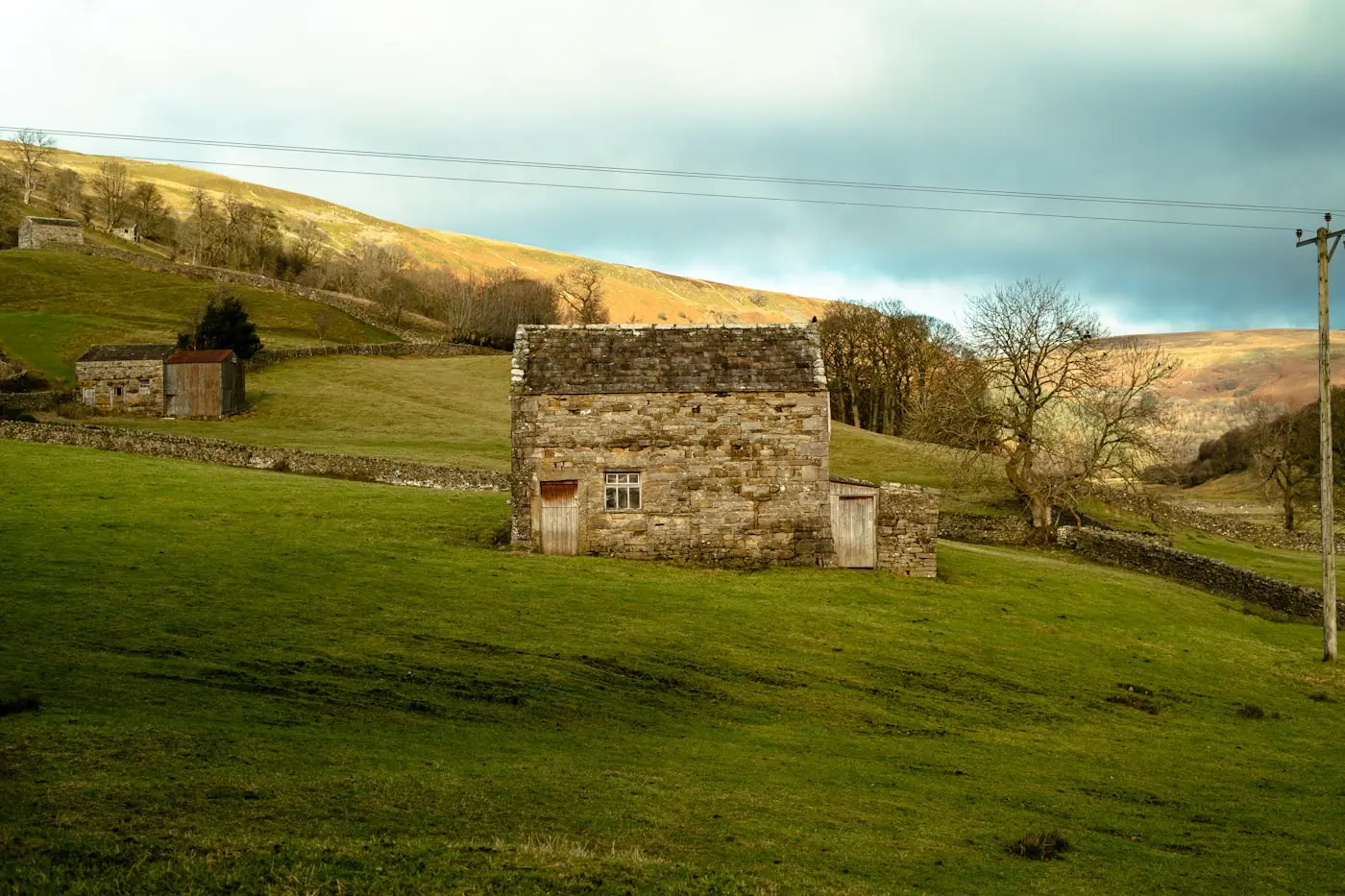
Armley is a suburb that most people in Leeds know primarily for the town hall-like presence of its Victorian prison on the ridge, the Leeds Industrial Museum at Armley Mills, and the rapid change that inner west Leeds has seen over the past decade. What those who live here know, and what visitors do not, is that Armley's elevated position gives it a distinctive character compared to the valley floor: more wind, better views, and a soil profile that changes noticeably between the hilltop gardens and the gardens on the slopes facing down to the Aire.
For most LS12 homeowners, garden questions are practical ones: the back garden needs clearing, the lawn needs sorting, or the hedge on the boundary has got out of hand. Gardeners covering Armley come from the wider west Leeds area, and the proximity to the city centre makes LS12 easy to include in a regular round for anyone based in Wortley, Bramley, or inner Leeds.
The Garden Character in Armley
The housing stock in Armley is predominantly Victorian and Edwardian terraces built for the industrial workforce of the Aire Valley mills - the Leeds Industrial Museum at Armley Mills sits at the foot of the ridge as a direct reminder of the industry that shaped this neighbourhood. These terraces have the rear garden character common to inner Leeds: modest in size, accessed through back passages, with boundary walls or fences that have often been modified over the years.
The hilltop position of many Armley properties introduces a garden challenge that lower-lying Leeds areas do not face: wind exposure. Gardens on the ridge and the east-facing slopes catch the prevailing south-westerlies with less shelter than the valley floor provides. In practical terms, this means tall, floppy plants get battered, exposed lawns dry out faster in dry spells, and plants rated as marginally hardy for the Leeds area may not survive a hard winter in an exposed hilltop garden when they would be fine 100 metres lower.
The soil in Armley is a mix. The hilltop ridge has areas of sandier, faster-draining gritstone-influenced soil, while the slopes and valley-facing gardens carry heavier clay. If your lawn sits on the sloping ground, it is likely to be the clay type - heavy, prone to compaction, and in need of annual attention to keep it in reasonable condition. The hilltop plots tend to have slightly better natural drainage but dry out faster in summer.
Slope and wind in Armley gardens
Gardens on the slopes of Armley ridge face two challenges that flat inner-city gardens do not. Slope means that standard push mowers are impractical on the steeper faces, and that heavy rainfall runs off rather than soaking in - bare soil on a gradient will erode. Wind exposure on the hilltop means that plant selection for the exposed positions should favour compact, wind-tolerant species. Both are manageable with the right approach; both catch out gardeners who are used to flat, sheltered inner-city plots.
What Gets Booked in Armley
Garden clearances are the most common one-off job across LS12. Inner-city terrace gardens accumulate overgrowth quickly - self-seeded buddleia, elder, and bramble are persistent colonisers of any garden that goes unmanaged for a few seasons. A clearance includes cutting back all vegetation, removing it from site (a gardener must hold a Waste Carrier's Licence to do this legally), and leaving the space clean. Garden clearance in Armley runs £150-£380 for a typical terrace garden, depending on overgrowth level and access.
Lawn care on clay is the ongoing maintenance challenge for the majority of Armley lawns. Compaction from foot traffic, shade from boundary walls and fences, and the moisture-retentive clay soil create conditions where moss establishes readily and grass thins out. Annual hollow-tine aeration in September relieves compaction; lawn scarification removes the thatch and moss layer; overseeding with a shade and wear-tolerant mix restores grass density. This sequence, repeated annually, produces a genuine improvement in clay lawn quality over three to four years.
Hedge trimming is a staple job across Armley. Privet boundaries, hawthorn hedges, and conifer screening are all common in LS12. Privet needs two cuts per year for a tight finish - July and September are the standard timings. Hedge trimming in Armley runs £40-£85 per visit for domestic hedges.
Fortnightly mowing is the anchor of a regular garden maintenance round. Most Armley back gardens can be cut in under 30 minutes, making fortnightly visits affordable relative to the visual result. Grass cutting visits run £25-40 for small to medium gardens. On sloped ground, a self-propelled mower is the practical choice; steep-face gardens may require a hover mower or strimmer where a conventional mower cannot safely be used.
General garden maintenance visits cover weeding, border tidying, pruning of overgrown shrubs, and keeping the fence line clear. The ongoing garden maintenance subscription is the simplest way to keep a small inner-city garden presentable through the season without having to think about it.
What It Costs
Armley rates sit in the inner Leeds suburban band. See the how much does a gardener cost guide and the Yorkshire gardener cost guide for broader context.
| Job type | Typical range (Armley, 2026) | Notes |
|---|---|---|
| Hourly maintenance rate | £25-£38/hr | Sloped or narrow-access gardens at higher end |
| Fortnightly mowing (small garden) | £25-40/visit | Hover mower or self-propelled for slopes |
| Garden clearance | £150-£380 | Visit required before quoting; access is key variable |
| Lawn renovation (aeration, scarify, overseed) | £100-£260 | Best done September on clay |
| Hedge trimming | £40-£85/visit | Privet, hawthorn, conifers common in LS12 |
| Regular maintenance visit | £35-£70/visit | Fortnightly or monthly, depending on season |
Seasonal Calendar for Armley Gardens
Spring (March to May)
March is for structural pruning - roses, ornamental shrubs, and buddleia all benefit from a hard cut before growth starts. April brings the first mow: Armley's clay soil warms quickly on the south-facing slopes, and grass growth is typically underway by mid-April. May is the main planting month; bedding plants can go out in late May once the last frost risk has passed. The elevated hilltop gardens are marginally later than the valley floor, but not significantly for inner-city Leeds.
Summer (June to August)
June and July are peak maintenance months. Fortnightly mowing keeps the lawn tidy; hedge cutting happens in July for most domestic hedges in LS12. Borders need regular weeding through summer - clay holds weed seeds well and warm wet spells produce rapid weed growth. Hilltop gardens on the sandier soils may need occasional watering in dry July or August spells. August is the time to book September lawn renovation slots.
Autumn (September to October)
September is the critical month for lawn renovation on Armley's clay lawns. Hollow-tine aeration followed by scarification, overseeding with a wear and shade-tolerant grass mix, and a top-dressing of fine compost and grit gives the best results before soil temperature drops. Second hedge cut for privet in September. Autumn bulb planting through October - clay soil holds moisture well for bulb establishment.
Winter (November to February)
Inner Leeds winters are mild by Yorkshire standards, but exposed hilltop positions in Armley can be noticeably colder and windier than the valley floor. Marginally hardy plants in exposed positions may need winter protection. February is the time to book your gardener for the new season - local gardeners fill their rounds from late February. See the garden maintenance near me Yorkshire guide for advice on what to ask when making first contact.
Frequently Asked Questions
How do I find a reliable gardener in Armley?
Personal recommendation first. A local introduction service covering LS12 is more useful than a national platform. Check public liability insurance and Waste Carrier's Licence. Ask about slope and clay experience. See the garden maintenance near me Yorkshire guide.
How much does a gardener cost in Armley?
Hourly rates run £25-£38. Fortnightly cuts for a small garden run £25-40. Clearance runs £150-£380. Lawn renovation runs £100-£260. See the Yorkshire gardener cost guide.
What soil do Armley gardens have?
A mix of clay on the slopes and sandier gritstone-influenced soil on the ridge. Clay areas benefit from annual aeration. The hilltop positions have better natural drainage but dry out faster in summer. See the Yorkshire lawn care guide for clay lawn management advice.
Do Armley gardens get more wind than lower Leeds areas?
Yes - the hilltop position means more exposure than valley-floor Leeds. Exposed positions benefit from compact, wind-tolerant planting and shelter on the windward boundary where possible.
What garden jobs are most common in Armley?
Overgrown clearances, fortnightly grass cutting, hedge trimming, and September lawn renovation on clay.
Is Armley close to Leeds city centre for gardeners to access?
Yes - about two miles. Gardeners based in west Leeds regularly include LS12 in their rounds alongside Bramley, Wortley, and inner Leeds.
Related reading
- How much does a gardener cost in the UK? (2026 prices)
- Gardener costs in Yorkshire
- Garden maintenance near me - Yorkshire
- Lawn care across Yorkshire
- Garden maintenance
- Garden clearance
Gardeners in nearby areas
Get a quote for your Armley garden.
60-second assessment. If a local gardener takes your enquiry, they call you with a price for your specific garden and job.
Start the assessment