Bishopthorpe sits three miles south of York city centre on the west bank of the River Ouse, and it has a character that is genuinely different from the York suburbs to the north. Around 2,500 people live here, and the conservation area centred on Bishopthorpe Palace - the Archbishop of York's official residence - gives the village a protected, almost deliberately unhurried quality. The mix of Victorian and Edwardian properties around the village green, the older stone-built cottages on the lanes near the river, and the more modern infill development on the fringes creates a genuinely diverse range of garden types within a very small geographic area. Many of the older village properties have gardens that would be unusual anywhere outside the countryside: quarter to half an acre, established hedgerows, old fruit trees, and borders that have been developing for decades. If your garden is one of those, you are looking for a different kind of help than someone on a 70s semi in Haxby.
The village feel: larger gardens and what that means for gardening
Bishopthorpe's older properties have gardens that take real time. A quarter-acre garden with established borders, a large lawn, a hedgerow boundary, and several mature trees is not a fortnightly maintenance job that can be done in an hour and a half - it is a half or full-day visit, and it needs a gardener who is genuinely comfortable on that scale. The conservation area also adds a layer of thought to front-boundary work: fences and hard landscaping alterations in the conservation zone typically require consent, which in practice means that hedges and traditional soft-boundary treatments are the sensible default. A gardener who knows the village will factor this in as a matter of course rather than proposing solutions that would need consent. For the wider North Yorkshire garden maintenance picture, the North Yorkshire garden maintenance guide covers the county context.
The modern infill development on the village edges has smaller, more conventionally suburban gardens - closer in character to the YO23 semis further south or the newer YO10 properties south of York. If your garden is one of these, the maintenance requirements are much more straightforward, the costs are lower, and the range of gardeners who can help you is wider. The distinction matters when you are getting quotes - make sure the gardener understands which type of garden they are visiting before they price it.
Soil in Bishopthorpe: alluvial clay near the Ouse, glacial clay-loam higher up
The soil in Bishopthorpe is not uniform, and your position relative to the Ouse matters. Properties closest to the river sit on Ouse floodplain alluvial clay - a heavy, silty soil deposited by centuries of river flooding. Alluvial clay is wet when it is wet and hard-baked when it dries out, it compacts significantly underfoot, and it can be noticeably slower to work than the glacial clay on higher ground. In a wet winter, low-lying alluvial clay near the Ouse can stay saturated long after the water level has dropped, and lawns on these properties are often slow to firm up in spring.
Further from the river, on higher ground in the village core, the soil transitions to glacial clay-loam - still heavy relative to the sandy soils of Strensall or the Wolds, but better-draining and more workable than the riverside alluvial. Most of the older village properties with larger gardens are on this intermediate soil, which responds well to aeration and a consistent feeding and overseeding programme if the lawn has been allowed to thin out.
Properties with river frontage or those in the lowest-lying parts of the village also face occasional flood risk. After any Ouse flooding event, the garden clean-up involves more than standard maintenance: clearing river-deposited debris and sediment from borders, assessing any planting damage, and allowing saturated ground to drain properly before any work begins. A gardener familiar with Bishopthorpe will know to factor in enough lead time after a flood before scheduling visits. For garden design around York, including flood-resilient planting approaches, that guide covers design considerations for low-lying Yorkshire properties.
What gets booked in Bishopthorpe
Hedge management is the most distinctive job in Bishopthorpe, driven by the larger older properties with established hedgerow boundaries. A mature mixed hedgerow - hawthorn, blackthorn, holly, field maple - is a different proposition from a suburban privet boundary. It needs cutting on a different schedule, it generates more waste, and it requires both the right equipment and a gardener who understands how to shape a hedgerow correctly so it thickens at the base and maintains its character rather than opening up and becoming gappy. If your property has one of these established hedgerows, ask specifically about the gardener's experience with similar work before committing. The dedicated hedge trimming service page covers what this kind of work involves.
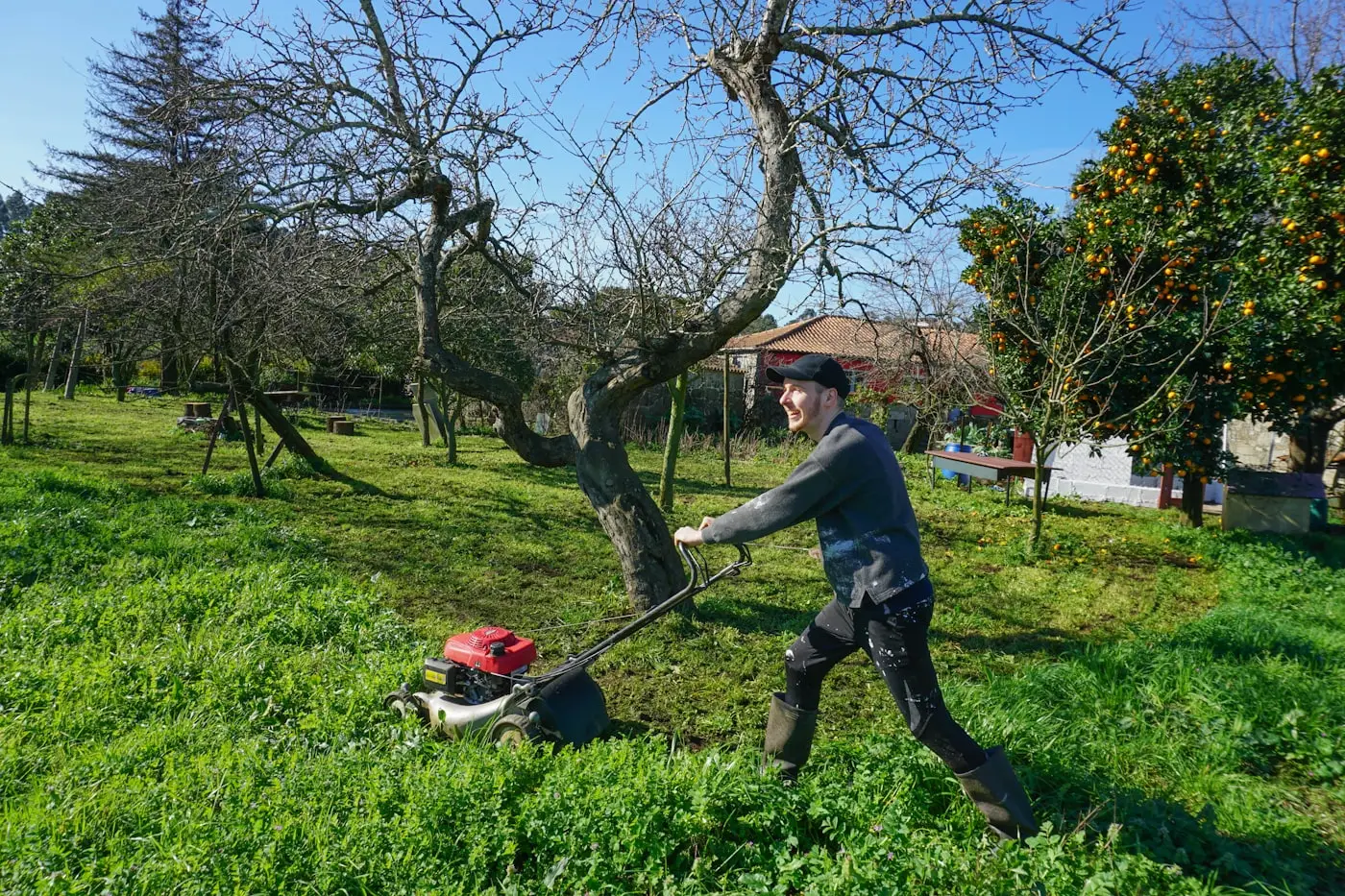
Lawn care on the larger village plots is characteristically different from suburban lawn maintenance. A half-acre lawn takes real time to cut, edge, and treat, and the equipment requirements are different - a small rotary mower is not the right tool. Gardeners who work the larger Bishopthorpe properties tend to have cylinder or ride-on equipment better suited to formal lawns, and they price their visits accordingly. If your lawn has the slow-recovery, compacted quality typical of alluvial-clay riverside plots, spring aeration and a consistent feeding programme will make a visible difference within one season.
Tree work is relevant for the older properties with mature specimen trees. The important boundary to understand is between what a gardener can do - crown reduction on smaller trees, removal of dead wood within reach, pruning for shape and clearance - and what an arborist should do: anything structural on a large or mature tree, felling, work over five metres, or any tree that is protected by a Tree Preservation Order. Bishopthorpe has mature trees throughout the village, including in the Palace grounds. If you have a large specimen tree in your garden and you are unsure whether it is protected, checking before any work begins is always the right approach. A conscientious gardener will raise this themselves.
Planting and border redesign for a village aesthetic is a recurring job across Bishopthorpe's older properties. The conservation area character sets an expectation of traditional planting - roses, herbaceous borders, fruit trees, formal hedging - rather than contemporary low-maintenance schemes. If you want to redesign a border and maintain the village feel, ask whether the gardener has planting experience and whether they have worked on similar village properties in the YO23 area. See the garden design York guide for the broader design picture.
Pressure washing for older paths, patios, and stone features is a consistent request in Bishopthorpe, where older stone and paving accumulates moss and algae particularly in the damp conditions near the river. This is straightforward work that most maintenance gardeners can do alongside their regular visits, and it makes a significant visual difference on older stone surfaces.
Conservation area: what it affects and what it does not
Bishopthorpe's conservation area designation focuses on the character of the built environment - boundaries, structures, and alterations visible from public areas. It restricts changes to front boundaries (fences, walls, gates over a certain height typically need consent) and alterations to listed buildings. It does not restrict what you do in your rear garden, lawn, or borders, and it does not prevent standard maintenance work on hedges or trees except where individual trees have Tree Preservation Orders. If you are planning a significant change to your front boundary or garden structure, a quick call to City of York Council's planning team is the right first step before any work starts.
What it costs
Bishopthorpe sits at the top of the York area rate band. Larger gardens, more complex jobs, and a demographic that values quality means that gardeners who work this part of YO23 price their work accordingly. A small travel element for the three to four mile journey from York is occasionally added by some gardeners, though many York-based gardeners who work the south York corridor absorb this into their standard rate. The UK gardener cost guide gives the national context; the table below covers Bishopthorpe-specific ranges.
| Rate type | Bishopthorpe YO23, 2026 | Notes |
|---|---|---|
| Hourly rate (maintenance) | £28-£45/hr | Larger village gardens at the higher end; smaller infill plots lower |
| Day rate (7-8 hrs) | £175-£300 | Full day on larger properties; clearance, restoration, or hedge projects |
| Fortnightly maintenance (larger plot) | £60-£120 per visit | Quarter to half-acre plots; includes lawn, borders, hedges on contract |
| One-off lawn cut (larger lawn) | £45-£95 | Larger village lawns take more time; cylinder or ride-on equipment often needed |
| Spring tidy (larger property) | £150-£400+ | Properties with established borders and hedgerows take significantly longer |
| Hedgerow management | £80-£250 per visit | Mature mixed hedgerows at the higher end; suburban-style privet lower |
| Pressure washing (paths and patios) | £60-£180 | Depends on area covered and surface condition |
How to find a gardener in Bishopthorpe
Bishopthorpe is small enough that word travels fast. The Bishopthorpe Village Facebook page is the most direct community resource - a post asking for gardener recommendations in a village of 2,500 is very likely to connect you to someone within a day. Village noticeboards at the local shops and community spaces are also worth checking, as some of the better local gardeners advertise purely by physical card rather than online. If you want a recommendation for a more professional level of service, asking through the Palace's estate office is not unreasonable - they manage significant grounds and will have professional contacts in the area.
For a introduction service, you want one that specifically handles the YO23 area and can connect you to gardeners with experience on larger village properties. Ask upfront about their experience with conservation area gardens and larger plots before committing. For the full town context, the Bishopthorpe town page and the York town page have the broader area picture.
Frequently Asked Questions
Is it hard to find a gardener who will come to Bishopthorpe?
No - Bishopthorpe is only three miles from York and sits within the regular rounds of York-based gardeners. The main challenge is finding someone with the right experience for larger village properties. Ask specifically about their experience with plots of your size and character, and whether they have worked conservation area gardens in the YO23 area. See the garden maintenance service page for the full range of what good maintenance covers.
What should I expect to pay for a large Bishopthorpe garden?
Larger village properties - quarter to half-acre with established borders and hedgerows - attract £28-£45 per hour in 2026, with fortnightly maintenance contracts running £60-£175 per visit depending on scope. Full-day rates run £175-£300. Some gardeners apply a modest travel element from York for regular visits. Quality is worth paying for on larger village properties; the top of the rate band gets you someone who understands what a traditionally managed village garden should look like. For the wider rate context, the UK gardener cost guide provides the national picture.
Are there conservation restrictions on what I can do in my garden in Bishopthorpe?
The conservation area primarily restricts changes to boundaries and structures visible from public areas - front fences, walls, gates over a certain height. It does not restrict rear garden work, lawn care, or standard hedge and border maintenance. Individual trees with Tree Preservation Orders are separately protected - your gardener should flag any TPO trees before undertaking tree work. For any planned changes to your front boundary, check with City of York Council's planning team before starting work.
What garden jobs should I be booking in spring in Bishopthorpe?
Hedge management for May once nesting season ends, lawn aeration on any compacted alluvial-clay plots near the river, first maintenance cut and border tidy for the growing season, and pressure washing of older stone paths and features that have accumulated winter moss. For properties near the Ouse, post-flood debris clearing if there has been any winter flooding. Spring is also the right time to discuss any planting redesign for autumn planting. For seasonal context, the North Yorkshire garden maintenance guide covers the full year.
Related reading
- Gardeners in York - the main York city guide
- Garden design around York
- Garden maintenance in North Yorkshire
- How much does a gardener cost in the UK? (2026)
- Bishopthorpe town page
- York town page
- Hedge trimming across Yorkshire
- Garden maintenance across Yorkshire
Gardeners in other nearby areas
We cover Bishopthorpe and the surrounding south York corridor:
Get a quote for your Bishopthorpe garden.
60-second assessment. If a local YO23 gardener takes your enquiry, they call you with a price for your specific garden and job.
Start the assessment