Finding a good gardener in Leyburn takes a little more planning than in most Yorkshire towns, and the geology of the place is a big part of why. Leyburn sits on Carboniferous limestone - the same formation that underlies much of the Yorkshire Dales to the west - and the shallow, alkaline, free-draining soils it produces are quite different from the acid gritstone gardens of the West Yorkshire moors or the heavy clay of the Vales. A gardener who has worked extensively on Wensleydale limestone and knows what it means for drainage, soil amendment, and plant selection is a different proposition from one who is simply driving up the A684 from Northallerton for the first time. This guide covers what Leyburn gardens are actually like, what work gets done here, what you should expect to pay, and how to identify the right person for your specific plot.
The town sits at the top of Wensleydale - the most accessible eastern gateway into the National Park from that direction - and its character reflects that geography. Friday market, Georgian and Victorian stone buildings, a mix of long-established residents in stone cottages and a significant holiday let economy that has grown substantially over the past decade. Bolton Castle is a ten-minute drive, and the Herriot country tourist trail brings visitors who then sometimes discover that Leyburn itself is a very pleasant base. Many of those visitors stay in properties that need regular garden maintenance between lettings, which shapes the demand pattern for local gardening work in a specific way.
What Leyburn Gardens Are Actually Like
The defining characteristic of Leyburn gardens is the limestone. Carboniferous limestone in the Wensleydale area is often close to the surface - in some gardens the bedrock starts at 30 to 50 centimetres - which means both drainage and soil depth are limiting factors for planting. The soil is alkaline, typically pH 7.5 to 8.0, which suits a wide and attractive range of garden plants: lavender, clematis, viburnum, shrub roses, most of the traditional cottage garden palette, and wild garden planting with cowslips, primroses, and harebells all do well. What does not do well without significant ongoing amendment is any acid-loving planting - rhododendrons, blueberries, pieris, and summer heathers will all struggle or fail on this geology unless planted into raised beds with imported ericaceous compost and watered with rainwater rather than the alkaline tap supply.
The shallow soil depth has a practical consequence for lawn maintenance: Leyburn lawns dry out faster than lower-lying Yorkshire gardens in any sustained dry spell. The limestone drains water away rapidly, and in a dry May or June the soil can be bone-dry at a few centimetres depth while the lawn surface looks green. Late in the summer, this can produce brown patches and stressed grass that recovers more slowly than the same lawn on heavier soil. If your lawn goes brown in summer, the limestone drainage is the explanation, and your mowing schedule and height should be adjusted accordingly - a gardener who keeps cutting short in a dry summer is making this worse.
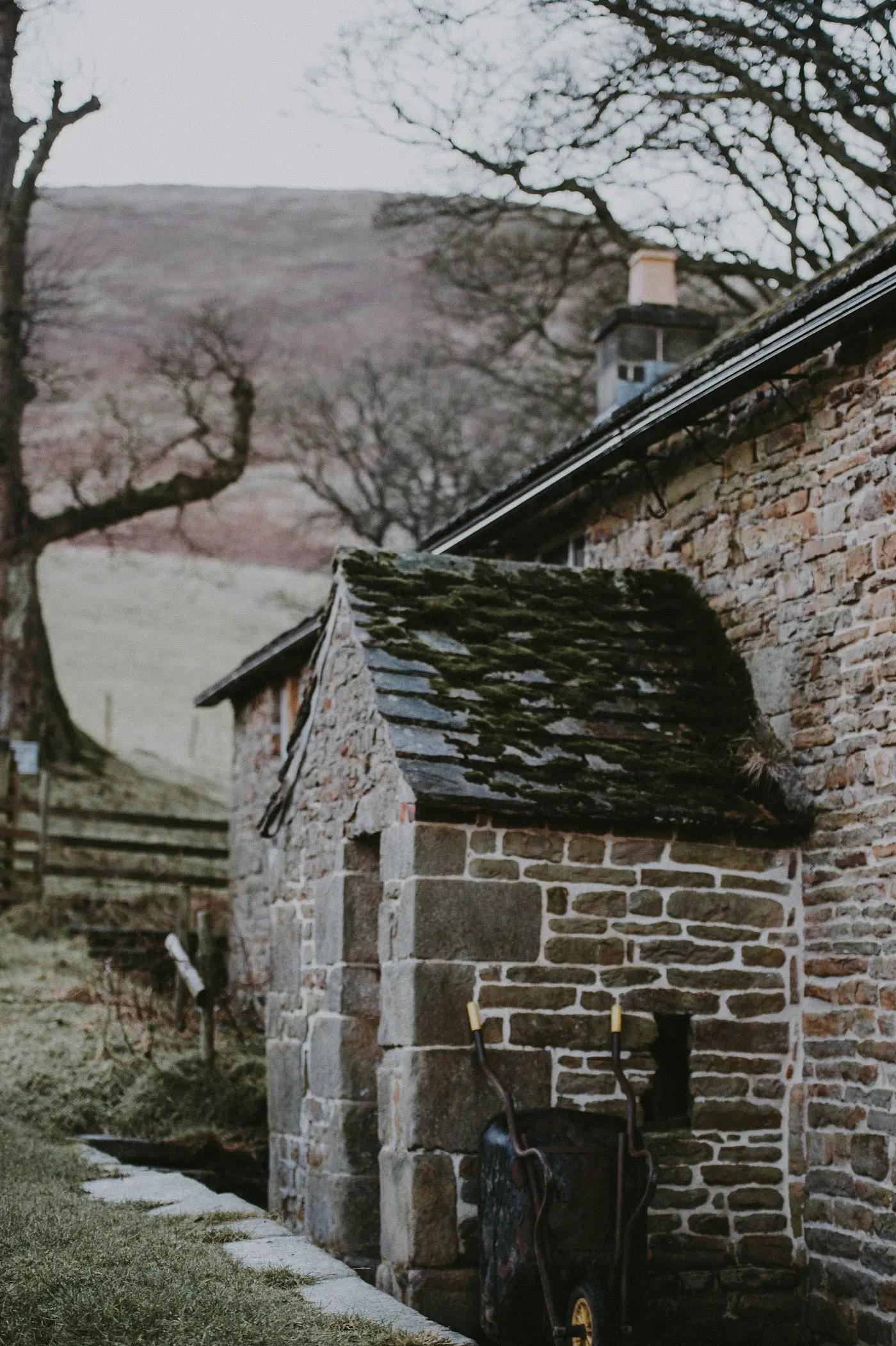
Stone cottage gardens in Leyburn tend to be compact and often sheltered by the stone walls that are a characteristic of Dales building. These walls create warm microclimates within the garden - the stone absorbs heat through the day and releases it at night, which can extend the effective growing season slightly despite the Wensleydale elevation. Larger detached properties on the edge of town and on the approaches from the dale have more open exposure and are more susceptible to the late frosts that arrive down the valley from the fells.
The Bolton Castle frost funnel
Gardens on the northern and western edges of Leyburn, particularly those looking toward Bolton Castle and the wider Wensleydale valley, sit in a moderate frost funnel on clear spring nights. Cold air drains down the limestone plateau and settles in the valley. In late April and early May - the window when many people are tempted to plant out tender subjects - the temperature differential between a sheltered town-centre garden and an exposed edge-of-town plot can be three or four degrees on a clear calm night. A gardener who knows Leyburn will account for this in the planting calendar.
What Jobs Get Booked in Leyburn Gardens
The most consistent work across Leyburn falls into a few clear categories, shaped by the limestone conditions and the holiday let economy.
Regular lawn mowing and maintenance is the core recurring job. Many Leyburn properties, whether owner-occupied or holiday lets, have lawns that form the centrepiece of the garden and need reliable fortnightly attention through the growing season. Garden maintenance in Leyburn tends to be booked as a seasonal arrangement rather than ad hoc - most gardeners covering DL8 prefer to establish a regular round rather than one-off calls, and properties that book in advance get priority scheduling through the summer.
Hedge trimming is significant in Leyburn. The stone cottage properties with box hedging, yew topiary, and boundary hedges of beech or hornbeam need at least one and often two trims annually. Hedge trimming in late summer - August into September - is the key timing for most species, with a lighter tidy for faster-growing hedges in June if needed. Box blight has become a concern across many Dales gardens over the past decade, and a gardener who can distinguish between box blight damage and normal browning, and advise on treatment options or alternatives, is providing real value beyond the basic trim.
Garden clearance and renovation is frequently needed on properties that have changed hands or have not had consistent maintenance. The shallow limestone soil means that self-seeded trees and shrubs can establish very effectively - ash, sycamore, and elder seedlings in particular will take hold quickly in unmaintained Leyburn gardens. Garden clearance on a limestone garden often uncovers interesting things: old paving, stone edging, rockery features - it is worth assessing before treating everything as waste.
Holiday let turnaround maintenance is a category unique to the Dales. If you own a holiday let in Leyburn or the surrounding area, a reliable gardener who can visit between changeovers to mow, edge, deadhead, and leave the garden presentable matters to your review score. The challenge is scheduling - these visits need to fit into changeover windows that may be short and fixed. Setting up a regular relationship with a local gardener, including a summer schedule agreed in advance, is far more effective than last-minute calls.
Planting and border design on limestone soil responds well to the right choices. The alkaline conditions support a genuinely beautiful and traditional garden palette that suits the stone architecture of Leyburn well - old rose varieties, herbaceous perennials, cottage garden annuals, and the wildflower planting with cowslips and oxeye daisies that looks so appropriate in the Dales context. Garden design advice in Leyburn needs to start from the limestone soil rather than from a catalogue that ignores it.
What Gardeners Charge in Leyburn
Leyburn sits in the £28-£42 per hour range for skilled garden maintenance in 2026. The Dales location and the relatively small pool of gardeners covering the area means rates are slightly above the county average for equivalent work. For broader context on Yorkshire rates, see the UK gardener cost guide and the garden maintenance cost guide.
| Job | Typical rate in DL8 (2026) | Notes |
|---|---|---|
| Regular fortnightly mow and tidy | £45-£85 per visit | Medium Leyburn garden; larger plots at the higher end |
| One-off lawn cut | £38-£65 | Overgrown lawns quoted higher |
| Hedge trimming (per hedge) | £55-£120 | Larger or mature hedges at the higher end |
| Garden clearance (medium plot) | £200-£450 | Includes waste removal; confirm Waste Carrier licence |
| Hourly rate (skilled work) | £28-£42/hr | Slight remoteness premium above county average |
| Day rate (renovation/clearance) | £160-£210 | 7-8 hours on site |
These figures assume a skilled, insured gardener with a Waste Carrier's Licence. Rates from individuals without these credentials may be lower but carry risk - if waste is fly-tipped with your address on it, you bear responsibility as the waste producer. In a National Park-adjacent area like this, fly-tipping penalties are applied actively.
The Geology and What It Means for Your Garden
Carboniferous limestone is one of the most garden-friendly geologies in England for the right range of plants, but it requires you to work with it rather than fight it. The alkaline soil - a natural consequence of calcium carbonate dissolving into the soil water from the limestone bedrock - creates conditions that directly suit lavender, all clematis species, old roses, peonies, geraniums, most alliums, and the full range of bulbs from daffodils to tulips to lilies. These plants do not just tolerate alkaline soil - they prefer it. A Leyburn cottage garden planted to take advantage of the limestone can be spectacular, particularly through the late spring and early summer months when the light in the dale is extraordinary.
The free-draining character of the soil means mulching is more important here than in many Yorkshire gardens. A 5-7cm layer of organic mulch applied to borders in spring helps retain moisture through the dry summer periods, feeds the soil structure over time as it breaks down, and suppresses the weed growth that takes advantage of any open soil. A gardener who mulches routinely as part of spring border work is doing something genuinely useful for a limestone garden - not just making the beds look tidy.
If your garden has raised beds or containers, you have more flexibility on soil type. Many Leyburn gardeners who want to grow acid-tolerant fruits (blueberries particularly) or ericaceous subjects run separate raised beds filled with ericaceous compost and watered with collected rainwater, effectively creating a separate microhabitat isolated from the limestone soil below. This is a reasonable and effective approach for a small number of plants - trying to convert the entire garden to acid conditions on limestone is not a realistic project.
When to Book and What to Prioritise
The Wensleydale growing season runs roughly April through October for most garden work, with the first hard frosts typically arriving in late October. The effective season for lawn cutting runs May through September, with the peak growth period in May and June when the longer days and increased rainfall produce rapid growth that needs fortnightly attention. Hedge trimming in Leyburn is best done in August for most species - this catches the end of the main growth flush while leaving enough time for any regrowth before the season ends, and avoids the nesting bird season that runs roughly April through late July.
If you are a holiday let owner, the garden presentation window is March through October - the months when most Dales holiday visitors arrive. Getting a gardener committed to your property in February or March, with a schedule agreed for the season, is far more reliable than attempting to book individual visits through the summer. A gardener who knows your property and comes regularly will also notice things that a one-off visitor would not - a hedge encroaching on a path, a border that needs cutting back before it looks untidy to guests, a lawn that needs treatment rather than just mowing.
For owner-occupied properties, spring is the priority booking window. Garden maintenance bookings fill quickly from March onwards as the season starts, and the best gardeners covering DL8 are usually fully committed to their existing round by late April. Booking in February for spring-start visits is the right approach. For one-off work like clearance or hedge trimming, late summer (August-September) is a good period - gardeners' schedules ease slightly after the peak of the summer maintenance rush.
Finding the Right Gardener for a Leyburn Garden
The pool of gardeners covering DL8 is smaller than in the urban parts of Yorkshire, which means you are working with a tighter range of options. The most important quality to look for is familiarity with the limestone conditions of the area - a gardener who has worked on Dales geology knows what it means for drainage, drought stress, pH, and plant selection. Ask directly: have you worked on limestone soil gardens in this area before? What do you do differently on limestone compared to other soils?
Ask to see public liability insurance before any work starts. Confirm they hold a Waste Carrier's Licence for any job that involves removing material from your property. In a National Park-adjacent area, waste disposal compliance is not a bureaucratic detail - it is a practical necessity. The right gardener will have both without needing to be chased.
Word of mouth is highly effective in a town the size of Leyburn. If a garden in your street is consistently well kept and looks the way you want yours to look, asking the owner who they use is the most direct route to a good recommendation. For new arrivals or properties without obvious local contacts, a introduction service that has already verified credentials and local knowledge starts you from a better position than a national platform.
Common Questions from Leyburn Gardeners
How much does a gardener in Leyburn charge?
£28-£42 per hour for skilled work in 2026. Day rates £175-£300. Fortnightly maintenance visits £45-£85 for a medium plot. The Dales location carries a small remoteness premium above the Yorkshire county average. See the full UK gardener cost guide for broader context.
What soil type do Leyburn gardens have?
Carboniferous limestone - alkaline (pH 7.5-8.0), free-draining, often shallow. Excellent for lavender, roses, clematis, and traditional cottage garden planting. Unsuitable for rhododendrons or blueberries without extensive raised bed work. Mulching is important to manage summer drought stress.
When should I book a gardener in Leyburn for spring work?
February or early March. The best gardeners covering DL8 fill their spring rounds early. The Wensleydale elevation means the growing season starts slightly later than lowland Yorkshire - a good reason to have a gardener who knows the local calendar rather than following a generic one.
Can I get garden clearance in Leyburn?
Yes, with costs typically running £200-£450 for a medium plot. Confirm the gardener holds a Waste Carrier's Licence - waste disposal compliance matters in this area. Garden clearance on limestone soil sometimes uncovers stone features worth retaining, so a careful assessment before clearing is worthwhile.
Are there gardeners near Leyburn who cover holiday let properties?
Yes. Regular seasonal arrangements set up in advance are far more reliable than ad hoc calls. Set up the relationship and the schedule in March before the holiday letting season begins.
Further Reading
- How much does a gardener cost? (UK 2026)
- Garden maintenance cost guide
- Gardeners in the Yorkshire Dales
- Garden maintenance prices across Yorkshire
Gardeners near Leyburn
We cover Leyburn and the wider Wensleydale and North Yorkshire area.
Find a local gardener in Leyburn
Tell us what the garden needs. We offer your enquiry to gardening businesses working your area, and one of them can buy the introduction and contact you. Free, no obligation.