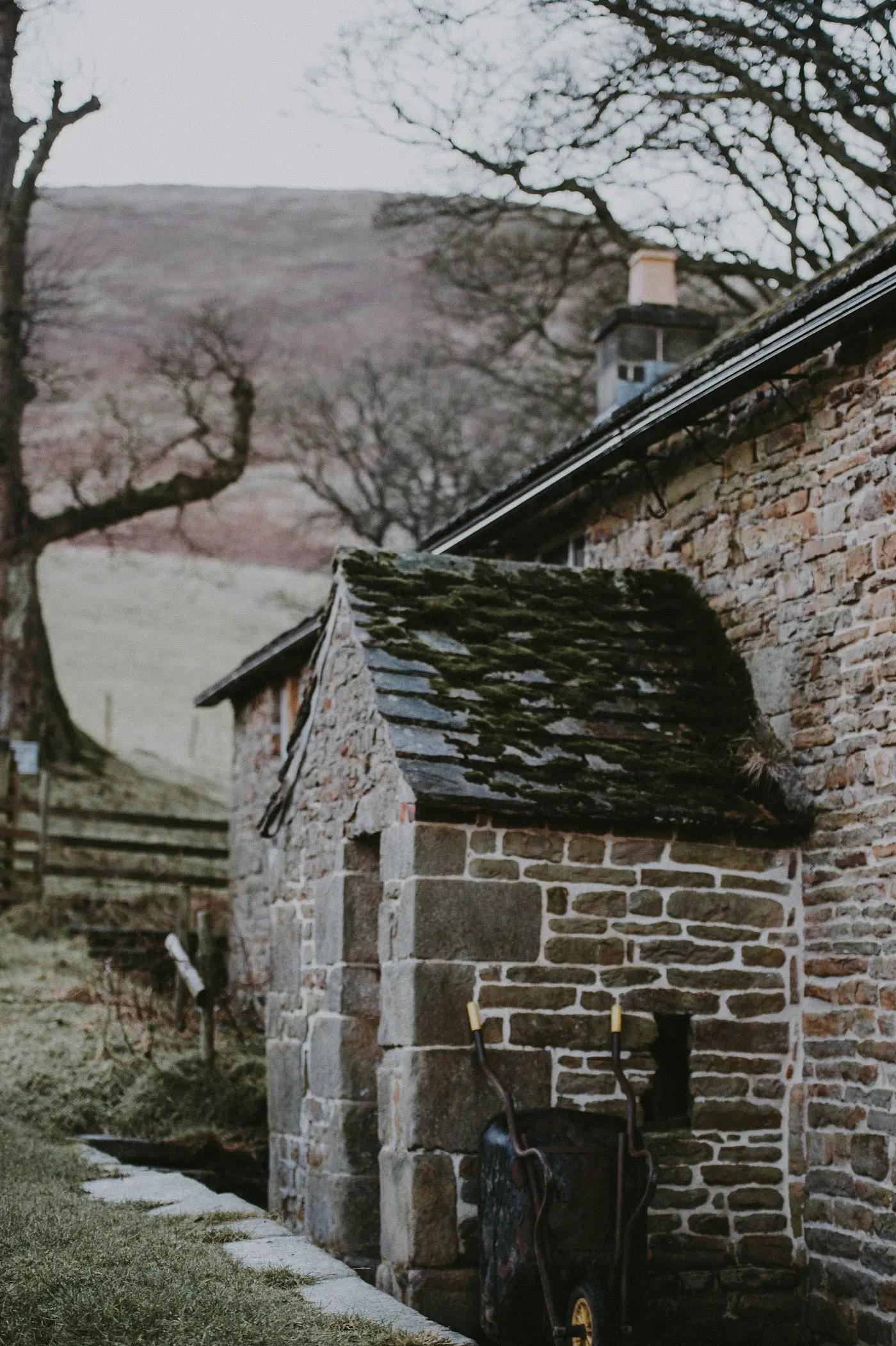
Richmond sits at the edge of the Yorkshire Dales, where Swaledale opens out towards the Vale of Mowbray and the green farmland stretches south towards Catterick. It is an affluent, well-maintained market town with a Norman castle on the hill, a cobbled marketplace, and streets of Georgian townhouses that have been here for two or three centuries. If your garden is in Richmond - whether you are in a walled Georgian property on Frenchgate or a more modern house on the Hartshorn Road side of town - you will find that the soil, the season, and the character of local gardens are genuinely different from anywhere in West or South Yorkshire. That difference matters when you are looking for a gardener.
Gardening conditions in Richmond
Richmond's geology is the starting point for understanding your garden. The town sits on the southern edge of the Yorkshire Dales where Carboniferous Limestone meets the lower vale soils. Above the town - on Richmond Hill and along the upper streets - the soil is limestone-influenced and free-draining, sometimes sharply so. Below, in the valley bottom near the River Swale, the soil transitions to richer alluvial ground that holds moisture more readily and is easier to work for most of the year. The difference between the top of town and the riverbank is significant enough that the same plant can behave completely differently depending on which side of the gradient your garden sits on.
The free-draining limestone soils on the higher ground are an asset in some respects - your lawn is far less likely to waterlog through a wet North Yorkshire winter than a West Yorkshire clay garden - but they require careful management of their own. Thin limestone soils lose nutrients quickly and need regular feeding to sustain a healthy lawn through summer. Drought stress in dry spells is a realistic issue for lawns on the upper side of town, particularly on south-facing slopes that get full afternoon sun. If your lawn is yellowing and thinning in July and August, and you have good drainage, this is the most likely explanation. For a full picture of the Yorkshire lawn care calendar and what seasonal work makes sense on different soil types, the companion guide covers this in detail.
The valley floor gardens near the Swale - some of the properties off Maison Dieu Road and along the lower approaches to the town - have a richer alluvial base that responds well to conventional planting and maintenance. These gardens often have a lushness that the hillside plots cannot easily match. The challenge here is more about managing vigorous growth through the season than fighting nutrient-poor conditions.
Walled gardens are a Richmond garden feature you will not encounter often in other Yorkshire towns. The Georgian townhouse properties along Frenchgate and The Green frequently have substantial walled rear gardens: enclosed spaces that create a sheltered microclimate, support climbing plants and trained fruit trees on the stonework, and require a specific kind of knowledge to maintain well. Managing an established walled garden is genuinely different from maintaining an open suburban lawn. The stone itself needs watching - mature ivy and climbing plants can damage pointing over time, and the enclosed conditions can encourage slugs and fungal issues that open gardens deal with less frequently.
One seasonal note that catches Richmond gardeners by surprise if they have previously worked further south: spring arrives late here. The combination of altitude, the Pennine shadow to the west, and the cooler North Yorkshire climate means that the growing season in DL10 typically starts two to three weeks behind South Yorkshire. Ground that is workable in early March in Wakefield or Barnsley may still be cold and reluctant in Richmond. A gardener who knows the DL10 season will plan accordingly and not try to rush spring work before the conditions are right.
Finding a gardener in Richmond
Richmond is a smaller town than most places served by garden matching platforms, and the community is tight-knit enough that reputation matters considerably. Word of mouth from a neighbour who has used the same person for two or more seasons is still the most reliable route to a good gardener here. If your next-door neighbour's garden looks consistently well-kept, it is worth asking who maintains it rather than starting from scratch with an online search.
If you do not have that connection - if you are new to Richmond, or have moved into a property with an established garden that needs professional attention - a local introduction service that puts you in touch with a single vetted gardener covering DL10 is considerably better than submitting your details to a national platform and receiving calls from five contractors at once. The contractors who rely heavily on national lead platforms are not always the ones with the strongest local reputation. A gardener who has been working Richmond gardens for several seasons will know which spots in the walled gardens get shade in July, which soil types need extra feeding, and what a realistic spring programme looks like given the later start of the DL10 season. That knowledge has value that a generalist without local experience will not have.
For a full guide on evaluating and vetting any gardener before you commit, the Yorkshire gardener vetting guide covers the key questions to ask and the documentation to request. For a wider sense of how to approach finding local help across the region, finding a gardener across Yorkshire covers the main approaches.
The Catterick Garrison effect on DL10 scheduling
The MOD housing areas around Catterick Garrison, adjacent to Richmond, have a different garden character from the town itself - predominantly post-war and modern estate housing with open-plan lawns and straightforward maintenance requirements. Gardeners covering DL10 often cover both the town and the garrison areas, which can affect availability during posting changeover periods when a large number of properties need attention simultaneously. If you are in the town itself and want guaranteed spring slots, February is not too early to make contact.
What garden work gets booked in Richmond
Regular fortnightly maintenance from April to October is the most common arrangement for Richmond's residential properties. A standard garden maintenance visit covers lawn mowing and edging, border weeding and light pruning, path sweeping, and seasonal adjustments as the year progresses. For the walled garden properties, this often extends to training climbing plants, monitoring wall-mounted fruit trees, and managing the additional work that an enclosed space produces through summer.
Spring tidies are heavily booked from late April through May. Richmond's later spring means the window for getting gardens in order before the main growing season is compressed - gardeners working DL10 are typically at full schedule from the last week of April through the first week of June. If your garden has been left over winter and needs a proper reset before the season, booking a spring tidy in February or March rather than April gives you a much better chance of a timely slot. See the Yorkshire spring tidy guide for what a reset job typically covers and how to scope it correctly.
Hedge trimming, while less prevalent than in West Yorkshire (where privet and hawthorn hedges dominate boundary treatments), does come up for properties with established beech or hornbeam hedging. Stone walls are the dominant boundary in Richmond, but some of the more modern residential streets on the outskirts of town have conventional hedged boundaries. For stone wall maintenance - repointing and clearing plant growth from mortar joints - most gardeners will refer this to a specialist, though clearing ivy and climbers from wall surfaces is standard garden work that any competent local gardener can handle.
Lawn scarification and aeration is less urgently needed here than on West Yorkshire clay, because the free-draining limestone soils do not compact and waterlog in the same way. However, lawns on thin limestone soils benefit from overseeding with drought-tolerant grass mixes and periodic topdressing with compost to improve the soil's water retention. If your lawn is thin and patchy in summer, soil improvement rather than compaction treatment is the more likely fix. For a detailed guide on when scarification is appropriate in Yorkshire, the dedicated guide helps you work out which treatment your lawn actually needs.
Garden clearances come up when properties change hands or when established gardens have been left for a year or more. Richmond has a number of substantial Georgian properties with significant garden plots, and clearances on these can be involved jobs - mature shrubs, established climbing plants on stonework, and occasionally old kitchen garden beds that have been left to self-seed for seasons. Always request an in-person assessment and a fixed quote for clearance work rather than an hourly estimate. For guidance on what garden clearance costs and how to get it right, the dedicated guide is a useful starting point.
What it costs
Richmond sits at the higher end of the Yorkshire rate range. The rural DL10 postcode means genuine travel time for gardeners, and the nature of the gardens - walled properties, limestone soil management, Dales-edge conditions - requires a level of knowledge and experience that not every gardener brings. For a full picture of how Richmond rates compare across Yorkshire, the Yorkshire gardener cost guide covers the regional context.
| Rate type | Richmond DL10, 2026 | Notes |
|---|---|---|
| Hourly rate (maintenance) | £25-£40/hr | Regular contracts at the lower end; one-off visits at the higher end |
| Day rate (7-8 hrs) | £140-£200 | Full working day; clearance or heavy restoration |
| Fortnightly maintenance visit | £45-£85 per visit | Medium garden; contract pricing. Includes lawn, borders, edges. |
| One-off lawn cut | £35-£70 | Smaller plots lower end; large Georgian garden plots higher |
| Spring tidy (one-off) | £100-£280 | Walled Georgian gardens with established climbing plants will take longer |
| Hedge trimming | £50-£120 per visit | Where hedges exist; most Richmond boundaries are stone walls |
| Garden clearance (medium plot) | £220-£550 | Large Georgian plots can run considerably higher; fixed quote after site visit |
The rural premium in DL10 is real and is not arbitrary. A gardener travelling from Northallerton or Darlington to cover a Richmond client is spending meaningful time on that journey, and sustainable rates reflect that. A quote significantly below the local range almost always means absent insurance, a lack of the right equipment, or less experience than is being claimed. For perspective on rates across the wider region, the Yorkshire gardener cost guide provides the full picture.
What to look for when hiring
The basics apply everywhere, but Richmond's specific conditions add some additional things worth asking about:
- Public liability insurance: The starting point for any gardener you hire. Minimum £2m cover, and ask to see the certificate with insurer, policy number and expiry date - not verbal confirmation.
- Waste Carrier's Licence: Required for removing green waste from your property. Ask for the licence number if any clearance or removal of cuttings is part of the job.
- Experience with limestone soils: Free-draining, slightly alkaline, nutrient-poor on the hillside. A gardener who has worked DL10 gardens will understand what this means for fertilising, plant choice, and lawn management through summer dry spells.
- Walled garden experience if relevant: If your property has a walled garden, ask directly. Training climbing plants on stone walls, managing the microclimate inside an enclosed space, and understanding what works on south-facing stonework versus north-facing are genuine specialisms.
- Understanding of the DL10 season: Spring arrives two to three weeks later here than in South Yorkshire. A gardener who accounts for this in their seasonal planning will not rush early spring work before the ground is ready, and will be realistic about when the season starts.
- References from the local area: Anyone who has been working Richmond gardens for more than a season should be able to point you to satisfied clients in the DL10 area. Local references are more useful than generic ones.
Questions to ask before you hire
- Can I see your public liability insurance certificate? The actual document, not a verbal assurance - insurer, policy number, cover level, and expiry date.
- Do you hold a Waste Carrier's Licence? Required if any green waste will be taken off your property for disposal.
- Have you worked DL10 gardens before? Specifically, have you worked on walled gardens or limestone hillside properties in the Richmond area?
- Can you visit before quoting for clearance or larger jobs? A site visit is the only reliable basis for a fixed price on any job over half a day, particularly on established Georgian plots.
- What is included in your maintenance contract? Lawn mowing, edging, border weeding, waste disposal - what is in and what is charged as extra?
- How do you handle the late start of the DL10 growing season? A gardener who has worked the area will have a sensible answer. One who applies a standard calendar without adjustment probably has not.
Frequently Asked Questions
How do I find a reliable gardener in Richmond?
A neighbour's recommendation after one or two seasons of observed results is the most reliable route in a town of Richmond's size. If you do not have that, a local introduction service connecting you to a single vetted gardener covering DL10 is a far better experience than submitting your details to a national platform. When you first make contact, ask about public liability insurance, a Waste Carrier's Licence, and their experience with walled gardens and limestone soil in the Swaledale and Vale of Mowbray area.
How much does a gardener in Richmond charge?
Expect £25-£40 per hour for maintenance work in DL10 in 2026. Day rates run £175-£300. Fortnightly maintenance contracts for a medium garden are typically £45-£85 per visit. The rural location and the specific demands of Richmond's limestone soils and walled gardens justify rates that sit above the standard West Yorkshire range. See the Yorkshire gardener cost guide for the full regional picture.
What should I look for in a Richmond gardener?
Insurance and waste licence documentation first. Then specific experience with DL10 conditions: free-draining limestone soil on the higher ground, richer alluvial soil near the Swale, walled garden management, and the later start of the North Yorkshire growing season. Responsiveness at the enquiry stage and willingness to visit before quoting larger jobs are reliable indicators of a properly run operation.
What garden work gets booked most in Richmond?
Regular fortnightly maintenance from April to October. Spring tidies are in high demand from late April, but the DL10 season typically starts two to three weeks later than South Yorkshire, so the window is compressed. Walled garden maintenance on the Georgian properties is a specialist area. Hedge trimming is less common than in West Yorkshire as stone walls dominate boundary treatments. For seasonal planning, see the Yorkshire lawn care calendar.
Do gardeners in Richmond take on one-off jobs or only regular contracts?
Most gardeners covering DL10 are happy to take on one-off jobs. For regular fortnightly slots from April onwards, contact gardeners in February or early March - the better local gardeners fill their schedules before the season starts. One-off clearances, spring tidies, and specific tasks are all bookable as standalone work. Rural gardeners may apply a minimum job value for very small visits given the travel involved. For more on what to expect from a regular arrangement, the Yorkshire garden maintenance contracts guide covers the key points.
Related reading
- How much does a gardener cost in Yorkshire? (2026)
- How to find and vet a gardener in Yorkshire
- Yorkshire lawn care calendar - what to do and when
- Yorkshire garden maintenance contracts explained
- Spring garden tidy in Yorkshire - what it covers
- Garden clearance cost guide
- Garden maintenance across Yorkshire
- Yorkshire Dales gardeners guide - covering the wider Dales and fringe area
Gardeners in other nearby areas
We cover Richmond and the surrounding North Yorkshire area:
Get a quote for your Richmond garden.
60-second assessment. If a local DL10 gardener takes your enquiry, they call you with a price for your specific garden and job.
Start the assessment