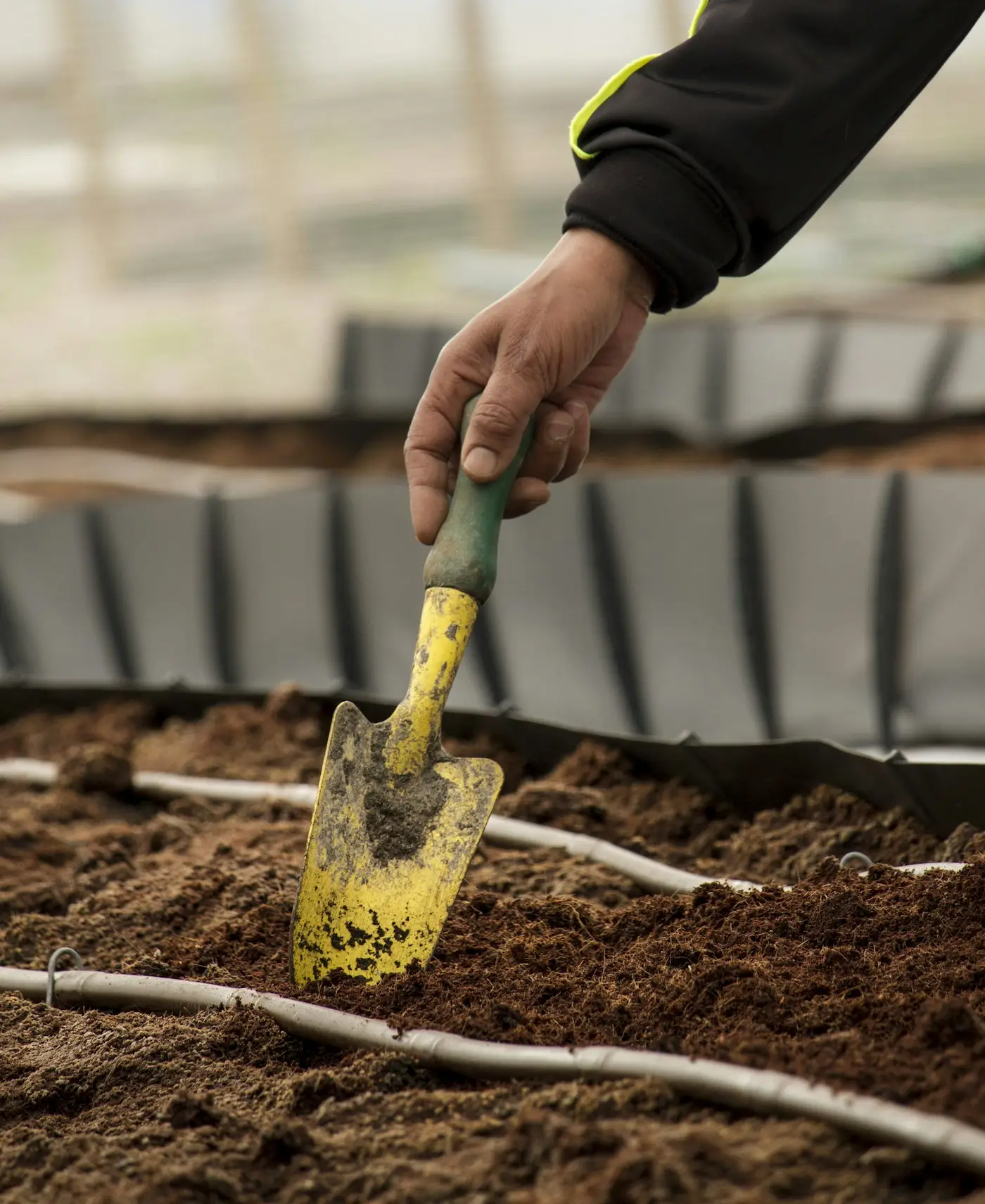
Northallerton is the county town of North Yorkshire, which means it carries the administrative weight of the largest county in England while remaining, in garden terms, a market town with all the particular characteristics that entails: a long High Street that is one of the widest in England, Victorian and Edwardian terrace gardens running along the back lanes, a mix of council-era and newer-build estates on the edges of town, and the beginning of the farming country that spreads out across the Vale of Mowbray towards Thirsk to the south and Bedale and Richmond to the west. The gardens here are as varied as that description suggests. But what they share - the town plots and the village gardens out in Romanby, Brompton and Ainderby Steeple alike - is the underlying reality of heavy North Yorkshire clay and a climate that is more exposed and colder than much of Yorkshire to the south. Late frosts into May are normal here, not exceptional. The clay holds water deep into spring and bakes hard in a warm summer. And the growing season, when it finally arrives, is shorter than in many comparable Yorkshire towns. All of this shapes what a gardener in Northallerton needs to know and do if they are going to produce good results. This guide is for anyone in DL6 or DL7 who is trying to find a gardener who actually understands those conditions, and who wants to know what to pay and what to watch out for.
What Northallerton Gardens Are Actually Like
The variety of garden types across the Northallerton area is wider than in many similarly-sized North Yorkshire towns, partly because the DL6 and DL7 postcodes cover both the dense Victorian townscape of Northallerton itself and a significant rural hinterland of villages and farmhouse properties that extend across the Vale of Mowbray.
In the town itself, the back gardens of the Victorian terraces along the High Street's back lanes are a familiar Yorkshire type: long, relatively narrow plots behind the terrace rows, with established boundaries - often privet, sometimes a mix of privet and hawthorn or beech - and a lawn that has been used hard over the years and shows the effects of years of compaction on heavy clay. These are established gardens. The soil has had decades of foot traffic and varying levels of maintenance, and the results are typical: lawns that moss heavily in wet years, borders that have been colonised by perennial weeds from the edges in, and hedges that have spread wider than their original intention and need bringing back in without being damaged in the process.
The post-war estates around Romanby and the newer-build areas on the edges of Northallerton bring a different character. Romanby in particular has grown substantially and added significant housing over recent decades. The gardens on these properties vary from well-established plots that have been carefully tended for thirty or forty years to newer gardens that are still finding their character. The clay issue is consistent across all of them - you do not escape the heavy soil in this part of North Yorkshire regardless of when the house was built.
And then there are the rural properties: farmhouse gardens in villages like Brompton, Ainderby Steeple, East Tanfield, Scruton and the smaller settlements across the Vale. These gardens can be substantial. A farmhouse garden in the DL7 area might have half an acre or more to manage, with a kitchen garden, fruit trees, an orchard, large lawns, and established planting that reflects decades of investment and varying levels of attention. The demand for clearance and renovation work on these properties is significant and recurrent - a large rural garden that gets left without professional attention for two or three seasons can take a genuinely serious amount of work to bring back to a manageable state on heavy North Yorkshire clay.
The Clay and the Cold: Understanding Northallerton's Gardening Conditions
Two factors define gardening in Northallerton more than any others: the heavy clay of the Vale of Mowbray, and the exposed position that makes this one of the colder, more frost-prone parts of Yorkshire.
The clay here is similar in character to the alluvial soil of Selby and the wider Vale of York, though the Mowbray clay has its own distinct character that experienced local gardeners recognise. It holds water tenaciously through winter and into spring, which means that the Northallerton gardening season often does not start in earnest until April, and in a cold year can be pushed to mid-April or later. Attempting to work compacted clay before it has dried out sufficiently does more harm than good - you compact the structure further and create problems that take a full growing season to recover from. A gardener who knows this will time the first spring visit appropriately. One who does not will arrive in late March, work the ground while it is still waterlogged, and leave you with a lawn and borders in a worse state than before they came.
The frost risk is the second defining factor. Northallerton's position on the flat Vale of Mowbray means cold air drains down from the surrounding higher ground and pools on the low-lying vale. Ground frosts are possible here into the third or even fourth week of May in cold springs. For a full breakdown of how to protect plants, lawns and hard surfaces through the colder months in North Yorkshire, see our winter garden care guide. The practical consequence is straightforward: any tender plants or bedding should not go out until the risk has genuinely passed, regardless of how warm the first fortnight of April feels. A Northallerton gardener who understands the local frost calendar will time outdoor planting accordingly. One who follows a national or regional average planting schedule rather than local knowledge may cost you a full tray of bedding plants and several weeks of lost growing time in a cold year.
Rural plots in DL7: what clearance work actually involves here
Farmhouse and rural gardens in the DL7 postcode area present some of the most demanding clearance conditions in North Yorkshire. Heavy clay, established root systems - brambles on this soil develop roots that go two feet down and spread ten feet in every direction - limited machinery access on many properties, and in some cases years of accumulated growth combine to make clearance on these plots genuinely hard physical work that takes much longer than a phone estimate can account for. Always insist on an in-person site visit before accepting any fixed price for a rural plot clearance. Two people, one day, will not clear a large neglected farmhouse garden on Mowbray clay. That expectation leads to either unrealistic timelines or revised pricing that causes problems for everyone.
What Gets Booked Most Often in Northallerton
The pattern of garden work that Northallerton homeowners book most consistently reflects both the character of local gardens and the particular demands of the clay-heavy, frost-prone North Yorkshire climate:
Lawn renovation and annual maintenance
Lawn work is the most consistently booked single service in Northallerton, and the most important element of that work is not mowing - it is the annual aeration and scarification that keeps a clay lawn in genuinely good condition rather than slowly declining into moss and compaction. Garden maintenance on a Northallerton lawn needs to include hollow-tine aeration at least every one to two years on most plots, scarification to remove the thatch that builds up on heavy soils, and overseeding of any bare patches in the autumn window. A lawn treatment to kill live moss before scarification dramatically improves the result - dead moss rakes out far more cleanly than live material. A gardener who only offers mowing and edging is maintaining the lawn at its current level, not improving it. If your lawn is mossy, compacted and uneven, you need the full treatment programme, not just a more regular mow.
Clearance work on town gardens and rural plots
Garden clearance is one of the highest-volume services in the DL6 and DL7 postcodes. For town gardens, the most common scenario is a long terrace plot that has been left without proper attention for one or more winters and has accumulated a spring's worth of growth that needs to be cut back and removed before the season gets properly started. For rural properties in DL7, the scale and complexity of clearance work can be significantly greater - large plots, established perennial weeds, bramble patches with deep root systems, and in some cases trees or large shrubs that have been self-seeded and grown without intervention for years. Garden clearance on these properties requires a realistic assessment by someone who has visited in person and understands what they are actually looking at before committing to a price. Phone estimates on large rural gardens are not reliable.
Hedge management
Northallerton's town gardens have well-established hedge boundaries - privet is dominant on the Victorian terrace streets, with hawthorn and beech mixed in on some boundaries and laurel common on the post-war estates. Hedge trimming done twice a year - a late spring trim after the main growth flush, and an autumn trim before the hedge goes dormant - keeps most domestic boundaries in good shape. The problem arises with hedges that have been left without a proper cut for two or more years: they have thickened significantly, developed a woody internal structure, and need to be cut back more aggressively than an annual maintenance trim. The question with overgrown hedges is always how far back you can cut in a single season without pushing the plant past its ability to recover. That is a judgment call that requires species knowledge and experience with established plants, not just a powered trimmer and enthusiasm.
Weed control in clay borders
Persistent perennial weeds in clay soil are among the most demanding garden problems to address. Ground elder, bindweed and couch grass all thrive in heavy soil and develop root systems that are extensive and difficult to remove completely. Weed control on established infestations in Northallerton's clay borders is a programme of work over a full growing season, not a single visit. The roots of established ground elder in heavy clay go deep and spread widely; a single clearance that removes the visible growth but leaves the root system intact will have the border looking similar within six weeks. Sustained removal over a season - or in some cases the considered use of selective herbicide - is the only approach that actually clears the problem.
Border improvement and planting for clay soils
Borders and planting work in Northallerton specifically benefits from someone who understands which plants will actually perform in North Yorkshire clay conditions. The range of plants that do well on heavy clay is genuinely good - there are excellent shrubs, perennials, grasses and bulbs that are well-suited to this environment - but it is a different list from what performs best on lighter soils. A planting plan based on what looks good in a garden centre catalogue rather than what suits the actual soil conditions in DL6 is an expensive way to find out that lavender does not like sitting in waterlogged clay through winter.
Pressure washing of paths and hard surfaces
Northallerton's climate - cool, often damp - accelerates the build-up of algae and green staining on hard surfaces. Pressure washing of paths, patios and drives is regularly booked, particularly in autumn before the worst of the winter weather, and in spring as part of a wider garden reset. The alluvial damp of the Vale of Mowbray means north-facing surfaces can green over surprisingly quickly between seasons.
What Does a Gardener in Northallerton Cost?
Northallerton sits within the North Yorkshire rate band, broadly comparable to Thirsk and Bedale and below the rates commanded by Harrogate and the more affluent commuter towns to the south. For a full national comparison, see the how much does a gardener cost guide. For how day rates are structured and calculated, the gardener day rate guide covers the detail.
| Rate type | Northallerton (DL6/DL7), 2026 | Notes |
|---|---|---|
| Hourly rate (maintenance) | £25-£38/hr | Contract rates at the lower end; one-off and specialist work higher |
| Day rate (7-8 hrs) | £140-£210 | Full working day; clearance or renovation on clay-heavy ground |
| Fortnightly maintenance visit | £42-£85 per visit | Medium town garden; contract rate. Includes lawn, borders, edges. |
| One-off lawn cut | £28-£65 | Small terrace: £28-£40; larger plot: £50-£65 |
| Lawn aeration and scarification | £90-£220 | Size and compaction level drive the variation considerably |
| Spring tidy (one-off) | £90-£230 | Clay-heavy ground takes longer to work; site visit before quoting recommended |
| Hedge trimming (standard domestic) | £45-£120 per visit | Standard privet boundary: lower end; overgrown or wide hedges: up to £160 |
| Garden clearance (medium town plot) | £230-£500 | Standard town rear garden not maintained for 6-12 months |
| Garden clearance (rural plot, DL7) | £600-£1,200+ | Large rural plots with established weeds on heavy clay. In-person assessment essential. |
The rural plot clearance rate deserves a specific note. Gardens in the DL7 villages and surrounding farming country can be substantially larger than the typical town garden, with correspondingly more work involved in bringing them back from neglect. A garden that has not been properly managed for two or three seasons on heavy North Yorkshire clay does not get cleared in a day by one person at a standard hourly rate. The honest figures for large rural clearance work in this part of the county reflect that reality. Any quote for a rural plot clearance in DL7 that does not start with an in-person visit and a detailed assessment is not a quote you should rely on.
What to Look for in a Northallerton Gardener
Several things matter everywhere but have particular weight in Northallerton's conditions:
- Public liability insurance: The non-negotiable. Ask for the certificate with the policy number, insurer and cover level. £2m minimum is the industry standard for domestic work. For rural properties with farm buildings, mature trees and other high-value elements, confirm the cover level is adequate.
- Waste Carrier's Licence: Required by law for anyone taking green waste away from your property. Ask for the licence number before booking any clearance work. Without it you have no assurance about where your garden waste ends up.
- Knowledge of Vale of Mowbray clay and local frost patterns: Ask specifically whether they have worked on heavy clay in the DL6 or DL7 postcodes, and what they know about the local late-frost risk and how it affects planting timing. A genuine local gardener will have a specific answer. A general answer about "treating every garden individually" is not specific knowledge of the local conditions.
- Willingness to visit before quoting: For clearance, renovation or any job over a half-day, the gardener should visit in person before giving a fixed price. This matters even more than in some other areas because of the combination of heavy clay, variable access on rural properties, and the tendency for clearance work here to be more demanding than it looks from a photograph or a brief description.
- Experience with rural plots if relevant: If your garden is a farmhouse plot in DL7 rather than a standard town garden, experience with rural-scale work is relevant to ask about specifically. The logistics, the scale of the vegetation, and the access issues on a large rural plot are different from those on a town garden, and not every gardener who does good work on terrace gardens has experience with farm-scale clearance and maintenance.
- Responsiveness: Prompt, clear responses from the first enquiry. The good gardeners in a market town like Northallerton tend to be busy; they still answer quickly because they value new work and because responsiveness is part of how they operate.
Questions to Ask Before Hiring
- Can I see your public liability insurance certificate? Policy number, insurer name, cover level. For rural or larger properties, confirm the level is appropriate.
- Do you hold a Waste Carrier's Licence? The licence number, please, before any commitment to clearance work.
- Do you have experience working on heavy clay in the DL6 or DL7 area? What is your approach to compacted lawns and waterlogged borders? Do you offer aeration and scarification?
- Are you aware of the local late-frost risk, and do you time outdoor planting accordingly? A gardener who suggests putting tender plants out in the second week of April in Northallerton has not thought carefully about the local climate.
- Will you visit in person before quoting for clearance or any job over a half-day? Non-negotiable for rural plots. Strongly advisable for any significant clearance on town gardens with heavy clay.
- What is specifically included in your quote? Is waste removal and disposal in the price, or charged separately? What is the process if the job turns out to be more involved than the initial assessment suggested?
Red Flags When Hiring a Northallerton Gardener
- A quote significantly below the local rate without explanation. The DL6/DL7 range is £25-£38 per hour for maintenance. A quote well below this with no explanation of why generally means no insurance, no waste licence, or both. The short-term saving is not worth the risk.
- Refusal to show proof of public liability insurance. No legitimate professional gardener has a good reason to refuse this request. Walk away.
- A confident fixed clearance price given over the phone for a rural DL7 property. This is the most common source of clearance disputes in this area. Large rural plots on heavy clay cannot be reliably estimated remotely. A gardener who gives you a confident fixed price over the phone for a garden they have not walked is either not thinking about what the job actually involves, or will revise the price significantly once they arrive and see the reality.
- No experience with late-frost timing for planting. Suggesting outdoor planting dates without reference to the local frost calendar is a straightforward signal that the gardener does not know the area well enough.
- No examples of recent work in the DL6 or DL7 area. Any active local gardener will have photos of recent jobs in the area. Inability to produce any means either they are new to the local area (which is relevant information) or not comfortable showing what they have done.
- Verbal-only agreements. A written scope before work starts is standard. It protects both parties and prevents the ambiguity about what is and is not included that causes most gardener disputes.
The Northallerton Garden Calendar
The Northallerton gardening season has a distinct shape driven by the clay and the cold. Understanding it helps you get the right work done at the right time:
February to late March: patience
It is tempting to get into the garden as soon as a warm week appears in February, but Northallerton's clay is almost certainly not ready. Working compacted clay while it is still waterlogged damages the soil structure and sets you back. The right approach in this period is assessment and planning: walk the garden, see what has survived winter, identify the priorities for the coming season, and wait until the soil has genuinely dried enough to work. A late February path clear and patio wash is achievable. Soil work needs to wait.
April to late May: the careful start
April in Northallerton is when the gardening season starts in earnest - with the important caveat that late frosts remain possible through May and sometimes into the third week of May in cold years. The clay is typically workable by early to mid-April after a normal winter, and the first spring maintenance visit - lawn edge, initial mow, border assessment, hedge check - is appropriate timing. Tender plants stay in the cold frame or indoors until the frost risk has genuinely passed. The lawn can be aerated and overseeded once the ground has warmed adequately, typically mid to late April in a normal year.
Late May to July: the growing peak
Once the frost risk has passed, Northallerton gardens grow fast through May and June. Lawns need fortnightly grass cutting at minimum, borders need consistent weeding before perennial weeds establish for the season, and hedges produce their main spring growth flush that needs managing. The growing season is shorter here than further south in Yorkshire, so getting ahead of the growth in May and June pays dividends through the rest of the summer.
August to September: steady maintenance
August in Northallerton can be dry - the clay that retained winter moisture is now baked and cracking in some years. Lawns can go brown in extended dry spells, particularly on the lighter soil patches at the elevated edges of the area. The browning is normal and the grass recovers when rain returns; it is not a sign of permanent damage. September is the most important month for lawn treatment in Northallerton: aeration and scarification done while the soil still has summer warmth, followed by overseeding of bare patches, gives the lawn the best possible recovery window before winter.
October to November: closing down
The final hedge trim of the season before dormancy, border cutback and mulching, leaf clearance as the trees come down, path and patio washing before the worst of the winter weather - October and November close the Northallerton garden down for a winter that can be genuinely harsh on this exposed North Yorkshire vale. A garden that is properly closed down in autumn requires significantly less clearance in spring than one that is left to accumulate debris through winter.
December to January: winter rest
Northallerton gardens sit dormant through the heart of winter. The planning done in these months - decisions about what to change in the coming season, which plants to introduce, whether any structural work is needed - makes the spring start more productive. Beyond planning and occasional leaf clearance on evergreens, there is little soil work to be done on North Yorkshire clay in December and January.
Rural Gardens in DL7: A Specific Note
The villages and farmhouse properties surrounding Northallerton - Brompton, Romanby, Ainderby Steeple, East Tanfield, Scruton, and the scattered farms across the Wiske and Swale valleys - represent a distinct category of garden work that is worth addressing separately.
A rural garden in the DL7 area is typically larger than a town garden, often substantially so. It may include areas that have never been formally designed and have developed over decades without consistent management. It may have fruit trees that need annual pruning, vegetable growing areas that have been abandoned and need reclaiming, large lawn areas that have not been aerated or treated in years, and boundary hedges that have grown to significant width and height over time. The soil is the same heavy Mowbray clay, but the scale of what sits on top of it is different.
The key thing to understand about a large rural garden clearance or renovation project is that it is not a single-visit job. It is a programme of work - typically spread across a season or initiated with a major clearance followed by an ongoing maintenance arrangement. The homeowner who books a one-off clearance of a large neglected farmhouse garden expecting it to be resolved in a single day by one person is setting themselves up for either an incomplete job or a very different bill from what was initially discussed. A gardener who is honest about the scope of the work, visits in person before quoting, and proposes a realistic programme will deliver a better result and a better experience than one who quotes low to win the job and then revises upward once the clay reality becomes clear.
If you have a rural DL7 property and are looking for ongoing maintenance support as well as an initial clearance, the most productive conversation with a potential gardener is the one that covers both: what the clearance will involve, what the garden could look like after two seasons of proper management, and what an ongoing arrangement would cost annually. Gardeners who work in this way - who are interested in the garden as a long-term project rather than a sequence of one-off jobs - tend to produce the best results on rural properties.
Frequently Asked Questions
How do I find a reliable gardener in Northallerton?
Word of mouth in Northallerton's established local networks remains strong. A neighbour who has used the same gardener through several seasons and is genuinely happy with the result is the warmest possible recommendation. Without that, a local introduction service connecting you to one local gardener for your DL6 or DL7 postcode is preferable to a national platform distributing your details to multiple contractors. Ask for proof of public liability insurance, a Waste Carrier's Licence, and local clay experience before discussing pricing. See the Northallerton gardeners page for local coverage.
How much does a gardener in Northallerton charge?
Northallerton gardeners typically charge £25-£38 per hour for general maintenance in 2026. Day rates run £175-£300 for a full working day. Fortnightly maintenance contracts for a medium town garden run £42-£85 per visit. Rural DL7 clearances on large plots can run considerably higher - see the pricing table above. For national and regional context, see the UK gardener costs guide.
What is the soil like in Northallerton and what does it mean for my garden?
Heavy Vale of Mowbray clay is the dominant soil type across DL6 and most of DL7. It holds water through winter into spring, compacts under foot traffic, and goes hard in dry summers. Lawns benefit significantly from annual hollow-tine aeration and scarification. The ground takes longer to become workable in spring than in lighter-soil areas of Yorkshire, and the late-frost risk persists into May in most years. A gardener who understands these conditions will produce meaningfully better results than one who applies generic practices.
Do gardeners in Northallerton cover the surrounding villages?
Most gardeners based in or around Northallerton cover a reasonable radius including Romanby, Brompton, Ainderby Steeple, East Tanfield, Scruton and the surrounding Vale villages. Coverage to Thirsk (ten miles south) and Bedale is typical. For more remote rural properties, confirm coverage and whether a small travel charge applies before booking.
What does a late-frost risk mean for my Northallerton garden?
Late frosts are possible in Northallerton into the third week of May in most years, and occasionally later in cold springs. Tender bedding plants should not go out until this risk has genuinely passed. A gardener who times outdoor planting based on local frost patterns rather than national averages is giving you better advice for this specific location. See the planting and borders service for more on planting selection for North Yorkshire conditions.
What work gets booked most in Northallerton?
The most consistently booked services: lawn renovation and annual aeration on clay-based lawns; clearance work on town gardens and rural plots; hedge management on established privet and hawthorn boundaries; weed control in clay borders; and pressure washing of paths and patios. Rural DL7 plots generate more substantial clearance and renovation work than the town garden average.
What are the red flags when hiring a gardener in Northallerton?
Key ones: a quote well below the £25-£38/hr local rate with no explanation; refusal to show proof of public liability insurance; a confident fixed clearance price for a rural DL7 plot given over the phone; no awareness of the local late-frost planting calendar; no examples of recent work in the DL6/DL7 area; and unwillingness to confirm scope in writing. On rural plots specifically: any gardener who quotes for a large clearance without visiting is not taking the job seriously.
Can I get a garden clearance in Northallerton?
Garden clearance is one of the most in-demand services across DL6 and DL7. A standard medium town garden typically runs £230-£500. Large rural plots with established weeds, brambles and heavy clay can run £600-£1,200 or more for a two-person team over one or two days. In-person assessment before any fixed quote is essential for rural properties. See the garden clearance service page for more on what the process involves.
What questions should I ask before hiring a gardener in Northallerton?
Six before you commit: (1) Can I see your public liability insurance certificate? (2) Do you hold a Waste Carrier's Licence - what is the licence number? (3) Do you have experience on heavy clay in DL6/DL7? (4) Are you aware of the local late-frost risk and do you time planting accordingly? (5) Will you visit before quoting for clearance or any job over a half-day? (6) Is waste removal and disposal included in the price? A gardener who answers all six clearly is worth shortlisting.
Related reading
- How much does a gardener cost in the UK? (2026 prices)
- Gardener day rate UK 2026
- Garden maintenance across Yorkshire
- Garden clearance across Yorkshire
- Hedge trimming across Yorkshire
- Weed control across Yorkshire
- Borders and planting across Yorkshire
- Northallerton gardeners - town overview
- North Yorkshire gardeners guide - region-wide overview
Gardeners in nearby areas
We cover Northallerton and the surrounding North Yorkshire area:
For structural landscaping or a full redesign, see our garden design Northallerton page.
Get a quote for your Northallerton garden.
60-second assessment. If a local gardener takes your enquiry, they call you with a price for your specific garden and job.
Start the assessment