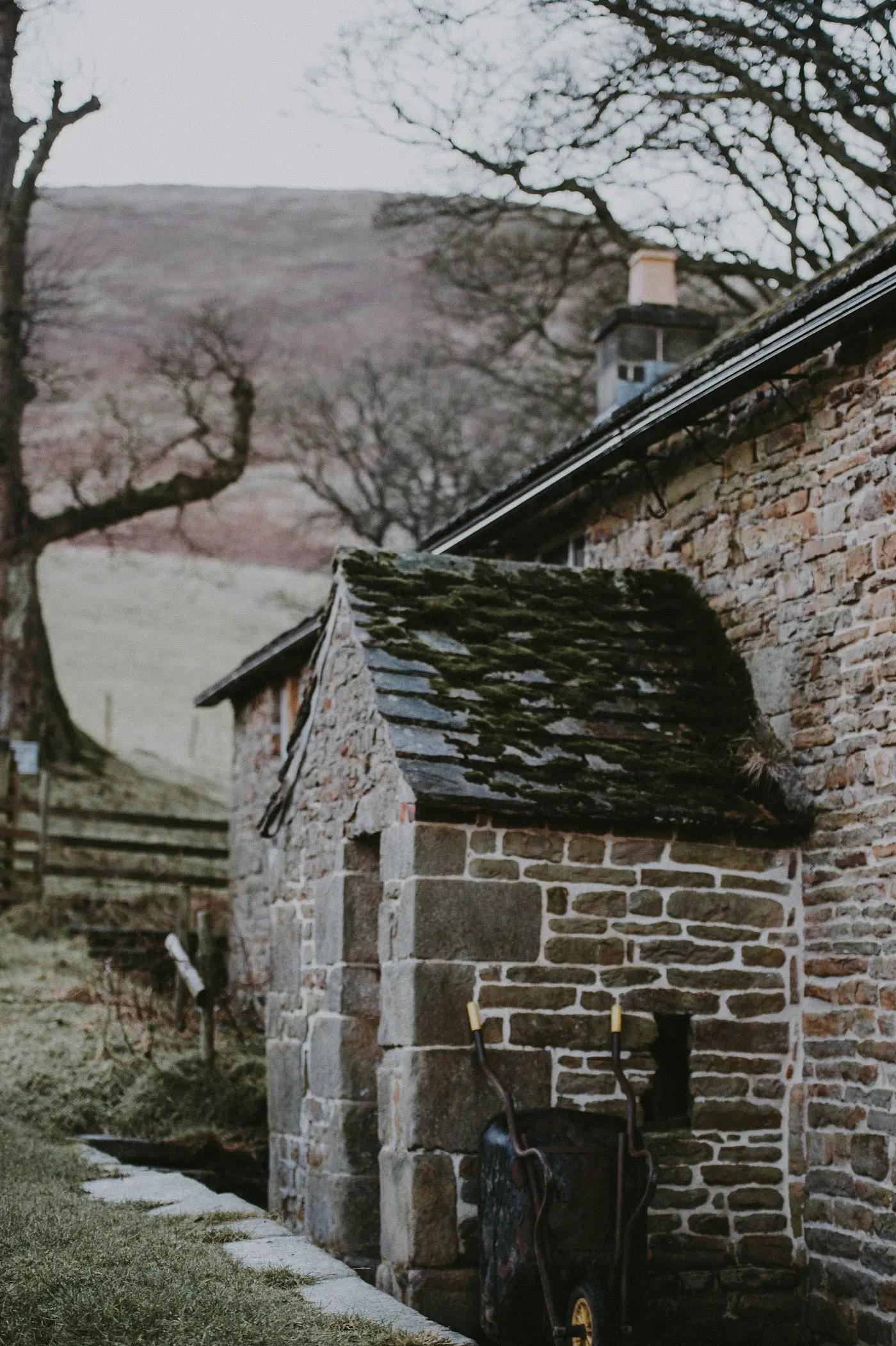
Stokesley is one of those North Yorkshire market towns where the gardening tradition runs deeper than casual observation suggests. The cobbled market square, the stone buildings, the surrounding agricultural land - all of it gives context to a town where growing things has always been taken seriously. The alluvial loam of the Vale of Cleveland is genuinely productive soil: workable, moderately fertile, better drained than the clay soils of the Vale of York to the south, and good ground for vegetables, soft fruit, and traditional herbaceous borders that perform reliably year after year. The North Yorkshire Moors rise directly behind the town to the south, but Stokesley itself is a flat-land town, and its gardens reflect that lowland character rather than the upland exposure of the moorland villages ten minutes south by car.
The town has expanded through the postwar decades, and the 1960s to 1980s suburban additions on the southern edge carry the typical domestic garden character of that era: reasonable plot sizes, established lawns, mixed borders, and boundary hedges that have grown at their own pace through the intervening decades. This guide is for Stokesley homeowners who want to understand their garden - what the soil is like, what grows well here, what gets maintained and what gets neglected, and what it costs to put it all in order.
What Stokesley Gardens Are Actually Like
The dominant character of Stokesley's domestic gardens is shaped by three things: the quality of the underlying soil, the traditional character of the town, and the mix of older and newer housing that expanded through the second half of the twentieth century.
The older properties around the town centre and the High Street have the smaller, more enclosed gardens typical of market town development - back yards, walled garden fragments, and front plots that have been managed in very different ways by different occupants over the decades. In some of these older properties, the soil in enclosed back gardens has had generations of cultivation and is in excellent condition. In others, the soil has been neglected, compacted, or impoverished by decades of lawn-only management without any meaningful organic matter addition.
The 1960s and 1970s estates on the southern edge of town - the residential expansion that added the most housing to Stokesley in the postwar period - have a more uniform character. Medium-sized back gardens, rectangular layouts, established lawns with varying degrees of maintenance, mixed borders that were originally planted and then managed with varying attention, and boundary hedges that have grown without consistent annual management. These are the gardens where a reliable annual maintenance arrangement makes the biggest visible difference.
The alluvial loam that underlies most of Stokesley's gardens is the key physical characteristic. This is the silt and clay deposit left by the River Leven and the wider drainage system of the Vale of Cleveland plain - soil that has been laid down by water action and is consequently moderately fertile, reasonably moisture-retentive, and workable in a way that the thinner upland soils to the south simply are not. For growing vegetables, soft fruit, and traditional herbaceous perennials, this is good ground. It rewards proper preparation - incorporating organic matter, adequate drainage in the lowest-lying positions, and seasonal feeding - but it does not require the constant amendment that a thin, acidic, or free-draining soil would need.
The surrounding agricultural context gives Stokesley's gardening tradition some of its character. The vegetable-growing and kitchen garden culture of the surrounding farms and villages has always had a presence in the town's domestic gardens, and it is more common in Stokesley to encounter homeowners interested in growing food than in many comparable market towns further east along the moors fringe. This is a reflection of the soil quality as much as anything else - when the ground grows well, people grow things.
The kitchen garden opportunity
If you have a reasonably sunny back garden in Stokesley and have wondered about growing vegetables or fruit, the loamy soil of the Vale of Cleveland is among the better ground in this part of North Yorkshire for it. A raised bed on this soil, properly prepared with organic matter, will produce well from the first season. The traditional kitchen garden approach - rotating crops, companion planting, seasonal succession - translates well to the Stokesley conditions. If you want help setting up a productive growing area from scratch, this is the right soil to be doing it on.
The Kitchen Garden Tradition and What It Means for Your Garden
Growing food in domestic gardens has a longer and stronger tradition in the Vale of Cleveland than in many other parts of Yorkshire, and Stokesley is no exception. The alluvial loam, the relatively sheltered position compared to the moors above, and the agricultural character of the surrounding land all contribute to a local gardening culture where vegetable plots, fruit trees, and soft fruit canes are common features even in suburban back gardens.
If your garden has an established vegetable area, fruit trees, or soft fruit that has been left without attention, a gardener with kitchen garden knowledge will be more useful to you than a maintenance operative who primarily works with lawns and ornamental borders. The care of an established apple or pear tree is different from border maintenance. Renovating a neglected soft fruit patch requires different decisions from a standard clearance. And setting up a new raised bed kitchen garden from scratch in Stokesley's loamy soil is a specific project with its own sequence of tasks that benefits from someone who knows what they are doing.
For existing fruit trees, the question that comes up most often is: when and how to prune? Apple and pear trees in established Stokesley gardens often have not been pruned for several years and have grown into forms that produce a lot of fruit in poor condition rather than moderate quantities of good-quality fruit. Winter pruning - while the tree is dormant, between leaf fall and bud break - is the right time for most renovation pruning of apple and pear. The objective is to open up the centre of the tree to light and air, remove any crossing branches, and reduce the total canopy size to something manageable. A gardener who knows how to do this properly makes a difference that pays off over several seasons.
Soft fruit - gooseberries, blackcurrants, redcurrants - benefits from annual pruning after fruiting to maintain productivity. Blackcurrants in particular are pruned by removing a proportion of the older stems each year, keeping the bush producing on new growth rather than old, exhausted wood. An unpruned blackcurrant bush in a Stokesley garden will fruit increasingly poorly over five to ten years and may look like it has died when it is simply unproductive. Proper renovation pruning, followed by annual maintenance, restores productivity within two seasons.
What Gets Booked in Stokesley Gardens
The work that comes up most consistently in TS9 reflects the mix of older and newer housing and the specific soil and growing conditions of the area.
Regular garden maintenance is the core arrangement for most Stokesley homeowners who use a gardener regularly. Fortnightly mowing, border tidying, edge trimming, and seasonal care from April to October. Garden maintenance agreements structured on a seasonal basis keep costs predictable and the garden in consistent condition. The good growing conditions in the Vale of Cleveland mean that lawns and borders grow vigorously through May, June, and July - a fortnightly schedule keeps this manageable without the peaks of growth that an ad hoc approach produces.
Hedge trimming is a consistent one-off request across the postwar suburban estates and the older town-centre properties. Many Stokesley hedges have grown to heights and widths that require more than a basic annual trim to manage properly. Hedge trimming on a hedge that has grown significantly beyond its intended form should be quoted after a site visit with a clear target height and width agreed before the work begins.
Lawn renovation is consistently needed on the postwar suburban lawns that have not had regular aeration and scarification. The loamy soil in Stokesley compacts under repeated foot traffic and regular mowing without the annual decompaction treatment that maintains good drainage and grass health. Hollow-tine aeration in September, followed by scarification to remove the accumulated thatch and moss layer, overseeding with a good quality mix, and top-dressing produces a clearly improved lawn by the following spring. See the lawn care Yorkshire guide for more on when and how renovation work is most effective.
Garden clearance is regularly requested for properties changing hands and for gardens that have been managed irregularly. Garden clearance in Stokesley needs to account for the vigorous growth that the fertile loam supports - nettles, docks, bramble, and willowherb establish quickly in neglected ground and can cover a medium garden in a single growing season on this soil. A proper clearance before a regular maintenance arrangement begins is almost always better value than trying to maintain a garden that needs clearing first.
Kitchen garden establishment and management is more commonly requested in Stokesley than in most comparable market towns. If you want to set up a new vegetable area, renovate an existing fruit tree collection, or get soft fruit producing again after a period of neglect, a gardener with kitchen garden knowledge is the right person to help. The loamy Stokesley soil will reward the investment.
Weed control on paths, patios, and gravel areas is a frequent standalone request. Weed control on the alluvial loam requires consistent management - the fertility of the soil means annual weeds germinate quickly after any treatment, and a single application is rarely sufficient for a season-long result. Part of an ongoing maintenance arrangement is considerably more effective than a reactive one-off treatment.
How Much Does a Gardener in Stokesley Charge?
Stokesley rates sit in the North Yorkshire market town band, broadly comparable to other similar-sized towns in the region. For a full context on what drives gardening costs across the county, see the how much does a gardener cost guide and the Yorkshire garden maintenance prices guide.
| Rate type | Stokesley (TS9), 2026 | Notes |
|---|---|---|
| Hourly rate (maintenance) | £25-£35/hr | Contract rates at lower end; one-off visits higher |
| Day rate (7-8 hrs) | £130-£180 | Full working day for clearance or renovation |
| Fortnightly maintenance visit | £38-£68 per visit | Medium garden; lawn, borders, edges included |
| One-off lawn cut | £28-£50 | Size and state dependent; vigorous loam growth adds to time on overgrown plots |
| Lawn renovation (aeration, scarification, overseed) | £95-£230 | Loamy soil lawns respond well to renovation |
| Hedge trimming (standard domestic) | £45-£95 per visit | Oversized hedges quoted separately after site visit |
| Garden clearance (medium plot) | £180-£350 | Vigorous loam growth means volume of material can be substantial |
| Kitchen garden setup or renovation | £120-£280 | Fruit tree pruning, raised bed establishment, soft fruit renovation; depends on scope |
The kitchen garden setup and renovation rate reflects the specialist knowledge involved and the time required to assess and plan the work properly, not just the physical effort. A gardener who knows how to renovate an apple tree or restore a neglected soft fruit garden is providing horticultural knowledge as much as labour.
Finding a Reliable Gardener in Stokesley
Stokesley is a town small enough that reliable gardeners become known by reputation, but the pool is smaller than a city and the best ones tend to have their regular rounds committed well in advance of the main season. The practical implications are straightforward: if you want a good gardener for the summer season, make contact in late winter rather than waiting until April or May when the reliable people are already fully committed.
Word of mouth in a town this size is genuinely useful. A gardener who maintains several of the well-kept gardens visible from the main residential streets will be known to the owners of those gardens, and a direct recommendation from a neighbour whose garden you can see and assess is the most reliable starting point. For new residents, or in streets where that kind of recommendation is not easily available, a local introduction service connecting you to one vetted gardener covering TS9 is the next best approach.
When making contact with any prospective gardener, the questions that matter: public liability insurance (ask for the certificate); a Waste Carrier's Licence if any waste removal is involved; evidence of experience with the specific soil conditions in the Vale of Cleveland area; and, if kitchen garden work is part of what you need, evidence of specific knowledge about fruit tree management and vegetable growing. A gardener who answers all of these confidently and specifically is worth shortlisting. One who hesitates or deflects on the insurance and licensing questions is not.
Seasonal timing in Stokesley
The Vale of Cleveland's flat, relatively sheltered position means Stokesley's growing season starts from April with real vigour. The moorland villages to the south run two to three weeks behind. If you have moved to Stokesley from a moorland village, the speed at which things grow in the valley floor soil will probably surprise you - lawns on loam grow noticeably faster than lawns on thin upland soils, and borders fill in more quickly than you might expect from a northern climate.
Seasonal Guide for Stokesley Gardens
Stokesley's season is a lowland North Yorkshire one - broadly April to October, starting earlier and running longer than the moorland fringe towns to the south, with a climate that benefits from the sheltered position on the flat Vale of Cleveland plain.
January and February are the planning months. The soil is cold and the ground may be wet - the alluvial loam can hold surface water in a wet winter in the lowest-lying positions, though it generally drains better than clay. This is the right time to plan the season, arrange your gardener, and begin winter pruning of fruit trees in dry weather. Bare-root fruit trees and hedging plants go in effectively through winter while dormant. If you have been thinking about setting up a kitchen garden, planning it in winter and preparing the ground before March means you are ready to plant from April.
March and April bring the season back quickly on the Vale of Cleveland loam. The soil warms up earlier than the upland soils to the south, and grass growth begins in earnest from mid-March in a normal spring. The first cuts happen in early April, fortnightly mowing is established by mid-April, and the main spring planting season begins. This is a busy time for border clearing, mulching, and the first round of weed control on paths and paved areas before annual weeds get a foothold. Kitchen garden tasks from April include sowing under cover, planting onion sets, and preparing vegetable beds that were not dug in autumn.
May and June are the core spring months. The loamy soil and the lowland climate combine to produce vigorous growth through May and June - lawns need consistent fortnightly mowing and borders will grow substantially in this period. Vegetable plots that were planted in April are growing well, early crops (radish, lettuce, spring onions) are ready to harvest, and late frosts are past for the lower town by mid-May in a normal year. For borders and planting, May and June are the best months for establishing summer perennials and annuals in prepared ground.
July and August are the peak season. Regular fortnightly maintenance is essential - the loam's fertility means borders and lawns grow more actively than many homeowners expect compared to their experience with more northern or upland gardens. Kitchen gardens at this time need watering in dry spells (the loam is better than chalk or limestone at holding moisture, but a prolonged dry July will still stress newly planted or shallow-rooted plants), regular harvesting, and successional sowing to extend the season. Hedge trimming for most domestic species is best done in July if it was not completed in late June.
September and October are the most important months for lawn care in Stokesley. Hollow-tine aeration in early September on the loamy lawns, followed by scarification, overseeding, and top-dressing, produces a better lawn by the following spring. The alluvial soil compacts under regular use and benefits from annual decompaction as much as the clay soils of the Vale of York. October is also the right time for end-of-season border cutting back, planting spring bulbs, dividing congested perennials, and getting any structural planting of trees and shrubs in before the ground hardens.
November through December are quiet but useful. Leaf clearance on gardens with trees can be significant, and allowing leaves to mat down on a loamy lawn through winter creates bare patches by spring. Pressure washing of paths, patios, and hard surfaces is best done in a dry autumn or early winter spell. Bare-root planting of fruit trees, roses, and hedge whips is most effective through autumn and winter dormancy.
Common Garden Problems in Stokesley
The recurring problems in TS9 gardens reflect the specific combination of fertile soil, mixed housing stock, and the town's lowland position.
Vigorous weed growth in fertile loam. The same soil quality that makes Stokesley good for growing vegetables and perennials also makes it excellent for nettles, docks, bramble, and ground elder in a neglected garden. These weeds are vigorous on the loam in a way that they are not on thin upland soils, and a single season of neglect in Stokesley can result in weed coverage that would take two seasons to establish in a thinner soil. Consistent weed control as part of an ongoing maintenance arrangement keeps this under control. One-off clearance without a follow-up plan for regular maintenance leads to the same situation within one or two growing seasons.
Compacted soil in lawns that have not been renovated. The loamy soils of the Vale of Cleveland compact under repeated foot traffic and regular mowing in a way that surface drainage and grass health suffer. Compacted lawns in Stokesley show the classic signs: surface pooling after rain, yellowing under tree canopies, thin patches in high-traffic areas, and moss establishing in corners and shade. Annual autumn aeration addresses this more effectively than any other single treatment, and a Stokesley lawn that gets proper autumn renovation produces noticeably better grass quality within two seasons.
Waterlogging in the lowest positions. The flat alluvial plain that Stokesley sits on can produce some waterlogged garden positions in particularly wet winters - properties on the lower-lying ground near the Leven corridor can see prolonged surface water in January and February in a wet year. If your lawn has consistently wet patches or obvious standing water in winter, the solution depends on the severity: a land drain installed by a groundworks contractor for serious cases; or hollow-tine aeration with grit top-dressing for moderate cases where the compaction is the primary cause of the drainage restriction.
Neglected fruit trees. Many Stokesley gardens have established apple, pear, or plum trees that have not been pruned for several years. An unpruned fruit tree does not necessarily look obviously distressed, but it gradually shifts its energy from producing fruit to producing wood - the canopy becomes dense, the fruit becomes smaller and more crowded, and the risk of fungal problems (particularly apple scab) increases as air circulation through the canopy decreases. Winter pruning to restore an open, well-structured tree makes a difference over two to three seasons that is clearly visible in the quality and quantity of fruit produced.
Slugs and snails on vegetable plots. The fertile, moisture-retentive loam of the Vale of Cleveland is ideal slug habitat. If you are growing vegetables or soft-leaved border plants in a Stokesley garden and losing them to slug and snail damage, the surrounding agricultural land is the source - slugs move in from the fields at the margins of the residential area in wet weather. Physical barriers (copper tape around raised beds, grit mulches), nightly torch patrols in wet spells, and encouraging natural predators (hedgehogs, frogs, ground beetles) are the practical responses. A gardener who knows the local pressure will advise on realistic management rather than suggesting you can eliminate the problem entirely.
Frequently Asked Questions
How do I find a reliable gardener in Stokesley?
Word of mouth from a neighbour whose garden is consistently maintained is the most direct route. Otherwise, a local introduction service connecting you to one vetted gardener covering TS9 is considerably more useful than a national platform. Ask about insurance, Waste Carrier's Licence, and experience with the loamy alluvial soils of the Vale of Cleveland. See garden maintenance near me Yorkshire for broader context.
How much does a gardener in Stokesley charge?
£25-£35/hr for general garden maintenance in 2026. Day rates £175-£300. Fortnightly visits £38-£68. Kitchen garden setup or fruit tree renovation: £120-£280 depending on scope. For the full national and regional context, see the UK gardener costs guide.
What soil do Stokesley gardens have?
Alluvial loam - moderately fertile, good moisture retention, workable. Genuinely good growing ground for vegetables, fruit, and ornamental borders. Better than the thin upland soils to the south or the clay soils of the lower Vale of York. Rewards organic matter addition but does not require constant amendment.
Is Stokesley a good place for a kitchen garden or vegetable plot?
Yes - among the better locations in this part of North Yorkshire. The loamy soil, the sheltered vale position, and the local tradition of growing food all support it. A well-prepared plot in a sunny Stokesley garden will produce reliably from the first season. For garden design that incorporates productive growing areas, ask a local gardener who knows the conditions.
What are the main garden challenges in Stokesley?
Vigorous weed growth in fertile soil requiring consistent management; lawn compaction from regular use without annual aeration; potential waterlogging in the lowest positions in wet winters; and slug pressure from the surrounding agricultural land on vegetable plots. All manageable with the right approach and a consistent maintenance programme.
Can I get garden clearance in Stokesley?
Yes. Standard medium plot: £180-£350. The fertile loam supports vigorous weed growth, so the volume of material cleared from a neglected Stokesley garden is often higher than the plot size suggests. Always get a fixed quote after a site visit. Garden clearance is most effective when followed by a regular maintenance arrangement.
What gets booked most in Stokesley gardens?
Regular fortnightly garden maintenance from April to October is the core. Hedge trimming is a consistent one-off request. Kitchen garden establishment and fruit tree renovation come up more here than in most comparable towns. Autumn lawn renovation via aeration and scarification is consistently underbooked relative to how much it would improve the loamy lawns here.
Do gardeners in Stokesley cover the surrounding villages?
Most covering Stokesley also work in Great Ayton, Ingleby Barwick, Yarm, and the surrounding TS9 area. North Yorkshire Moors villages to the south may involve a travel supplement. Give your full postcode when enquiring. Other nearby areas we cover include Guisborough and the wider Cleveland district.
When is the best time to book a gardener in Stokesley?
February or March. The good growing conditions in the Vale of Cleveland mean the season starts with real vigour from April, and gardeners covering TS9 who know what they are doing have their regular rounds committed from late winter. Enquiring in April or May means waiting for a slot, particularly for one-off clearances and kitchen garden setup work where timing matters.
Related reading
- How much does a gardener cost in the UK? (2026 prices)
- Garden maintenance prices in Yorkshire
- Lawn mowing near me - Yorkshire
- Garden clearance near me - Yorkshire
- Garden maintenance across Yorkshire
- Hedge trimming across Yorkshire
- Garden clearance across Yorkshire
- Borders and planting services
Gardeners in other nearby areas
We cover the Vale of Cleveland and the wider North Yorkshire and Tees Valley area:
Get a quote for your Stokesley garden.
60-second assessment. If a local gardener takes your enquiry, they call you with a price for your specific garden and job.
Start the assessment