Greenhouse Growing in Yorkshire: What Grows Well and What to Expect (2026)
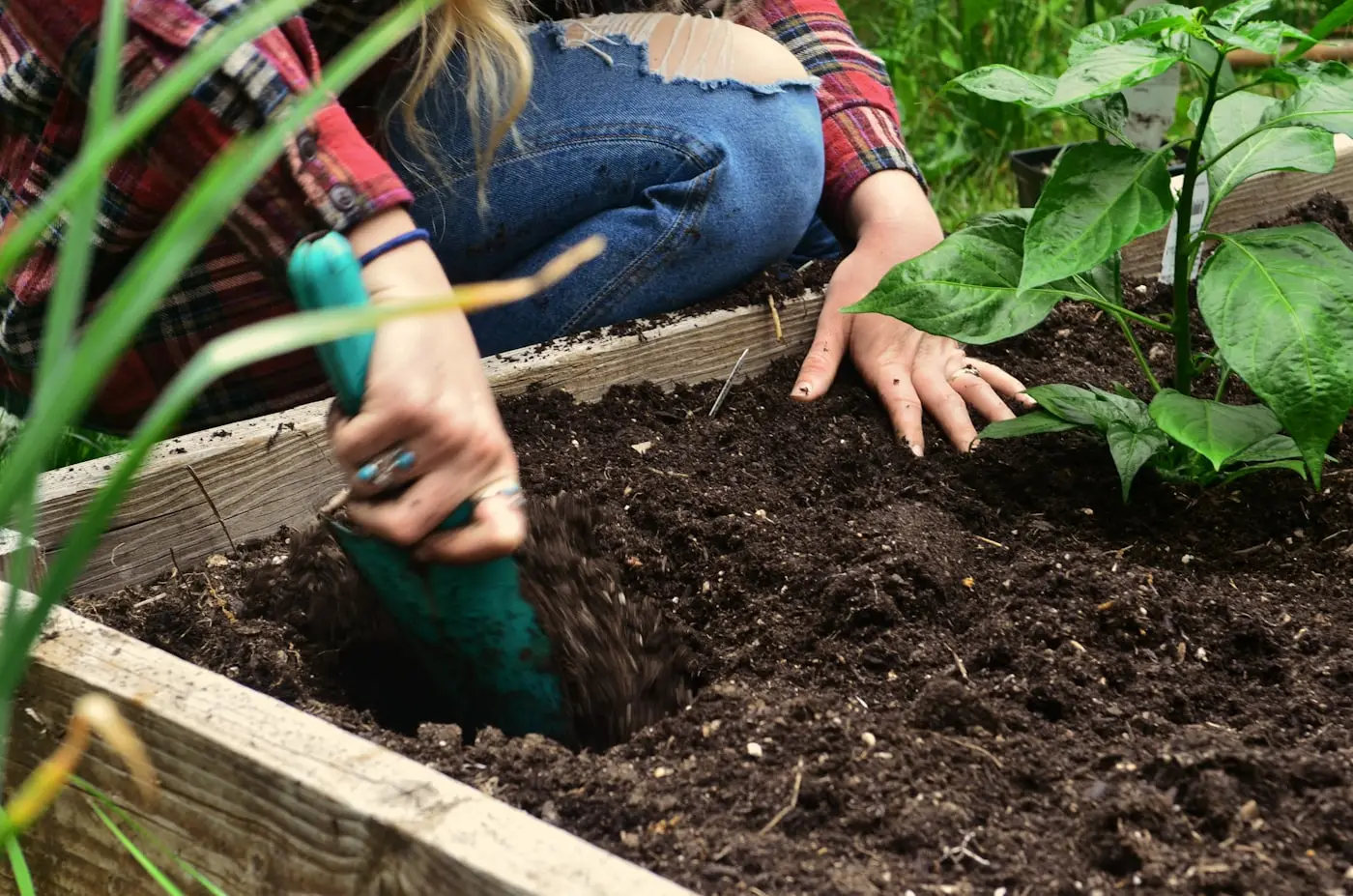
Yorkshire is not the warmest place to grow food outdoors. Frosts regularly occur until mid-May across much of the county - later at altitude on the North York Moors, in the Dales, and in exposed East Yorkshire. The summer, when it arrives, can be excellent, but it is also shorter than in the south of England, and September can bring the first autumn frosts before many crops have finished.
A greenhouse changes this calculation significantly. Done well, a greenhouse in a Yorkshire garden produces reliable crops of tomatoes, cucumbers, peppers, and chillies that would be marginal or impossible outdoors, extends the season for salad and leafy crops by several months each end, and provides a sheltered space for overwintering tender plants and getting a head start on spring sowing. This guide covers what actually works in Yorkshire's conditions, the heating question (most Yorkshire gardeners need far less heat than they think), common problems, and what everything costs to set up and run.
Why Yorkshire Gardens Benefit from a Greenhouse
The core value of a greenhouse in Yorkshire is season extension and temperature stability. The county's maritime climate - influenced by prevailing westerly winds off the Atlantic and the North Sea to the east - means temperatures rarely hit the extremes of continental climates, but the growing season for tender crops is reliably shorter than further south.
Last frost dates are the key constraint. In the Vale of York, Humber estuary, and lower Wharfe valley - some of the warmest parts of the county - late frosts typically occur until late April. In Bradford, Harrogate, and the West Riding more generally, mid-May is a more reliable last frost date. On higher ground - the North York Moors above 200 metres, the Pennine fringe above Huddersfield or Keighley - ground frosts can occur into early June in cold springs. Outdoor tomato planting, which requires ground temperature above 10 degrees C and no frost risk, is typically safe from the second week of June in most of Yorkshire, leaving a growing season of only 12-15 weeks before autumn frosts return.
In a greenhouse, tomatoes can be planted in late April or early May with confidence. Cucumbers and peppers, which need higher temperatures than tomatoes, can go in from mid-May. The result is a crop season of 20-24 weeks rather than 12-15 weeks - a massive improvement for the same effort.
The other major advantage is reliability. Outdoor tomatoes in Yorkshire are at the mercy of a summer that may turn cool and overcast, which causes fungal problems and prevents fruit ripening. Yorkshire sees this routinely: a cold wet July kills outdoor tomato crops while greenhouse crops continue producing regardless. The psychological value of knowing your tomatoes will crop - rather than hoping for a dry August - is real, especially after the investment in growing from seed.
What to Grow in a Yorkshire Greenhouse
Tomatoes
The flagship greenhouse crop for most Yorkshire growers. Under glass, tomatoes produce reliably from July to October with minimal blight risk (which devastates outdoor crops in wet summers). Most varieties perform well, but the key choice is between cordon (tall, single-stem) varieties trained up strings, and bush varieties that sprawl and are better for grow bags or pots where height is limited.
For Yorkshire greenhouses, cordon varieties that perform reliably include Moneymaker (old and reliable, medium flavour), Gardener's Delight (small cherry, prolific, excellent flavour), Alicante (good all-round, thick skin resists splitting), and Shirley (F1 hybrid, disease-resistant, very productive). Cherry tomato varieties are generally more reliable in Yorkshire than large-fruited beefsteak types, which need more heat and a longer season to ripen fully.
Feed tomatoes weekly with a high-potassium liquid fertiliser once the first truss has set fruit. Water consistently - inconsistent watering (drought then flood) causes blossom end rot and fruit splitting. In Yorkshire's cool cloudy springs, this means watering carefully and not over-doing it - tomato roots in cool, wet compost are vulnerable to root rot before the plant is in full growth.
Cucumbers
Cucumbers need warmth (minimum 18 degrees C in the growing medium) and do not perform reliably in Yorkshire without a greenhouse. Under glass, they are vigorous and productive - a single plant in a greenhouse border or large pot can produce 20-30 cucumbers in a season. They are also climbers that need support: strings or a trellis to climb gives them the vertical space to produce well in a small greenhouse.
The main issue with cucumbers in Yorkshire's greenhouse conditions is humidity management. Yorkshire springs can be damp enough that the high humidity cucumbers prefer is naturally present, but warm summer weeks can stress them if the greenhouse is not ventilated properly. Red spider mite (see below) is the most damaging pest for cucumbers specifically.
Peppers and Chillies
Sweet peppers and chillies are genuinely difficult outdoors in Yorkshire in most years and transform under glass. Chillies in particular perform extremely well in a warm greenhouse: they are compact plants that can be grown in 3-5 litre pots, produce prolifically from August onwards, and have enough varieties (from mild to eye-wateringly hot) to suit any preference.
Start seeds in February indoors at around 20 degrees C, pot on and bring into the greenhouse from mid-May once night temperatures are stable. Chillies are reasonably drought-tolerant once established but benefit from regular liquid feeding from August. At the end of the season, overwintering chilli plants (bring indoors or into a frost-free greenhouse) means established plants can produce for several years, growing larger and more productive annually.
Early Salad Leaves
In an unheated or frost-free greenhouse, salad leaves (lettuce, rocket, spinach, mizuna, land cress) can be sown from February and harvested from March. This is a major practical advantage in Yorkshire, where outdoor salad growing before May is unreliable. Cut-and-come-again varieties (loose leaf lettuces, rocket, spinach) that regrow after cutting are the most productive for a small space.
In summer, salad leaves bolt (go to seed quickly) in the warmth of a greenhouse, so the window for cool-season leaves is roughly February to May, and then again from September to November. Summer in the greenhouse is better used for heat-loving crops.
Other Crops
Aubergines need higher temperatures than tomatoes (consistently above 20 degrees C) and are more challenging in Yorkshire greenhouses, especially in cooler summers. They succeed but require more attention than tomatoes or cucumbers. Melons are possible but require high temperatures, consistent watering, and hand pollination - they are a fun challenge rather than a reliable food producer in Yorkshire. Basil grows well from June to September in a warm greenhouse, far better than outdoors in Yorkshire where cold nights stunt it. Tender herbs (lemon verbena, lemongrass) overwinter reliably in a frost-free greenhouse in Yorkshire.
Heating: The Frost-Free Case
The biggest misconception about greenhouse heating in Yorkshire is that you need significant heat to make it worthwhile. For the vast majority of what a Yorkshire greenhouse is used for, frost-free is enough.
Frost-free means maintaining the temperature above 0 degrees C (ideally above 2-3 degrees C) on the coldest nights. A small electric frost-stat heater - a thermostatically controlled electric fan heater set to come on at 3 degrees C - achieves this at minimal cost. The heater fires up perhaps 20-40 times per winter on cold nights and is otherwise idle. Running cost for a frost-free greenhouse through a Yorkshire winter is typically £30-80 in electricity, depending on the severity of the winter and the greenhouse size.
Frost-free growing allows:
- Safe overwintering of tender perennials (agapanthus, pelargoniums, cannas, dahlias)
- Early seed sowing from February (tomatoes, peppers, chillies benefit from a February start)
- Year-round salad leaf production with a simple electric propagator for germination
- Overwintering chilli plants for multi-year production
A heated greenhouse (maintaining 10 degrees C or above through winter) allows tropical plants, citrus, and true year-round growing but costs significantly more to run - potentially £200-500 per winter in electricity, depending on the volume of space heated and insulation quality. Only committed year-round growers or those with specific tender collections typically justify this expense in Yorkshire.
If you do not want to run any heating, an unheated greenhouse still provides value: it protects plants from frost for short periods (a single night of light frost in early May, for example), allows cold-hardy crops to be grown earlier and later than outdoors, and acts as a propagation space from March onwards when outdoor sowing is impractical.
Common Problems in Yorkshire Greenhouses
Red Spider Mite
Red spider mite is the most damaging greenhouse pest in Yorkshire during the warmer months. These tiny mites (barely visible to the naked eye - look for fine webbing and a speckled yellowing of leaves) thrive in hot, dry conditions and reproduce extremely rapidly in summer temperatures. A June infestation can devastate cucumbers and tomatoes within weeks if not addressed.
Prevention focuses on ventilation (see below) and humidity: red spider mite struggles in high humidity. Misting plants and dampening the greenhouse floor in hot weather reduces conditions that favour mite reproduction. For established infestations, biological control using the predatory mite Phytoseiulus persimilis is the most effective approach - order it online and release it into the greenhouse from May onwards. Chemical control is possible but requires repeated applications as mites develop resistance quickly.
Vine Weevil
Vine weevil grubs live in potting compost and eat plant roots from below, often killing the plant before above-ground symptoms are obvious. The grubs are cream-coloured, C-shaped, and typically found in spring and autumn when soil temperatures favour them. Yorkshire's cool springs mean vine weevil can be active in greenhouse pots from March onwards.
The most effective control is biological: nematodes (Steinernema kraussei) watered into pot compost in spring (March-April) and early autumn (September-October) kill the grubs at the soil temperature ranges found in Yorkshire greenhouses. Apply when compost temperature is above 5 degrees C. This is an annual treatment for any greenhouse where vine weevil has been a problem.
Overwatering
This is a cultural problem rather than a pest or disease, but it is one of the most common causes of greenhouse plant loss in Yorkshire. The issue is that Yorkshire's cool, damp spring climate means the greenhouse stays cooler and more humid than growers expect, and evaporation from pots and the growing medium is slow. Plants that would need watering every 2 days in a Kent greenhouse in May may only need watering every 4-5 days in a Yorkshire greenhouse in the same month.
The test: push a finger 2-3cm into the compost. If it is still moist, do not water. Let the compost surface dry slightly between waterings, particularly for tomatoes and chillies in their early growth stages. Tomato plants in the ground or in large grow bags are more forgiving than those in small pots, which can become waterlogged and anaerobic quickly.
Botrytis (Grey Mould)
Grey mould (Botrytis cinerea) thrives in the cool, humid conditions that characterise Yorkshire greenhouses in spring - exactly the conditions that coincide with the most active growing and propagation period. It appears as a grey fuzzy growth on dead or dying plant material, spreads rapidly through a greenhouse if conditions favour it, and can kill seedlings and soft young growth quickly.
Prevention is primarily ventilation: keeping air moving through the greenhouse reduces humidity and dries out the micro-environment around plants. Remove dead leaves and plant debris promptly - these are the primary infection sites. Avoid overhead watering in cool weather. If botrytis appears, remove affected material immediately and increase ventilation.
Ventilation: More Important Than Most Yorkshire Growers Realise
There is a widespread assumption among new greenhouse owners in Yorkshire that overheating is not really a problem - the county is cool enough that maximum temperature management is not a priority. This assumption is wrong and leads to lost crops.
A south-facing greenhouse can reach 45-50 degrees C on a bright June day even in Yorkshire, which kills most plants within hours. At 35 degrees C (which is reached more frequently), pollination fails, tomato blossom drops without setting fruit, and red spider mite reproduction accelerates sharply. Getting the greenhouse to the right operating temperature (20-25 degrees C for most crops) requires active ventilation from late spring through to early autumn.
The minimum ventilation for a typical 6x8 foot greenhouse in Yorkshire is two automatic roof vents. Automatic vent openers (wax cylinder actuators that push the vent open above a set temperature, typically 18-20 degrees C, and close when it falls below) cost £15-25 each and require no electricity. They are the single most useful accessory for a Yorkshire greenhouse. Fit them when the greenhouse is installed, not after the first heat-casualty summer.
Side vents or louvre windows provide additional airflow in hot weather. The door can be left open during the day when temperatures are high. Shade netting or shade paint (applied to the outside of the glass) reduces peak temperatures by absorbing some incoming solar radiation - useful in particularly sunny and sheltered positions. Yorkshire's summer variability (a hot dry week followed by a cooler overcast one) means shade netting is less necessary than further south, but it is worth having available for July heat spikes.
Greenhouse Costs and Installation in Yorkshire
The cost of a greenhouse breaks down into three elements: the structure, the base, and installation.
The structure. A basic 6x4 foot aluminium-framed greenhouse with toughened glass costs £300-600. This is a minimum usable size - adequate for tomatoes and salads but limiting. The most popular domestic size is 6x8 or 6x10 feet, which costs £500-1,200 for standard aluminium and glass models. Timber-framed greenhouses (Western red cedar is the preferred timber, as it is durable and attractive) cost significantly more - £1,500-4,000 for a comparable size - but are longer-lasting and aesthetically superior in a traditional Yorkshire garden.
The base. A solid base is critical and is the most commonly skimped element. A greenhouse installed on a poorly prepared base - soft ground or badly compacted fill - will twist over time as the base settles, which causes glass cracking, door misalignment, and structural damage. A proper concrete base or heavy slab base prepared to level costs £200-500 depending on size, and is worth every penny. If you are having the greenhouse professionally installed (see below), the base preparation is typically part of the scope.
Installation. Assembling a greenhouse from a flat-pack is a two-person half-day to full-day job for a medium-sized structure. Many Yorkshire homeowners do this themselves successfully. Professional installation (supplied by the greenhouse retailer or by a separate garden contractor) costs £150-400 and ensures the structure is square, level, and properly anchored. See our greenhouse installation service for what this covers.
Beyond the structure, useful accessories: automatic vent openers (£15-25 each, need at least two), staging and shelving (£50-150), a propagator with bottom heat for seed germination (£30-80), and a frost-stat heater (£30-80). Total investment for a functional 6x8 greenhouse in Yorkshire, including base and accessories but not structure purchase: £500-1,200 depending on choices made.
See our guide on growing vegetables in Yorkshire for what to plant outdoors, and our kitchen garden guide for planning the layout of a productive food-growing space.
Frequently Asked Questions
Is a greenhouse worth it in Yorkshire?
Yes, for most gardeners who want to grow tomatoes, peppers, cucumbers, or early salad crops. Yorkshire's shorter growing season (frosts until May, early autumn frosts from September) makes greenhouse-grown crops reliable where outdoor crops are marginal. A greenhouse extends the productive season by 6-8 weeks at each end and makes tomato growing consistent rather than weather-dependent.
Do I need to heat a greenhouse in Yorkshire?
For most crops, frost-free is sufficient. A small electric frost-stat heater (set to come on below 3 degrees C) costs £30-80 and uses minimal electricity - typically £30-80 per winter in running costs. Full heating to 10 degrees C or above is only needed for citrus, tropical plants, or year-round production, and costs £200-500 per winter to run. Most Yorkshire greenhouse crops succeed in frost-free conditions.
What grows best in a Yorkshire greenhouse?
Tomatoes are the headline crop - reliable and productive from July to October under glass where outdoor crops are unreliable. Cucumbers, peppers, and chillies also perform very well. Early salad leaves from February to May and again September to November fill the shoulder seasons. Aubergines succeed but need more warmth and care. Basil thrives from June to September.
What are the most common problems in a Yorkshire greenhouse?
Red spider mite (hot dry conditions in summer - raise humidity and use biological controls), vine weevil grubs (treat with nematodes in spring and autumn), and overwatering in cool Yorkshire springs (test compost moisture before watering, not on a schedule). Botrytis (grey mould) is common in damp spring conditions - good ventilation is the primary prevention.
How important is ventilation in a Yorkshire greenhouse?
Very important. A south-facing greenhouse reaches 45-50 degrees C on a sunny summer day even in Yorkshire, which kills plants. Automatic vent openers (£15-25 each, wax-based, no electricity needed) that open at 18-20 degrees C are essential - fit at least two in a standard greenhouse. Leave the door open on hot days for additional airflow. Yorkshire's summer variability means shade netting is less critical than further south, but July heat spikes can still stress crops without adequate ventilation.
How much does a greenhouse cost in Yorkshire?
A basic 6x4 foot aluminium greenhouse costs £300-600. The most useful 6x8 foot size costs £500-1,200. Timber-framed structures cost £1,500-4,000. Add £200-500 for a proper concrete or slab base and £150-400 for professional installation. Accessories (vent openers, staging, propagator, heater) add £150-350. Total for a functional 6x8 greenhouse in Yorkshire: £1,000-2,500 all-in depending on specification.
Do I need planning permission for a greenhouse in Yorkshire?
Usually no. A greenhouse in the rear garden is permitted development if it is single-storey, covers less than 50% of the garden area, and meets height limits (2.5m within 2m of the boundary, 4m with a ridged roof further away). Exceptions apply in national parks (Yorkshire Dales, North York Moors), conservation areas, and listed buildings - check with your local planning authority before installing in those cases.
Want a greenhouse installed in your Yorkshire garden?
60-second assessment. If a local gardener takes your enquiry, they call you with a price.
Start the assessment