The short version: Yorkshire has five distinct garden climates within one county. The Pennine west is wet and late, the Vale of York is frost-prone and clay-heavy, the North Moors and Dales are exposed and cool, and the East Coast is drier with milder springs. A gardening calendar that ignores this will have you planting frost-tender seedlings three weeks too early in Skipton or feeding your lawn before it has started growing in Harrogate. This guide gives you the right jobs, month by month, for where you actually are.
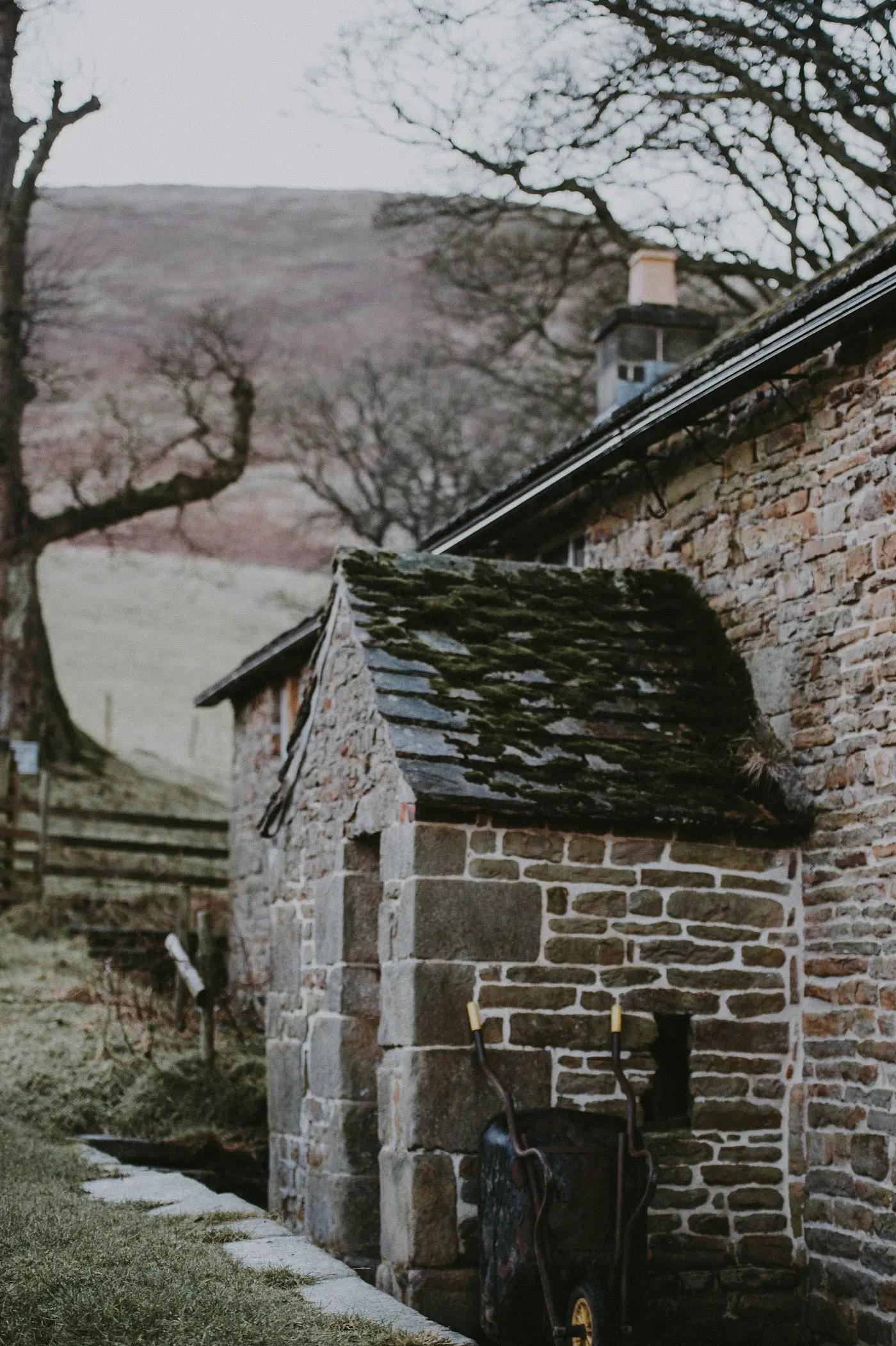
Why Yorkshire Needs Its Own Gardening Calendar
Pick up any national gardening magazine and the advice is calibrated for the English Midlands or the Home Counties: last frost in March, Chelsea chop in late May, roses fed in April. In Yorkshire, that timeline is wrong by weeks in most places and by a full month in some. The county spans more than 150 miles north to south and rises from sea level on the East Coast to over 700 metres on the Pennines. The result is five meaningfully different garden climates within a single county.
The Pennine west - from Holmfirth and Todmorden through to the upper Dales - receives some of the highest rainfall in England, with last frosts running to mid-May or later at altitude. The Vale of York, running from Doncaster north through York to Northallerton, has a continental edge: drier summers, colder winter nights, and heavy clay under most gardens. The North York Moors are exposed to north-easterly winds off the North Sea that chill spring growth well into April. The Yorkshire Dales are high, cool, and often frost-prone in low-lying valleys even in June. The East Coast from Scarborough to Bridlington and the Holderness plain is the mildest of the five zones in spring, warmed by the sea, though exposed to wind from the east.
Understanding which zone you are in lets you calibrate every date in this guide. Where there is meaningful variation, it is noted directly in the relevant month. For regular garden maintenance that accounts for your specific location, a professional who works in your area every week will already have this dialled in.
Yorkshire's five garden climate zones
- Pennine west (Calderdale, upper Calder, Colne valley, Aire valley uplands): High rainfall, later springs, last frost often mid-May at altitude
- Vale of York (York, Selby, Northallerton, Doncaster area): Clay-heavy, frost-prone hollows, drier summers than west
- North York Moors and coast (Whitby, Scarborough, Ryedale): North-easterly exposure, cool springs, but East Coast milder than inland
- Yorkshire Dales (Wharfedale, Swaledale, Wensleydale, Nidderdale): High ground, cold nights, frost in valley bottoms late into spring
- East Riding and Holderness (Hull, Beverley, Driffield, Bridlington): Milder springs, chalk Wolds drain fast; Holderness heavy clay
January
January is planning and preparation, not planting. Order seeds now before popular varieties sell out. Tidy any remaining dead stems if you did not cut back in autumn, but leave hollow stems where possible for overwintering insects. Check stored dahlias and tender bulbs for rot.
Stay off the lawn whenever it is wet or frozen. Every footstep on a saturated clay lawn compresses the soil further. January is damage-prevention month. If there is a rare dry period, you can mow on the highest setting if the grass has grown, but it rarely does in Yorkshire in January.
Formal hedges can be lightly trimmed in January if needed for shape, provided it is not frosty. Native hedges and berry-bearing species such as hawthorn and holly are best left untouched until February at the earliest, once birds have finished the berries.
Hard-prune wisteria now if you did not do the summer tidy cut. Cut back to two or three buds from the main framework. Prune apple and pear trees on frost-free days - the dormant season is the right time and the structure of the tree is clearly visible.
Yorkshire note: January is reliably cold across the whole county. The Vale of York regularly sees temperatures of -5C to -8C overnight in a hard January, with frost persisting on north-facing slopes. Pennine gardens above 200m may be under snow for days at a time. There is nothing wrong with your garden: it is dormant, not dead.
February
Snowdrops and hellebores are flowering. Cut back any remaining perennial stems before new growth appears at the base. Add a thick layer of compost mulch to borders on a dry, mild day before weeds get established. This is your best opportunity to suppress annual weeds before they germinate.
Still too cold and wet for most lawn work. If the lawn has been poached or marked by winter traffic, avoid further walking on wet areas. February can occasionally produce a mild dry spell - if it does and the grass is showing growth, a high cut at 5-6cm does no harm.
Late February is suitable for hard renovation cuts on overgrown beech, hornbeam, and hawthorn hedges. Cut one side hard back and let it recover for two years before tackling the other side. Do not attempt this on yew, which recovers slowly, or leylandii, which does not regenerate from old wood.
Plant bare-root roses, fruit trees, and hedging before mid-March while they are still dormant. Bare-root plants establish far better than container-grown at this time of year and cost significantly less. Sow sweet peas under glass this month for strong plants come May.
Yorkshire note: February is the critical month for bare-root planting. The window closes fast once temperatures rise. In the East Riding, mild sea influence means late February can occasionally feel like early spring; on the Pennines and Dales, winter extends firmly through the whole month.
March
Start sowing hardy annuals under cover: cosmos, antirrhinums, and French marigolds all benefit from an early start in a heated propagator or warm windowsill. Cut back ornamental grasses hard before new growth emerges from the base. Apply a balanced granular fertiliser to borders as growth resumes.
The first mow of the year, once the grass is actively growing and the soil is firm. In lower Yorkshire towns and the East Coast, this may arrive mid-March; in the Pennines and Dales, late March to April is more likely. Set the mower to its highest setting for the first two or three cuts. Apply lawn feed only if the soil temperature has reached 8-10C - you can check this with a soil thermometer for around £8.
Last chance for hard-cutting native hedges before nesting season, which runs from the end of March. Trim box and yew lightly for shape. Nesting season officially begins on 1 March in practical terms - check any hedge for active nests before cutting and do not disturb them.
Cut back buddleja hard now to a low framework - it flowers on new season's growth. Hard-prune dogwood (Cornus) grown for stem colour by coppicing to about 30cm above the ground. Prune roses by one third to an outward-facing bud once the worst frosts have passed. Divide and replant overgrown perennial clumps.
Yorkshire note: March is when national guides diverge sharply from Yorkshire reality. Do not plant out tender seedlings. Last frost in the Vale of York is typically mid-April; in the Pennines and Dales, mid-May. March is for preparation, not planting out.
April
Begin your weed control programme now, before annuals get established and perennial weeds like dock and bindweed put on significant top growth. Hoe on a dry, sunny day when weed seedlings will desiccate rather than re-root. Plant out hardy bedding - wallflowers, pansies, sweet Williams - which can tolerate light frost.
Apply spring lawn feed once soil temperatures are consistently above 8C and the grass is growing strongly. In a normal Yorkshire April this is typically mid-month for lower-lying gardens. Repair any bare patches left from winter: fork the area lightly, scatter seed at the pack rate, and water in if no rain is forecast. For precise lawn edging to redefine borders and beds after winter, April is the right month.
Nesting season is now fully underway. Do not trim any hedge where you can see or hear birds nesting. You can lightly clip the tips of fast-growing hedges such as privet and leylandii if there are clearly no nests present, but check carefully before any cut from April through July.
Plant container-grown shrubs, perennials, and hardy herbaceous plants. Divide hostas now before they unfurl, as the clumps are easy to see and handle. Start dahlia tubers into growth in pots under cover ready for planting out after the last frost. Sow hardy vegetable crops outdoors: lettuce, spinach, peas, and broad beans are all fine.
Yorkshire note: In the Vale of York, last frosts typically fall between mid-April and early May. In the Pennines, last frosts can run to mid-May at lower altitudes and into June on exposed ground above 300m. Wait until your local last-frost date before planting out any frost-tender seedlings - tomatoes, courgettes, dahlias, or half-hardy annuals.
May
The main planting month across most of Yorkshire once last frosts have passed. Plant out tomatoes, courgettes, cucumbers, and tender bedding after the last frost date for your area. Stake tall perennials and sweet peas before they need it rather than after they have flopped. Mulch borders generously - a 7-10cm layer of bark chip or compost retains moisture and suppresses weeds through summer.
Mow weekly now as grass growth peaks. Never cut more than one third off the height in a single mow. If you missed the April feed, apply it now. Treat moss chemically or mechanically if it is a significant problem. For detailed Yorkshire-specific advice, see the full guide to lawn care in Yorkshire.
Leylandii and fast-growing conifer hedges can have their first trim of the year from mid-May onwards. This controls the growth flush and keeps them manageable. Check for nesting birds before any cut. Box hedges can be lightly trimmed from late May to maintain shape.
Your borders and planting look their best from May onward when chosen well. Hardy geraniums, alliums, aquilegia, and camassia are all peaking now. Deadhead tulips once they finish but leave the foliage to die back naturally for six weeks to feed next year's bulbs.
Yorkshire note: In the Pennines (Colne Valley, upper Calder, Skipton area, Dales valleys), do not plant out frost-tender crops or bedding until after the bank holiday weekend at the earliest - and check the forecast before you do. Last frost to mid-May is common. Coastal East Yorkshire can often plant out two to three weeks earlier.
June
Peak flowering season. Deadhead repeat-flowering perennials and roses regularly to extend the display. Feed tomatoes and other fruiting crops with a potassium-rich liquid feed once the first fruits have set. Pinch out the growing tips of sweet peas weekly to encourage branching and more flowers. Keep on top of weeds before they set seed - one large dock or thistle going to seed creates thousands of problems for next year.
Keep mowing weekly at 4cm. In a dry June, raise the cutting height to 5-6cm to reduce stress on the grass. Begin to keep an eye out for patches going thin or yellow, which are early signs of compaction or grub damage. Yorkshire summers are rarely as dry as the south, so June browning is less common here than in the south, but it does occur in a dry year on clay.
Formal hedges such as privet, box, and hornbeam can have a tidy cut in late June to keep them looking sharp through summer. This also delays the need for the main August cut. Never cut during active nesting without checking first.
The "Chelsea chop" - cutting back later-flowering perennials by half in late May to early June - works well in Yorkshire to extend the flowering season and prevent plants from flopping. Works particularly well on heleniums, phlox, and sedums. Cut wisteria's long whippy shoots back to five or six leaves from the main framework to build flowering spurs for next year.
Yorkshire note: June can still bring cold, wet spells, especially in north-facing gardens in the Dales and on the Moors. If you are in a cold garden, do not despair - the season will come, just a couple of weeks later. The North York Moors and upper Dales regularly experience temperatures 3-5C cooler than the Vale of York on clear nights in June.
July
The second wave of perennials peaks: rudbeckia, helenium, echinacea, and late roses. Deadhead spent flowers consistently. Water newly planted shrubs and perennials in their first summer - established plants rarely need watering in Yorkshire summers unless there is a true drought. Collect seed from plants you want to propagate; many perennials set seed freely in July.
On Yorkshire clay, July is often when browning appears on lawns - the clay shrinks and cracks in dry weather, severing grass roots. Do not panic and do not water - the lawn is dormant, not dead, and will recover with September rains. Raise the mower height to 6cm if you have not already. Avoid walking on a brown lawn more than necessary.
Main hedge-trimming month for most formal hedges. Beech, hornbeam, privet, box, and photinia can all be trimmed now. Cut by mid-August to allow any regrowth to harden before the first autumn frosts. Professional hedge trimming in July and August typically costs £80-£250 depending on hedge length, height, and the need for waste removal.
Summer-prune trained apple and pear trees (espaliers, fans, cordons) by cutting this year's new side shoots back to three leaves from the base cluster. This improves light to the ripening fruit and builds the fruiting spur system. Remove any dead or crossing branches from cherry trees now rather than in winter, as summer pruning reduces disease entry risk.
Yorkshire note: The drier eastern parts of the county - the Vale of York, the Wolds, and the East Riding lowlands - are most likely to experience July lawn browning. Pennine gardens often stay greener longer, though the clay valleys of West Yorkshire are not exempt. If your lawn is predominantly clay, read our clay soil guide for summer management advice.
August
Late summer borders at their peak. Keep deadheading to extend the display. Start collecting seeds of annuals you want to save. Take cuttings of tender perennials such as osteospermum, pelargonium, and salvia to overwinter under cover. Begin to think about autumn planting - now is a good time to plant any spring bulbs (except tulips, which are best planted in November).
If the lawn has gone brown and dormant in a dry spell, do not feed it. Let it recover with the September rains. If it has stayed reasonably green, mow regularly and keep the height at 4-5cm. Book your autumn lawn care service now if you use a professional - September is peak demand for garden maintenance and good slots fill up quickly.
Complete formal hedge trimming by mid-August. This gives any new growth time to harden off before the first autumn frosts. Beech hedges trimmed in August retain their dead leaves through winter, which gives good privacy and wind protection. After mid-August, the risk of tender new growth being caught by early September frosts in upland Yorkshire increases.
Plant narcissus, allium, crocus, and other spring bulbs now if you can get them - earlier planting of these species gives them time to establish roots before winter. Avoid tulips, which are better planted from October to November after the soil has cooled, as planting too early can trigger fungal disease. Order any bare-root trees and shrubs now for November delivery.
Yorkshire note: August weather in Yorkshire is variable. The Pennine west often sees heavy rain in August as Atlantic fronts push through; the Vale of York may be genuinely dry. August frosts are extremely rare in Yorkshire but can occur on the highest ground of the Moors or Dales. Book autumn lawn care in August for September availability.
September
The autumn planting season begins. Plant spring bulbs, container-grown perennials, and shrubs from mid-September. The soil is still warm enough for good root establishment before winter, which gives plants a significant head start over spring planting. Begin cutting back tired perennials once they have been blackened by the first frosts, but leave any that provide seedheads for birds or are structurally attractive through winter.
The single most important lawn care month of the year in Yorkshire. Scarify to remove thatch and moss. Hollow-tine aerate - this is the most effective treatment on Yorkshire clay and makes a real difference year on year. Top-dress with a grit and compost mix, brushing it into the aeration holes. Overseed any bare or thin patches immediately after. For timing and detailed technique, the guide to lawn care in Yorkshire covers this in full.
Native hedges can be given a light tidy cut in late September before nesting season officially ends, provided you have checked for late-nesting birds. This is one of two trimming windows for species like hawthorn and blackthorn - the other is late winter, after the berries have been taken by wildlife. Do not trim after late October as new growth may be caught by early frosts.
Prune rambling roses after their summer flowering is fully over. Remove one in three of the oldest stems from the base to encourage new growth for next year. Do not prune shrub roses yet - wait until March. Cut back bedding plants as they go over and compost the material. Lift and store dahlia tubers after the first frost blackens the foliage.
Yorkshire note: The first frosts of autumn come earlier in Yorkshire than in the south. The Vale of York and lower Pennine valleys typically see first frosts between late September and mid-October. The Dales and higher Moors may see them in early September. Lift dahlias promptly after the first blackening frost and store tubers in a frost-free shed.
October
The main month for border renovation and organic matter addition on Yorkshire clay. Dig compost, well-rotted manure, or leaf mould into the top 20-30cm of borders while the soil is still workable. Leave the surface rough - winter frost breaks down clods better than you can by digging. Plant tulip bulbs from late October in a gritty compost, as late planting reduces the risk of tulip fire disease.
Reduce mowing frequency as growth slows. Keep cutting until growth genuinely stops - in a mild Yorkshire October this can continue to mid-month in lower areas. Apply an autumn lawn fertiliser, which is high in potassium to harden the grass for winter. Do not apply high-nitrogen spring feed in autumn as it stimulates soft growth that is vulnerable to frost and disease.
Carry out any remaining tidy cuts on formal hedges by mid-October. After this point, new growth stimulated by cutting is unlikely to harden before winter. If you have let a beech or hornbeam hedge get out of shape, a proper renovation cut is better done next February when you can see the structure clearly. Clear hedge cuttings and debris from borders to prevent slug and vine weevil habitat.
October is the ideal month for a full garden clearance before winter sets in. Remove spent annuals, compost or dispose of diseased material, clear paths and patios, and pressure wash hard surfaces before algae establish. Professional pressure washing of patios and paths in October is far more effective than in spring when green algae is already thick.
Yorkshire note: October is wet across most of Yorkshire, particularly the Pennine west. If borders are waterlogged, do not attempt to dig clay - wait for a drier spell. Even in the Vale of York, October can see prolonged wet weather that makes border work counterproductive on heavy clay. Prioritise lawn care and path maintenance if borders are saturated.
November
Bare-root planting season opens properly now. Roses, fruit trees, hedging plants, and ornamental shrubs bought bare-root in November establish significantly better than container-grown plants bought in spring and cost considerably less. Plant bare-root roses in November or December, firming them in well and mulching the base with compost. Order any trees or shrubs you want for the year ahead now.
Mowing is largely over by late November in Yorkshire. Give the last cut of the year at 4-5cm in a dry spell - never mow wet grass on clay. Avoid all unnecessary foot traffic on the lawn from now through March. Apply leaf blowing or raking if leaves are lying thick; heavy leaf cover over winter kills grass patches as reliably as drought in summer.
Nesting season has fully ended. Native hedges - hawthorn, blackthorn, hazel, field maple - can be cut or coppiced from late November onwards. This is the other main window for native hedge management. Formative pruning of newly planted hedging is best done now to build good structure from the start rather than trying to correct shape in later years.
Cut back perennial stems fully now if you have not already done so, unless you are leaving them for winter structure or wildlife. Mulch the crowns of tender perennials such as penstemons and salvia with a thick layer of straw or bark chip to protect from hard frosts. Insulate any outdoor containers against freezing, as roots in pots freeze solid much faster than roots in the ground.
Yorkshire note: November frosts are hard and reliable across all of Yorkshire. The Vale of York regularly dips to -5C or below in still, clear November nights. Protect any remaining tender plants immediately. Pennine gardens at altitude will see early November frosts that are genuinely damaging - do not leave anything tender in the ground past the end of October at height.
December
December is largely rest and review. Browse seed catalogues and plan next year's borders. A clear, cold December day is good for tidying the shed, sharpening tools, and oiling any wooden handles. Check stored dahlias and tender bulbs for rot, removing any affected tubers before they spread to healthy ones. Order bare-root plants if you have not already done so for January or February delivery.
Stay off it. In December Yorkshire lawns are typically frozen or saturated, and each footstep creates compaction that takes months to recover from. If you need to cross the lawn, lay temporary stepping stones or a board path to spread the weight. Keep an eye out for waterlogging that persists for more than 48 hours, which may indicate a drainage problem worth addressing the following September.
Bare-root native hedging plants are available from specialist nurseries at their best value in December and January, and planting now gives the strongest establishment results. A 1-metre mixed native hedge (hawthorn, blackthorn, hazel, field maple, rose) planted in December will be more established by next summer than a container hedge planted in spring at three times the price.
Prune fruit trees on frost-free days through December, January, and February - any dormant day when you can get into the garden comfortably works. Apple and pear trees are best pruned in the dormant season for disease control. Remove dead, damaged, and crossing branches first, then open up the centre for light. Leave plums, cherries, and other stone fruit until April to reduce silver leaf disease risk.
Yorkshire note: Christmas week in Yorkshire can produce anything from mild, damp weather to hard freezes and snow, depending on the year. There is nothing useful to do in most gardens until January has passed. The best use of December is planning: what worked this year, what you want to change, what you want to try. The garden will be ready when spring arrives.
Quick Reference: Yorkshire Garden Calendar
| Month | Key lawn job | Key garden job | Hedge ok? |
|---|---|---|---|
| Jan | Stay off it | Plan, order seeds | Light formal trim only |
| Feb | Stay off if wet | Bare-root planting | Renovation cuts OK |
| Mar | First mow (high setting) | Prune roses, buddleja | Check for nests first |
| Apr | Feed, lawn edging | Weed control, hardy planting | Nesting season - check first |
| May | Mow weekly | Plant out after last frost | Leylandii from mid-May |
| Jun | Mow weekly at 4cm | Deadhead, weed, mulch | Late June tidy cut |
| Jul | Raise height if dry | Summer prune fruit trees | Main trim month |
| Aug | Book autumn lawn care | Plant spring bulbs (not tulips) | Complete by mid-August |
| Sep | Scarify, aerate, overseed | Autumn planting begins | Light tidy, check for nests |
| Oct | Autumn feed, reduce mowing | Dig borders, plant tulips | Complete by mid-October |
| Nov | Last cut, stay off when wet | Bare-root planting opens | Native hedges OK now |
| Dec | Stay off it | Plan, prune fruit trees | Native hedging, planting |
How Much Does Professional Seasonal Garden Help Cost?
If you want to hand off some or all of the monthly calendar to a professional, the costs are reasonable for the time and equipment involved. For a full breakdown, see our guide to how much a gardener costs in the UK. The key seasonal services and typical 2026 prices for a medium Yorkshire garden:
- Annual garden maintenance contract (fortnightly visits): typically £900-£1,800 per year depending on garden size and scope
- Autumn lawn service (scarify, hollow-tine aerate, top-dress, overseed): £180-£350
- Hedge cutting (per session): £80-£250 depending on hedge length and height
- Spring or autumn garden clearance: £150-£400
- Lawn edging (reshaping borders): £40-£120
- Pressure washing (patio or path): £80-£200
- Weed control (one-off treatment): £60-£150
Most Yorkshire homeowners find the best value in a regular garden maintenance arrangement that covers the seasonal programme, rather than booking individual jobs ad hoc. Regularity means problems are caught early - a hedge trimmed twice a year stays manageable; one trimmed every two or three years becomes a major job. The same applies to weed control: early intervention costs a fraction of clearing an established weed problem.
Not doing it yourself this year?
Fill in the assessment form and we put your enquiry in front of a local Yorkshire gardener who knows your area and your season.
Start your free assessment →Frequently Asked Questions
When is the last frost in Yorkshire?
It depends where in Yorkshire you are. In the Vale of York, the last air frost is typically mid-April, though late outliers to early May are not unusual. In the Pennine valleys of West Yorkshire and the upland areas of the Dales and North Moors, last frosts can run to mid-May or even late May at higher elevations. The East Coast is often milder in spring due to the sea's thermal influence, with last frosts typically in late March to early April. Always check a 10-day forecast before planting frost-tender seedlings out and watch local low-lying frost hollows, which can experience frosts two to three weeks after surrounding higher ground has cleared.
When should I start mowing my lawn in Yorkshire?
Start mowing when the grass is actively growing and the soil is firm enough not to be marked by the mower wheels. In the Vale of York and lower towns, this is typically late March. In the Pennines and higher ground, it is more likely April. The key test is whether the grass has grown noticeably in the last week; if it has, it is ready to mow. Set the cutting height to 5cm or higher for the first mows of the year. Never mow wet grass on clay soil, as the wheels compact the surface and the clippings clump.
When is the best time to trim hedges in Yorkshire?
For most formal hedges such as beech, privet, and box, the main trim is in late July to mid-August, after the first flush of growth has hardened and before new autumn growth starts. A second light tidy-up in October keeps hedges looking neat through winter. Avoid trimming in nesting season, which runs from March through to the end of July for most species. Professional hedge cutting in the July-August window is the most common seasonal service booked on this site.
When should I feed my lawn in Yorkshire?
Apply a spring lawn feed in April or early May, once the grass is actively growing and soil temperatures have risen. In the Pennines and northern parts of the county, wait until May to avoid feeding a lawn that cannot yet use the nutrients effectively. Use a high-nitrogen spring and summer formulation from April through August, then switch to a low-nitrogen, high-potassium autumn feed in September or October to harden the grass before winter. Never feed a lawn in frosty conditions or during drought.
Can I plant bare-root plants in Yorkshire in spring?
Bare-root planting season runs from November through to mid-March across most of Yorkshire. After mid-March, bare-root plants begin to break dormancy and transplanting success rates drop sharply. In mild coastal areas of East Yorkshire, you may push this to late March. In the Pennines, where soils stay cold later, bare-root planting can continue into early April in some years if the ground has not yet dried out. If you miss the bare-root window, switch to container-grown plants.
What garden jobs should I do in autumn in Yorkshire?
Autumn is the most productive season for Yorkshire gardens. In September, scarify and hollow-tine aerate your lawn, then top-dress and overseed any bare patches. In October, dig organic matter into borders, plant spring bulbs, and lift dahlias before the first hard frosts. November is ideal for planting bare-root trees, shrubs, and roses, and for cutting back perennials after the first frosts blacken them. A garden clearance in October or November removes dead material before it harbours pests and diseases over winter. For patios and paths, pressure washing in October is more effective than waiting until spring.
How is Yorkshire's climate different from the national average for gardening?
Yorkshire is significantly cooler and wetter than southern England, and more internally varied than most national guides account for. The Pennine west is consistently wetter than average, often receiving twice the annual rainfall of the drier East Coast. Last frosts in upland areas run three to four weeks later than in the London area. Springs are later, meaning tender planting dates advised in national guides are typically too early for Yorkshire by two to four weeks. On the positive side, Yorkshire summers are rarely as dry or as hot as the south, meaning lawns stay greener for longer and drought stress is less severe except in the driest Vale of York years.
Related Guides
- Lawn Care in Yorkshire: A Full Seasonal Guide
- Winter Garden Care in Yorkshire: What to Do November to February
- Clay Soil Gardening in Yorkshire: The Complete Guide
- How Much Does a Gardener Cost in the UK? (2026)
- Garden Maintenance Services
- Borders and Planting Services
- Hedge Trimming Services
- Lawn Edging Services
- Weed Control Services
- Garden Clearance Services
- Pressure Washing Services