Garden design · Boston Spa, West Yorkshire
Boston Spa garden design and landscaping.
Boston Spa sits on Magnesian Limestone loam in the Wharfe valley, and that soil is the best growing ground in West Yorkshire. Well-drained, alkaline, and genuinely fertile, it rewards ambition. Premium Wharfe valley village, commuter belt for both Leeds and York. Local designers and landscapers quote you directly. Design from £500.
- Free initial estimates
- Local designers who quote directly
- Design from £500
- No call centres
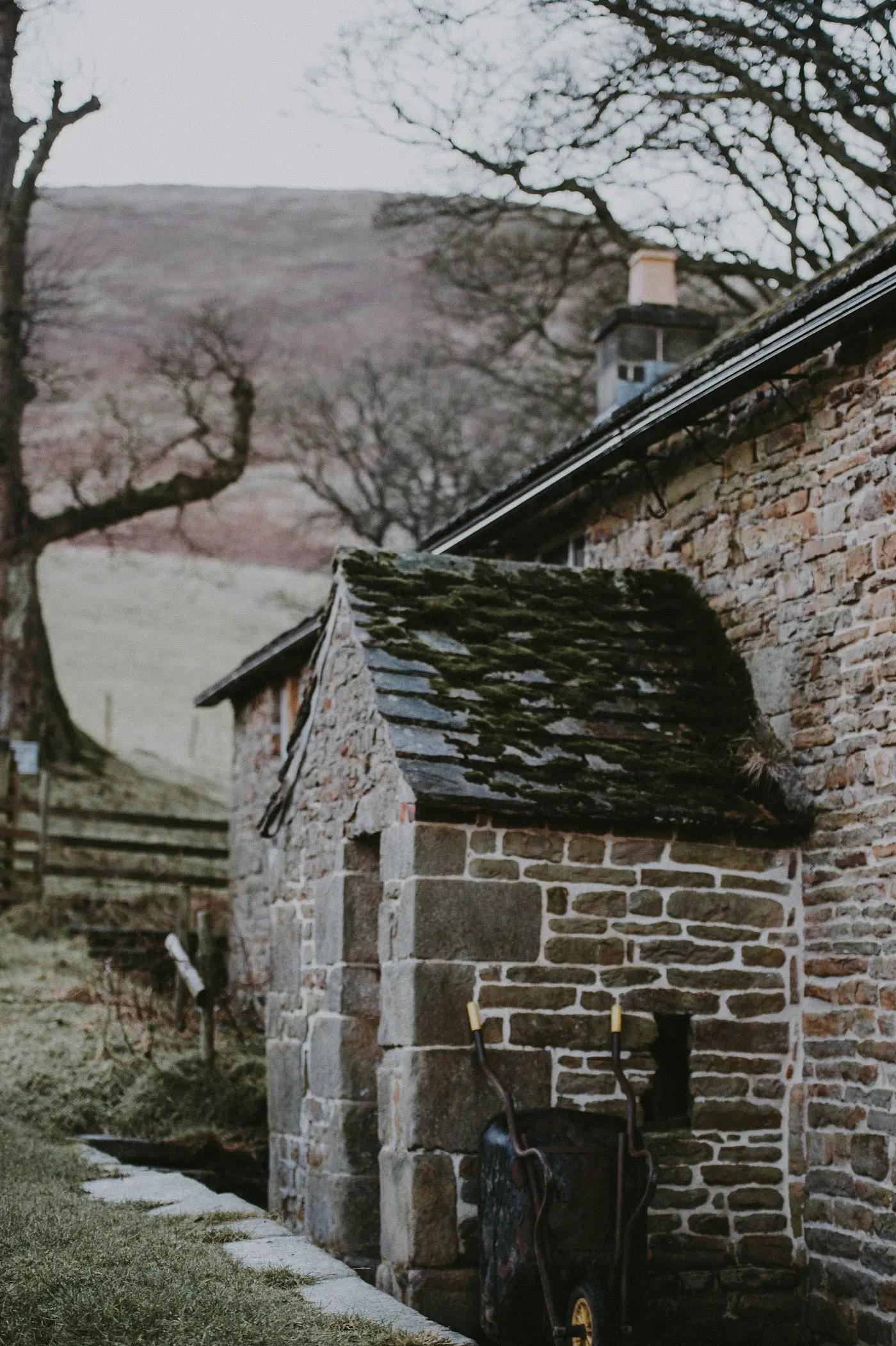
What garden design looks like in Boston Spa
Boston Spa LS23 is genuinely one of the more rewarding places to garden in West Yorkshire, and the reason is geological. The village sits on the Magnesian Limestone belt that runs north-south through this part of Yorkshire, and the loam it produces is alkaline, free-draining, and rich in calcium. That means plants establish quickly, drainage is rarely a problem, and the soil structure improves significantly with routine mulching over time. If you have been told that Yorkshire is a difficult place to garden, Boston Spa is the exception that disproves the rule.
The Wharfe valley setting adds a further dimension. The river provides shelter from the hardest north and east winds, the valley floor is relatively frost-free compared with surrounding higher ground, and the tree cover on the valley sides creates a sense of enclosure that many gardens elsewhere in West Yorkshire lack. Properties on the valley lip above the river get the views; properties lower down get more shelter and gentler conditions. Both are excellent garden-design territory.
As a Leeds and York commuter village, Boston Spa has strong property values and a homeowner population that invests seriously in its homes. Garden expectations here are at the upper end: well-considered planting, good quality hard landscaping in natural materials, and designs that hold their structure across all four seasons are the standard. This is not a market for budget makeovers; it is a market for considered, durable, sophisticated garden design by people who understand the local conditions.
For ongoing maintenance support once your design is planted, the local gardeners in Boston Spa page covers what to look for in this area. For the wider garden design service overview across Yorkshire, that page gives the broader context.
Costs and process for garden design in Boston Spa
A planting plan for a Boston Spa garden runs £400-900. Full design with project management, where the designer coordinates contractors, sources plants, and oversees the whole project, runs £900-3,500 or more depending on scope. Large-scale builds with extensive hard landscaping on a generous plot can run considerably higher. Full builds including paving, walling, and planting typically cost £7,000-20,000+ for a mid-to-large site.
The premium soil means less money goes on soil preparation and remediation than in clay-heavy areas like inner Hull or Doncaster's Coal Measures. The investment goes into quality design and quality materials, which is where it should go in a village that has the property context to support it.
Designers quote you directly after a site visit. There are no intermediary fees, no subscription costs, no call centres. For more detail on what Yorkshire designers typically charge and how fees are structured, the Yorkshire garden designer cost guide covers the main variables.
Get your Boston Spa garden sorted this season.
Tell us about your plot, your brief, and your budget. A local designer comes back with a real figure. No call centres, no subscriptions. Design from £500.
Start your free estimateThe full local guide
Boston Spa soil: the Magnesian Limestone advantage
The Magnesian Limestone loam at LS23 is as good as it gets in West Yorkshire. The pH sits around 7.2-7.8, which is alkaline but not so extreme as to cause significant nutrient lock-up for most plants. Drainage is excellent, which means the soil warms up early in spring, getting the growing season started ahead of clay-heavy gardens nearby. The loam holds structure well, meaning it does not cap or crack in dry summers the way that heavy clay does, and it takes organic matter readily so a consistent mulching programme builds a richer, deeper profile year on year.
What does this mean in practice? Roses perform brilliantly in Boston Spa. So do alliums, salvias, peonies, and most perennials that need good drainage. Clematis, which love alkaline soils, are vigorous climbers in LS23 gardens. Structural hedging in yew or box establishes well and holds shape reliably. The growing window is longer than at altitude, and the valley setting takes the edge off the worst spring frosts.
The one constraint worth planning around is that acid-loving plants simply will not thrive here without significant soil acidification work, which is expensive to maintain and ultimately counterproductive. Rhododendrons, azaleas, pieris, and most heathers belong in gardens further west where the gritstone runs. In Boston Spa, the soil steers you toward Mediterranean and prairie planting, traditional English cottage designs, and formal structured gardens with clipped evergreens, and all of those approaches work exceptionally well.
For a comparison with conditions at neighbouring Wetherby, see garden design in Wetherby. Conditions are very similar, and designers covering Wetherby also cover Boston Spa and the Clifford area.
What gets designed in Boston Spa gardens
Formal and structured designs for period properties
Boston Spa has a significant stock of Georgian, Victorian, and Edwardian properties with generous plots. The period character calls for a formal approach: clipped yew or box hedging to create structure, pleached hornbeam or lime for screening or overhead canopy, rose borders anchored by evergreen structure, and a lawn that functions as the central room of the garden. The limestone soil suits all of these elements. Formal gardens are among the most technically demanding to maintain at a high level, which is where a good designer earns the fee: getting the proportions, paths, and structure right at the outset means the garden matures into something that gets better every year rather than something that needs constant correction.
Contemporary family gardens
Boston Spa also has executive new-build properties and substantial detached houses where the brief is modern: a generous paved terrace for outdoor dining, a lawn that children can use, planting beds that give colour and structure without high maintenance, and good lighting for evenings. The limestone soil is forgiving for this type of garden because it drains well and does not compact heavily under foot traffic. Natural stone paving in Yorkstone or limestone sets the tone and sits well against the village's character. Structural perennials and ornamental grasses fill the beds without demanding constant intervention.
Kitchen and productive gardens
The Magnesian Limestone loam is also excellent for growing vegetables and fruit. Raised beds in a Boston Spa garden have a head start on raised beds in clay-heavy areas because the underlying drainage means the soil temperature rises faster in spring, germination is more reliable, and brassicas do not suffer the waterlogging problems that persist in poorly drained clay. An integrated kitchen garden with raised beds, a soft fruit section, and a cutting flower border is a popular brief for Boston Spa families who want the garden to be productive as well as beautiful.
Garden restoration and replanting
Many Boston Spa properties have mature gardens that have been well-tended but have drifted out of shape over decades. Overgrown hedges, ageing structural shrubs, borders that have become congested, and lawns that need renovation are all common starting points. A restoration project is often the most cost-effective route to a transformed garden because the underlying structure, and sometimes valuable mature planting, is already there. A good designer will identify what is worth keeping, what needs editing, and what needs replacing, producing a programme that can be implemented in phases over one or two seasons.
Design styles that suit Boston Spa
The village character, the Wharfe valley setting, and the limestone soil all point toward the same design register: quality, restraint, and a clear sense of season. Prairie and naturalistic planting works well in Boston Spa gardens because the free-draining soil closely approximates the steppe and meadow conditions that those planting styles originate from. Late-season perennials like echinacea, penstemon, agapanthus, and salvias are reliable and long-flowering in the alkaline loam.
The traditional English country garden is also very much at home here. Roses, clematis, alliums, peonies, and hardy geraniums in deep borders with clipped evergreen structure between them is a design vocabulary that has been developed for exactly the soil type Boston Spa has. Done well, this is a timeless approach that suits the period properties beautifully.
Contemporary minimalist gardens in natural limestone and Yorkstone work well against the village's building palette. Gravel with architectural planting, structural ornamental grasses, and clean-lined terraces are increasingly popular with owners of newer properties who want a garden that photographs well and stays manageable. For a wider range of approaches across Yorkshire, the Yorkshire garden design ideas blog covers everything from coastal to moorland to urban schemes.
Cost guide for Boston Spa garden design
These ranges reflect typical Boston Spa investment levels. The combination of good soil, strong property values, and high quality expectations means this is one of the better-value garden design territories in West Yorkshire: the soil does not fight you, so your money goes into design quality and materials rather than remediation.
| Service | Typical cost | What it includes |
|---|---|---|
| Initial consultation | Free to £75-150 | Site visit, brief discussion, outline proposal. |
| Planting plan only | £400-900 | Scaled scheme, plant list, spacings. You implement. |
| Full design with project management | £900-3,500+ | Design, contractor coordination, planting oversight. |
| Natural stone terrace (per sqm, supply and fit) | £100-180 | Yorkstone or limestone, mortar-set on concrete base. |
| Yew or box hedging (per metre, planted) | £40-90 | Plants, soil preparation, initial aftercare. |
| Full garden redesign (50-120 sqm) | £7,000-20,000+ | Clearance, hard landscaping, planting, establishment. |
| Kitchen garden with raised beds | £800-2,500 | 2-4 beds, improved soil, initial planting plan. |
For a detailed breakdown of how Yorkshire garden design costs vary by project type and region, the gardening cost guide covers the main variables.
What plants thrive in Boston Spa's limestone loam
The alkaline, well-drained limestone loam at LS23 suits a large proportion of the plants used in British garden design. Here is a practical guide to what performs especially well:
- Roses: Almost any variety does well. Shrub roses (Rosa 'Geranium', 'Munstead Wood', 'Olivia Rose'), climbing roses on walls and fences, and hybrid teas all benefit from the free-draining, calcium-rich soil. Boston Spa rose gardens are among the best in West Yorkshire.
- Perennials: Salvia nemorosa and caradonna for long-season colour, geranium Rozanne and Patricia for ground cover, penstemon for late summer, echinacea and rudbeckia for autumn. Alliums for late spring. Peonies for early summer drama.
- Climbers: Clematis in all groups thrive in alkaline soil. Wisteria establishes well. Roses as described above.
- Grasses: Stipa tenuissima, Calamagrostis x acutiflora, Deschampsia cespitosa, Miscanthus sinensis varieties.
- Hedging and structure: Yew, box, hornbeam, beech, native hawthorn and field maple for rural-character boundaries.
- Spring bulbs: Narcissus, tulips, alliums, camassia, camassias establish reliably in free-draining loam.
A local designer will assess your specific plot, aspect, and existing planting before recommending a scheme. See the garden maintenance service for support once your planting is established.
Process: what to expect from a Boston Spa garden designer
- Initial brief. You describe your garden, what you want from it, and your budget. Good photos of the existing plot, your boundaries, and any mature plants help considerably.
- Site visit. The designer checks soil condition, drainage, aspect, existing planting worth keeping, and the character of the property. Site visits are normally free or included in the design fee.
- Proposal and costings. You receive a scaled planting plan with plant list, quantities, spacings, and indicative build costs. This is your decision point before any commitment to a full project.
- Phasing if needed. Large projects are often phased over two seasons: hard landscaping in autumn-winter, planting the following spring. Phasing spreads cost and allows each element to settle before the next stage begins.
- Installation and establishment. The designer sources plants, oversees installation, and provides aftercare advice for the first growing season. In Boston Spa's free-draining soil, consistent watering in the first summer after planting is more critical than in wetter, clay-heavy areas.
Frequently asked questions about garden design in Boston Spa
What soil does my Boston Spa garden have?
Boston Spa LS23 sits on Magnesian Limestone, producing some of the best growing loam in West Yorkshire. Alkaline (pH 7.2-7.8), free-draining, and well-structured. Topsoil is typically 30-50cm deep on flat ground, giving good rooting depth for most plants. Annual mulching improves the profile further each year. The main limitation is that acid-loving plants will struggle, but that is a narrow constraint in otherwise excellent growing conditions.
How much does garden design cost in Boston Spa?
A planting plan typically costs £400-900. Full design with project management runs £900-3,500+. Full builds run £7,000-20,000+ for a mid-to-large plot. The good soil means less money goes on remediation, so your budget goes further on design quality and materials. Designers quote directly. See our Yorkshire garden designer cost guide for ranges across the county.
What plants do particularly well in Boston Spa's limestone soil?
Roses are exceptional here. So are salvias, alliums, peonies, clematis, lavender, and most Mediterranean and prairie perennials. Yew and box hedging establishes strongly. Avoid acid-loving plants: rhododendrons, azaleas, camellia, and most heathers. Almost everything else can be made to work in LS23's alkaline, free-draining loam.
Can a designer help me with a Boston Spa walled garden or period property?
Yes. Boston Spa has many period properties with established structure worth preserving. A good designer surveys what is worth keeping, edits what is overgrown, and designs around the character of the property. Walled sections can become kitchen gardens, cutting gardens, or structured ornamental spaces. Working with an established garden costs less and produces better results than starting from scratch.
How does Boston Spa compare to Wetherby for garden design work?
Very similar soil and conditions. Boston Spa tends toward larger period plots with more established structure; Wetherby has more variety across property types. The same designers cover both, and both are premium West Yorkshire garden design territory.
Related services
Once your design is planted, regular garden maintenance keeps it in peak condition through the growing season. For overgrown or neglected plots needing clearance before design work starts, see our garden clearance service. For established hedging, see hedge trimming in West Yorkshire.
Related: Find a gardener in Boston Spa
Areas near Boston Spa we also cover
We cover garden design across the Wharfe valley and surrounding area. For nearby Wetherby, see garden design in Wetherby. For Tadcaster, see Tadcaster garden design. The garden design service page lists all West and North Yorkshire towns covered.