Garden design · Castleford
Garden design across Castleford, Whitwood, Glasshoughton, Airedale, Kippax. Aire Valley location with better-drained ground than the surrounding claylands. Established post-war semi gardens and newer Glasshoughton developments. Local designers who quote directly, free initial estimates, design from £500.
Castleford sits on the floor of the Aire Valley and the soil reflects that geography. The valley bottom land has better drainage than the surrounding claylands — the Aire corridor has enough sand and silt in the mix to make the ground more workable than the pure Coal Measures clay of the upland districts. If your lawn has been fighting moss and compaction, you're on better ground than many surrounding areas, and proper spring scarifying and aerating will produce noticeable results within a season. This is an advantage worth recognising when planning garden design work — the baseline soil quality gives you more options.
The housing stock here is predominantly post-war semi-detached — solid brick construction with gardens that have had decades to mature. These are not starter plots; the lawns and boundaries have had time to establish properly and most gardens respond well to consistent care. The newer developments on the western Glasshoughton edge have shallower topsoil on ground that was previously industrial in character, and those gardens need different establishment work to perform well. Check the Castleford lawn care page for context on what the Aire Valley soil needs and how it behaves through a typical West Yorkshire growing season.
Most Castleford design enquiries land in two categories: replanting or refreshing established post-war gardens where the structure is good but the planting needs updating, and first-garden work on the newer Glasshoughton estates where the brief is creating something proper from builder's turf and compacted subsoil. Both have different costs and timelines, but they both benefit from the better drainage and workability of the Aire Valley ground.
Design fees are separate from build and planting costs. The ranges below reflect what designers across Yorkshire typically charge. Most quote a fixed fee after seeing the site.
| Service | Typical range |
|---|---|
| Initial consultation | Free to £75–150 |
| Planting plan only | £300–800 |
| Planting plan + implementation | £600–1,500 |
| Full design and project management | £800–3,000+ |
| Border replant (up to 10 sqm) | £150–400 |
| Full garden makeover (50–100 sqm) | £5,000–15,000+ |
Hard landscaping (patios, walls, fencing) is quoted separately and depends on materials and scale. A mid-size patio or retaining wall typically runs £2,000–£12,000. Plants are either trade-priced through the designer or you source them directly — most designers are flexible depending on your budget and involvement preference.
Free initial estimate from a Castleford-area designer. We connect you with local professionals who quote directly.
The full local guide
The post-war semi gardens through Castleford and Whitwood have decades of structure — established lawns, mature hedging, and layouts that work. The design brief is usually refreshing the planting, replanting tired borders, updating hedge boundaries that have grown beyond their intended scale, and bringing the space up to a standard that matches how the homeowner wants to use it. Budget £3,000–£8,000 for a comprehensive refresh on an established plot where the bones are good.
The newer estates on the western edge started as builder's finish on ground that was previously industrial. First-garden work here includes lawn establishment on thin topsoil, raised beds, structural planting to give definition, and boundary work. Getting the soil properly worked in the first year or two — aerating, top-dressing, overseeding — produces lawns that perform reliably through summer rather than burning off by July on thin compacted subsoil. Budget £5,000–£10,000 for a comprehensive first-garden on a standard new-build plot.
Many of the established post-war gardens have privet and laurel hedges that have grown taller and wider than they were originally intended to be. A structural reduction over one or two visits gets them back to a sensible scale before routine maintenance cuts become straightforward. Border replants on the established gardens respond quickly to the Aire Valley growing conditions once the old stock is cleared and fresh planting is installed. Budget £1,500–£4,000 for comprehensive hedge reduction and border replants on a typical semi-detached plot.
The newer properties by the Aire have courtyard gardens that want a different brief from the suburban semis. Practical paved surfaces, raised beds, contemporary planting, and designs that maximise usable space on compact plots. These are £2,000–£5,000 projects where the design needs to deliver function and visual interest on limited square metres.
Even on the better-drained Aire Valley ground, north-facing shaded lawns develop moss problems if they're not properly maintained. Spring clearance, scarifying, aerating and overseeding consistently applied produces lawns that hold their colour and density through summer. A designer proposing a lawn plan should be factoring annual maintenance into the long-term scheme, not just selling you turf that will need rescue work within two seasons.
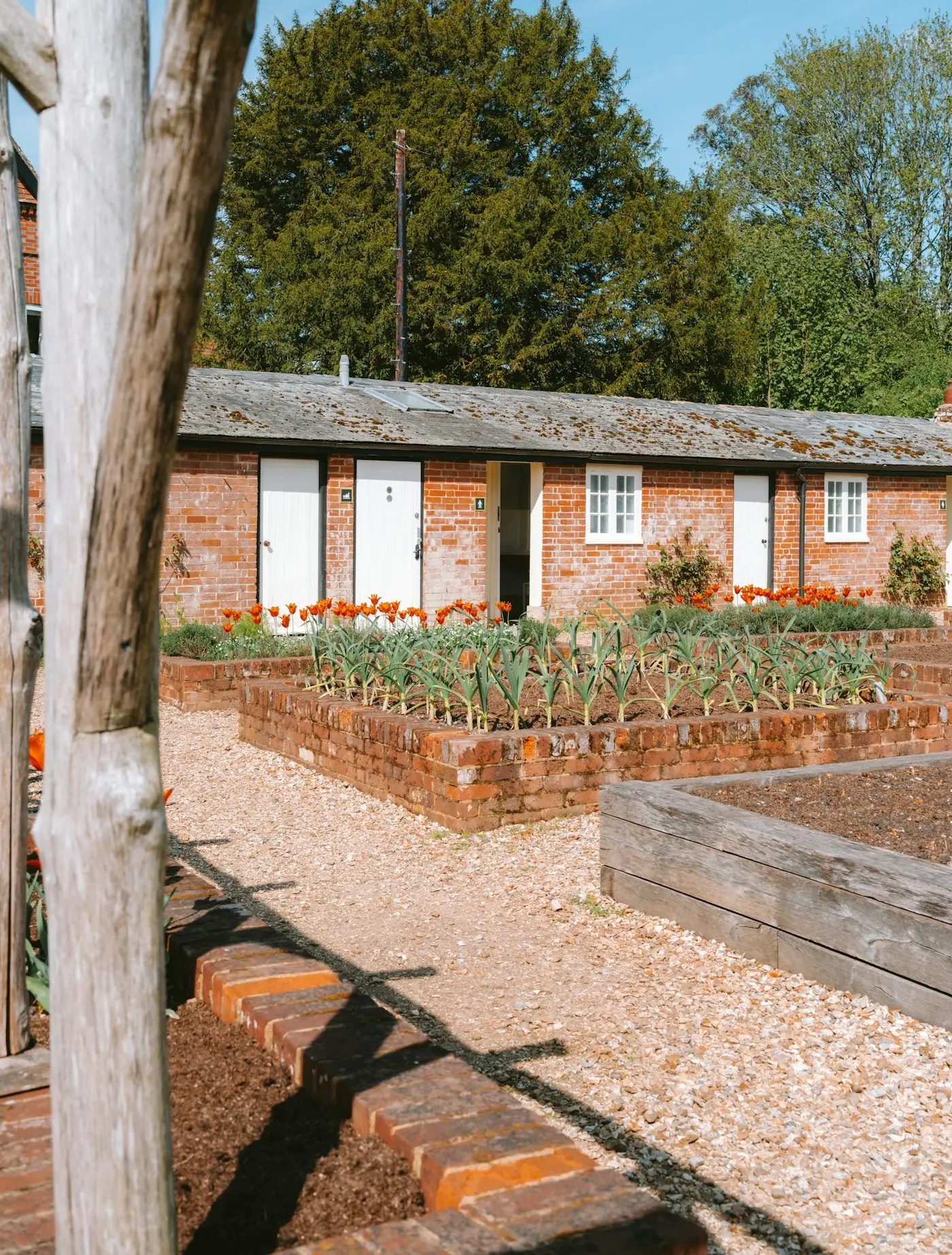
The Aire Valley growing conditions with better-drained ground than the pure claylands mean a wide planting palette works well here. Herbaceous perennials, shrub roses, hardy geraniums, salvias, ornamental grasses, catmint, and structural hedging (beech, hornbeam, privet) all perform well on the established post-war gardens. The valley-floor microclimate is more sheltered than exposed hillside locations, and the soil workability gives you planting versatility once it's properly cared for.
The newer Glasshoughton estates on shallower topsoil need tougher initial planting that establishes quickly on less-than-ideal ground. Hardy perennials that tolerate some drought stress, ornamental grasses that don't need deep roots, and shrubs that establish within a season or two are the right first choices. As the topsoil builds and improves, the planting palette expands.
The waterfront Aire corridor properties have a slightly more humid microclimate that suits moisture-tolerant planting — hostas, ferns, astilbes on the shadier plots. The riverside setting gives you planting options that wouldn't suit drier, more exposed locations.
We connect homeowners across Castleford WF10 with local garden designers who quote directly for your project. There's no middleman fee added on the customer side — you get a direct estimate from the designer, and you decide whether to proceed. The initial estimate is free with most designers. They visit, assess the site, and provide a costed proposal. If you want to explore what a redesign would look like on your plot, the first conversation costs nothing and gives you a realistic picture of scope, cost and timing. See the garden makeover cost guide for broader context on what full redesigns typically involve.
What soil does my Castleford garden have?
Castleford sits on the Aire Valley floor with better-drained ground than the pure Coal Measures clay of the surrounding uplands. The valley bottom has enough sand and silt in the mix to make the soil more workable and more forgiving. The newer Glasshoughton estates have shallower topsoil on previously industrial ground, which needs more establishment work. A designer should assess your specific plot, but the baseline Aire Valley soil quality is better than many surrounding areas — an advantage worth using.
How long does a garden redesign take in Castleford?
A planting-plan-only project can be turned around in 2–4 weeks depending on the designer's workload. A full redesign with hard landscaping and comprehensive planting typically takes 6–12 weeks from initial brief to installation, often phased to match spring or autumn planting windows. Established garden refreshes can be quicker than starting from scratch on new-build plots — the existing structure speeds up the timeline.
Do I need a full design or just a planting plan for my post-war Castleford garden?
If your layout is fine but the borders need replanting or the hedges need reduction, a planting plan (£300–800) is usually sufficient. If you want to change the layout, add hard landscaping, or redesign the space from scratch, a full design (£800–3,000+) with project management makes sense. Most established Castleford post-war gardens have good bones — the brief is often refreshing what's there rather than starting over.
What does a designer charge separately from the build cost?
The designer's fee covers the design, drawings, planting plan, and project management. The build cost covers materials, labour, plants, and installation. Most designers quote both separately so you can see what you're paying for design work versus physical implementation. Some bundle it as a single project fee; others prefer to separate it so you can phase the work if budget requires.
How do you establish a lawn on thin Glasshoughton topsoil?
Getting the soil properly worked in the first season or two makes the difference. Aerating to break up compaction, top-dressing with good quality topsoil or compost to build depth, feeding consistently, and overseeding with decent seed produces lawns that perform reliably. Thin compacted subsoil that gets mown but never improved produces lawns that struggle every summer. A designer should be factoring soil improvement into the first-garden plan, not just laying turf and walking away.
What's involved in refreshing an established Castleford post-war garden?
The established post-war semis have good structure — mature lawns, established hedging, layouts that work. The refresh brief is usually replanting tired borders, reducing hedges that have grown beyond their intended scale, updating hard landscaping where needed, and bringing the planting scheme up to a standard that matches how you use the space. This is typically a £3,000–£8,000 project where the bones are good and the work is targeted rather than starting from bare ground.
When is the best time to start a garden redesign in Castleford?
Planting is best in spring (March–May) or autumn (September–November) when the ground is workable and plants establish well. Hard landscaping can be done year-round in dry weather. Most designers take bookings in January and February for spring installation, or in June and July for autumn planting. If you want the work done in a specific season, start the conversation 8–12 weeks before that window.
Garden design coverage across West Yorkshire and surrounding towns:
Surrounding areas including Whitwood, Glasshoughton, Airedale, Kippax, Normanton.
For general garden maintenance, lawn care, and year-round gardening services in Castleford, visit our local gardeners in Castleford page.