Yorkshire Lawn & Garden

Garden design · Deepcar

Deepcar garden design and landscaping.

Garden design across Deepcar, Stocksbridge, Wharncliffe Side, Oughtibridge and the Upper Don valley S36 corridor. Planting plans, full redesigns, and hard landscaping on Millstone Grit terrain in one of South Yorkshire's more exposed garden environments. Local designers who quote directly, free initial estimates, design from £500.

  • Free initial estimates
  • Local designers who quote directly
  • Design from £500
  • No call centres
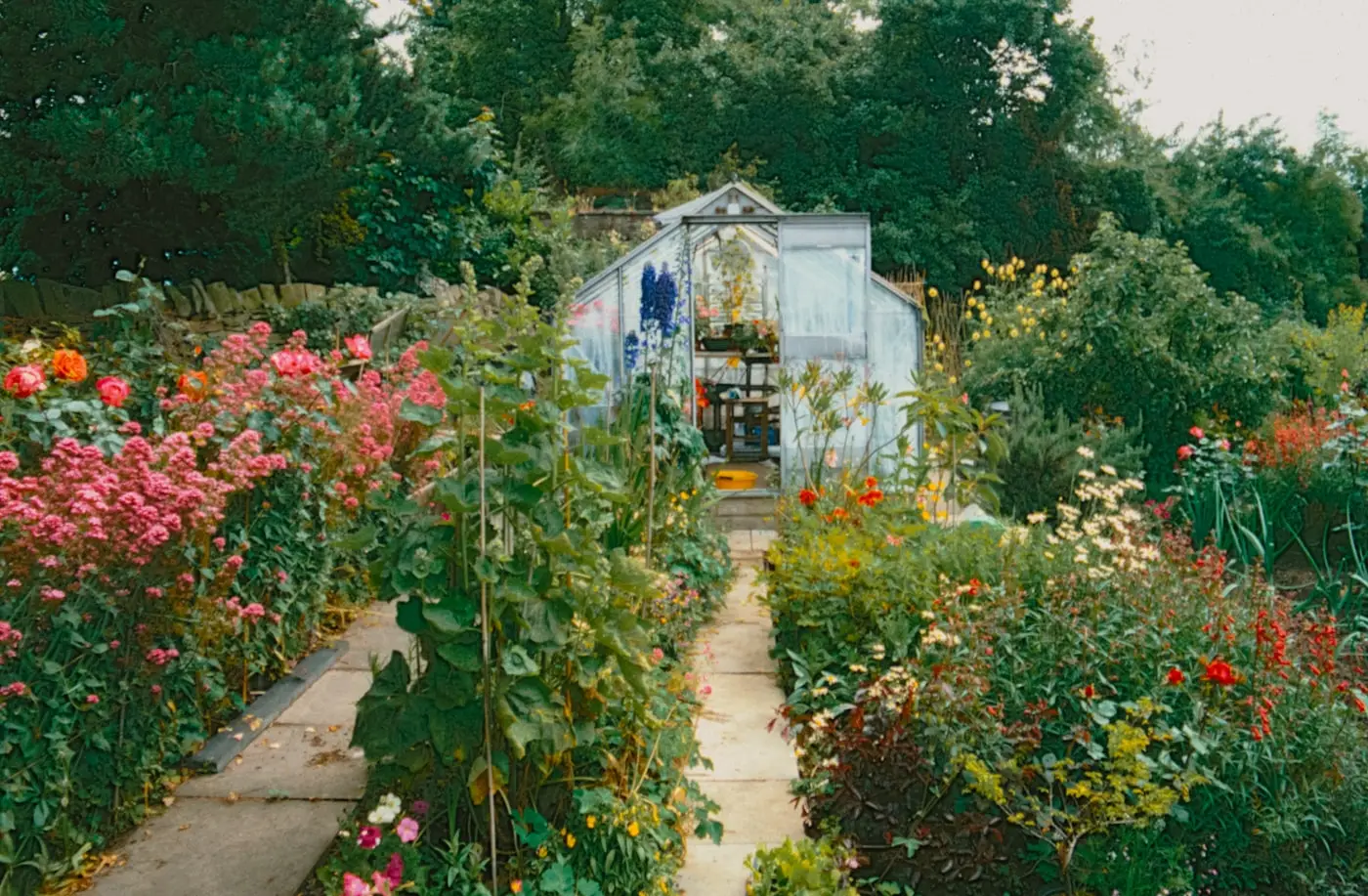
Path winding through a cottage garden in bloom

What garden design looks like in Deepcar

Deepcar sits in the Upper Don valley S36 postcode, between Stocksbridge to the north and Oughtibridge to the south, with the Pennine moorland rising to the west. The village has traditional South Yorkshire character - stone terraces, former steelworker housing, some more modern estate development - with the steep valley sides and moorland proximity giving it a character that is emphatically not suburban Sheffield. The gardens in and around Deepcar tend to be on sloping ground or have views to the moorland above; this is genuinely Pennine fringe territory.

The soil is Millstone Grit-derived - acidic, thin in places over rocky substrate, and relatively free-draining compared to Coal Measures clay. The pH is acidic, which significantly affects the plant palette: acid-loving plants that would fail on limestone or clay thrive here. Rhododendrons, azaleas, pieris, and heathers are genuinely at home in this ground and grow well without special management. Lime-loving plants (lavender, catmint, salvia) need raised beds with adjusted growing medium to perform reliably.

Exposure is the other defining factor. The valley sides and moorland-edge positions in and above Deepcar receive significant wind, and the growing season is shorter than Sheffield's lower urban areas. A garden designer working at Deepcar needs to account for both the acidic Millstone Grit soil and the exposed, sometimes harsh growing conditions - designing planting that is genuinely hardy rather than transplanting a suburban Sheffield scheme that won't survive the Upper Don valley winter. For year-round garden maintenance, see the Deepcar local gardeners page.

Cost ranges for Deepcar garden design

Design fees are separate from build and planting costs. The ranges below reflect what designers across Yorkshire typically charge. Most quote a fixed fee after seeing the site.

Service Typical range
Initial consultation Free to £75-150
Planting plan only £300-800
Planting plan + implementation £600-1,500
Full design and project management £800-3,000+
Border replant (up to 10 sqm) £150-400
Full garden makeover (50-100 sqm) £5,000-15,000+

Sloping site work at Deepcar may add to standard costs due to ground preparation and retaining structure requirements. Stone walling on gritstone sites is a specialist trade. See the garden renovation cost guide for Yorkshire-wide context.

Get a design estimate for your Deepcar garden

Free initial estimate from a designer who understands Millstone Grit conditions, Pennine exposure, and the character of Upper Don valley gardens in S36.

Start your Deepcar garden estimate

The full local guide

Common project types in Deepcar gardens

Exposed position garden with wind shelter

The most common design challenge in Deepcar and the upper valley is dealing with exposure. The moorland-edge positions above the village, and any garden facing west up the valley, are genuinely wind-exposed. Designing for this starts with shelter: native hedging (hawthorn, blackthorn, rowan) provides wind shelter that integrates with the moorland character. Within a shelter belt, the design can develop - but attempting ornamental planting on fully exposed Millstone Grit hillside without shelter structure first leads to repeated plant losses and expensive replacements.

Acid-soil garden design on Millstone Grit

The acidic Millstone Grit conditions in S36 open up a plant palette that is not available on the limestone or clay soils across most of Yorkshire. Rhododendrons in the correct acidic condition grow strongly and give spectacular spring colour. Pieris gives year-round interest with bronze new growth and spring flowers. Heathers create low-maintenance ground cover that suits the moorland character. Ferns thrive in the moist, shaded grit conditions. A dedicated acid-soil border using these plants can be a genuine feature in a Deepcar garden rather than the compromise it would be on alkaline ground elsewhere.

Sloping garden terracing and retaining

Many Deepcar gardens are on the valley sides and have significant slope. Designing for slope means either working with the grade (making it a feature with tiered planting, steps, and level changes) or creating flat terraces with retaining structures. Stone retaining walls in gritstone are the vernacular solution and look right in the Upper Don valley character. Timber railway sleeper retaining walls are cheaper but have a limited lifespan and look more suburban. Budget £3,000-£8,000 for a terraced garden with two or three level changes on a standard sloping Deepcar plot.

Low-maintenance moorland character planting

Gardens in Deepcar and Wharncliffe Side that back onto moorland or rough grassland suit planting that connects to the landscape character - native grasses, moorland perennials, ferns, heathers, and structural shrubs that require minimal intervention. These designs need less ongoing maintenance than formal ornamental planting and look more appropriate in the Pennine setting. Budget £600-£1,500 for a moorland-character border replant on a standard Deepcar garden.
What plants suit Deepcar gardens

The acidic Millstone Grit in S36 is the defining growing condition. Rhododendrons and azaleas are genuinely at home here and grow strongly without the specialist management they need on alkaline soils. Pieris, heathers (Calluna and Erica), and ferns all thrive in moist, acidic grit conditions. For structural planting, Viburnum lantana is very tolerant of exposed acidic positions, as are rowan (Sorbus aucuparia) and silver birch - both appropriate to the Pennine fringe character.

Ornamental grasses perform well on acidic, free-draining grit: Molinia caerulea (purple moor grass) is native to this type of ground and excellent for naturalalistic moorland-character planting. Deschampsia (tufted hair grass) is another strong performer in the acidic, moist conditions of Deepcar gardens. Ferns - particularly Dryopteris and Athyrium - establish in the shaded valley-side positions and provide lush ground cover that requires no maintenance once settled.

Avoid lime-loving plants in the open ground: lavender, catmint, salvia, and most Mediterranean plants will yellow and decline in acidic Millstone Grit conditions. If you want these plants, grow them in containers or raised beds with a neutral-to-alkaline growing medium. A designer who knows this area will steer you toward the plants that work without the acid/alkaline compromise.

Lawn care on Millstone Grit is less about drainage management than in clay areas - the acidic soil drains freely - but the turf can be thin in the upper valley and may need regular overseeding to maintain decent grass cover in high-rainfall years.

Process for working with a Deepcar designer
  1. Initial brief: You outline what the garden needs - shelter and structure first, acid-soil planting, terracing for slope, or a full redesign. Most designers visit for free or a nominal consultation fee.
  2. Site visit and survey: The designer assesses the plot, checks soil pH, evaluates wind exposure and slope, notes what's established and worth keeping, and discusses budget and scope.
  3. Proposal and concept: You receive a design proposal with layout drawings, planting plan suited to the Millstone Grit conditions, and a cost estimate.
  4. Phasing and approval: Exposed-position projects often prioritise shelter structure in phase one. You approve the plan and confirm timing.
  5. Installation and establishment: Planting is timed to avoid the most exposed conditions and the shorter Pennine growing season. You receive establishment guidance specific to the Upper Don valley site.
Frequently asked questions

What soil does my Deepcar garden have?

Deepcar sits on Millstone Grit-derived soil - acidic, relatively free-draining, and thin over rocky substrate in some positions. This is excellent ground for rhododendrons, azaleas, heathers, pieris, and ferns. Lime-loving plants (lavender, catmint, salvia) will not perform in the open ground. The pH tends toward acidic (typically pH 5.5-6.5) across most of the S36 postcode.

Can I grow rhododendrons in my Deepcar garden?

Yes - the acidic Millstone Grit soil is exactly what rhododendrons need. They grow strongly and flower reliably in these conditions without the ericaceous compost supplementing that they need on alkaline soils. The main consideration is drainage: rhododendrons need moisture-retentive but not waterlogged conditions. Most Deepcar garden positions suit them well.

How do I deal with a steeply sloping Deepcar garden?

The two main approaches are terracing (creating flat level areas with retaining structures) and working with the slope (designing graded planting, steps, and viewing areas that acknowledge the topography). Terracing with gritstone retaining walls suits the local character and is durable. Working with the slope avoids the cost of retaining structures but requires confident planting design to make the slope feel intentional. A designer will advise which approach fits your specific plot and budget.

Is the growing season significantly shorter in Deepcar than Sheffield?

Yes, meaningfully so. Deepcar's upper valley and moorland-edge positions see later spring frosts and earlier autumn frosts than Sheffield's lower urban area. The difference can be 2-4 weeks of growing season either end. This affects planting timing - tender plants should not go out before mid-May - and means that some things that perform reliably in Hillsborough or Walkley are more marginal in Deepcar. A designer familiar with S36 conditions will account for this in the plant selection.

What is the best windbreak for an exposed Deepcar position?

Native hedging provides the most effective wind shelter for Pennine-edge positions. Hawthorn is the standard first choice - it is native to this landscape, extremely tough, and provides dense wind shelter within three to four years. Blackthorn adds value in a mixed hedgerow. Rowan and field maple provide diversity and wildlife value. A designer should assess which aspect is most exposed before recommending a specific shelter planting strategy.

When is the best time to start a garden project in Deepcar?

Hard landscaping can proceed year-round in reasonable weather. Planting is best in late spring (May-June to avoid late frost risk) or autumn (September-October before the first hard frosts). Shelter hedging is best planted in autumn as bare-root stock. Start the design conversation 8-12 weeks before your target season to allow time for the design process and contractor scheduling.

Areas around Deepcar we also cover

Garden design coverage across the Upper Don valley and surrounding areas:

Surrounding areas including Wharncliffe Side, Oughtibridge, Midhopestones, Bolsterstone, and Thurlstone.

For general garden maintenance and clearance in Deepcar, visit our local gardeners in Deepcar page.