Garden design · Stocksbridge, Sheffield
Stocksbridge sits in the upper Don Valley in S36, a former steel-making town where the valley sides rise steeply in Millstone Grit above the old industrial floor. The gardens here divide between the older stone terraces climbing the valley sides - steep, gritstone, acid, with views across the valley - and the newer estate housing on more level ground. Both share the upland character and shorter season that come with the S36 elevation, and both need design that works with the conditions rather than around them.
The Millstone Grit valley sides of Stocksbridge produce acid soil (pH 5.5-6.5) that sits on the same geology as the Pennine gritstone gardens of Slaithwaite, Linthwaite, and Holmfirth to the north. On the steeper sections, soil can be thin over rock with significant gradient - the terracing work needed to make these gardens usable is substantial but well worthwhile. On the upper plateau sections and newer estate ground, the gradient is more manageable but the soil character remains acid and the elevation keeps the growing season shorter than Sheffield city below.
Stocksbridge's industrial history means some plots - particularly on sites with historic disturbance - may have variable subsoil from past activity. A designer should assess any plot with a known or possible industrial-use history carefully before committing to a planting scheme. Contamination testing may be appropriate on land with a complex use history, particularly for kitchen gardens or areas where children play.
The valley character is a significant visual asset. The Don Valley narrows and deepens as you head upstream toward the Peak District boundary, and gardens on the valley sides have dramatic rocky-valley views that a flat-country garden can't replicate. Designing to capture and frame these views, rather than screening them out, is consistently the most rewarding approach for Stocksbridge hillside gardens with the outlook available.
Garden design in Stocksbridge typically runs from £1,500 for a small redesign to £8,000-15,000 for a full garden transformation. Steep valley-side terracing projects are at the upper end - the stone retaining work, steps, and structural planting required on a significant gradient are major projects. Flat-site new estate garden designs are at the more accessible lower end of the cost range. All projects should budget for appropriate soil preparation given the acid gritstone character.
| Service | Typical range |
|---|---|
| Initial consultation | Free to £75-150 |
| Planting plan only | £300-800 |
| Full design and project management | £800-3,000+ |
| Stone terrace construction (valley-side) | £3,000-12,000 |
| Full garden transformation | £8,000-15,000+ |
See our garden designer cost guide for Yorkshire-wide context on what different project scopes involve. For what to expect at the initial meeting, read our consultation guide.
Free initial estimate from a designer who understands S36 valley-side conditions, gritstone soil, and upland planting. We connect you with local professionals who quote directly.
The full local guide
The older stone terraces climbing the valley sides in Stocksbridge are among the most challenging and most rewarding garden design projects available in South Yorkshire. Steep gradients, existing stone boundary walls to work with, acid gritstone soil, and dramatic valley views define the design context. The core intervention is usually terracing: creating level areas at different heights within the gradient using stone retaining walls that match the existing gritstone character. From this levelled foundation, the planting and hard landscape design can create functional, beautiful outdoor spaces that the original slope never allowed.
The Millstone Grit soil of Stocksbridge suits the same ericaceous and upland planting that works well across the South Yorkshire and West Yorkshire gritstone belt. Rhododendrons, azaleas, pieris, heathers, and kalmia establish readily in the native acid pH and create genuine seasonal drama in the compressed spring-flowering season. For more structural planting: native rowan, hawthorn, birch, and ornamental grasses (molinia, deschampsia) all thrive in the conditions and look appropriate in the landscape. A design that uses these species creates a garden that belongs in the Don Valley rather than looking transplanted from a garden centre catalogue.
Newer housing developments on more level S36 ground have given Stocksbridge a second garden type: the standard new-build plot needing designed structure from bare builders' turf. The brief here is typically: create a usable family garden with lawn, defined borders, a seating terrace, and some private planting. The design needs to work with the acid soil character and shorter season, so plant choices still need to reflect the upland conditions rather than assuming the same palette as a Sheffield city garden 5 miles south at lower elevation.
For Stocksbridge gardens with valley views, designing outdoor seating that uses the outlook as the backdrop is a priority. A terrace positioned and oriented to face down or across the valley, with boundary treatment on the view side that's open or low, and shelter from the northerly and westerly winds, creates an outdoor space that's both enjoyable to use and visually connected to what makes Stocksbridge's location special. The former steel-town character of the valley gives it an industrial-heritage quality that contemporary design can acknowledge - robust materials, honest structure, and planting that suits the working-landscape context.
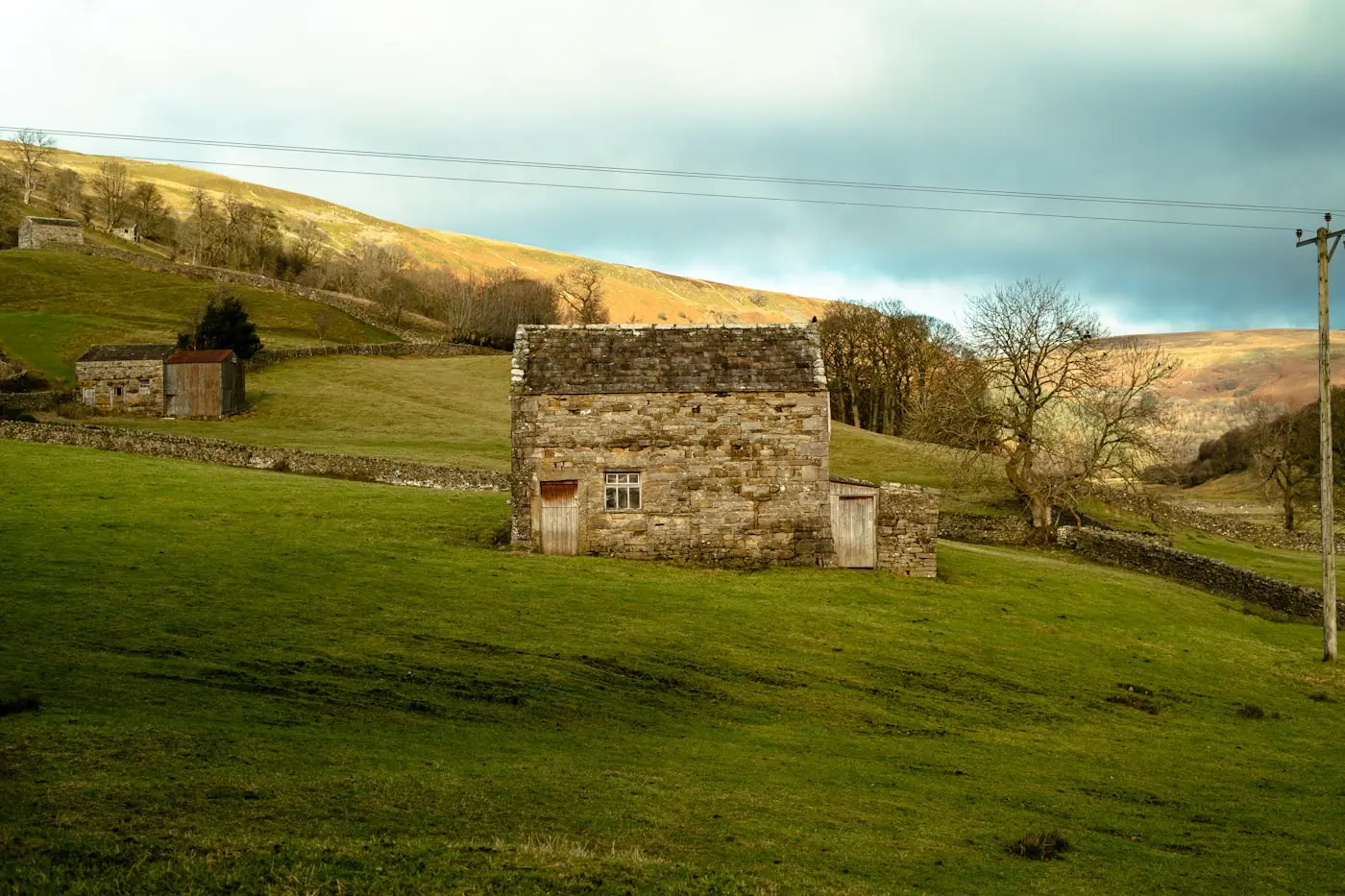
Stocksbridge's Millstone Grit soil on the steeper valley-side sections is often thin - sometimes 150-200mm of topsoil over rock, less in places. This directly limits what can be planted and how: trees and shrubs that need deep rooting cannot establish in shallow soil over solid rock. Raised beds, brought-in topsoil mixed with organic matter, and rockery-style planting in shallower sections address this limitation. Where the rock is genuinely close to the surface, embracing it as a design feature rather than hiding it produces better results than importing soil to bury what is actually part of the Don Valley's dramatic character.
The acid pH (5.5-6.5) is a consistent character across most Stocksbridge plots. This is not a problem but it is a constraint that shapes every planting decision. Lime-loving plants that would thrive in Spofforth's limestone soil 10 miles south will struggle in S36 gritstone ground. Ericaceous plants that would struggle in Spofforth's alkaline conditions thrive naturally in Stocksbridge. Working with the chemistry produces far better results than fighting it with soil amendments that require constant renewal.
The elevation at Stocksbridge - typically 180-250m depending on the specific part of town - compresses the growing season compared to Sheffield city and the lower Don Valley. Tender plants need to wait for late May before going outside, and an early October frost is possible. This doesn't prevent a good garden; it shapes the design toward hardy, reliable plants that return confidently every season rather than the tender-heavy planting that works in urban Sheffield's more protected microclimates.
What plants suit Stocksbridge's acid gritstone soil?
Rhododendrons, azaleas, pieris, kalmia, heathers (calluna and erica), and bilberries all establish freely in S36's pH 5.5-6.5 gritstone soil. For structural planting: native rowan, birch, and hawthorn thrive in these conditions. Ornamental grasses - molinia and deschampsia - add movement and texture. Hardy geraniums, digitalis, and astrantia suit the shadier spots. Avoid lavender, Mediterranean herbs, and lime-loving plants without significant raised bed soil preparation.
How do I deal with a steep valley-side garden in Stocksbridge?
Terracing creates usable level areas from an unusable slope. Stone retaining walls in local Millstone Grit match the existing character and last indefinitely. Level terraces connected by steps convert a steep gradient into a sequence of outdoor rooms - seating, planting, productive areas - that couldn't exist on the unmodified slope. A designer needs to see the specific gradient, rock depth, and existing boundary conditions before proposing the number and height of terraces that will work on your plot.
Is my soil deep enough for planting in Stocksbridge?
On steeper gritstone sections it can be shallow - 150-200mm or less in places. Check by digging test holes before commissioning a planting scheme: if you hit rock within 200mm, trees and deep-rooting shrubs won't establish in the native soil without raised beds or imported topsoil. Shallower-rooting plants (heathers, groundcover perennials, grasses) can work in thinner soil. A designer should assess soil depth during the site visit and propose a scheme that's realistic for the root run actually available.
How much does a garden design cost in Stocksbridge?
Garden design in Stocksbridge typically runs from £1,500 for a small redesign to £8,000-15,000 for a full garden transformation. Valley-side terracing projects are at the upper end of the range. New estate garden designs on more level ground are more accessible. Stone terrace construction for a significant gradient typically adds £3,000-12,000 to the project depending on the scale of retaining required.
What is the growing season like in Stocksbridge?
Slightly shorter than Sheffield city, with last frosts typically in late April to mid-May at S36 elevation. Tender plants should not go out until late May. The first autumn frost can arrive in October. The effective season for tender plants is roughly May through September. Hardy perennials, shrubs, and trees are unaffected and provide the backbone of a well-designed S36 garden.
Can I have a productive garden in Stocksbridge?
Yes, with the right approach. Raised beds in a sheltered, south-facing position grow brassicas, root vegetables, beans, peas, and soft fruit well. The acid soil suits blueberries particularly well - they establish without the soil preparation they'd need elsewhere. Salad crops and leafy vegetables manage from late April in a sheltered raised bed with cloche cover early in the season. Top fruit on a south-facing wall (apples, pears) is practical in S36. The shorter season means starting under cover in March and hardening off carefully before any outdoor planting.
For general garden maintenance in Stocksbridge, visit our local gardeners in Stocksbridge page. For an overview of our full design service, see our garden design service.