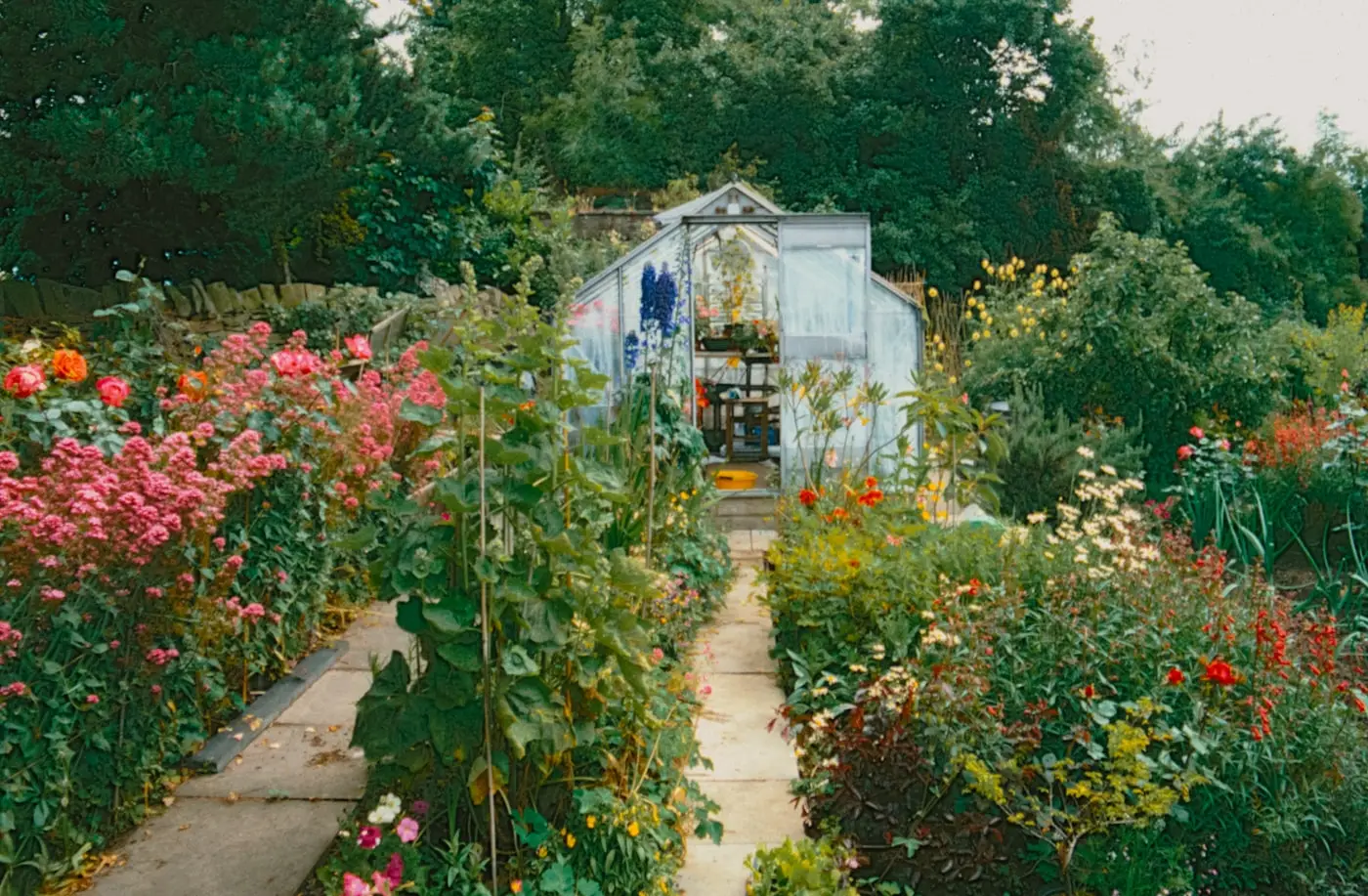
What garden design looks like in Driffield
Great Driffield is the capital of the Yorkshire Wolds, sitting at the centre of chalk country where rolling arable land meets market-town domesticity. The gardens here are bigger and rougher than the Yorkshire city average. A lot of properties have substantial grounds that have been left to manage themselves for a season or two, and many first-contact briefs start with getting the plot back to a workable baseline before thinking about redesign or regular care. If your garden needs a proper reset, that is where Driffield jobs typically start.
The soil throughout the Wolds is chalk loam — free-draining, slightly alkaline, and forgiving once you work with it rather than against it. The ground dries fast and grows well when it is managed. But a Wolds summer is dry, and borders need specific planting to hold together through July and August without constant watering. A good garden designer working on chalk loam will build drought tolerance into the planting scheme from the start, not expect you to irrigate constantly once the garden is planted.
The villages around Driffield — Nafferton, Kilham, Wansford, Garton, Skerne — sit on the same chalk ground with more wind exposure across open country. That shapes everything from which hedges survive to how quickly fences take damage. Village plots need shelter planting and wind-tolerant species more than town-centre gardens. A designer who knows the Wolds will account for that exposure in the brief and recommend hardy structural planting that provides shelter for more delicate borders behind.
Drought-tolerant planting for chalk loam soil
Chalk loam soil favours Mediterranean planting: salvias, sedums, ornamental grasses, lavender, rosemary, cistus, catmint, hardy geraniums, and alliums all thrive on free-draining alkaline ground. These species perform through dry spells without flagging and look better at the end of August than moisture-hungry perennials that need regular watering. Roses (especially shrub roses), clematis, and traditional cottage-garden plants also do well here. The chalk influence means acid-loving plants like rhododendrons and azaleas will struggle in open borders unless you give them raised beds with ericaceous compost.
A well-designed Wolds garden uses gravel mulch to suppress weeds and retain what moisture there is, drought-tolerant structural planting that holds the design together through summer, and perennials that perform without constant intervention. The result is a garden that looks good from May through September without the kind of watering regime that turns gardening into a chore rather than a pleasure.
Larger Wolds properties and farmhouse grounds
Substantial farmhouses with grounds are common throughout the Driffield area and they present different challenges from suburban plots. Many have been managed lightly or not at all for several years, and the first job is often clearance: bramble removal, paddock tidies, orchard rescue, and getting the boundaries back under control. Once the plot is workable, the design brief is usually about structure and shelter rather than intricate planting. Mature trees, established hedges, and windbreaks are the most valuable assets on a Wolds farmhouse plot, and a good designer will build the scheme around what is already there rather than starting from scratch.
Ash dieback has hit hard across the Wolds in recent years. If you have established ash trees on your plot and they have not been assessed, it is worth doing before the next storm season. A dead ash drops branches unpredictably and the removal job gets bigger and more expensive the longer it is left. A designer will assess the health of existing trees during the site visit and recommend removal only where genuinely necessary.
Market-town terraces and compact town-centre gardens
Town-centre properties in Driffield have more modest plots, typically under 100 square metres, with better shelter from neighbouring properties. These gardens want practical layouts with structural planting that holds the design together, functional hard landscaping for seating and access, and planting that performs without taking over. The regular maintenance afterwards is straightforward if the initial design is done well.
Cost ranges for Driffield garden design
Garden design pricing depends on the scope of work and whether you want design only or full project management. These are the typical ranges for budgeting:
| Service |
Cost range |
| Planting plan only |
£300-800 |
| Planting plan + implementation |
£600-1,500 |
| Full design and project management |
£800-3,000+ |
| Border replant (up to 10 sqm) |
£150-400 |
| Kitchen garden / raised-bed setup |
£400-900 |
| Full garden makeover (50-100 sqm) |
£5,000-15,000+ |
Hard landscaping — stone paving, sleeper beds, gravel paths — is quoted separately and typically runs £2,000-£12,000 for a mid-size project depending on materials and scope. Larger properties with extensive grounds need phased project management and the cost reflects the scale. Designers quote directly based on your specific brief and site conditions. For more detail on what drives the cost, see what a garden makeover costs.
Start your free Driffield garden estimate
Tell us what you want and we put your enquiry in front of local designers who quote directly. No call centre fees on your side.
Get a design estimate
The full local guide
What plants tend to suit Driffield gardens
The chalk loam soil throughout the Wolds dictates the planting palette. Drought-tolerant Mediterranean species perform best: salvias, sedums, ornamental grasses (Stipa tenuissima, Miscanthus, Pennisetum), lavender, rosemary, cistus, catmint, hardy geraniums, alliums, and echinacea all thrive. These plants handle free-draining alkaline soil and summer drought without constant watering.
Roses do exceptionally well on chalk loam. Shrub roses (Rosa rugosa, Gertrude Jekyll, Munstead Wood) and climbing varieties on walls or arches are classic Wolds planting. Clematis, wisteria, and honeysuckle also perform well as climbers. Traditional cottage-garden perennials like delphiniums, peonies, and lupins suit the alkaline conditions and give structure to mixed borders.
Structural evergreen shrubs that tolerate chalk and drought include box (Buxus sempervirens), yew (Taxus baccata), and holly (Ilex aquifolium). For larger screening, field maple (Acer campestre), hawthorn (Crataegus monogyna), and blackthorn (Prunus spinosa) all grow well and provide windbreak and wildlife habitat on more exposed village plots.
Acid-loving plants like rhododendrons, azaleas, camellias, and pieris need raised beds with ericaceous compost to survive on chalk loam. They will not thrive in open borders here without that intervention. A local designer will recommend planting that works with your soil type rather than requiring constant amendments and special treatment to keep it alive.
Process for a Driffield garden designer
- Initial brief. Tell us what you want from the garden — whether it is a planting refresh, a full redesign, clearance and reset, or help with a specific problem like drainage or wind exposure.
- Site visit and assessment. The designer visits, assesses your soil, aspect, existing planting, wind exposure, and any constraints like mature trees or boundary issues. This is usually a free initial consultation.
- Proposal and design. You receive a scaled design with planting plan, materials specification, and cost estimate. For design-only work, this is the deliverable and you implement it yourself or find your own contractors.
- Phasing and coordination. For full design-and-build projects, the designer coordinates contractors (hard landscaping, fencing, drainage, tree work), orders plants, and schedules installation.
- Installation and establishment. Planting is carried out, usually in autumn or early spring. The designer advises on aftercare and establishment watering to get plants through their first season.
A planting plan can be produced within one to two weeks of the site visit. A full redesign with installation typically takes four to twelve weeks depending on project scale. Starting the design in winter means you are ready to plant in early spring before the Wolds soil dries out. Autumn planting also works well for establishing perennials and shrubs before winter, giving them a full spring and summer to establish before their first dry season.
Designers in Driffield postcode
We connect homeowners across YO25 and the surrounding Wolds villages with local designers who quote directly. They set their own prices and there are no call centre fees on the customer side. The free initial estimate gives you a sense of what your project involves before you commit to the full design. Whether you want a planting plan only, full project management, or help getting a neglected plot back to a workable baseline, we put your enquiry in front of someone who has done similar work in the Driffield area and understands chalk loam soil, drought tolerance, and wind exposure challenges.
Frequently asked questions
What soil does my Driffield garden have?
Great Driffield and the surrounding Wolds villages sit on chalk loam soil, which is free-draining, slightly alkaline, and warms quickly in spring. This soil grows well when managed but dries fast in summer and needs drought-tolerant planting to hold together through July and August without constant watering. The chalk influence means acid-loving plants like rhododendrons and azaleas will struggle in open borders without ericaceous compost. A local designer will assess your specific plot and recommend planting that works with the conditions.
How much does garden design cost in Driffield?
A planting plan only service costs £300-800. Planting plan with implementation runs £600-1,500. Full design with project management typically costs £800-3,000+. A full garden makeover on a 50-100 sqm plot runs £5,000-15,000+. Hard landscaping for stone paving, walls or sleeper beds is quoted separately, typically £2,000-£12,000 for a mid-size project. Designers quote directly based on your specific brief and site conditions.
What plants suit chalk loam soil in Driffield?
Chalk loam soil in the Wolds favours drought-tolerant Mediterranean species: salvias, sedums, ornamental grasses, lavender, rosemary, cistus, catmint, hardy geraniums, and alliums all thrive. The free-draining alkaline conditions mean these plants perform much better than moisture-hungry perennials that need consistent watering through summer. Roses (especially shrub roses), clematis, and traditional cottage-garden plants also do well. Acid-loving species like rhododendrons need raised beds with ericaceous compost to survive here.
Can you design a low-water garden for Wolds summers?
Yes. Low-water garden design is particularly suited to chalk loam soil in the Wolds. A good design uses gravel mulch to suppress weeds and retain what moisture there is, drought-tolerant Mediterranean planting that performs through dry spells, and structural planting like grasses and evergreen shrubs that need minimal intervention once established. The result is a garden that looks good through summer without constant watering and doesn't flag when rainfall drops below the Yorkshire average.
How long does a Driffield garden redesign take?
A planting plan can be produced within one to two weeks of the site visit. A full redesign with installation typically takes four to twelve weeks depending on project scale and plant availability. Starting the design in winter means you are ready to plant in early spring before the Wolds soil dries out. Autumn planting also works well for establishing perennials and shrubs before winter, giving them a full spring and summer to establish before their first dry season.
Do you cover the Wolds villages around Driffield?
Yes. We match homeowners across the Wolds villages including Nafferton, Wansford, Kilham, Garton, and Skerne with local designers who understand chalk loam soil and wind exposure. Village plots on open country often need shelter planting and wind-tolerant species more than town-centre gardens, and a good Wolds designer will account for that exposure in the planting plan.
Can you design around existing mature trees?
Yes. Mature trees are often the most valuable asset in a Wolds garden and a good design works with them rather than against them. Managing root competition, choosing shade-tolerant planting for under the canopy, and integrating the tree into the overall design are all standard elements of garden design. Ash dieback has affected many Wolds properties in recent years, so a designer will assess the health of existing trees during the site visit and recommend removal only where genuinely necessary.
Areas around Driffield we also cover
We also match homeowners with designers in Beverley, Pocklington, Malton, and surrounding Wolds villages including Nafferton, Wansford, Kilham, Garton, and Skerne.
For general garden maintenance, lawn care, and year-round gardening services in Driffield, visit our local gardeners in Driffield page.