Garden design · Reeth, Swaledale
Reeth sits at 290 metres in upper Swaledale in DL11 - the highest of Yorkshire's Dales market villages with a genuine upland character that shapes everything about the gardens here. Thin limestone and peat soil, an effective growing season of roughly May to early September, and a landscape that's wild right up to the garden boundary define what good design in Reeth looks like. Second homes, holiday lets, and full-time Dales residents all need gardens that work within these constraints rather than fighting them.
At 290m in Swaledale, your garden operates under conditions that make most gardening advice written for lowland England largely inapplicable. The soil is a mix of thin limestone-derived ground and peat, variable across the village and surrounding farmsteads. Where the limestone predominates, the pH is slightly alkaline to neutral (6.5-7.0) and the drainage is rapid. Where peat influence is stronger, the soil becomes acid and moisture-retentive. Both extremes can exist within the same garden on different aspects of the plot.
The growing season is genuinely short. The last frost in a typical year falls in mid to late May at this elevation - sometimes into early June in exposed positions. The first autumn frost arrives in September or early October. The effective outdoor growing season for tender plants is perhaps 12-14 weeks. This compresses what you can do with summer bedding and tender perennials, but it doesn't limit the design of a garden that works with the conditions: hardy perennials, shrubs, native plants, and species that have evolved for upland conditions provide colour and interest across the compressed season without the constant replacement that tender subjects require.
The Reeth garden sits adjacent to one of England's finest upland landscapes - the Swale Valley with its hay meadows (nationally important for wildflower diversity), limestone scars, and distant moorland character. A garden design that acknowledges this setting and creates a transition between the private garden and the open landscape looks right in this context. A garden that tries to reproduce a suburban Surrey border planting in upper Swaledale looks absurd in the landscape and requires constant maintenance to keep alive in conditions it isn't suited to.
Garden design in Reeth typically runs from £1,500 for a small redesign to £8,000-15,000 for a full garden transformation. The remoteness of upper Swaledale means contractor travel costs add to project prices, and limestone materials from local quarries command appropriate rates. Holiday let garden designs that specify a specific maintenance regime are at the more considered end of the brief and often benefit from a designer who understands the seasonal occupancy context.
| Service | Typical range |
|---|---|
| Initial consultation | Free to £100-150 |
| Planting plan only | £400-1,000 |
| Full design and project management | £1,000-3,500+ |
| Holiday let garden (low maintenance design) | £3,000-8,000 |
| Full garden transformation | £8,000-15,000+ |
See our garden designer cost guide for broader Yorkshire context, and our consultation guide for what the initial design meeting involves.
Free initial estimate from a designer who understands Swaledale conditions and Dales upland gardens. We connect you with professionals who quote directly for your project.
The full local guide
The strongest design approach for Reeth gardens uses native and near-native planting that creates a natural transition between the garden and the surrounding Dales landscape. Meadow grasses and wildflowers at the garden's outer edge - yellow rattle, ox-eye daisy, field scabious, knapweed, betony - lead into more formal structure planting closer to the house. Native hedging (hawthorn, sloe, field rose) provides structure and wildlife value. Cow parsley, geranium pratense, and primroses as groundcover at the meadow edge feel genuinely of the place. This approach becomes more beautiful with each year and requires less intervention annually as it establishes.
Holiday let and second home gardens in Reeth need a specific design approach: they must look attractive to guests and good in photographs without requiring regular maintenance from an absent owner. The brief is essentially: design a garden that maintains itself. Structural planting (shrubs, ornamental grasses, robust perennials) that doesn't need regular deadheading or dividing, simple lawn areas that a local contractor can cut on a regular schedule, and minimal tender bedding that needs replacing create a garden that works with minimal input. A design for a holiday let garden in Reeth should specify exactly what the maintenance regime looks like as part of the scheme.
Reeth's historic character is entirely limestone - the village buildings, boundary walls, field walls extending across the valley, and garden enclosures are all in local Swaledale limestone. Any hard landscaping in a Reeth garden should match this material. Recycled Swaledale limestone for walls, steps, terrace edging, and path surfacing (crushed limestone or compacted stone dust) sits correctly in the setting. Imported sandstone, composite decking, or reconstituted paving products look wrong against the limestone character and weather poorly in the more extreme climate at this elevation.
Reeth can be genuinely cold and exposed at 290m even in midsummer. A designed garden for full-time or holiday use needs at least one properly sheltered outdoor seating area. This typically means a position against a south-facing wall or existing stone building, sheltered by a dense hedge or stone wall to north and west, with the option of a simple overhead structure to extend the season on cool evenings. The reward is a seating area that's genuinely comfortable for four to five months of the year rather than only usable on the warmest summer afternoons.
The thin limestone-peat soil of Reeth needs organic matter to work properly as garden soil. Both the fast-draining limestone sections and the moisture-retentive peat sections benefit from good compost worked in before planting. The limestone sections need the moisture retention that organic matter provides; the peaty sections need the structure and drainage improvement it offers. In both cases, a 100-150mm deep mulch of garden compost or bark applied after planting gives newly established plants the best possible start through their first growing season.
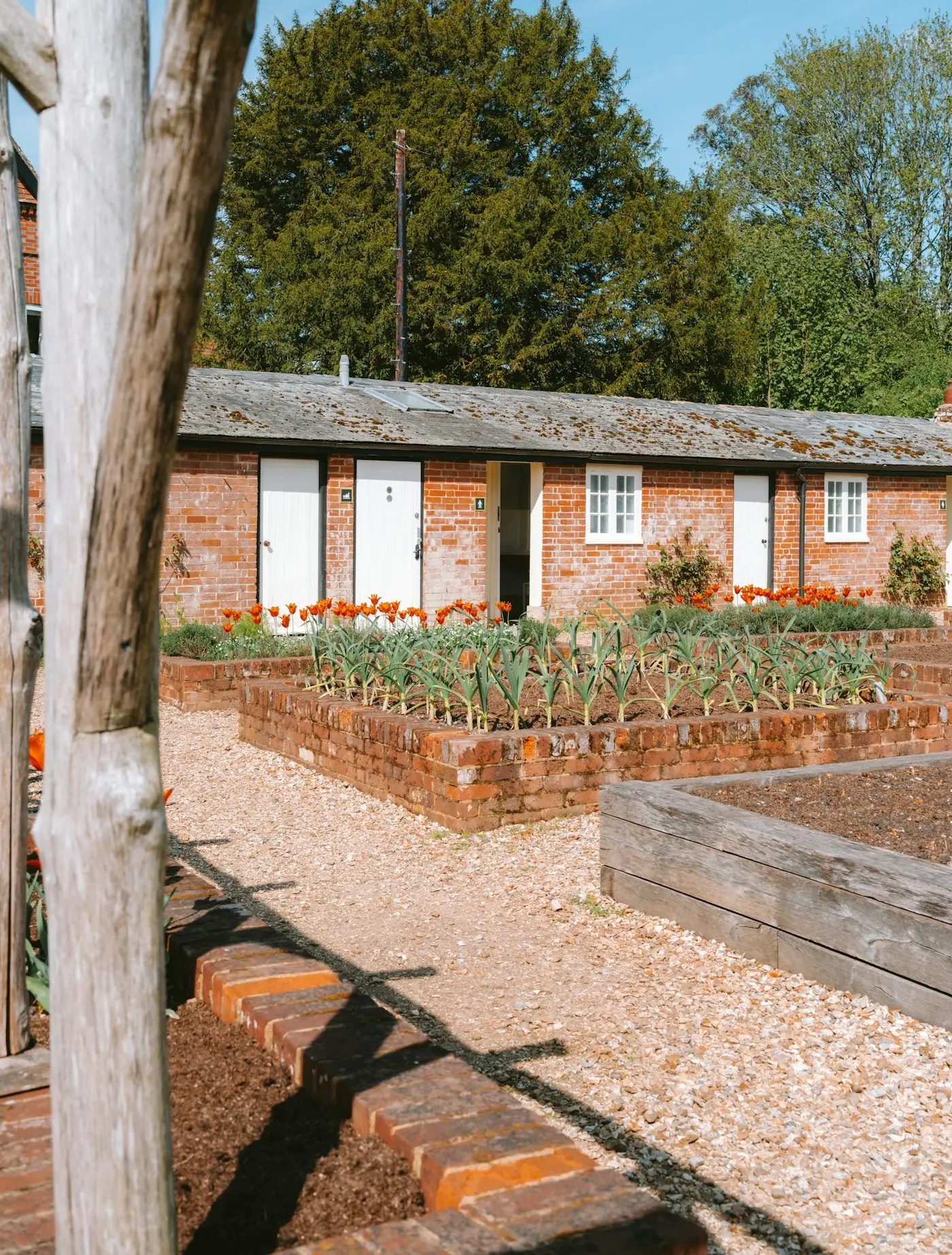
At 290m, the soil temperature is slower to warm in spring than lowland gardens. This delays the start of the growing season even more than the frost calendar suggests - soil that hasn't warmed above 7C won't germinate seeds or encourage root growth. Raised beds or raised border edges that allow the soil to warm faster give you a two-to-three-week head start on spring establishment. For a garden where the effective season is already compressed, this matters.
Fertility management is ongoing at this elevation. High rainfall leaches nutrients faster than in drier lowland gardens, and the native soil is genuinely low in nutrients. Slow-release fertiliser applied in May and a light top-dress of compost in autumn maintains planting in good condition without the constant liquid feeding that would be needed without this foundation. Hardy perennials and shrubs adapted to upland conditions are inherently less demanding than tender or high-performance varieties that need intensive nutrition to perform.
What can I realistically grow in a Reeth garden at 290m?
More than you might expect, with the right choices. Hardy perennials - geraniums, astrantia, persicaria, aquilegia, digitalis, primroses, and many more - are fully reliable at this elevation and look beautiful in the Dales context. Shrub roses (particularly rugosas) handle the exposure well. Native and near-native shrubs (hawthorn, rowan, field rose, elder, hazel) thrive. Soft fruit (raspberries, gooseberries, currants) produces well. Avoid tender bedding, half-hardy perennials, and anything that needs more than four months of frost-free growing to perform.
How do I design a garden for a holiday let in Reeth?
The brief for a holiday let garden is: attractive in photographs, low maintenance in the owner's absence, and requiring only simple contractor maintenance (lawn cutting, annual tidy). The design should specify structural planting that doesn't need dividing or deadheading, simple lawn areas on manageable gradients, robust boundaries, and minimal or no tender annual bedding. A maintenance plan specifying the four or five annual tasks required should be part of the design package. See our garden design service page for more on what this approach involves.
Should a Reeth garden try to look like the wider Dales landscape?
In approach, yes - and it usually works better for it. Wild-adjacent planting using native and near-native species, stone walls and paths that match the Swaledale limestone character, and a meadow or semi-wild zone at the garden edge all create a garden that looks rooted in its setting rather than imported. This doesn't mean the garden needs to be undesigned or wild throughout - the transition from more formal planting close to the house to naturalistic planting at the garden edge is a well-established approach that works very well at this type of upland location.
What is the soil like in Reeth and how should I prepare it?
Variable - a mix of thin limestone-derived ground (fast-draining, near-neutral pH) and areas of peat influence (more acid, moisture-retentive). Both benefit from organic matter addition before planting. Get a soil test from a garden centre or online lab (£20-30 for a full nutrient and pH analysis) before commissioning a planting scheme. Work in good garden compost or well-rotted manure at 100-150mm depth across all planting areas before installation, and mulch annually thereafter.
How much does garden design cost in Reeth?
Garden design in Reeth typically runs from £1,500 for a small redesign to £8,000-15,000 for a full garden transformation. Remoteness adds some cost to contractor work and materials. Holiday let low-maintenance garden designs typically run £3,000-8,000 all-in for a modest plot. Request a free site visit and estimate from a local designer for a realistic cost for your specific project.
When is the best time to plant in Reeth?
Late May is the safest time for almost everything at 290m - the frost risk is reliably past by then, the soil has warmed, and plants have a full summer growing season ahead. For trees and hardy shrubs, autumn planting (September to October, before the ground hardens) works well and allows root establishment before winter. Avoid planting anything in April at this elevation without frost protection available - a late frost in the Dales can set back newly planted stock by a full growing season.
For general garden maintenance in Reeth and upper Swaledale, visit our local gardeners in Reeth page. For a full overview of our design service, see our garden design service.