Yorkshire Lawn & Garden

Garden design · Spofforth, Harrogate

Garden Design in Spofforth, North Yorkshire

Spofforth sits in HG3 a few miles south of Harrogate on Magnesian limestone and loam - some of the best natural growing conditions in North Yorkshire. The village has Spofforth Castle ruins at its centre, an affluent commuter character that supports investment in serious garden design, and south-facing exposures that warm early in spring and extend the season well into autumn. If you want to grow a wide range of garden plants at their best, Spofforth's soil and climate is genuinely one of the most favourable settings in the county.

  • Free initial estimates
  • Local designers who quote directly
  • Design from £500
  • No call centres
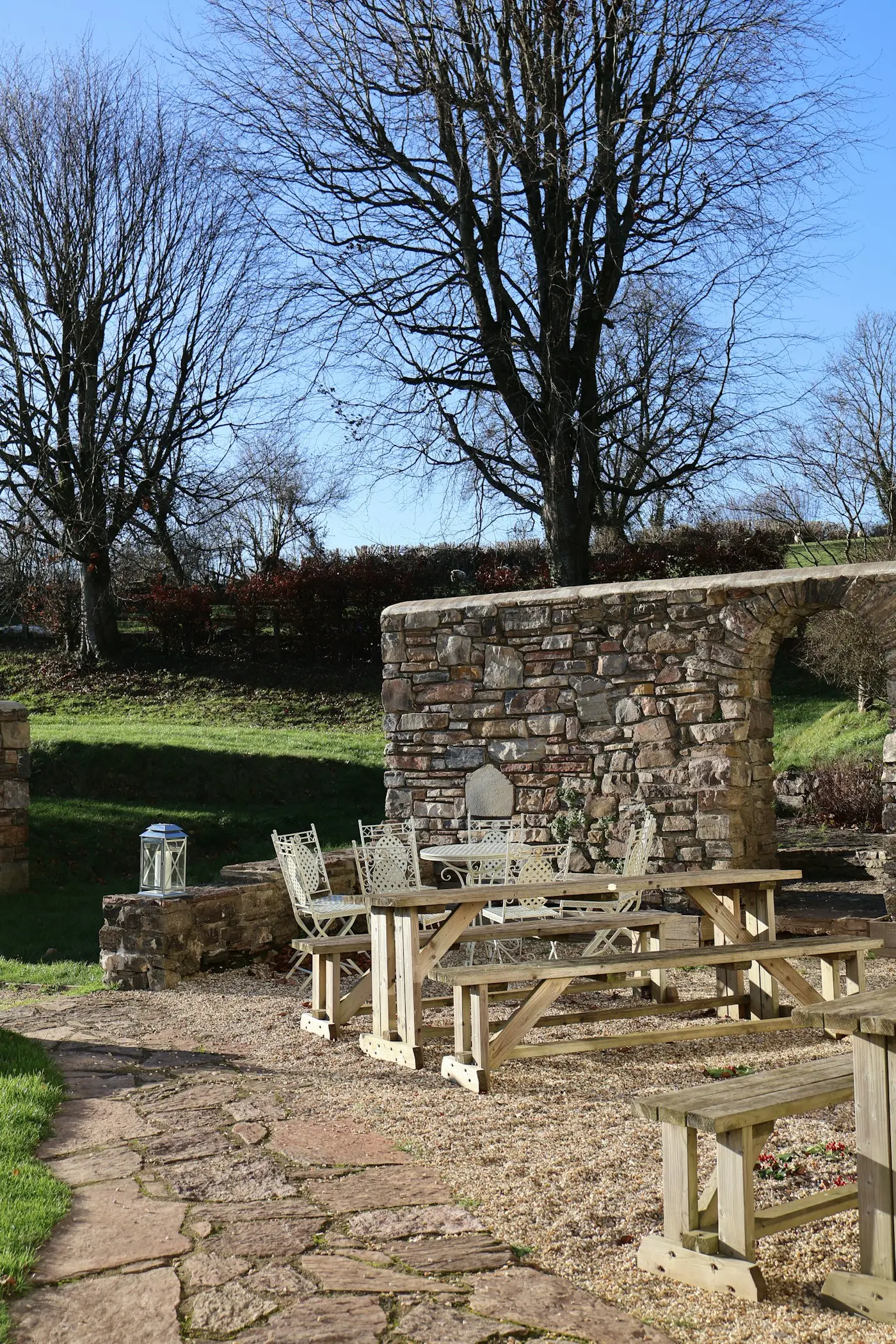
Stone patio enclosed by a low stone wall

Your Spofforth Garden's Starting Point

The Magnesian limestone and loam underlying Spofforth produces well-structured, near-neutral to mildly alkaline soil (pH 6.5-7.5 depending on the specific plot and any historical lime applications). This is fertile, workable ground that suits the vast majority of garden plants without soil amendment - roses, clematis, peonies, herbaceous perennials, fruit trees, vegetables, and lawn all perform well in these conditions without the compromises that either strongly acid or strongly alkaline soils impose on plant choice.

The village sits at modest elevation in a relatively sheltered position on the eastern side of the limestone belt, which gives it gentler microclimatic conditions than the exposed Pennine villages to the west. South-facing garden aspects catch strong sun from mid-morning through to late afternoon, warming quickly in spring and staying productive later into autumn. Wall-trained fruit on south-facing aspects in Spofforth - figs, peaches, pears, and fan-trained plums - are practical proposals, not aspirational ones, in this location.

The property character in Spofforth is a mix of older village properties with established gardens and plot sizes, and more recent commuter housing. The castle ruins give the village a distinctive historic character that design should acknowledge - the visual context of a medieval ruin demands period-appropriate planting and materials in any garden that has sight lines toward it, rather than contemporary treatments that look jarring against the stone.

Garden Design Costs in Spofforth

Garden design in Spofforth typically runs from £1,500 for a small redesign to £8,000-15,000 for a full garden transformation. The affluent commuter village context supports investment in more ambitious schemes - comprehensive kitchen gardens, country house style border design, and estate-level planting schemes are all appropriate at the upper end. Design fees are separate from the typically higher-quality plant and material specification that premium Spofforth projects warrant.

Service Typical range
Initial consultation Free to £75-150
Planting plan only £400-1,000
Full design and project management £1,000-4,000+
Kitchen garden design and installation £5,000-15,000
Full garden transformation (premium property) £15,000-40,000+

See our garden designer cost guide for detailed Yorkshire context, and our consultation guide for what to expect from the initial site visit.

Get a design estimate for your Spofforth garden

Free initial estimate from a designer who understands Harrogate-area limestone conditions and the quality that HG3 commuter village properties warrant. We connect you with local professionals who quote directly.

Start your Spofforth garden estimate

The full local guide

What We Design in Spofforth

Comprehensive herbaceous border and rose design

Spofforth's near-neutral, fertile loam is the natural home for generous herbaceous borders and rose planting. Roses on Magnesian limestone grow vigorously and produce excellent bloom without the pH-driven struggles they'd face on acid gritstone soil to the west. A double border design - the classic late-Victorian and Edwardian form that suits the character of older Spofforth properties - with roses at the back, tall perennials in the middle, and seasonal groundcover at the front can be genuinely spectacular on a plot with good light and the right soil. This is the garden design context where investing in quality plants and a considered scheme pays maximum dividends.

Premium kitchen and walled garden design

Spofforth's growing conditions are excellent for food production. The near-neutral loam grows root vegetables, brassicas, legumes, salads, and soft fruit at their best. A properly designed kitchen garden with raised or flat beds, trained fruit wall culture on south-facing aspects, a kitchen herb area, and a cut flower section is a meaningful investment that adds real amenity value to a family home. Spofforth's castle context makes a formal, potager-style kitchen garden layout particularly appropriate - geometric beds, low boxwood or lavender edging, and an espaliered fruit wall echo the formal gardens that would have been part of the castle complex in its productive years.

Country house style garden design

Larger Spofforth properties have the scale and setting for garden design in the country house tradition - designed vista lines, axial paths, specimen tree planting, generous mixed borders, and garden structure that extends the house character into the wider space. This approach requires good soil, good light, space, and an appropriate budget - all of which Spofforth's commuter village context can provide. A garden designed in this tradition on a Spofforth plot with castle views creates something genuinely distinctive in North Yorkshire garden terms.

Cottage garden restoration with contemporary planting

Older Spofforth cottage properties often have established but overgrown or tired gardens that need careful restoration rather than redesign. The approach is preserving what's structurally valuable (established trees, specimen shrubs, established hedges), removing what's past its best, and replanting with a scheme that uses the excellent soil conditions to deliver more seasonal interest and lower maintenance than the original planting. Contemporary cottage-garden planting - geraniums, salvias, alchemilla, and grasses mixed with traditional cottage favourites like roses, delphiniums, and foxgloves - works well in Spofforth's character and growing conditions.
Yorkshire Soil Meets Good Design

The Magnesian limestone loam of Spofforth is one of those growing conditions that rewards investment in quality plants and a well-considered design more than almost any other soil type in Yorkshire. On acid gritstone, your choice of plants is constrained by pH; on heavy clay, every planting decision is shaped by drainage limitations. On near-neutral, fertile limestone loam at a favourable aspect, you have the full palette available and the soil will support it - the limitation is only the quality of the design, not the growing conditions.

The soil does benefit from regular organic matter addition even in good condition - the loam component means it can dry in extended summer dry spells, and organic matter improves moisture retention through the summer without compromising the winter drainage. Well-rotted manure worked into planted areas in autumn and a bark mulch applied in spring is the basic annual maintenance cycle that keeps Spofforth's good soil in excellent condition for the long term.

Wall-trained fruit culture on south-facing aspects is particularly rewarding in Spofforth. The warm limestone wall absorbs heat during the day and releases it through the night, extending the season and providing conditions that allow figs to ripen reliably (unusual in Yorkshire), peaches to produce reasonable crops in good summers, and pears and plums to reach full ripeness that they might not achieve without wall protection. If you have a south-facing stone wall in a Spofforth garden, using it for trained fruit is one of the most productive design decisions you can make.

Spofforth Garden Design FAQs

What makes Spofforth's soil particularly good for gardening?

The Magnesian limestone loam provides near-neutral pH (6.5-7.5), good structure, reasonable fertility, and adequate drainage without the extremes of either acid gritstone or heavy clay. Most ornamental and food plants perform at their best in these conditions without soil amendment. You get the full palette of garden plants - roses, clematis, peonies, fruit trees, vegetables - without the pH-related restrictions of acid or strongly alkaline soil. It's genuinely one of the more favourable soil conditions in North Yorkshire.

Can I grow exotic or unusual plants in a Spofforth garden?

More than in most Yorkshire locations, yes. The near-neutral loam, south-facing aspects, and shelter available in established Spofforth gardens allow plants that struggle further west or at higher elevation. Wall-trained figs on south aspects are practical. Gunnera manicata in damp corners, tree ferns in sheltered spots, agapanthus in containers that overwinter in frost-free conditions, and a range of half-hardy perennials treated as summer additions all work in Spofforth's context. The soil's excellent structure also means established ornamental trees and shrubs perform at their most impressive in these conditions.

What type of kitchen garden suits a Spofforth property?

The property and its character should inform the kitchen garden design. A stone cottage or older property suits a traditional potager format - geometric beds with low edging (box or lavender), an espaliered fruit wall, and the productive area integrated into the ornamental garden rather than separated from it. A newer property might suit a more contemporary kitchen garden layout with raised cedar beds, a glasshouse or polytunnel, and more functional organisation. In both cases, the excellent growing conditions mean the productive output will be substantial with a well-designed layout and good compost management.

How much does a garden redesign cost in Spofforth?

Garden design in Spofforth typically runs from £1,500 for a small redesign to £8,000-15,000 for a full garden transformation. Premium properties with larger plots and more ambitious briefs - comprehensive kitchen gardens, borders designed for country house scale, estate planting - run £15,000-40,000 for full schemes. Design fees are separate from build and plant costs. Request a free site visit and estimate from a local designer to understand the realistic cost for your specific brief.

Is Spofforth's growing season long enough for tender plants?

Yes - Spofforth's position at modest elevation on the eastern limestone belt, with shelter available and south-facing exposures, gives a growing season broadly comparable to the Harrogate town gardens just to the north. Last frosts typically fall in April; tender plants can be planted out from mid-May with confidence. The season extends to October or even early November in mild autumns. Dahlias, salvias, and half-hardy perennials all perform well and extend the season substantially beyond the hardy-perennial-only approach.

What hard landscaping materials suit a Spofforth garden?

The village's Magnesian limestone character and castle ruins set the material reference. Local limestone for paths, terrace edging, and low walls looks entirely right in this context - the warm cream-grey stone weathers beautifully and connects the garden to the wider landscape. Reclaimed Yorkshire millstone grit also works well for more functional areas. Imported porcelain or buff sandstone products look incongruous next to the historic limestone character of older Spofforth properties. For more contemporary builds, a simple pale limestone paving product or reconstituted limestone is a reasonable compromise.

Areas Near Spofforth We Also Cover

For general garden maintenance in Spofforth, visit our local gardeners in Spofforth page. For a full overview of our design service, see our garden design service.