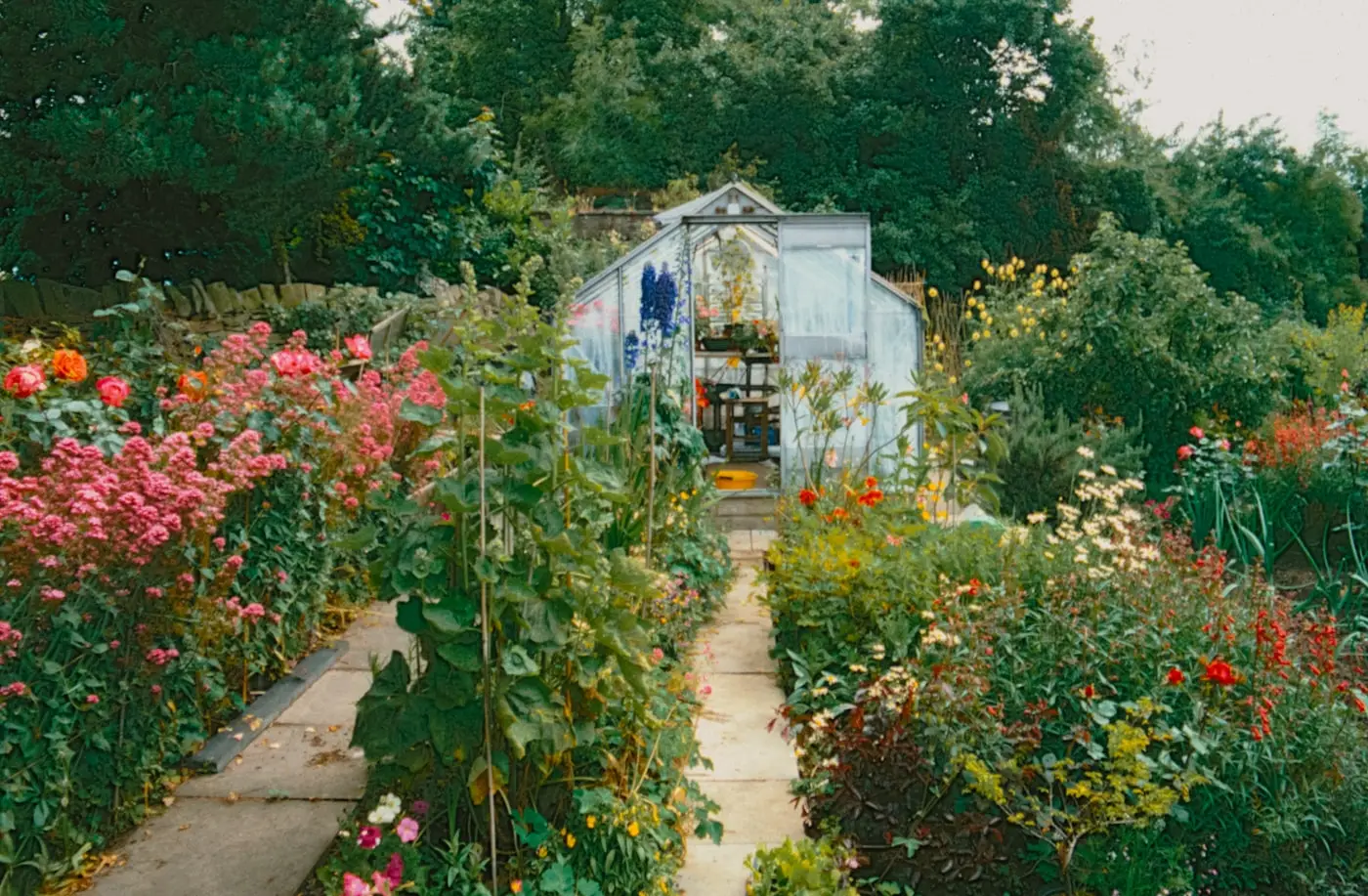
Sheffield earns its reputation as a city of gardens. More than 60% of the city's land area is green space of some kind, from the formal parks of Endcliffe and Graves to the steep woodland valleys that run from the city centre out into the Peak District National Park. The Rivelin, Porter, Sheaf, and Don corridors are all within cycling distance of most residential areas, and that connection to the natural landscape influences how Sheffield residents think about their own outdoor spaces. When you look out from a hillside garden in Crosspool or Fulwood, you are looking towards Stanage Edge and the Dark Peak - and that view shapes what people want from the space between their house and the horizon.
Garden design in Sheffield is also shaped by two things that do not always get discussed: the city's dramatic topography and its unusually varied soils. These are not abstract geological facts - they directly determine what a designer can and cannot do, what it will cost to do it, and which plants will thrive once the project is complete. Understanding both before you commission a designer will help you have a more productive conversation and end up with a more realistic brief.
Sheffield's Topography and What It Means for Your Garden
Sheffield is built on a series of river valleys cutting east through the Pennine foothills. The result is that most of the city's western and northern suburbs sit on significant gradients. In Crosspool, Fulwood, Lodge Moor, and Hillsborough, many domestic plots drop or rise by 3 to 6 metres across their length - sometimes more. In the valley-bottom streets of Hillsborough and Wisewood, gardens are often flat but overshadowed by embankments. In the more affluent southern suburbs of Dore, Totley, and Ecclesall Road South, large detached properties sit on sweeping slopes with views that are genuinely spectacular on a clear day.
Slope changes everything about a design. A flat garden can be treated as a single space with a relatively simple layout. A sloped garden needs a structural decision made early: will you level it into terraces, or work with the gradient in a more naturalistic way? Terracing creates distinct horizontal spaces with clear functions, requires retaining walls, and costs significantly more to build. Working with the slope can produce beautiful results - graded planting, paths that traverse the contours, lawn areas that tilt slightly - but requires a more sophisticated design hand. Most Sheffield hillside gardens end up with a hybrid: some terracing where it matters most (typically the area closest to the house), and a more naturalistic treatment lower down.
In Nether Edge, Crookes, and the Victorian terrace streets of Broomhill and Sharrow, the situation is different: small rear gardens, often 30 to 60 square metres, typically north-facing at the back and shaded by neighbouring houses. These are design challenges of a different kind - how to make a compact, shaded space feel generous, interesting year-round, and manageable for a busy household without a large maintenance budget.
Sheffield's Soils: Clay and Gritstone
The city divides roughly along a geological line running north to south. East of that line - covering most of the urban area from Hillsborough through the city centre to Heeley and Woodseats - the underlying geology is Coal Measures: clays and sandstones laid down during the Carboniferous. The soils in these areas tend to be heavy, poorly draining, and can become waterlogged in wet winters. They are, however, nutrient-rich, and once their drainage issues are managed, they are productive growing soils.
West of the line - Crosspool, Fulwood, Lodge Moor, Ranmoor, and the slopes running up towards the Peak District boundary - the geology shifts to Millstone Grit: an acid, coarser rock that produces lighter, faster-draining, lower-pH soils. If you are in Crosspool or Lodge Moor, you are gardening on acid soil. This is excellent news if you want Rhododendrons, Azaleas, Pieris, Heathers, or Kalmia - all of which will thrive without any soil amendment. It is less good news if you want alkaline-loving plants like Cistus or many of the Mediterranean herbs, which will need raised beds with imported compost if they are to perform well.
Knowing your soil before you plan
Sheffield's soil divide is pronounced enough that a designer working in Crosspool needs a different plant palette from one working in Nether Edge. A simple pH test (available from garden centres for under £10) will tell you where your soil sits. If you are commissioning a full design, ask your designer to conduct or arrange a soil test as part of the initial site assessment - it should be standard practice but is not always offered automatically.
What Garden Design Costs in Sheffield
| Scope | Typical Cost | What's Included |
|---|---|---|
| Concept drawings only | £400-£900 | Site visit, measured survey, initial concept sketches. Useful starting point before committing to a full project. |
| Full design (plan only, no build) | £700-£2,500 | Measured survey, scaled planting plan, hard landscaping layout, materials specification, plant list. You implement using your own contractors. |
| Small terrace garden (Nether Edge, Crookes, Broomhill) | £4,000-£9,000 | Design and build. Typically 30-70 sqm. New patio, border replanting, fencing or trellis screening. Hard landscaping dominates the budget. |
| Medium suburban garden (Crosspool, Hillsborough, Woodseats) | £9,000-£18,000 | Design and build. Typically 80-200 sqm, possibly sloped. Includes patio, paths, planted borders, structural planting, possible modest terracing. |
| Large hillside garden with terracing (Fulwood, Dore, Totley) | £18,000-£35,000+ | Significant hard landscaping including retaining walls, multiple terrace levels, extensive planting, possibly irrigation, lighting, and drainage work. |
| Planting refresh (existing structure retained) | £2,000-£6,000 | New planting scheme for existing beds, no structural changes. Good option if your layout works but planting is tired or wrong for the soil. |
These are combined design-and-build costs. The designer's fee is typically 10 to 15% of the total. Retaining walls are a significant cost driver on Sheffield hillside projects: dry-stone or natural stone walling runs from £200 to £450 per linear metre installed; concrete block with render or cladding is cheaper but less attractive in most garden settings. See our garden landscaping cost guide for Yorkshire for a fuller breakdown.
The Sheffield Garden Design Process
Stage 1: Initial site visit and brief
A good designer will spend at least an hour on the initial visit. On a sloped Sheffield plot, they will check the gradient, identify existing drainage patterns, look at which direction the slope faces (south-facing slopes are warm and dry; north-facing slopes are cool and potentially damp), and assess the scale of any structural work needed. They will also look at what is worth keeping - mature shrubs or trees that provide structure, existing walls or paving that can be incorporated. The brief conversation covers how you use the garden: entertaining, growing food, children playing, wildlife, privacy. Sheffield's hillside plots often have very strong views, and a good designer will ask explicitly how you want to frame or engage with those views rather than treating them as incidental.
Stage 2: Concept and layout
For a sloped Sheffield garden, the concept stage is where the structural decisions get made - how many terrace levels, where retaining walls sit, how paths connect levels, where the main seating area is positioned. These decisions are harder to change later than plant species choices, so it is worth spending time here before signing off. A designer should present at least two layout options for a complex sloped site, showing how different structural approaches produce different spaces.
Stage 3: Detailed design
Once the layout is agreed, the designer produces scaled drawings and a planting plan. For Sheffield acid-soil gardens in the west of the city, a good planting plan will exploit the soil's suitability for ericaceous shrubs. For clay-soil gardens to the east, it will specify plants with good wet-soil tolerance for the lowest points of the plot and work through appropriate drainage improvements. Materials specifications should reference locally available stone where possible - Sheffield has good access to Yorkshire sandstone and gritstone, which look natural and appropriate and are typically more affordable than imported materials.
Stage 4: Implementation and planting
Autumn planting (October to November) is ideal for most trees, shrubs, and perennials. Sheffield's climate is cooler and wetter than southern England, with late frosts possible into early May in exposed western suburbs. Tender plants - dahlias, cannas, salvias from warmer climates - should go in after mid-May at the earliest, or be given frost protection. The city's urban heat island effect means inner-city gardens (Nether Edge, Broomhill, Heeley) are typically several degrees warmer than the rural fringe, which widens the plant palette available.
Garden Styles That Work in Sheffield
Wildlife-friendly and naturalistic
Sheffield's position on the edge of the Peak District and its extensive network of green corridors makes wildlife-friendly design genuinely effective here, not just aspirational. Domestic gardens that include native hedgerow plants, pond or bog features, meadow grass areas, and permeable hard landscaping connect directly to functional ecological networks. Sheffield has breeding populations of hedgehogs, house sparrows, swifts, and multiple bat species that move through garden habitats. The city's tree canopy - already the densest of any UK city outside London - means that additional tree planting in gardens has a cumulative effect on the urban forest. A wildlife-focused designer will incorporate species that support pollinators and birds while still producing a beautiful, structurally coherent garden.
Modern urban gardens
In the inner suburbs - Nether Edge, Crookes, Broomhill, Ecclesall Road - there is strong demand for contemporary garden design that makes compact, often shaded spaces feel generous and well-considered. Contemporary design at this scale typically means high-quality hard landscaping (porcelain or natural stone paving, clean-lined raised beds), a limited but considered plant palette, good artificial lighting, and structural evergreens that hold the garden through winter. The emphasis is on craftsmanship and proportions rather than planting volume.
Hillside terraced gardens
Fulwood, Dore, Totley, and the upper parts of Crosspool are where Sheffield's most ambitious garden design projects tend to happen. Large houses on steep plots with panoramic views create the brief for multi-level terracing with distinct spaces on each level, often including a main entertaining terrace with outlook, planted slopes with structure planting, and a lower area for lawn or productive growing. Natural stone is almost always the right material choice here: gritstone and sandstone in tones that match the local geology look right in a way that imported concrete-effect products do not.
Productive and kitchen gardens
Sheffield's allotment culture runs deep - the city has over 5,000 allotment plots, one of the highest per-capita figures in the country. That productive instinct carries into domestic gardens, and raised bed kitchen gardens integrated into a broader design scheme are one of the most common briefs for Sheffield designers. On hillside plots, raised beds can be incorporated into a terracing scheme as a design element, not just a utilitarian afterthought. A productive-focused design should include composting provision, a water supply for irrigation, and enough growing area to make it worth tending.
For regular garden upkeep after your design is complete, our guide to gardeners in Sheffield covers what to expect from ongoing maintenance, what local gardeners charge, and what Sheffield's terrain and soils mean for routine care.
Ready to design your Sheffield garden?
Tell us about your plot and we put your enquiry in front of local designers who cover Sheffield and the surrounding S postcode area.
Start the assessmentFrequently Asked Questions
How much does garden design cost in Sheffield?
For a medium Sheffield garden combining hard landscaping and planting, expect to pay £5,000 to £14,000. Larger hillside properties in Fulwood, Dore, or Totley with significant terracing requirements run from £14,000 to £30,000 or more. Victorian terrace gardens in Nether Edge or Crookes typically come in at £4,000 to £9,000 for a full design and build. Design-only fees without implementation are usually £600 to £2,500. Terracing on a steep slope adds cost: retaining walls in natural stone can run £200 to £400 per linear metre before any planting.
Which design style suits a Sheffield hillside garden?
Terraced levels with retaining walls are the most practical solution for steep Sheffield plots. Natural stone (gritstone or sandstone) works well visually and ties in with the local geology. Each terrace can serve a different function: upper level as a deck or seating area with views, middle as a planted border, lower as lawn or productive garden. Wildlife-friendly designs also work very well on hillside plots - graded planting from structured at the top to naturalistic meadow lower down creates a flowing garden that reduces maintenance and connects to Sheffield's woodland corridors.
Do I need planning permission for garden changes in Sheffield?
Most domestic garden landscaping does not require planning permission. Key exceptions: walls or fences over 1 metre adjacent to a highway or 2 metres elsewhere; hard surfaces on front gardens over 5 square metres using non-permeable materials; and any works affecting a listed building or its curtilage. Sheffield has conservation areas in Broomhill, Sharrow, Nether Edge, and Crosspool - if your property falls within one, check with Sheffield City Council before proceeding. Steep retaining walls over 1 metre on or near boundaries may also require a structural engineer's sign-off.
What plants grow well in Sheffield's clay soils?
The coal-measure clays across much of urban Sheffield are heavy and can waterlog in winter, but they are nutrient-rich. Plants that perform well include Persicaria, Astilbe, Ligularia, Rodgersia, Hosta, Viburnum, and most hardy ferns. On the millstone grit in western suburbs like Crosspool and Fulwood, soils are acidic and free-draining - ideal for Rhododendron, Azalea, Pieris, and heathers that would struggle on alkaline soils.
How do I design a wildlife-friendly garden in Sheffield?
Sheffield's position on the edge of the Peak District and its extensive green corridor network means domestic gardens can genuinely contribute to wildlife connectivity. Key moves: include a small pond or bog feature; plant native hedgerow species (hawthorn, dog rose, blackthorn); leave areas of rough grass; install hedgehog gaps in fencing; and use permeable rather than solid paving. A wildlife-focused designer will plan planting in layers from canopy to ground to maximise habitat diversity.
How long does a garden design project take in Sheffield?
From initial site visit to completed garden, allow 3 to 9 months. The design phase typically takes 4 to 10 weeks. For Sheffield hillside projects with terracing and significant hard landscaping, the build phase can run to 4 to 8 weeks. Planting is best done in autumn (October to November) or early spring (March to April). Sheffield's valley microclimates can extend frost risk into May in some areas, so tender plants should wait until the risk has passed.
What is the difference between a garden designer and a landscaper in Sheffield?
A garden designer creates the plan: spatial layout, planting design, materials specification, and design concept. A landscaper is the contractor who builds it. Some Sheffield firms offer both as a design-and-build service. Using a separate designer gives you independent oversight during the build, which is particularly valuable on complex terracing projects in Fulwood or Dore where the build needs to be done to specification. Our garden design service can put your enquiry in front of the right approach for your project.
Can I have a productive garden in Sheffield?
Yes - Sheffield has one of the UK's strongest allotment cultures and that productive ethic translates well into domestic gardens. Raised beds integrate naturally into terracing schemes on sloped plots. Sheffield's rainfall is good for most vegetables, and the urban heat island effect means inner-city gardens in Nether Edge, Broomhill, and Crookes are often warm enough for a wide range of food crops. A well-designed kitchen garden can include raised beds, espaliered fruit trees against south-facing walls, a cold frame, and a composting area.
How do I manage drainage in a Sheffield garden?
Drainage is a genuine challenge in Sheffield's clay-soil areas. The most effective measures are: breaking up the subsoil with a garden fork or hired soil aerator; incorporating generous amounts of grit and organic matter into planting beds; using raised beds for vegetables to guarantee free drainage; and specifying permeable rather than solid paving for hard landscape areas. On sloped sites, French drains or channel drainage can redirect surface water. A designer experienced in Sheffield soils should flag drainage issues at the initial site visit and propose solutions as part of the design rather than as an afterthought.