Garden makeover service across Yorkshire
Garden Makeover Service in Yorkshire
A garden makeover takes your tired, neglected or poorly laid-out garden and transforms it into something that works properly - the right planting for your soil, a layout that suits how you use the space, and a finish that holds through the seasons. We connect you with local specialists across Yorkshire who quote directly and carry out the full transformation from clearance to planting.
- Free quotes, no obligation
- Local gardeners
- 240+ Yorkshire towns covered
- No call centres
What is a garden makeover?
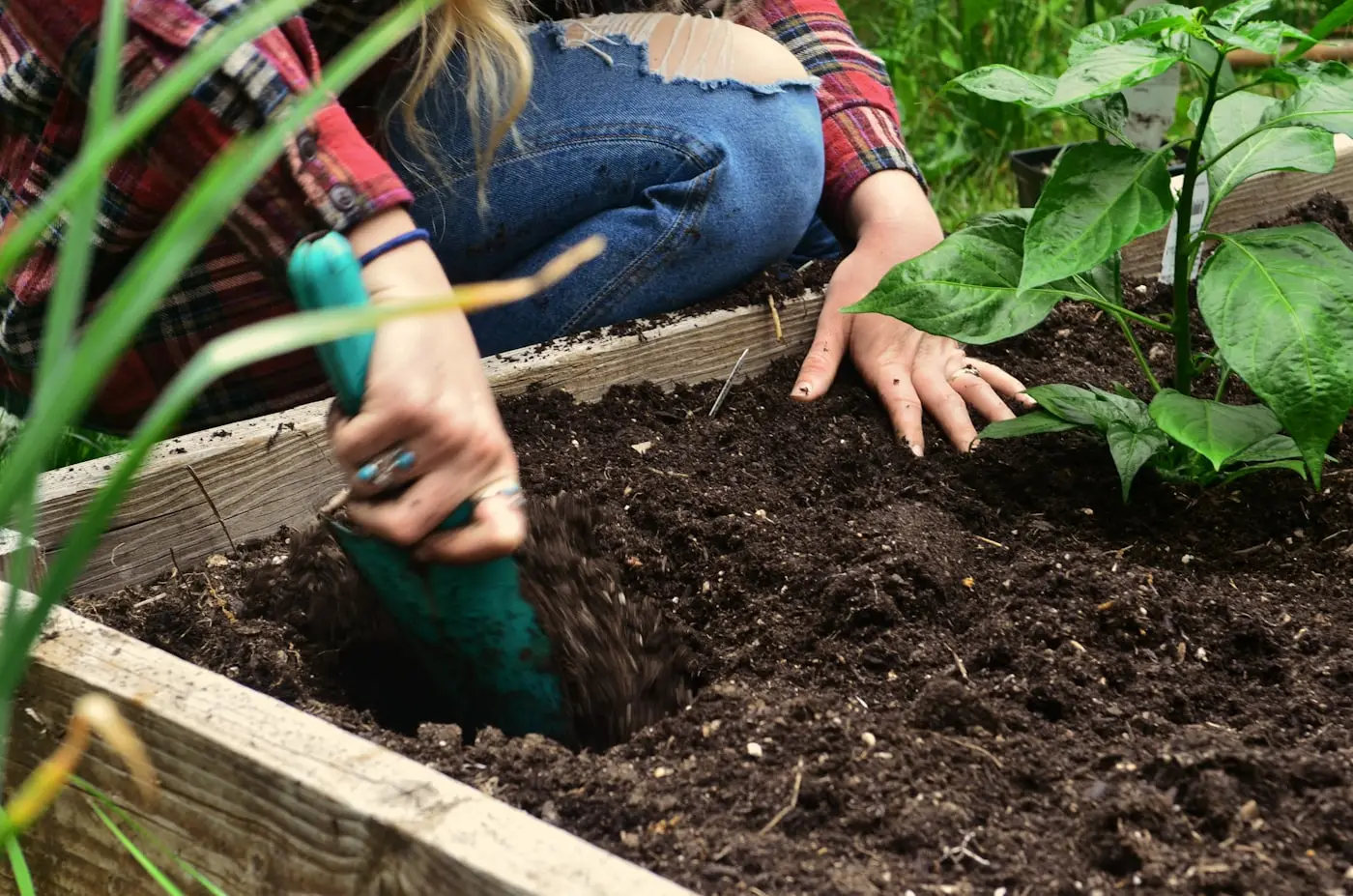
A garden makeover is the complete process of transforming your outdoor space from what it is now to what you want it to be. It is not a tidy or a maintenance visit. It is a proper, planned intervention that changes the character of your garden - the layout, the planting, the surfaces, the structure.
For most Yorkshire homeowners, the trigger is one of a handful of recognisable situations: a garden that has been let go over several years and looks beyond a normal tidy; a new house with builder's turf and empty borders that has never been properly set up; a garden that works but has been outgrown and no longer suits how the family uses the space; or an older garden where the original planting has run its course and needs a fresh start. In every case, the goal is the same - a garden that looks right, works for your life, and holds its shape without constant fighting.
The scope of a makeover varies considerably. At the simpler end, it might mean clearing overgrown borders, improving the soil, and replanting with a considered scheme - a significant improvement that can be achieved in two or three days. At the more involved end, it means a full transformation: clearance, new hard landscaping, drainage work, structural planting and a carefully designed planting scheme that carries seasonal interest through the year. Most Yorkshire residential makeovers fall somewhere in between. The right scope for your garden depends on its current state, your brief, and your budget. For a broader look at the full makeover service available across Yorkshire, see our garden design service page which covers the design consultation phase in detail.
What does a Yorkshire garden makeover include?
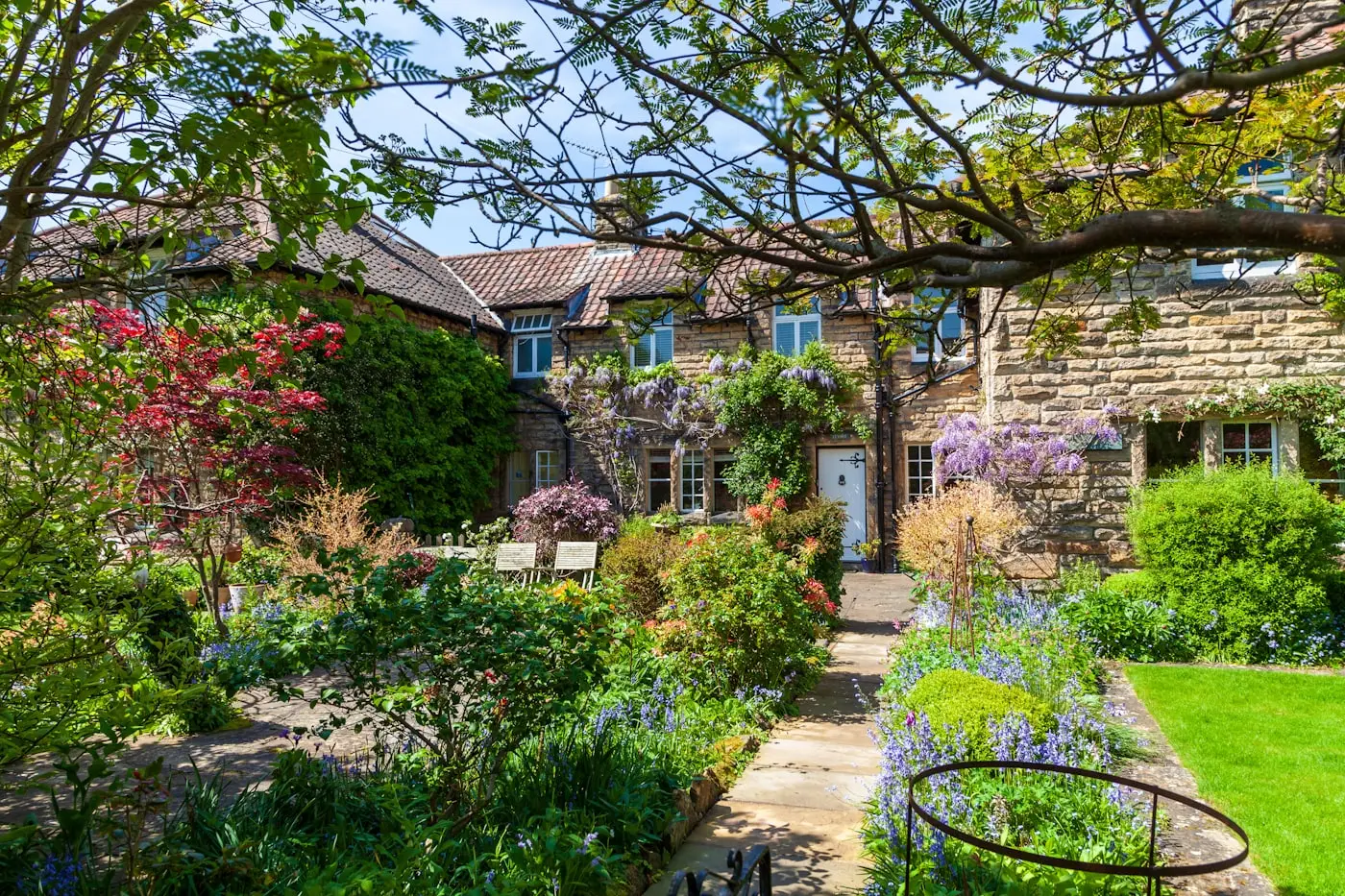
A full garden makeover is typically made up of several distinct phases, each of which may or may not be needed depending on your starting point. Understanding what each involves helps you build a realistic brief and a budget that does not move around later.
Initial consultation and site assessment
Every proper makeover starts with someone who knows what they are looking at visiting your garden. They will assess the soil type, drainage, light and shade patterns, what is worth keeping and what needs to go, and any structural issues that need addressing before planting. If you want a planting plan or design drawings, these come out of this stage. The assessment is also where a realistic project scope gets agreed - ideally with a written quote that breaks out labour, materials and plants separately.
Clearance
For gardens that have been neglected, clearance is the necessary first step. Overgrown grass, brambles, self-seeded shrubs, dead wood and accumulated waste all need to be removed before any meaningful design work can take place. Clearance is often underestimated in cost and time - a heavily overgrown garden can take a full day for two people just to clear, before any positive work begins. See our garden clearance service for detail on what clearance involves and how it is priced.
Hard landscaping
Hard landscaping is the structural skeleton of the garden: the patio, paths, raised beds, steps, walls and fencing. It is also typically where the largest share of your budget goes. Getting this right first time matters because hard landscaping is expensive to undo. A patio in the wrong position, a path that takes the wrong line, a raised bed in the wrong place - these mistakes compound everything that comes after. Hard landscaping is always designed and installed before planting begins.
Common hard landscaping elements in a Yorkshire garden makeover:
- New patio or replacement of existing tired paving
- Paths that connect key areas of the garden with a clear logic
- Raised beds for vegetables, herbs or elevated planting display
- Retaining walls or terracing on sloping plots (see the sloping garden Yorkshire guide for ideas on working with level changes)
- Steps between level changes
- New boundary fencing or garden wall repairs
- Pergola or garden structure for seating or climbing plants
Lawn renovation or new turf
Your lawn is usually the largest single surface in the garden and the one that sets the tone for everything else. If it has been neglected, scarification, overseeding and feeding can restore it over a season. If it is beyond saving, lifting and returfing gives you a clean start. New turf costs £8-14 per sqm supplied and laid including ground preparation. Lawn renovation (scarify, overseed, feed) costs £150-400 for a typical back garden. For makeovers on new-build plots, new turf is usually necessary because builder's topsoil and seed rarely produces a usable lawn.
Soil preparation and planting
Good planting starts with good soil. In Yorkshire, the soil varies enormously by location - clay in the Vale of York, limestone and chalk on the Wolds, acidic peat on the Pennine fringe, sand near the coast. Each requires different preparation and suits a different plant palette. Cutting corners on soil preparation is the main reason newly planted borders fail in the first year. A proper makeover includes digging over, improving organic matter, addressing drainage where needed, and mulching after planting to suppress weeds and retain moisture.
Structural planting goes in first - hedging, specimen trees and shrubs that define the bones of the design. Perennials and grasses fill in next, followed by any seasonal colour. The planting scheme should be designed to look good across as many months as possible, with interest moving through bulbs in spring, perennials through summer, seed heads and grasses in autumn, and evergreen structure in winter.
Finishing and post-planting care
A professional makeover ends with a proper finish: edges defined, mulch laid, any debris cleared, and a walkthrough with you to confirm everything has been done as agreed and to flag anything that needs attention. Some homeowners also add garden lighting at this stage - low-voltage path lights and uplighting for specimen plants make a significant difference to how the garden reads in the evening. Most makeover specialists also offer a follow-up visit at four to six weeks to check establishment, water during a dry spell, replace any losses and deal with early weed pressure in the new borders.
Garden makeover costs in Yorkshire
Yorkshire sits broadly 10-15% below London and south-east prices for garden and landscaping work. Within the county there are local variations - Harrogate commands a modest premium; rural North Yorkshire and the East Riding tend to be at or below the regional average. The costs below reflect realistic 2026 prices for the Yorkshire market. For a full UK-wide breakdown, see our garden makeover cost guide.
| Makeover scope | Typical cost (Yorkshire) | Notes |
|---|---|---|
| Basic border overhaul and replant | £500–£1,500 | Clearance, fresh planting, mulching. No hard landscaping. One to two days. |
| Lawn renovation plus garden tidy | £800–£2,000 | Scarify, overseed, feed, or new turf. Border tidy and basic replant. |
| Part redesign: patio plus planting | £3,000–£7,000 | New paved area, replanted borders, possibly new lawn. Materials drive the range. |
| Full transformation (mid-size garden) | £5,000–£12,000 | Clearance, design, hard landscaping, planting. 50-100 sqm plot. |
| Complete redesign (larger garden) | £8,000–£15,000+ | Full scope including drainage, structural planting, hard landscaping, design management. |
| Day rate (team of two) | £250–£450 per day | For flexible or phased work. Most projects quoted per job for certainty. |
Hard landscaping is always the largest cost driver. A 20sqm patio in yorkstone costs £4,000-7,000 installed; Indian sandstone runs £2,500-4,500; concrete slab paving drops to £1,500-2,500. Timber fencing (1.8m featheredge) costs £60-100 per metre supplied and fitted. Raised beds in railway sleepers run £200-350 per bed for materials and labour. Plants sourced at trade prices through your designer cost £3-7 each for most perennials; buying the same plants retail runs £8-15 each - this difference matters on a planting-heavy project.
For detail on what drives costs at each level, including how to phase a project if your budget does not stretch to the full scope at once, see the garden makeover cost guide. For a Ripon-specific breakdown, including what to expect from limestone-soil gardens in that area, see our garden makeover Ripon guide.
Ready to start your garden makeover?
Tell us your postcode, the current state of your garden, and what you want to achieve. We put your enquiry in front of a local specialist and come back with a realistic figure.
Get a makeover assessmentThe full guide
Types of garden makeover
Most makeover requests fall into one of four recognisable types. Understanding which applies to your garden helps you communicate your brief clearly and get quotes that reflect what you actually need.
Full garden transformation
A ground-up redesign that changes the entire character of the garden. The starting point is usually a neglected garden, a new-build plot with builder's turf, or a garden where the original layout no longer works. A full transformation involves every phase: clearance, design, hard landscaping, soil improvement, structural planting and planting scheme. This is the most time-intensive and expensive type of makeover, but it produces the most dramatic change. Budget £5,000-£15,000 for a typical mid-to-large Yorkshire residential garden.
Partial update or border overhaul
For gardens where the structure is broadly right but the planting has run its course or the borders have been neglected. This might mean clearing out tired, leggy shrubs, improving the soil, and replanting with a fresh scheme - leaving the patio, paths and lawn in place. A partial update is considerably cheaper than a full transformation and can produce a striking improvement for £500-£2,500 depending on the size of the planting areas and what goes in them.
Low-maintenance redesign
One of the most popular briefs in Yorkshire: a garden that looks good without constant weekly intervention. This typically involves removing high-maintenance plants (annuals, needy perennials, high-clip hedging), improving ground preparation, and replacing with robust long-season perennials, ornamental grasses and evergreen structure that only need two or three maintenance sessions a year. Mulched borders suppress weed growth between visits. A low-maintenance redesign costs £800-£3,500 depending on garden size. The ongoing saving in maintenance time and cost typically pays back the redesign investment within two to three years.
New-build first garden
Thousands of Yorkshire homeowners buy new-build properties every year and inherit a plot of compacted topsoil and rolled turf that barely qualifies as a garden. Setting up a new-build garden properly from scratch - new turf (the developer's often fails within a season), raised beds for vegetables, borders, patio, fencing, and sometimes a garden pond as a focal point - typically costs £3,000-£8,000 for a mid-size plot. Getting it right in year one is cheaper than repairing the mistakes from doing it on the cheap.
Before and after: what to expect
A garden makeover is not an instant process, but it is a surprisingly fast one when the scope is clear and the team is equipped for it. Understanding the sequence from first contact to finished garden helps you plan realistically.
- Assessment request. Fill in the estimate form with your postcode, a description of your garden and its current state, and four photos if possible: full garden view, worst area, access route, any existing features worth keeping. The more honest the description, the more accurate the first quote will be.
- Site visit and quote. A local specialist visits to assess the garden in person. They will discuss your brief, give you an honest view of the scope your garden needs, and produce a written quote with labour, materials and plants broken out. For larger projects, a design consultation produces sketches or a planting plan before the final quote is agreed.
- Design sign-off. You review and agree the plan and the quote before any work begins. If you want changes to the scope, this is the time to make them. Good contractors will not start work without a signed agreement.
- Clearance phase. If your garden needs it, clearance is first. All overgrown growth, waste and anything being removed is cleared and disposed of. This gives a clear canvas for the design work to follow.
- Hard landscaping. Patio, paths, raised beds, walls and any structural elements are installed. This is the longest phase on projects with significant hard landscaping. Drainage work, if needed, is also done at this stage.
- Soil preparation and planting. Once hard landscaping is complete and any soil improvements are in place, structural planting goes first, followed by perennials, grasses and any seasonal planting. Lawn work (scarification and overseeding, or new turf) is usually done last to protect the turf from traffic during the construction phase.
- Finishing. Edges are defined, mulch is laid, debris is cleared and the garden is walked through with you before the team leaves. Losses in the first season are normal - most reputable contractors will replace them at a follow-up visit.
- Establishment period. New planting typically takes one full growing season to look established. Year two is when most makeover gardens really come into their own. Good contractors will offer a follow-up visit at four to six weeks to check establishment and deal with early issues.
Garden makeovers by region
Yorkshire is a large county with enormous variety in soil type, climate, garden character and what homeowners expect from their outdoor space. The challenges - and the solutions - differ significantly between North Yorkshire, West Yorkshire, East Yorkshire and South Yorkshire.
North Yorkshire garden makeovers
North Yorkshire produces the highest volume of full-transformation makeover requests in the region, concentrated around Ripon, Harrogate, Knaresborough and the surrounding villages. Cathedral-close properties and older detached houses in the Ripon area carry substantial walled gardens with established borders that reward proper design attention - makeover work here tends toward restoration and enhancement rather than starting from scratch. For detail on what to expect from a Ripon-area project, see our garden makeover Ripon guide.
Harrogate and Ilkley produce a high volume of low-maintenance redesign requests from spa-town households who want beauty without weekly commitment. The challenge here is Harrogate's limestone-influenced soils, which drain quickly and suit drought-tolerant planting rather than moisture-lovers. Helmsley, Pickering and the North York Moors fringe deal with shorter growing seasons and harder winters - plant choices need to handle exposure and late frosts. For the full picture of what garden makeovers involve across the north of the county, see our garden makeover North Yorkshire guide.
West Yorkshire garden makeovers
West Yorkshire garden makeovers divide into two very different types. Mill-town terrace gardens in Halifax, Huddersfield, Hebden Bridge and the upper Calder Valley are often steep, narrow and restricted - courtyard solutions with vertical planting, raised beds and hard surfaces work better than traditional lawn-and-border layouts in plots only three to five metres wide. Climbing plants on walls and fences, compact shrubs and shade-tolerant species for north-facing plots are the staples here. The challenge is access: snicket access and high-walled gardens mean more barrow-work and longer labour times than the garden size suggests.
Suburban Leeds, Otley and the Wharfedale commuter belt produce more conventional makeover briefs: medium-to-large suburban gardens, often on new-build estates or recently bought family homes, where the brief is to set the garden up properly and make it look good through the season. Bradford and Keighley produce a mix of both types depending on the specific property.
East Yorkshire garden makeovers
East Yorkshire splits between the coastal strip and the inland Wolds. Coastal gardens around Scarborough, Whitby, Bridlington and Hornsea face salt exposure and wind as the defining constraints - plant choice narrows significantly and shelter planting is usually the first priority in any makeover. Salt-tolerant species such as sea holly, tamarisk, Rosa rugosa and escallonia handle the coastal conditions; most conventional perennials fail within a season without adequate shelter.
The Wolds chalk gardens around Pocklington, Driffield and Market Weighton have free-draining alkaline soils that warm early in spring and suit drought-tolerant Mediterranean planting: lavender, rosemary, salvias, sedums and ornamental grasses. Beverley and Hull gardens sit on heavier soils that need different preparation and a more moisture-tolerant palette.
South Yorkshire garden makeovers
Sheffield is one of the most interesting garden cities in England - its valleys and hillside plots produce an enormous variety of garden types. The steel-city terrace garden has similar challenges to the West Riding mill town; the larger detached properties in the Hallam, Ecclesall and Fulwood areas produce full-transformation briefs for substantial suburban plots. Doncaster, Barnsley and Rotherham tend toward heavier clay soils, and the garden character reflects it: tougher plants, more emphasis on drainage, and makeover briefs that often start with soil improvement rather than design.
How to plan your garden makeover
The most common mistake in garden makeovers is starting with aesthetics rather than function. You decide what you want it to look like, pick some plants, and then realise the layout does not work, the soil preparation was insufficient, and the budget ran out before the right things got done. Planning a makeover properly means working through the questions in the right order.
Start with how you use the space
Before thinking about what plants you want, be clear about how the garden needs to function. Do you need a usable patio for eating outside? A lawn area for children? Space to grow vegetables? Privacy from neighbours? Somewhere to sit in the evening when the sun moves around? A garden that looks beautiful in a photo but does not work for how you actually live in it is a failed makeover, however good the planting is. Write this down before your first conversation with a designer or contractor.
Be honest about your maintenance appetite
One of the most damaging mismatches in garden design is between what a homeowner wants the garden to look like and how much time they are realistically willing to spend maintaining it. A cottage garden full of perennials needs regular deadheading, division and replanting; a clipped formal garden needs frequent trimming. If you are not going to commit to regular maintenance, the garden should be designed accordingly: robust perennials, mulched borders, structural evergreens, and as little high-maintenance planting as possible. A good designer will ask about this early. Be honest in your answer.
Get the brief right before asking for quotes
Vague briefs produce vague quotes that change when the contractor arrives and sees the garden. Before you make your first enquiry, be clear about: the approximate size of the area to be transformed; whether you need hard landscaping or just planting work; what the current state of the garden is (take photos); what your realistic budget range is; and what your non-negotiables are (plants to keep, features that must stay or go). The more specific your brief, the more useful and comparable the quotes you receive will be.
Understand what drives the cost
Hard landscaping is where most of the money in a full makeover goes. If your budget is constrained, you can often reduce the scope of hard landscaping without compromising the transformation significantly - a simple patio rather than a complex multi-level design, permeable gravel rather than expensive stone, railway sleeper raised beds rather than built blockwork. Plants are considerably cheaper than paving, and a strong planting scheme can make a simple hard landscape look exceptional. For more on where the money goes in a garden makeover, see our Yorkshire gardening price guide.
Think about the sequence
The correct sequence for a garden makeover is: clearance, then hard landscaping, then soil preparation, then structural planting, then border planting, then lawn work last. Deviating from this order causes problems: turf laid before construction traffic arrives gets destroyed; border planting before hard landscaping means digging up plants to lay paths. A contractor who proposes a different sequence should be able to explain why - if they cannot, it is a flag.
How to book
Booking a garden makeover through this site is straightforward. Use the estimate form to tell us your postcode, the current state of your garden, what you want to achieve and your approximate budget. Include photos if you can: four is usually enough - full garden view, worst area, access route and any existing features worth keeping.
A local specialist can take it on and contact you. They will discuss your brief, agree a scope of work, and provide a written quote with labour, materials and plants broken out. For larger projects, a design consultation produces a plan before the final quote is agreed.
You deal directly with the specialist who carries out the work - no call centres, no subscription fees. Payment goes direct to them. Most makeover contractors request a deposit on booking and the balance on completion. For significant hard landscaping projects, stage payments tied to completion milestones are normal.
If you are ready to get started, use the form below. If you want to understand costs in more detail before making an enquiry, the garden makeover cost guide and the Yorkshire gardening price guide have everything you need.
Frequently asked questions about garden makeovers in Yorkshire
How much does a garden makeover cost in Yorkshire?
A full garden makeover in Yorkshire typically costs between £2,000 and £15,000 depending on scope. A basic border overhaul and replant runs £500-£1,500. A part redesign covering new patio and planting falls in the £3,000-£7,000 range. A complete transformation with hard landscaping, design, clearance and planting runs £8,000-£15,000 and above. For a full breakdown by project type and garden size, see the garden makeover cost guide.
How long does a garden makeover take?
A planting overhaul or lawn renovation is typically one to three days' work. A full transformation covering clearance, hard landscaping and planting can run three to six weeks. Yorkshire's weather is a factor: frost risk extends into late April above 200m, which affects when soil work and planting can begin. For a detailed breakdown of how long each phase takes from first enquiry to finished garden, see the garden design timeline guide for Yorkshire.
What is included in a full garden makeover?
A full garden makeover typically includes: design consultation and site assessment; clearance of existing planting; hard landscaping (patio, paths, raised beds); lawn renovation or new turf; soil preparation and amendment; structural and border planting; and finishing. Some projects also include drainage, irrigation, lighting and garden structures. The scope is tailored to your garden and your brief.
Do I need planning permission for a garden makeover?
Most garden makeover work does not need planning permission under UK Permitted Development rights. Exceptions apply in conservation areas, National Parks and for listed buildings. Your designer will flag any constraints. When in doubt, check with your local planning authority before starting structural work.
What is the best time of year for a garden makeover in Yorkshire?
Autumn and spring are the best planting windows. Hard landscaping can be done year-round in dry conditions. If you want plants in by April, start the planning process in January. Frost risk in upland Yorkshire extends into late April - lowland areas around York and Hull typically see last frosts by mid-March.
How much does garden makeover work cost per day?
Day rates for a makeover team of two typically run £250-£450 per day depending on the type of work. Most residential makeovers are quoted per job for certainty rather than on a day rate. Ask for a fixed project quote with materials broken out separately.
Can you do a makeover on a neglected or overgrown garden?
Yes. Neglected gardens are one of the most common starting points. The process begins with clearance to remove overgrown growth and waste, then the garden can be properly assessed and the makeover design begins. See our garden clearance service for detail on the clearance phase.
What is the difference between a garden makeover and garden design?
Garden design is the planning phase: the consultation, the planting plan, the layout drawings. A garden makeover is the full end-to-end process of physically transforming your garden, which typically includes design but extends through clearance, hard landscaping, planting and finishing. For the design-only service, see our garden design service.
What plants work well in a Yorkshire garden makeover?
Plant choice depends on your location and soil. Clay soils in the Vale of York suit astilbes, hostas, persicaria and shrub roses. Limestone and chalk on the Wolds and Dales margins favour salvias, sedums, ornamental grasses and lavender. Pennine acidic soils suit rhododendrons and heathers. Coastal gardens need salt-tolerant species. A local specialist will assess your plot specifically.
Can you work with my existing plants during a makeover?
Yes. A good makeover keeps mature, healthy plants that are well positioned and builds the new design around them. Your designer will assess what is worth keeping, what needs repositioning, and what should be removed.
Do I need to be home during the makeover?
Not necessarily, provided access is arranged and the full scope has been agreed and signed off before work starts. Being on site at the start of the first day to walk through the plan is strongly recommended.
Can I phase a garden makeover across two years?
Yes. Phasing is sensible when budget is a constraint. Typical year one: hard landscaping, structural planting, lawn renovation. Year two: border planting, infill perennials, finishing details. This spreads cost and lets you plant in the right seasonal windows.
Further reading
- Garden makeover in Ripon
- Garden makeover cost guide
- Patio laying costs in Yorkshire
- Garden fencing costs and options in Yorkshire
- Spring garden tidy guide for Yorkshire
- Garden path laying in Yorkshire
- Creating a wildflower meadow in Yorkshire
- Small garden ideas for Yorkshire
- North-facing garden planting guide for Yorkshire
How do I get a garden makeover quote in Yorkshire?
Use the estimate form on this site. Provide your postcode, a brief description of your garden and what you want to achieve, and ideally four photos: full garden view, worst area, access route, and any existing features you want to keep. A local specialist can take it on and contact you with a realistic figure before any visit is arranged. No call centres, no subscriptions - you deal directly with the person who will carry out the work.
Garden makeovers across all of Yorkshire.
Local specialists covering 240+ towns and surrounding villages. Find a gardener near you in Yorkshire - pick your town for local pricing and what typically gets booked in your area.
- Ackworth
- Acomb
- Addingham
- Adwick-le-Street
- Armthorpe
- Baildon
- Barlby
- Barnsley
- Batley
- Bawtry
- Bedale
- Beverley
- Bingley
- Birstall
- Bishopthorpe
- Bolton-upon-Dearne
- Boroughbridge
- Boston Spa
- Bradford
- Bridlington
- Brighouse
- Brough
- Burley-in-Wharfedale
- Castleford
- Catterick Garrison
- Cleckheaton
- Conisbrough
- Copmanthorpe
- Cottingham
- Crofton
- Cudworth
- Darton
- Denby Dale
- Dewsbury
- Doncaster
- Driffield
- Dunnington
- Easingwold
- Elland
- Emley
- Farsley
- Featherstone
- Filey
- Flockton
- Garforth
- Golcar
- Goldthorpe
- Goole
- Grassington
- Greetland
- Guisborough
- Guiseley
- Halifax
- Harrogate
- Hawes
- Haworth
- Haxby
- Hebden
- Hebden Bridge
- Heckmondwike
- Hedon
- Helmsley
- Hemsworth
- Hessle
- Holmfirth
- Honley
- Horbury
- Hornsea
- Horsforth
- Howden
- Hoyland
- Huddersfield
- Hull
- Huntington
- Ilkley
- Keighley
- Kippax
- Kirkburton
- Kirkbymoorside
- Knaresborough
- Knottingley
- Leeds
- Leyburn
- Linthwaite
- Liversedge
- Loftus
- Long Preston
- Maltby
- Malton
- Market Weighton
- Marsden
- Masham
- Meltham
- Mexborough
- Middleham
- Mirfield
- Morley
- Mytholmroyd
- Normanton
- North Cave
- Northallerton
- Norton
- Ossett
- Otley
- Pateley Bridge
- Penistone
- Pickering
- Pocklington
- Pontefract
- Poppleton
- Pudsey
- Queensbury
- Rawcliffe
- Rawmarsh
- Reeth
- Richmond
- Ripon
- Rotherham
- Rothwell
- Royston
- Saltburn-by-the-Sea
- Scarborough
- Selby
- Settle
- Sheffield
- Sherburn-in-Elmet
- Shipley
- Silsden
- Skelmanthorpe
- Skipton
- Slaithwaite
- South Elmsall
- Sowerby Bridge
- Spofforth
- Sprotbrough
- Stamford Bridge
- Stocksbridge
- Stockton-on-the-Forest
- Stokesley
- Strensall
- Swanland
- Swinton
- Tadcaster
- Thirsk
- Thorne
- Thornton
- Thurnscoe
- Tickhill
- Todmorden
- Upton
- Wakefield
- Wath-upon-Dearne
- Wetherby
- Whitby
- Willerby
- Withernsea
- Wombwell
- Yeadon
- York