Pond Installation in Yorkshire - A Practical Guide
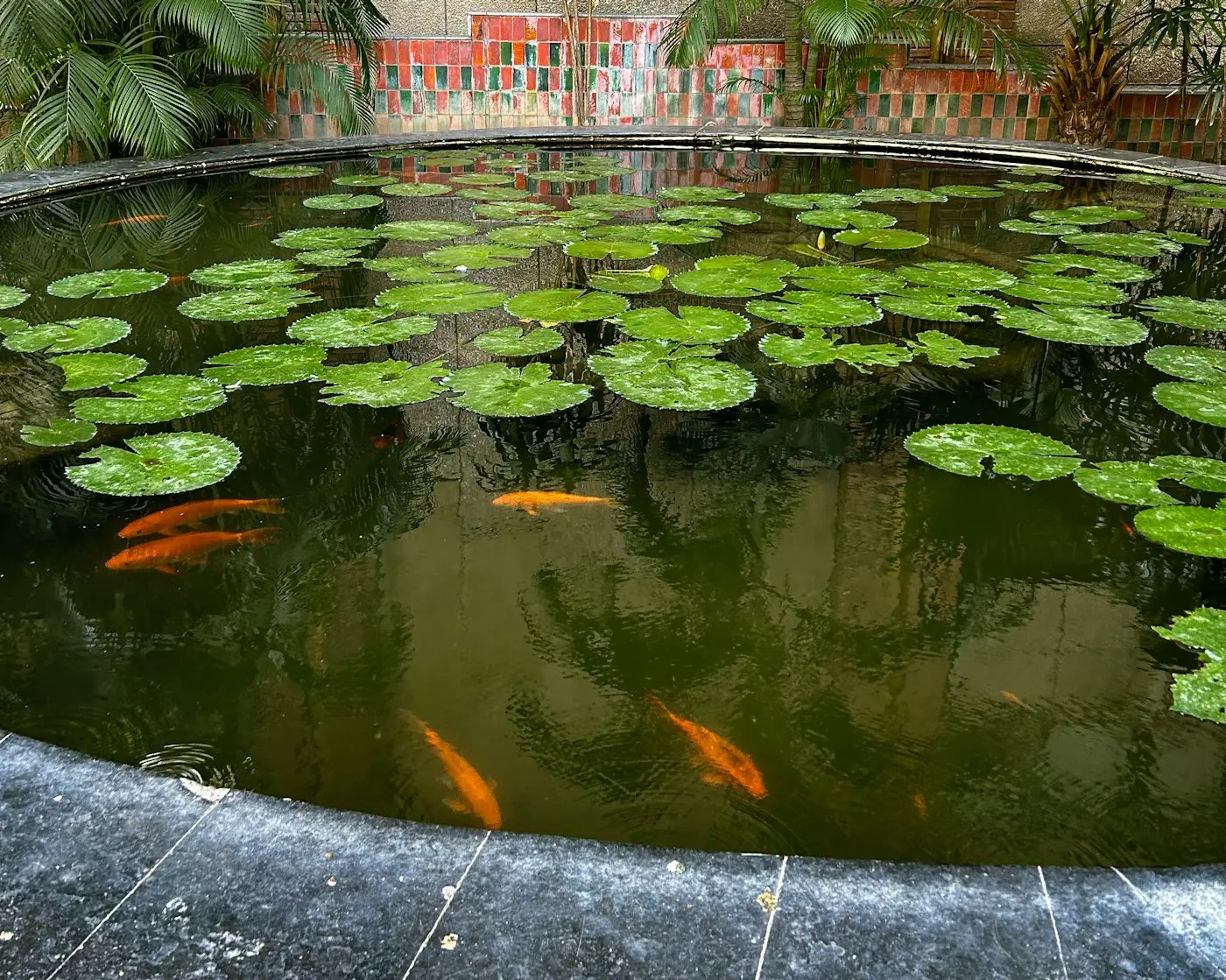
A garden pond is the single most effective wildlife addition you can make to a Yorkshire garden. Frogs, newts, dragonflies, hedgehogs coming to drink - within a year a new pond attracts species you never knew were in the area. It also improves your garden aesthetics in a way that costs a fraction of a full redesign.
Quick answer on cost: a decent wildlife pond, properly dug and lined, costs £300-700 DIY or £800-2,500 professionally installed, depending on size and finish. A formal koi pond is a different conversation - start at £2,000 and budget up from there.
Types of Garden Pond - and Why It Matters for Cost
The word "pond" covers a wide range, and what you want determines both cost and complexity.
Wildlife pond
The simplest and most rewarding option for most Yorkshire homeowners. No filtration, no pump required, shallow margins, planted with native species. Frogs, newts, diving beetles, and dragonflies will colonise naturally. Costs are lowest and maintenance is minimal once established.
Formal or ornamental pond
A structured, often geometric pond with clean edges - typically brick or stone surround, sometimes a fountain. Suits traditional Yorkshire stone gardens and contemporary designs equally. Usually needs a pump for water movement. Costs more to build and to run, but looks excellent beside a patio or path.
Koi pond
A completely different proposition. Koi need excellent filtration, sufficient depth (ideally 1.2m+), and regular water quality testing. Equipment alone (filter, pump, UV clarifier) can cost £500-2,000 before you account for the fish. Not a beginner project, and not something most garden landscapers build - you want a specialist.
Yorkshire-Specific Considerations
Clay soil: mostly good news
Much of Yorkshire sits on clay - Vales of York, parts of West Yorkshire, much of the East Riding. For pond building, clay is actually helpful: a clay-puddled pond can hold water without a liner at all, though most installers still use a liner for reliability. The problem comes at the margins. Clay banks can collapse when saturated, particularly in the wet winters you get in the Pennine foothills around Halifax, Bradford, and Huddersfield. Make shallow shelves at 20-30cm depth and plant them with marginals to stabilise the bank.
The flip side: Yorkshire clay can hold water in the wrong places. Before you dig, assess where your garden drains. A pond in a natural low spot will fill with surface run-off - fine if you account for it, a problem if it turns your wildlife pond into a muddy overflow. See our guide to garden drainage in Yorkshire if you suspect your garden has existing waterlogging problems.
Yorkshire winters and pond depth
Yorkshire winters are cold enough to freeze shallow ponds solid. A pond that freezes all the way through kills fish and frogs. You need at least 60cm depth in part of the pond - 75cm is better if you are keeping fish. This is non-negotiable in Yorkshire, where January cold snaps can last two weeks. Even in the lower-lying areas around York and Selby, a hard frost can lock the surface for days.
East Riding and Humber: high water table
In the low-lying parts of the East Riding - particularly around Goole, Snaith, and the Humber estuary - the water table can be very close to the surface. This means a pond may fill from below as well as from rain. That sounds convenient, but it complicates liner installation and can make controlling water level difficult. Get advice from a local landscaper before digging if you are in the YO25, DN14, or HU area.
Liner, Pre-Formed, or Concrete?
Flexible liner (butyl rubber or EPDM)
The most versatile option. Fits any shape, any depth. Butyl rubber is the premium choice - handles Yorkshire freeze-thaw cycles well, UV stable, lasts 20-30 years. EPDM is cheaper and still performs well. You will need underlay beneath the liner to protect against sharp stones or roots.
- Cost of liner: £1.50-3.50/sqm for EPDM; £4-8/sqm for butyl
- Suitable for: all pond types, any shape
- DIY-friendly: yes, with care
Pre-formed pond shells
Rigid GRP (fibreglass) or plastic shells. Quick to install, defined shape, no liner to puncture. Limited range of sizes - most pre-formed ponds are too small to be really effective for wildlife. They also sit high in the ground, making natural-looking edges difficult.
- Cost: £50-300 for the shell; £100-400 all-in DIY for a small pond
- Suitable for: small decorative ponds, quick installations
- DIY-friendly: yes, easiest option
Concrete
Durable, long-lasting, good for formal ponds and koi ponds. Expensive to build correctly - concrete must be sealed (bare concrete leaches lime and alters pH) and is prone to cracking if the ground moves. Yorkshire clay does move with moisture, so concrete ponds need proper reinforcement and expansion joints. Not usually recommended for wildlife ponds.
- Cost: typically £3,000-8,000 for a professionally built concrete koi pond
- Suitable for: formal ponds, koi ponds
- DIY-friendly: not really
Planning Permission
Most garden ponds do not need planning permission. Permitted development rights cover standard domestic pond installation. Exceptions:
- Listed buildings or curtilage of a listed building
- Conservation areas (check with your local authority - York, Harrogate, and many Yorkshire market towns have extensive conservation areas)
- Yorkshire Dales or North York Moors National Park (different planning rules apply)
- Very large ponds (over roughly 20sqm surface area in some authorities)
When in doubt, call your local planning department before you dig. A five-minute call saves a lot of hassle.
Children's Safety
A garden pond is a drowning risk for young children. If you have children under five in the household - or regular visiting grandchildren - you need a safety plan before the pond goes in.
Options:
- Fencing: a low fence (600-900mm) around the pond with a self-closing gate. Effective but changes the look of the garden.
- Metal grid over the pond: a steel mesh grid at water level or just below, galvanised so it doesn't rust. It supports weight if a child falls in, allows wildlife access, and is largely invisible once plants grow around it. This is probably the best balance of safety and aesthetics. Cost roughly £200-500 fitted depending on size.
- Bog garden instead: if you want wildlife benefits without the drowning risk, a bog garden - permanently damp, planted with moisture-loving species - achieves much of the same wildlife value with no standing water. Worth considering for gardens with very young children.
Pond Installation Cost Breakdown
| Pond type | DIY cost | Professionally installed |
|---|---|---|
| Small wildlife pond (3x2m, liner) | £300-700 | £800-1,500 |
| Larger wildlife pond (5x4m, liner) | £500-1,000 | £1,500-3,000 |
| Formal ornamental pond with pump | £600-1,500 | £1,500-4,000 |
| Koi pond (1.2m+ depth, filtration) | Not recommended DIY | £3,000-8,000+ |
| Pre-formed shell (small decorative) | £100-400 | £300-700 |
Labour in Yorkshire runs at roughly £25-35/hr for experienced landscapers. Pond excavation is the main time cost - a 3x2m pond to 75cm takes 4-8 hours depending on soil and access. Machine hire (mini-digger) for larger ponds adds £150-300/day but saves significant labour time.
Planting Your Yorkshire Pond
Native species are best for wildlife ponds. They are adapted to Yorkshire conditions, require no special care, and support the widest range of insects and amphibians.
Marginals (shallow shelf, 0-20cm depth)
- Yellow flag iris (Iris pseudacorus): bold, architectural, genuinely Yorkshire-native. Can be aggressive - plant in baskets to control spread.
- Water mint (Mentha aquatica): excellent for pollinators, spreads along margins, smells good when you brush it.
- Lesser reedmace (Typha angustifolia): smaller than bulrush, good for most Yorkshire ponds, nesting cover for reed warblers.
- Marsh marigold (Caltha palustris): early spring flowers, good for early pollinators emerging in March.
Deep water and floating (30-60cm depth)
- White water lily (Nymphaea alba): covers surface, reduces algae by blocking light. One plant per 2-3sqm of surface.
- Broad-leaved pondweed (Potamogeton natans): oxygenates water, provides cover for tadpoles.
- Water crowfoot (Ranunculus aquatilis): native, flowers well, excellent oxygenator.
What to avoid
New Zealand pygmyweed (Crassula helmsii) and parrot's feather (Myriophyllum aquaticum) are invasive non-native species. Do not buy them, do not plant them, do not let them into your pond. They are serious ecological problems across Yorkshire waterways.
Once your pond is established, read our guide on garden pond maintenance in Yorkshire to keep it in good shape through the seasons.
Wildlife That Will Come
In most Yorkshire gardens, you can expect:
- Common frogs: usually within the first year. They will find the pond themselves - you do not need to add frogspawn.
- Smooth newts: typically within 2-3 years. More likely in gardens near hedgerows or rough grass.
- Dragonflies and damselflies: from spring onwards. Common blue and azure damselfly are typical across Yorkshire.
- Water boatmen and diving beetles: within weeks of filling the pond.
- Hedgehogs: will visit to drink. Make sure they can get out - a gentle ramp or rough stone at the edge allows them to escape if they fall in.
- Birds: bathing and drinking. A shallow margin (10cm or less in a small section) makes this easier.
For a broader look at what wildlife a good garden can support, see our guide on garden wildlife in Yorkshire.
Finding a Local Installer
Most garden landscapers can install a liner pond. For a koi pond or a complex formal water feature, look for someone with specific experience - ask to see examples of previous ponds they have built.
Our garden design service connects you with local designers who include pond installation as part of a wider garden project. If you are planning a full garden renovation, integrating the pond into the design phase is much easier than adding it afterwards.
If you have drainage issues to resolve first, read our guide to garden drainage in Yorkshire - a poorly drained garden can undermine a pond installation. And if you are planning significant landscaping changes alongside the pond, take a look at our retaining wall guide for sloping Yorkshire gardens.
Need help with your Yorkshire garden?
60-second assessment. If a local gardener takes your enquiry, they call you with a price.
Start the assessmentFrequently Asked Questions
How much does pond installation cost in Yorkshire?
A DIY wildlife pond (3x2m) costs £300-700 in materials. A professionally installed small wildlife pond runs £800-1,500. Formal or koi ponds cost £2,000-5,000 or more depending on size, filtration, and finish. Labour in Yorkshire typically runs £25-35/hr.
Do I need planning permission for a garden pond in Yorkshire?
Most garden ponds do not need planning permission. If your property is a listed building, in a conservation area, or within the Yorkshire Dales or North York Moors National Park, check with your local planning authority first. When uncertain, a quick phone call to the council costs nothing.
What is the best pond liner for Yorkshire conditions?
Butyl rubber liner is the most reliable choice. It handles Yorkshire's freeze-thaw cycles well, is UV stable, and lasts 20-30 years if protected from punctures. EPDM is a cheaper alternative and still performs well. Avoid thin PVC liners in exposed sites - they degrade faster in UV and cold.
How deep should a garden pond be to survive a Yorkshire winter?
A minimum of 60cm in at least part of the pond allows fish and frogs to overwinter safely. Yorkshire can see sustained freezing spells in January and February. A deeper section of 75-90cm gives extra margin. If ice forms, make a hole to allow gas exchange - never smash it, as the shock harms fish.