Summerhouse Installation in Yorkshire - The Complete Guide to Costs, Planning and Bases
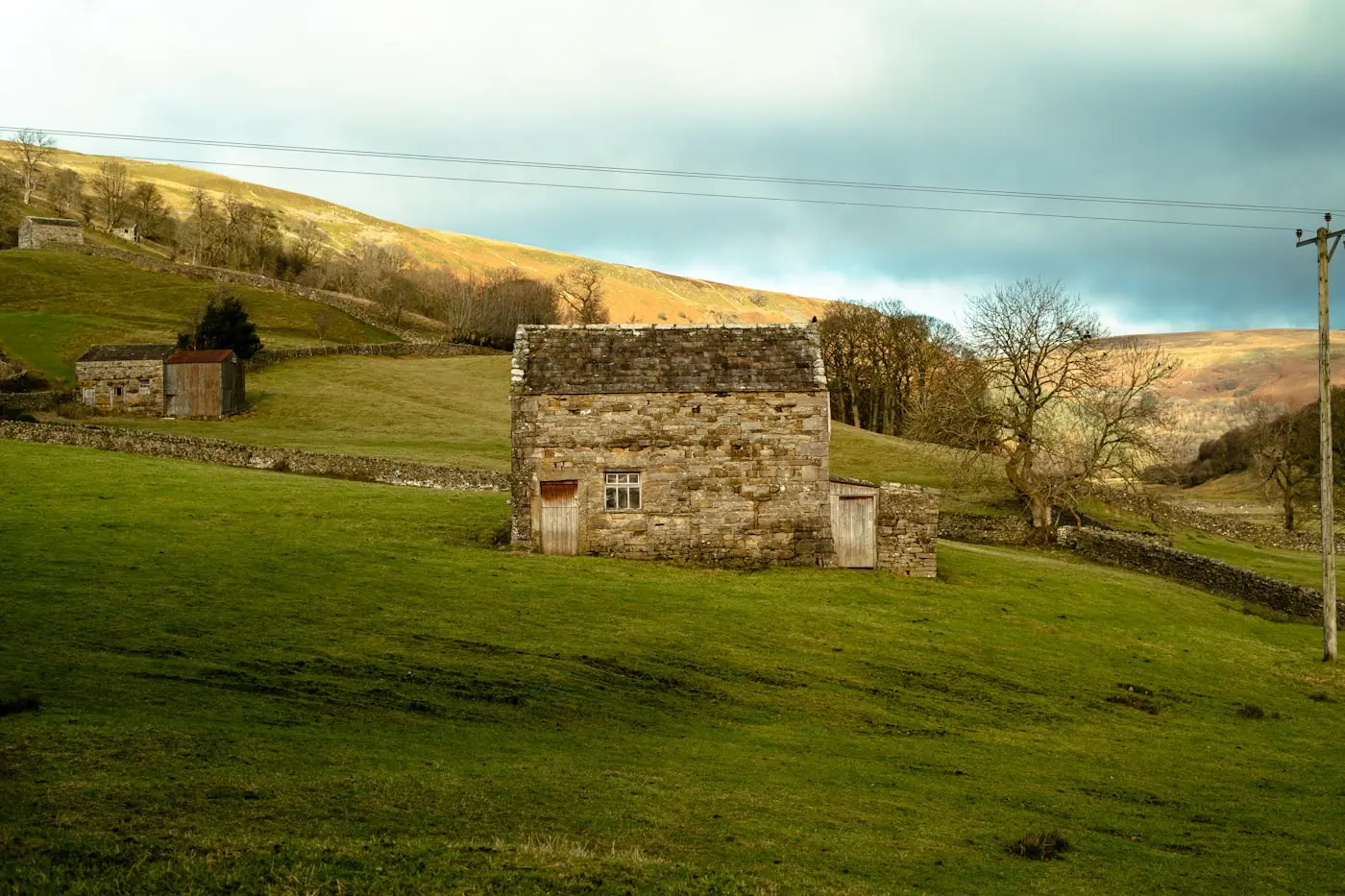
A summerhouse can transform a Yorkshire garden - a sheltered place to sit on days that are sunny but cool, a hobby space that keeps the house clear, somewhere for teenagers to retreat without migrating permanently to the living room. But installing one in Yorkshire is not quite the same as installing one in the South of England. The wind matters here. The rain matters here. The clay under most Yorkshire gardens matters. And planning rules for the Dales and Moors national parks are stricter than in most of England.
This guide covers everything you need to know before buying and installing a summerhouse in Yorkshire: the difference between a summerhouse and a garden room, planning permission rules, foundation options for Yorkshire clay, costs, and maintenance in a wet, windy climate.
Quick cost guide: £700-2,500 fully installed for a standard summerhouse; £4,000-10,000 for a premium insulated garden room.
Summerhouse vs Garden Room - Which One Do You Actually Need?
These terms are used interchangeably in advertising but they describe meaningfully different products. Getting this right before you buy saves a lot of money and disappointment.
A summerhouse is an uninsulated timber structure designed for seasonal use: warm days from April to October, with the doors open. Think of it as a covered outdoor space rather than an additional room. Single-skin timber walls, single-glazed windows, no insulation in the floor or roof. Fine for a read in June. Cold and damp in February.
A garden room is an insulated, weatherproof building intended for year-round use. Double-glazed windows, insulated walls and roof, proper damp-proof membrane in the floor. Can be heated. Can be used as a home office in January. The build quality and specification are closer to a habitable building than a garden structure - which is why they cost four to five times more.
In Yorkshire, this distinction is financially significant. The county's climate means a standard summerhouse is genuinely useful for perhaps five months of the year - maybe seven if you add a small electric heater. A garden room extends that to twelve months. The upfront cost difference is substantial, but so is the difference in value extracted over a decade. If you want a year-round office or hobby space, the garden room is the better investment. If you want somewhere to sit with a cup of tea on a summer afternoon, a good quality summerhouse is all you need.
For a deeper look at insulated garden room options see our guide to garden rooms in Yorkshire.
Planning Permission Rules for Yorkshire Summerhouses
Most summerhouses in England fall under permitted development, meaning no planning application is needed. But the rules have several conditions, and Yorkshire has specific situations where those rules are tighter.
National permitted development rules (England)
A summerhouse (or any garden outbuilding) qualifies as permitted development if:
- All outbuildings combined cover less than 50% of the total garden area (not plot - just the garden)
- The building is not forward of the principal elevation of the house (not in front of the house)
- Maximum eaves height: 2.5m
- Maximum overall height: 4m (dual-pitched roof) or 3m (flat or mono-pitch roof)
- If within 2m of any boundary: maximum 2.5m total height
- The building is not used as living accommodation (a home office or hobby room is fine; renting it out as a flat is not)
These rules apply to most standard summerhouses. If yours exceeds any of these parameters, you need a planning application before building.
Yorkshire-specific considerations
Yorkshire has significant areas where permitted development rights are restricted or removed:
- Yorkshire Dales National Park: permitted development rights are more limited. Any outbuilding that would need planning permission on a standard plot almost certainly needs it within the park. Contact the YDNP Authority (Bainbridge) for guidance.
- North York Moors National Park: same position. Contact the NYMNP Authority (Helmsley).
- Conservation areas: within conservation areas, the 50m2 threshold applies - outbuildings over 50m2 in a conservation area require planning permission regardless of other criteria.
- Article 4 Directions: some local authorities in Yorkshire (Leeds, Sheffield, York, Bradford) have Article 4 Directions in specific areas that remove permitted development rights for outbuildings. Check your local authority's planning portal.
- Listed buildings: any outbuilding in the curtilage of a listed building needs listed building consent as well as potentially planning permission.
The Planning Portal (planningportal.co.uk) has an interactive tool to check the rules for your specific address. A quick phone call to your local planning department costs nothing and protects you from having to remove an unlawful structure later.
Yorkshire Climate Considerations for Summerhouse Siting and Specification
Wind
Yorkshire's prevailing winds come from the south-west - off the Irish Sea, across the Pennines, and funnelled into valleys. The Pennine edge (anywhere from Colne Valley to the Calder Valley to Wharfedale) experiences significantly higher wind speeds than the Vale of York or the East Riding. If your garden is on an exposed Pennine hillside, a standard budget summerhouse will not last: the roofing felt will peel within three years and the structure will rack (distort) under lateral wind loading.
Practical steps for exposed Yorkshire gardens:
- Orient the summerhouse with its smallest face into the prevailing wind - usually south-west. A south-east-facing door gives you maximum sunshine while the back of the building takes the worst weather.
- Specify a premium roof covering (EPDM rubber or GRP fibreglass) rather than standard mineral felt. Felt on an exposed ridge will need replacing every 8-12 years; EPDM lasts 25-50 years.
- Anchor the building to its base with hold-down straps or anchor bolts - critical on any elevated or exposed garden. Most flat-pack summerhouses are not anchored by default; in a sheltered suburban garden this is fine, but on any elevated site it is not.
Rain
Yorkshire receives 650-1,100mm of rainfall per year depending on location (Leeds gets about 650mm; the Pennine tops can exceed 2,000mm). Even in the drier Vale of York, the combination of rainfall and sustained periods of cloud means timber outbuildings need proper treatment to survive. An untreated summerhouse will begin greying and cracking within eighteen months in Yorkshire. Plan annual treatment into your maintenance budget from day one.
Orientation for maximum use
A south or south-east facing door and glazing maximises usable days in Yorkshire. The county's latitude (53-54 degrees north) means direct sun enters a south-facing structure even at low winter angles. A north-facing summerhouse will be genuinely unusable from October to March in Yorkshire - cold, damp, and dark.
Foundation Options for Yorkshire Clay
The foundation is the most important structural decision and the one most often skimped on. Yorkshire's shrink-swell clay will move a poorly founded summerhouse out of square within two or three winters. Once the frame is racked, doors and windows jam, joints open, and the building becomes draughty and eventually structurally unsound.
Concrete pad (recommended for most summerhouses)
The most reliable option on Yorkshire clay. Excavate to 200-250mm (below frost depth and into stable subsoil), lay 100mm compacted hardcore, pour a 100mm reinforced concrete slab. The slab must be level to within 5mm across its full extent, and it must extend slightly beyond the building footprint to protect the base timber from sitting in pooled water. Cost for a 3x2.5m base: approximately £400-700 including materials and labour.
Paving slab base
Acceptable for smaller summerhouses (under 2.5x2.5m) on less mobile clay, or where concrete is not practical. Use 50mm concrete slabs (not 38mm) on 50mm compacted sharp sand over 100mm hardcore. The disadvantage is that individual slabs can settle at different rates on clay - annual re-levelling may be needed. Not recommended for exposed or hilly sites.
Decking frame base
A timber decking frame on ground screws or concrete post bases can work well and avoids breaking up existing hard landscaping. The critical requirement in Yorkshire: use UC4 pressure-treated timber (rated for ground contact) throughout the frame. Standard deck timber is UC3, designed for above-ground use. Ground contact in Yorkshire's damp conditions will rot UC3 timber within five to eight years. Specify UC4 or accept an earlier replacement cycle. See our guide to decking installation in Yorkshire for more on timber treatment standards.
Cost Guide
| Type and size | Building cost | Installation (assembly only) |
|---|---|---|
| Budget flat-pack 2x2m | £400-800 | £300-600 |
| Mid-range 3x2.5m | £800-1,800 | £400-700 |
| Log cabin style 4x3m | £2,500-6,000 | £500-2,000 |
| Premium insulated garden room 4x3m | £3,500-8,000 | £500-2,000 |
Add £400-1,200 for a concrete pad base (not included above). Electrical connection (if wanted) adds £400-1,000 depending on how far the supply cable needs to run. Landscaping around the summerhouse - a path from the house, steps if needed, or a small patio in front - are additional costs but add significantly to how usable the building actually is day-to-day.
Maintenance in Yorkshire's Climate
A Yorkshire summerhouse needs more maintenance than the same building would in Surrey. The combination of higher rainfall, harder frosts, and more persistent damp accelerates timber deterioration.
Annual tasks:
- Re-treat all external timber surfaces (walls, roof fascias, floor frame if accessible). Use a quality microporous wood preservative - avoid cheap opaque paints that trap moisture.
- Clear the gutters and check roof felt or membrane for lifting or cracking. Felt on exposed positions needs checking twice a year.
- Check door and window seals; replace if cracking or letting water in.
- Check the base perimeter - ensure there is no debris bridging the damp-proof course and that water is not pooling against the floor frame.
Every 10-15 years:
- Re-felt the roof (felt) or inspect and patch EPDM/GRP covering
- Treat or replace any sections of floor frame showing decay
If your garden has drainage problems - standing water in winter, slow-draining clay areas - sort the drainage before installing a summerhouse. A wet base is the primary cause of premature timber decay. Our guide to garden drainage in Yorkshire covers the options. If you need the garden cleared and levelled before installation, our garden clearance service can handle that first.
Choosing Where to Site the Summerhouse
Beyond planning rules, siting decisions come down to three things: sun, access, and visual relationship with the house.
Sun: as discussed above, south or south-east facing is best for Yorkshire's climate. Avoid north-facing positions on any plot where you have an alternative.
Access: a summerhouse is most used when it is easy to reach. A path from the house - even a simple gravel path - makes a real difference to day-to-day use. An awkward route across wet grass means the building goes unused for months. See our guide to garden path laying in Yorkshire if you need a proper path connecting the summerhouse to the house.
Visual relationship: the summerhouse should not dominate the garden or block views from the house. In most average-sized Yorkshire suburban gardens a 3x2.5m building is about the maximum before it starts to feel overwhelming. In larger gardens or on wider plots, bigger structures read better.
If the garden needs a broader design before the summerhouse position can be fixed, our garden design service can help work through the layout before any money is committed to a structure.
Ready to add a summerhouse to your Yorkshire garden?
60-second assessment. If a local professional takes your enquiry, they call you with a price.
Start the assessmentFrequently Asked Questions
Do I need planning permission for a summerhouse in Yorkshire?
Most summerhouses fall under permitted development and need no planning permission. Key conditions: under 2.5m eaves height, all outbuildings cover less than 50% of garden area, not forward of the house. Properties in the Yorkshire Dales or North York Moors National Parks, in conservation areas, or with Article 4 Directions have stricter rules - check with your local planning department first.
What size summerhouse can I build without planning permission?
There is no fixed maximum footprint under national rules, provided all outbuildings combined cover less than 50% of your garden. The key constraints are height (2.5m eaves, 4m ridge for dual-pitch) and boundary distances (over 2.5m total height requires 2m clearance from boundaries). Conservation areas and national parks impose additional restrictions.
How much does summerhouse installation cost in Yorkshire?
Budget flat-pack 2x2m assembled: £700-1,400 all-in (building plus installation). Mid-range 3x2.5m: £1,200-2,500 installed. Premium insulated garden room 4x3m: £4,000-10,000. Add £400-1,200 for a concrete base. Electrical connection adds a further £400-1,000.
How do I prepare a base for a summerhouse on Yorkshire clay?
A concrete pad is the most reliable option: excavate 200-250mm, lay 100mm compacted hardcore, pour 100mm reinforced concrete slab, level to within 5mm. Paving slab bases work for smaller buildings. Decking frames need UC4 pressure-treated timber for ground contact - standard UC3 deck timber rots in Yorkshire's damp conditions within a few years.