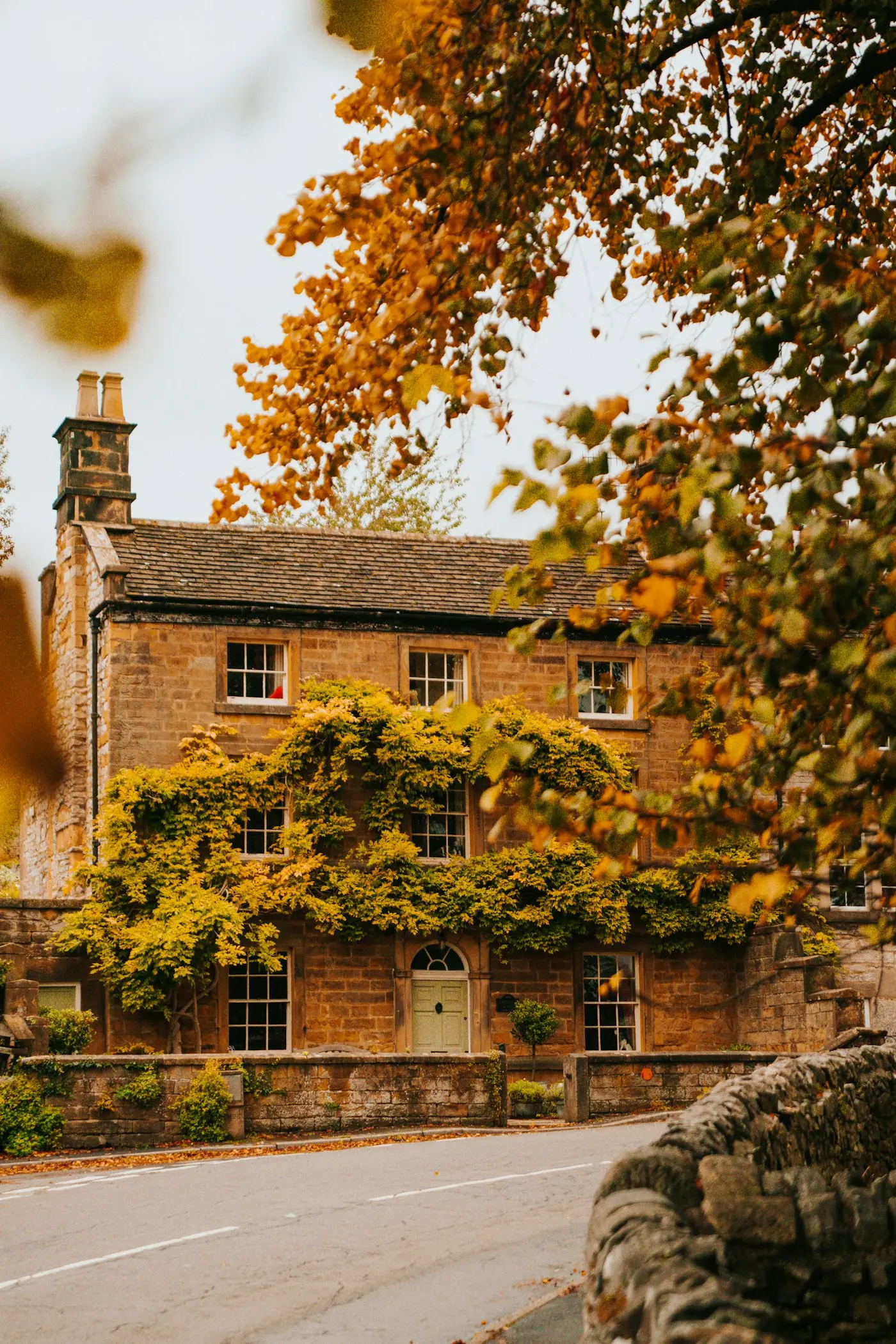
A wildlife-friendly garden does not mean an overgrown garden. The two are often confused, and it puts a lot of people off making changes that would genuinely help. In practice, the most valuable wildlife actions are small, specific, and compatible with a garden that looks cared-for. A mown lawn with a deliberately rough corner, a neat hedge with a hedgehog hole in the fence, a managed border with a few native plants added - these changes matter for the animals that live alongside Yorkshire's homeowners, and they cost next to nothing to make.
Yorkshire Wildlife: The Context
Yorkshire's gardens sit within a broader landscape that includes some of the country's most significant wildlife habitats - the North York Moors, the Dales, the Humber estuary, the East Yorkshire coast. But the domestic garden network of suburban Bradford, Leeds, Sheffield, York, and the hundreds of towns in between represents millions of separate patches of habitat that connect or fragment the wider landscape depending on how they are managed.
Hedgehog numbers have fallen by around 95% in the UK since 1950, and the decline in urban and suburban populations - the gardens and parks where hedgehogs historically thrived - has been particularly severe. South Yorkshire has one of the highest hedgehog recording densities in the north of England, which reflects both a reasonable population and a large number of recorders - but the trend is still downward.
House sparrows, once ubiquitous in Yorkshire's towns, are now amber-listed birds of conservation concern. Their decline is linked to loss of nesting sites under eaves, loss of insect food sources (particularly aphids and other invertebrates for feeding chicks), and the tidying of gardens to the point where no rough ground or seed sources remain. The same story applies to starlings, song thrushes, and several other formerly common garden birds.
Pollinators - bumblebees, solitary bees, hoverflies - are affected by the loss of flowering plants in gardens, the use of systemic insecticides on ornamental plants (particularly neonicotinoids on bought bedding plants), and the loss of rough ground and bare soil that solitary bees use for nesting.
The Five Highest-Impact Changes
1. A hedgehog hole in the fence
A 13cm by 13cm gap at the base of a garden fence allows hedgehogs to move freely between gardens. This single change - which costs nothing except a jigsaw and ten minutes - connects your garden into the network of habitat that hedgehogs need. They travel 1-2 kilometres per night searching for food and mates. A solid fence line that runs through several gardens effectively creates an impassable barrier that fragments their range.
The Hedgehog Street campaign, run by the British Hedgehog Preservation Society and the People's Trust for Endangered Species, has enrolled thousands of gardens across Yorkshire. In Sheffield, the urban hedgehog population has been the subject of long-term study and the data consistently shows that connected gardens support significantly higher hedgehog activity than isolated plots.
Coordinate with neighbours if possible - a gap in your fence and a gap in theirs creates a corridor. You do not legally need your neighbour's permission to cut a hole in your side of a shared fence, but cooperation produces better outcomes for both gardens' hedgehog populations. Mark the gap with a "Hedgehog Highway" sign (available free from the Hedgehog Street website) to alert any future fence replacers.
2. Stop using metaldehyde slug pellets (and the pellets that have replaced them carelessly)
Metaldehyde pellets were banned for garden use in the UK in March 2022 due to the harm they caused to wildlife, particularly hedgehogs and birds. However, many gardeners are still using stockpiled pellets or have inadvertently bought products containing ferric phosphate but at very high concentrations. Check what you are using.
Ferric phosphate pellets (sold under various brand names) are the acceptable alternative for wildlife-friendly slug control. They break down to iron and phosphate, are not known to cause secondary poisoning, and are approved for use in organic production. They are also less effective per application than metaldehyde, which means you need to use them more carefully and replenish more often after rain - but the ecological trade-off is clear. Copper tape, nematode biological control, and physical barriers are the other tools that do not harm hedgehogs.
3. A log pile
A pile of logs in a corner of the garden - not neatly stacked, but left to rot slowly - is one of the highest-value wildlife habitats you can create with zero ongoing maintenance. Stag beetle larvae (Yorkshire has a fragmented but present stag beetle population, with the main concentration in the south of the county) live in rotting wood for up to seven years before pupating. Ground beetles, which are significant predators of slugs and their eggs, overwinter in and under rotting wood. Slow worms (legless lizards, not snakes) use log piles for shelter and thermoregulation. Hedgehogs use them for nesting, particularly as winter hibernation sites.
The log pile does not need to be large or prominent. A stack of three or four logs 60cm long, pushed into a shaded corner near a hedge, achieves all of the above. Leave it completely alone - the value comes from the decomposition process, which requires the wood to be damp and undisturbed.
4. A small pond
No garden wildlife feature produces a faster, more dramatic result than even a small pond. Frogs are present throughout Yorkshire's towns and cities and will discover a new pond within a single season in most gardens that have frog populations nearby. A 60cm by 60cm container pond - a half-barrel, a ceramic pot, a preformed plastic pond - installed with a sloping entry point, a handful of native oxygenating plants, and no fish will have frogs investigating it within weeks of filling in spring.
The features that make a pond work for wildlife rather than just for aesthetics: a gently sloping edge or ramp (not a sheer drop) so frogs, hedgehogs, and birds can get in and out safely; no fish, which eat tadpoles and invertebrate larvae; native plants rather than tropical or ornamental varieties (native oxygenating plants like hornwort and water starwort are available from aquatic nurseries across Yorkshire); no additives, dyes, or pond treatments; and a partly sunny position that warms up in spring but is not in full sun all day, which overheats the water and promotes algae.
A pond in a Yorkshire garden will typically attract common frogs within one season. Common toads may take a year or two longer to discover it, but they will arrive. Pond skaters, diving beetles, and a range of aquatic invertebrates colonise naturally from eggs carried on birds' feet or blown by wind. You do not need to stock it. Our pond installation service covers everything from small container ponds to larger formal water features across Yorkshire.
5. Native plants in the borders
The choice between native and non-native plants is not the black-and-white issue it is sometimes presented as, but for maximum wildlife value in a Yorkshire garden, adding some native species to an existing planting significantly increases the insect and bird activity in the garden. Key native plants that work in a typical Yorkshire border:
Ivy (Hedera helix). Possibly the most wildlife-valuable plant in a Yorkshire garden. Its flowers in October and November provide nectar at a time when almost nothing else is flowering - critical for late-season bumblebees and hoverflies building winter reserves. Its berries ripen in winter and are eaten by blackbirds, thrushes, and redwings. Its evergreen density provides excellent nesting cover for wrens, robins, and blackbirds. Ivy does not damage walls (the rootlets grip without penetrating), despite the persistent myth that it does. It is a controlled plant, not a problem, in a managed garden.
Hawthorn (Crataegus monogyna). As a hedge plant, hawthorn hosts more insect species than almost any other British plant - over 300 invertebrate species have been recorded on it. Its blossom in May is an important early nectar source, and its berries (haws) are among the most important autumn foods for migrating and wintering thrushes, fieldfares, and redwings. As a hedge alternative to leylandii, hawthorn is native, wildlife-supporting, and manageable at any height. See the hedge trimming service for how native hedges are maintained across Yorkshire.
Dog rose (Rosa canina). Single-flowered, native, and produces good hips for birds in autumn. If you have space for a rambling rose in a large border, dog rose is substantially better for pollinators than double-flowered ornamental roses.
Wildflower patches. Even a 1m² patch of native wildflower mix in a border or rough corner provides significant pollinator support. Yellow rattle (Rhinanthus minor), knapweed (Centaurea nigra), ox-eye daisy (Leucanthemum vulgare), field scabious (Knautia arvensis), and betony (Stachys betonica) are all native wildflowers that perform well in Yorkshire conditions and attract bumblebees, hoverflies, and butterflies. Sow in autumn for spring germination; wildflowers generally require disturbance of the soil surface and do not compete well with established grass without either being sown into bare soil or into a lawn treated with yellow rattle to weaken the grass.
For gardens with trees and a shaded area that could become something more deliberate, the woodland garden guide for Yorkshire covers the structural planting and underplanting layers that create genuine woodland-edge habitat - one of the most ecologically productive garden environments in the county. Where the whole approach to the garden is shifting towards wildlife and ecological value, the garden rewilding guide for Yorkshire sets out what genuine rewilding involves and what a realistic managed rewild looks like on a domestic plot.
What Your Lawn Can Do
A mown lawn has limited wildlife value on its own, but you do not need to give up your lawn to make it more useful. The changes that work within a normal maintained lawn:
Leave a rough patch. 2-4 square metres left unmown from April to August provides butterfly habitat (many species need long grass to lay eggs), grasshopper habitat, and shelter for beetles and invertebrates. Mow it back in September. Mark it with a low fence or stepping stones to signal that it is deliberate rather than neglected. A single unmown patch connected to a hedge makes a significant difference to invertebrate diversity in the garden.
Mow less frequently. Mowing every 10-14 days rather than every week allows clover and speedwell to flower briefly between cuts, providing nectar for bees. The difference in lawn appearance is minimal; the difference in bumblebee activity is notable.
Leave the dandelions. Dandelion flowers are among the earliest and most important nectar sources of spring, flowering from February onwards when queen bumblebees are emerging from hibernation. If dandelions in the main lawn are unacceptable, allow them in the rough patch or along the lawn edges.
Nesting: Birds and Bees
Bird boxes
A standard nest box with a 28mm entry hole suits blue and great tits, both abundant in Yorkshire gardens. Fix it on the north or north-east face of a wall, fence post, or tree at 2-4 metres height - facing away from direct afternoon sun prevents overheating in the nest box in summer. Clean the box in October or November after each breeding season; remove old nesting material (which harbours parasites and old eggs) and leave the box clean for the following year.
House sparrows, whose decline has been dramatic across Yorkshire's urban areas, use open-fronted boxes fixed under eaves, or enclosed boxes with a 35mm entry hole in groups of three (they are colonial nesters and will not use isolated boxes as readily as a group). If you have house sparrows visiting your garden, installing a terrace of three small boxes under the eaves of a south-facing wall significantly improves your chances of a breeding pair.
Yorkshire's swift population has declined markedly in the last two decades, mainly due to loss of nesting sites under eaves during renovation and re-roofing. Swift boxes installed under eaves in the 2020s were part of several Yorkshire towns' conservation plans (Sheffield and York both had swift recovery projects). Swifts return to the same nesting sites year after year and are loyal to specific streets and buildings - installing a swift box now may not attract swifts immediately, but once a pair discovers it and returns, they will use it for decades.
Solitary bees
Solitary bees - red mason bees, leafcutter bees, and many others - need two things: nesting sites and flowers within flying range. An insect hotel with tubes of bamboo or paper of varying diameters provides nesting sites for above-ground nesters. A patch of bare, south-facing soil provides nesting sites for below-ground nesters (including mining bees, which are common in Yorkshire lawns and create small volcano-shaped mounds). Do not kill mining bees in your lawn - they are entirely harmless, do not sting defensively, and are excellent pollinators.
How Gardeners Can Help
The timing of garden maintenance has a real impact on wildlife. Several practices that professional gardeners should follow in wildlife-conscious gardens:
Hedge cutting: avoid the main nesting season (April-July). The best times for hedge trimming in Yorkshire are late summer (August-September, after most nesting is over) and late winter (February, before nesting begins). Our hedge trimming service checks for active nests before starting work.
Battery tools over petrol: battery-powered mowers, hedge trimmers, and strimmers create less noise and vibration than petrol equivalents. Lower noise levels are genuinely better for garden birds, particularly during nesting season when sustained noise can cause nest abandonment.
Avoid disturbing ground-nesting birds: in rough grass areas, skylarks (in larger gardens and paddocks bordering the Dales and Moors) and meadow pipits nest on the ground. Check long grass before strimming or mowing in May and June. A quick visual scan before running a strimmer through a rough area takes 30 seconds and prevents destruction of an active nest.
Leave some leaf litter: resist the impulse to completely rake up every leaf from borders in autumn. A 2-3cm layer of leaf litter under shrubs and hedges provides excellent hibernation habitat for ground beetles, hedgehogs, and other invertebrates. Use a blower or rake on paths and hard surfaces; leave the border litter in place. Our garden maintenance service can be briefed to leave specific wildlife areas undisturbed.
Costs: What Wildlife Gardening Actually Involves
| Action | Cost | Notes |
|---|---|---|
| Hedgehog hole in fence | Free | 13cm x 13cm, any fence; jigsaw needed |
| Log pile | Free-£30 | Fallen logs from pruning, or sourced from a tree surgeon |
| Wildflower patch (seed) | £5-15 | Native mix for 1-4m2; sow in autumn |
| Container pond | £30-100 | Half-barrel or ceramic pot; native plants £10-20 extra |
| Larger pond (liner) | £100-400 DIY | Including liner, underlay, and plants |
| Pond installation (professional) | £300-1,500 | Depending on size, design, and access |
| Bird box (standard) | £10-30 | Plus fitting time |
| Insect hotel | £20-80 | Good-quality commercial; DIY versions cost less |
| Native hedge plants (10m bare-root) | £40-80 | Hawthorn, blackthorn, field maple mix |
Frequently Asked Questions
Should I let my lawn grow long to help wildlife?
Leave a patch (2-4m2) unmown from April to August, not the whole lawn. Mow it back in September. Mow the rest of the lawn slightly less frequently - every 10-14 days rather than weekly - to allow clover and other flowers to contribute nectar. A mown path through a longer area looks deliberate rather than neglected.
How do I create a hedgehog highway in my Yorkshire garden?
Cut a 13cm x 13cm hole at the base of your garden fences. Coordinate with neighbours if possible to create a connected corridor. Mark the hole so future fence replacers know it is intentional. South Yorkshire has some of the best-recorded urban hedgehog activity in the north of England - connected gardens sustain far higher populations than isolated ones.
What is the best small pond for wildlife in a Yorkshire garden?
Even 60cm x 60cm works. The key requirements: sloping edge so animals can exit safely; no fish; native oxygenating plants; no additives. Frogs will typically discover a new Yorkshire garden pond within one season. Common frogs are found throughout the county, including in dense urban areas of Leeds and Sheffield.
Are weeds beneficial for wildlife in a Yorkshire garden?
Dandelions (early spring nectar), nettles (larval food plant for red admiral, small tortoiseshell, and peacock butterflies), and ivy (late autumn nectar; winter berries) are three of the most wildlife-valuable plants in any garden. Allow them in designated rough or back-of-garden areas rather than eliminating them entirely.
Do slug pellets harm hedgehogs?
Metaldehyde pellets do - they cause secondary poisoning in hedgehogs that eat affected slugs. Metaldehyde is banned for garden use in the UK since March 2022. Ferric phosphate pellets are safe for wildlife. Check what you are using and switch if in any doubt.
Need help creating a wildlife-friendly Yorkshire garden?
Pond installation, native planting, hedge work timed around nesting. Tell us what you want and we put your enquiry in front of a local gardener.
Get a quote