Winter Pruning in Yorkshire - A Practical Calendar
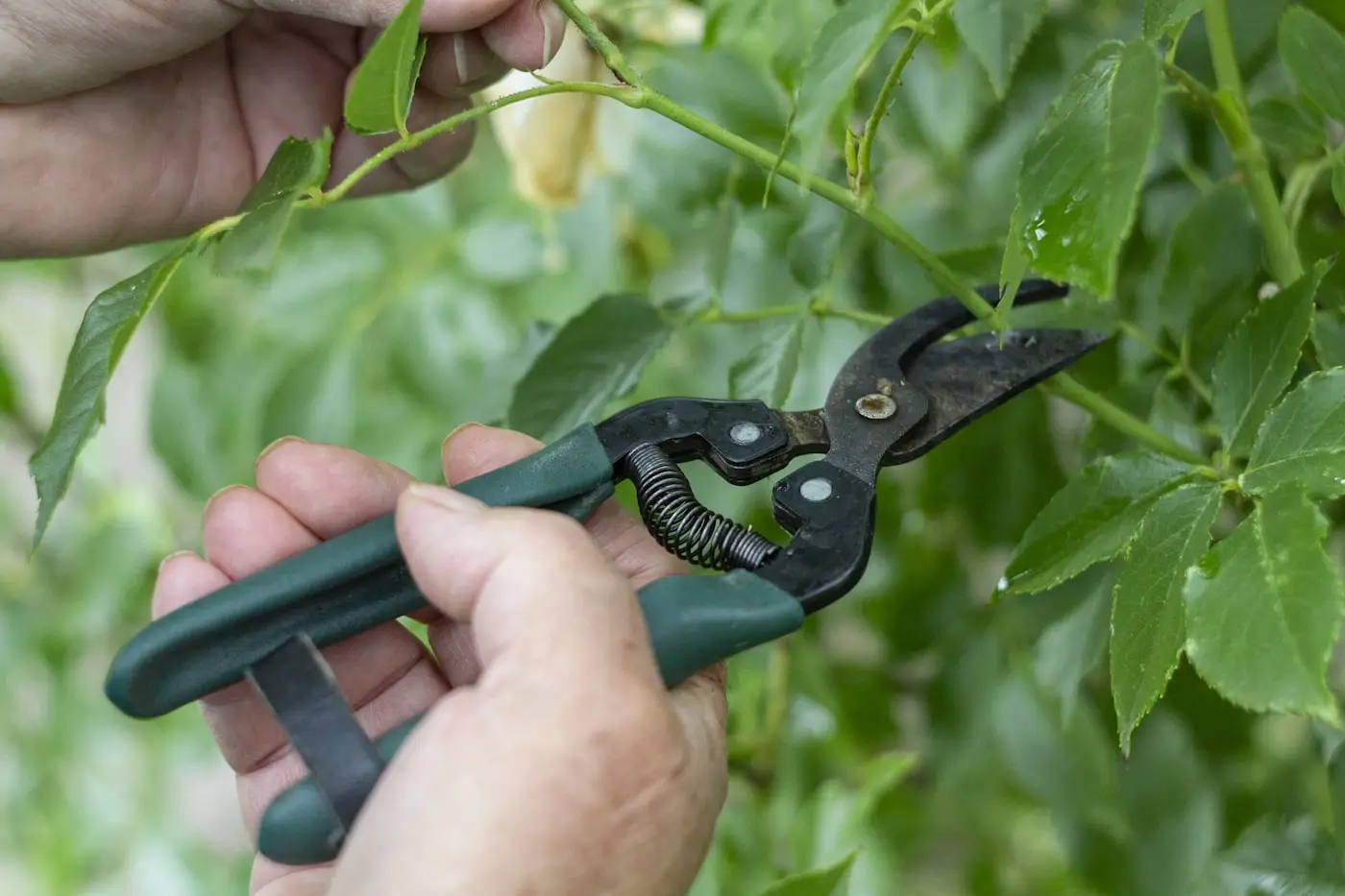
Winter pruning in Yorkshire is not quite the same as in the south of England. Your last frost can come in late April in North Yorkshire or a high-altitude garden - prune too early in December and you risk encouraging tender new growth that a February frost will kill back. Prune stone fruit in winter and you open them to a disease that can kill a mature tree in two years.
This guide is calibrated for Yorkshire conditions. It tells you what to prune, when to prune it, and - just as importantly - what to leave alone until the right season arrives.
The Yorkshire Winter Pruning Window
The broad window for winter pruning in Yorkshire runs from December through to mid-March, but the exact timing varies significantly depending on where in the county you are:
South and West Yorkshire (Sheffield, Leeds, Bradford, Wakefield, Doncaster): Last frost typically comes in late March, sometimes mid-March in a mild year. You can start light pruning - roses, wisteria, fruit trees - from late February without much risk. The urban heat island effect in Sheffield and Leeds helps further.
North Yorkshire (York, Harrogate, Northallerton, Ripon, Richmond): Last frost is often into April, especially in valley positions where cold air drains from the surrounding hills. Be conservative with timing - mid-March is safer for most pruning than late February.
High ground (Pennines, North Yorkshire Moors, Yorkshire Dales above 300m): Last frost can extend into May on exposed sites at altitude. If your garden is high or very exposed, treat March as the beginning of the end of winter rather than the end. Delay pruning of tender material accordingly.
The safe rule for all Yorkshire gardens: wait until you can see swelling buds on deciduous trees and shrubs before doing any pruning that might encourage new growth. Dormant-season pruning of fruit trees is different - you want them fully dormant, so earlier in winter is better there.
Can I prune roses in winter in Yorkshire?
Fruit Trees (Apples and Pears) - December to February
Winter is the correct season for pruning apples and pears. Dormant pruning during this window encourages fruit production the following summer, removes problem wood cleanly, and allows wounds to callus over properly before the growing season begins.
For established trees, the priorities are:
- Remove any crossing branches (branches that rub against others damage both and provide entry points for disease)
- Remove water sprouts (the vigorous upright shoots that grow from main branches - they never produce good fruit)
- Remove dead, diseased, or damaged wood
- Maintain an open centre with good light penetration - you are aiming for a goblet shape that allows air movement through the canopy
On an established tree, remove no more than 25% of the canopy in any one year. Heavy pruning stimulates excessive water sprout production the following season, creating more work rather than less.
Choose a dry day above 5C if possible. Frozen wood does not cut cleanly and wet conditions spread fungal spores. Make cuts at 45 degrees just above an outward-facing bud.
For more detail on fruit tree work, see the fruit tree pruning guide for Yorkshire.
Wisteria - November to February
Wisteria requires two pruning sessions per year, and the winter cut is the more important one. In July or August you shorten the whippy new side shoots to five to six leaves from the main framework. In winter (November to February), you go back to those same side shoots and cut them again - this time to two or three buds from the base. This double pruning is what produces the dense spur systems that carry the flowers.
If you have a wisteria that produces masses of foliage but no flowers, the most common cause is skipping one or both of these pruning sessions. A wisteria that has been left unpruned for several years can be brought back into flower over two or three seasons of correct pruning - it just takes patience.
Roses - Partial Winter Work Only
Roses need careful treatment in winter. The main pruning - the hard cut that shapes the plant and removes weak growth - happens in March, not in winter. What you can and should do in late autumn and early winter is reduce the height of very tall stems to manage wind-rock.
Yorkshire's autumn and winter gales are real. A shrub rose that has grown to 1.5-2m by October will act like a sail in a November storm, and the rocking motion repeatedly loosens the roots. Over winter, this can cause as much damage as a hard frost. In late October or November, shorten any stems that have grown well above 1m by roughly one-third. This is not the main prune - do not cut hard into old wood, do not shape the plant significantly. Just take the height down enough that it stops acting as a wind lever.
The full rose prune with secateurs, removing crossing wood, weak growth, and reshaping the plant, waits for March.
Ornamental Grasses - Leave Until March
This is one of the most common winter pruning mistakes in Yorkshire gardens. The dead stems of ornamental grasses - miscanthus, pennisetum, stipa, and others - look untidy through winter and the temptation is to cut them back in December. Resist it.
The dead stems provide two important functions: they are genuinely beautiful with frost and low winter sun, and they insulate the crown of the plant against the hard frosts that Yorkshire can deliver in January and February. Cut them back in winter and the crown is exposed. Cut them back in March (before new growth begins to emerge from the base) and you get the best of both - winter interest and a well-protected plant.
Hardy Evergreen Shrubs (Yew, Box, Laurel) - Wait Until April or May
Never prune yew, box, or laurel in winter. Cuts made in cold conditions are slow to heal, and the newly exposed wood is vulnerable to frost damage. Leave these shrubs completely alone until April or May, when the risk of hard frost has passed and the plants have the energy and warmth to heal pruning cuts quickly.
The one exception is removing dead wood - that can be done at any time of year. But shaping and size reduction pruning on evergreens always waits for the warmer months.
Clematis - Rule Depends on the Group
Clematis pruning is notoriously confusing because the correct approach depends entirely on which group the plant belongs to. Getting this wrong means either cutting off the flowering wood or leaving a congested tangle that flowers less and less each year.
Group 3 (late-flowering: viticella types, Jackmanii, and most large-flowered late cultivars): Hard prune in February - cut all stems back to 30-45cm from the ground, to the lowest pair of healthy buds you can find. These types flower on new growth made in the current year, so cutting hard in February leaves them with a full season to produce flowering stems. Common Group 3 examples in Yorkshire gardens include 'Perle d'Azur', 'Ville de Lyon', 'Polish Spirit', and 'Etoile Violette'.
Group 1 (early-flowering: Montana types, alpina, macropetala): Prune only after flowering, in May or June. These flower on the previous year's wood - pruning them in winter removes all the flowering potential for that year. If a montana has outgrown its space, reshape it immediately after the flowers drop. Do not touch it in winter.
Group 2 (mid-season large-flowered: Nelly Moser, The President, and similar): Light prune in late February - just remove dead wood and lightly tidy the framework, keeping as much of the previous year's wood as possible. These flower first on old wood, then again on new growth later in summer.
If you do not know which group your clematis is, look it up by name before pruning. Getting it wrong is a one-year setback rather than a disaster, but it is avoidable.
What Not to Prune in Winter - Common Yorkshire Mistakes
Knowing what to leave alone is as important as knowing what to cut.
Stone Fruit (Plums, Cherries, Apricots, Gages) - Summer Only
Prune stone fruit only in summer - July is ideal, with June and August as alternatives. The reason is silver leaf disease (Chondrostereum purpureum), a fungal disease that enters through pruning cuts. The spores are most prevalent and active in the air during autumn and winter. Cuts made in summer are exposed for a shorter time before healing, and the disease is less likely to find an entry point.
Silver leaf causes a characteristic silvery sheen to the leaves that then progresses to branch die-back and, in serious cases, kills the tree. It is not the most common disease in Yorkshire, but it is serious enough when it does occur that the precaution of summer-only pruning is well worth following.
If you need to remove a branch for structural reasons in winter (storm damage, for example), seal the cut immediately with pruning wound paint. This is a reasonable compromise for emergency work.
Magnolia - Prune in Early Summer Only
Magnolia should be pruned in July, after flowering and during active growth. Winter cuts lead to die-back - the wood does not heal cleanly in cold conditions and disease can enter. If a magnolia needs shaping, mark what needs doing in winter when the shape is clearest, then carry out the work in July when it will heal quickly and cleanly.
Spring-Flowering Shrubs (Forsythia, Flowering Currant, Weigela)
Forsythia, ribes (flowering currant), and weigela all flower on the previous year's wood. The flowering shoots for spring 2027 are already formed on the plant right now. Prune them in winter and you remove those shoots and the flowering potential with them.
Prune these shrubs immediately after flowering in spring - typically April or early May for forsythia and flowering currant, May to early June for weigela. Cut back the flowered shoots by roughly one-third to one-half, cutting to a strong sideshoot lower down. This is also when you remove any very old, thick stems from the base to encourage new growth from below.
Buddleia - Hard Prune in March, Not Winter
Buddleia benefits from a hard prune - right down to 30cm - but do this in March rather than December or January. Buddleia that is cut hard in winter and then hit by a late February frost can suffer significant die-back from the pruning points. Wait until March when hard frosts are largely behind you, then cut hard. The plant will regenerate vigorously in April and May and flower by July.
Tools and Hygiene for Yorkshire's Damp Climate
Yorkshire's consistently damp winters create ideal conditions for fungal diseases to spread between plants on dirty tools. A few basic hygiene habits prevent a lot of problems:
- Keep secateurs sharp. Clean, sharp cuts heal faster than torn wounds. A blunt pair of secateurs is one of the most common causes of slow-healing and diseased pruning cuts.
- Sterilise tools between plants, especially when pruning roses and fruit trees. A spray or wipe with Virkon solution or methylated spirits between each plant takes seconds and prevents the transfer of diseases on blades.
- Use loppers for any branches over 2cm diameter - forcing secateurs through larger wood produces compressed, ragged cuts that heal slowly.
- For large branches on fruit trees, use a pruning saw for a clean cut. Make three-cut removals on heavy limbs (undercut first to prevent tearing, then cut from above).
Pruning for Wind Resistance in Exposed Yorkshire Gardens
Yorkshire's geography creates some genuinely exposed garden sites. The West Yorkshire Pennines (Huddersfield, Halifax, Keighley, and the Dales approaches), the North Yorkshire Moors, the East Riding coast (Bridlington, Hornsea, Withernsea), and any high-ground garden can experience sustained gale-force winds in November and December.
The damage from wind-rock is often invisible until spring. The plant looks intact above ground, but the repeated rocking motion has loosened the roots from the surrounding soil, and in spring you find the plant barely holding on and slow to recover. Prevention is straightforward: in late October or November, reduce the overall height of vulnerable shrubs and young trees by one-third. You are reducing the sail area, not shaping the plant. Do not cut into old wood - this is a height reduction, not a hard prune.
Stake any newly planted trees or shrubs for their first two winters. The roots need time to anchor, and in exposed Yorkshire positions this matters more than in sheltered southern gardens.
For more on seasonal garden tasks across the year, see autumn garden care in Yorkshire and the spring tidy guide. Our tree pruning guide for Yorkshire covers larger-scale work on mature trees; for crown-lifting, tree removal, or any work above 3m, see the tree surgery service. For hedges, see the hedge trimming cost guide. Our garden maintenance service covers pruning visits across Yorkshire if you would rather have it done for you.
What should I not prune in winter?
Plums, cherries, apricots, and other stone fruit - summer-only pruning to avoid silver leaf disease. Magnolia - prune only in early summer (July), winter cuts lead to die-back. Spring-flowering shrubs like forsythia, flowering currant, and weigela - prune immediately after flowering in spring. Hardy evergreens like yew, box, and laurel - avoid winter pruning as cuts are vulnerable to frost damage. Ornamental grasses - leave until March, the dead stems protect crowns from frost.
Need help with your Yorkshire garden?
60-second assessment. If a local gardener takes your enquiry, they call you with a price.
Start the assessmentHow do I prune for winter wind damage in Yorkshire?
In exposed Yorkshire gardens - Pennine-edge sites in West Yorkshire, coastal East Riding, or open moorland gardens in North Yorkshire - reduce the height of tall shrubs by one-third in late October or November before the worst gales arrive. This reduces the sail area of the plant and prevents the wind-rock that loosens roots and causes dieback over winter. Do this as a reduction, not a hard prune - full pruning waits for spring.
When should I prune fruit trees in Yorkshire?
Prune apples and pears during their dormant period - December through to February in most of Yorkshire. This is when the trees are fully dormant, the sap is not rising, and pruning wounds heal cleanly without encouraging problematic growth. Choose a dry day above 5C if possible. Avoid pruning plums, cherries, and other stone fruit in winter - these should only be pruned in summer (July is ideal) to avoid silver leaf disease.