Garden design · Ackworth · WF7
Ackworth garden design that works with your soil.
Ackworth's Coal Measures clay is the defining fact of gardening here. Heavy, slow-draining, and unforgiving if you plant the wrong things. Local designers who know WF7 conditions quote you directly and produce schemes your garden can actually sustain. Design from £500.
- Free initial estimates
- Local designers who quote directly
- Design from £500
- No call centres
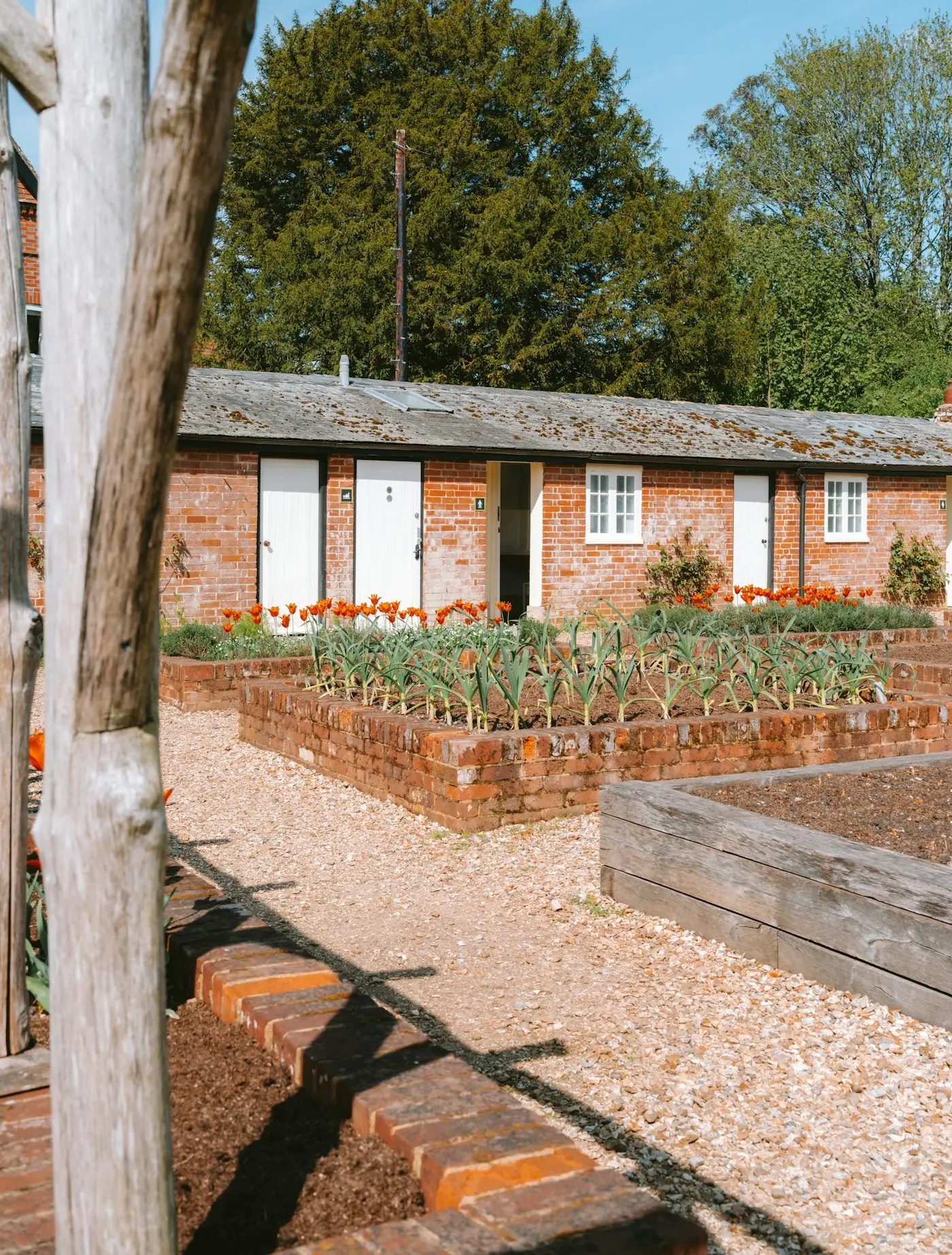
Garden design in Ackworth
Ackworth sits in the heart of the West Yorkshire coalfield between Pontefract and Hemsworth, and its gardens carry the character of that geology: Coal Measures clay that holds water in low spots, compacts underfoot, and bakes to a cracked surface in July. This is not a complaint about the village - it is simply what you are working with. A garden design that ignores the soil will fail within a couple of seasons. One that is built around it will look better every year.
The housing mix in Ackworth ranges from older stone terraces on the main village streets with compact enclosed rear gardens, through to larger detached properties on the edges of the village that have more generous plots. Both types share the same underlying clay challenge, but the briefs they generate are quite different. Terrace gardens typically need a low-maintenance redesign that eliminates a waterlogged lawn and creates a usable outdoor space within a small footprint. Larger plots more often need a combination of drainage improvement, structured planting design, and hard landscaping that justifies the space and makes the garden genuinely enjoyable through more of the year.
Ackworth also benefits from being close to Pontefract, which means there is a pool of designers and landscapers familiar with WF7 conditions who can work across the area without long travel times. That tends to mean more competitive quotes and faster turnaround times than you might find in smaller more remote villages. For an overview of garden design services across Yorkshire, that page gives the full picture. For ongoing maintenance once a design is in place, the local gardeners in Ackworth page is the starting point.
Cost guide for Ackworth garden design
These are realistic ranges for Ackworth and the WF7 area. Designers quote you directly; there is no markup on your side of the enquiry.
| Service | Typical cost | What it includes |
|---|---|---|
| Initial consultation | Free to £75 | Site visit, brief discussion, outline proposal. |
| Planting plan only | £300-750 | Scaled scheme, plant list, spacings. You implement. |
| Full design with project management | £700-2,500 | Design, contractor coordination, planting oversight. |
| Drainage improvement (French drain) | £400-1,200 | Excavation, perforated pipe, gravel backfill, soakaway. |
| Patio installation (20-35 sqm) | £2,000-5,500 | Sub-base, edging, paving supply and lay. |
| Raised bed installation (2-3 beds) | £400-900 | Timber or stone beds, soil mix, initial planting. |
| Full garden makeover (40-80 sqm) | £6,000-16,000 | Clearance, drainage, hard landscaping, planting, establishment. |
For a full breakdown of what affects garden design and landscaping cost across Yorkshire, our garden designer cost guide covers the main variables by project type and scope.
Get your Ackworth garden sorted this season.
Tell us about your plot and a local WF7 designer comes back with a real figure. No call centres. Design from £500.
Start your free estimateThe full local guide
Understanding Ackworth's soil and what it means for your garden
Coal Measures clay across WF7 is a dense, low-permeability material that behaves very differently from the lighter soils you find in the Vale of York or on the limestone dales to the north. It expands when wet and contracts when dry, which means structures built on clay without appropriate preparation will shift over time: paths crack, patio edgings lift, fence posts lean. The soil shrinkage in a dry summer can be dramatic enough to open gaps around foundation walls. This is not a reason to despair - it is a reason to specify correctly from the start.
The practical gardening consequences of WF7 clay are well known to anyone who has tried to garden here for more than a season. Water pools on the surface after rain rather than draining into the soil profile. Lawns develop moss and algae patches where pooling is worst. Tree roots stay shallow and can lift paving over time. Plants that need sharp drainage - lavender, rosemary, most Mediterranean herbs - will rot at the root over a wet Yorkshire winter. Digging and planting feels brutal in August when the clay has baked solid.
The right response is not to import lorry-loads of grit and try to convert Ackworth clay into something it is not. That approach is expensive, temporary, and rarely worth the investment. The better response is to work with the clay: select planting that either tolerates or actively prefers moisture-retentive soil, raise any beds where you need better drainage, use permeable surfaces rather than solid concrete on areas that pool, and build organic matter into the soil year by year to improve its structure gradually. A designer who has worked on WF7 gardens before will build that reality into the scheme from day one rather than specifying a wish list that looks good on paper and fails in practice.
In low-lying parts of Ackworth, waterlogging can be severe enough to kill established plants if it persists for more than a few days in winter. A designer doing a site visit will check drainage carefully - sometimes using a simple percolation test - before making any recommendations. On a garden where drainage is a genuine problem, the solution often has to come before planting, not alongside it. French drains, soakaways, or a raised planting level are all options that a good designer will cost into the proposal honestly.
What gets designed in Ackworth gardens
Low-maintenance redesign for terrace rear gardens
This is the most common brief from Ackworth's older terrace streets. You have a garden of thirty to sixty square metres, a lawn that turns to mud or moss every winter, and limited time to maintain what is there. The design response is typically to reduce or eliminate the lawn in favour of a permeable hard standing, add one or two planted borders with ground-cover perennials and structural shrubs, and create a usable patio area for sitting out through the warmer months. Done well, this kind of redesign asks an hour of maintenance per month rather than a weekend of weeding every six weeks.
The choice of hard surface matters on clay. A solid concrete or porcelain patio without adequate drainage channels will contribute to surface water problems rather than solving them. Yorkshire sandstone flags on a properly prepared sub-base, or a permeable block paving system, are both options that handle the clay movement below and deal with surface water more effectively. A designer will specify sub-base depths and drainage details as part of the proposal, not as an afterthought.
Border redesign and replanting
Many Ackworth gardens have borders that have been planted and replanted over the years without a coherent scheme behind them: overgrown shrubs that have become shapeless, annuals that need replacing every spring, and gaps where things have died without being replaced. A border redesign starts by assessing what is worth keeping - a mature shrub that is performing well is worth its weight in new planting - and building a layered scheme around it. The aim is seasonal interest from spring through to late autumn with minimal intervention: ground-cover perennials that suppress weeds, mid-level flowering plants for summer colour, and structural shrubs or grasses that hold form through winter.
Drainage improvement and lawn rescue
If your Ackworth lawn is more moss than grass, the underlying cause is drainage and compaction rather than poor seed or fertiliser. Hollow-tine aeration and scarification help but rarely solve a genuinely heavy clay drainage problem on their own. A longer-term solution combines drainage improvement with grass species tolerant of moisture-retentive soil, or replaces the lawn with a surface that does not try to compete with the underlying clay. A designer can assess whether renovation or replacement makes more financial sense over a ten-year horizon - and that assessment is almost always worth having before spending money on treatments that will not address the root cause.
Full garden redesign for detached properties
Larger detached plots on the edges of Ackworth have the space for a more ambitious brief: a structured garden with distinct areas for sitting, planting, children's use, or food growing. On a garden of a hundred square metres or more, a full design with hard landscaping, planted borders, a lawn area on improved ground, and boundary planting is a project that significantly changes how you use your outdoor space. The investment is higher but so is the return, both in daily use and in how the property is perceived when it comes to sale.
Design styles that suit Ackworth
Ackworth has a practical, grounded character - it is a village that grew as a pit village and later as a Leeds commuter settlement, and the gardens here do not try to be something they are not. The design styles that work best in Ackworth are those that suit the climate, the soil, and the scale of the plots: contemporary low-maintenance schemes that use natural stone and structural plants; cottage-style planting on improved ground for those who want more seasonal interest and are prepared to put in more maintenance time; and productive garden integration where raised vegetable beds are part of the design rather than an afterthought.
Yorkshire sandstone flags and natural stone walling sit authentically in Ackworth gardens in a way that pressed concrete or imported tropical hardwood does not. The stone quarries of the region mean locally sourced material is generally available at reasonable cost, and it ages into the landscape rather than looking out of place after five years. A designer who knows the area will default to materials that belong here before reaching for more expensive or exotic options.
For ideas and inspiration across a range of Yorkshire garden types, our Yorkshire garden design ideas guide covers approaches from compact terrace gardens through to larger country-style plots, with specific plant and material references throughout.
Plants that work in Ackworth's clay soil
Choosing the right plants for Coal Measures clay is the single biggest factor in whether an Ackworth garden thrives or limps through each season. These perform reliably on heavy ground and establish well once the soil has had basic preparation:
- Astilbe (Fanal, Visions in Red) - feathery plumes in damp shade from June to August; thrives where other perennials fail.
- Hardy geranium (Rozanne, Patricia, Johnson's Blue) - sprawling ground cover that tolerates clay and suppresses weeds effectively through the season.
- Persicaria amplexicaulis (Firetail, Alba) - tough and fast-growing; flowers from July to October on heavy ground without complaint.
- Crocosmia Lucifer - arching orange-red spikes in August; spreads vigorously on clay and needs dividing every few years to keep it from taking over.
- Siberian iris - slender upright foliage and May flowers; prefers moist clay and looks elegant in a way that bearded iris cannot manage on heavy ground.
- Cornus (Midwinter Fire, Sibirica) - winter stem colour in yellow-orange and red; thrives in moist to wet conditions and earns its space from November to March when most plants have nothing to offer.
- Alchemilla mollis - chartreuse flowers in June and self-seeds freely; tolerates heavy ground and partial shade and acts as a useful weed suppressant.
- Hemerocallis (daylilies) - once established on clay, extremely tolerant of alternating wet and dry periods.
Mediterranean herbs, lavender, and salvias are best avoided in unimproved Ackworth clay. They will fail in wet winters unless planted in raised beds or significantly improved ground. A designer will tell you honestly what is viable in your specific plot rather than specifying plants that need conditions your garden cannot provide.
How the design process works
- Initial brief. You describe your garden, your budget, how you use the space and what you want from it. Photos and rough measurements help. Even a description of the main problems is enough to give a designer a useful starting point.
- Site visit and drainage assessment. The designer visits, checks drainage patterns across the plot, maps sun and shade, assesses existing plants and any structural issues. On Ackworth clay, the drainage check is never optional - it shapes everything else.
- Proposal and costings. You receive a planting plan or layout scheme with plant list, quantities and indicative costs. This is your decision point with no obligation to proceed.
- Phasing the work. If you proceed, the designer sequences the project correctly: drainage first, then hard landscaping, then planting at the right season. Autumn is generally the best planting window for clay soil.
- Installation and establishment. The designer sources plants - often at trade prices - oversees planting and advises on aftercare through the first season, when clay gardens are most vulnerable to getting it wrong.
Frequently asked questions about garden design in Ackworth
What soil does my Ackworth garden have?
Ackworth gardens sit on Coal Measures clay - dense, slow-draining ground consistent across WF7. Water pools in low spots after rain and the clay bakes hard in dry spells. Improving it means working in organic matter over several seasons or designing around it with raised beds, permeable surfaces and moisture-tolerant planting.
How much does garden design cost in Ackworth?
A planting plan costs £300-750. Full design with project management runs £700-2,500. A complete garden makeover covering drainage, hard landscaping and planting typically costs £6,000-16,000 for a mid-size WF7 plot. Designers quote you directly with no call centre fees. See our garden designer cost guide for full Yorkshire breakdowns.
What plants work on Ackworth's heavy clay?
Reliable performers on WF7 clay include Astilbe, Persicaria, hardy geraniums (Rozanne, Patricia), Crocosmia, Siberian iris, Cornus for winter interest, Alchemilla mollis, and daylilies. Avoid Mediterranean herbs and lavender in unimproved clay - they will fail in wet winters. Raised beds are the solution if you want those plants.
Does Ackworth have surface water problems? What does that mean for design?
Low-lying rear gardens in Ackworth's terrace streets can hold surface water after prolonged rain due to the underlying clay. A good designer assesses drainage before making recommendations - drainage improvement often needs to happen before planting or hard landscaping to avoid repeating the problem after the investment is made. Permeable surfaces and shallow drainage channels are practical responses that a WF7-experienced designer will build into the scheme.
Does Ackworth flood? What does that mean for garden design?
Ackworth does not have significant river flood risk but low-lying rear gardens in the older terrace streets can hold surface water after prolonged rain due to the underlying clay. A good designer will assess drainage before making any recommendations - drainage improvement often needs to come before any planting or hard landscaping to avoid repeating the problem after the investment is made. Permeable surfaces, shallow channels to a soakaway, and raised planted beds are all practical responses that a designer familiar with WF7 conditions will know well.
Related services
Once your design is planted, regular garden maintenance keeps it performing through the seasons. For overgrown Ackworth gardens that need clearing before design work can start, see our garden clearance service. For boundary hedging as part of a new design, see hedge trimming in West Yorkshire.
Related: Find a gardener in Ackworth
Areas near Ackworth we also cover
We cover garden design across the WF7 area and surrounding coalfield towns. For the adjacent town, see garden design in Pontefract. For the village to the north-west, see Featherstone garden design. For the full list of Yorkshire areas, the garden design service page covers them all.