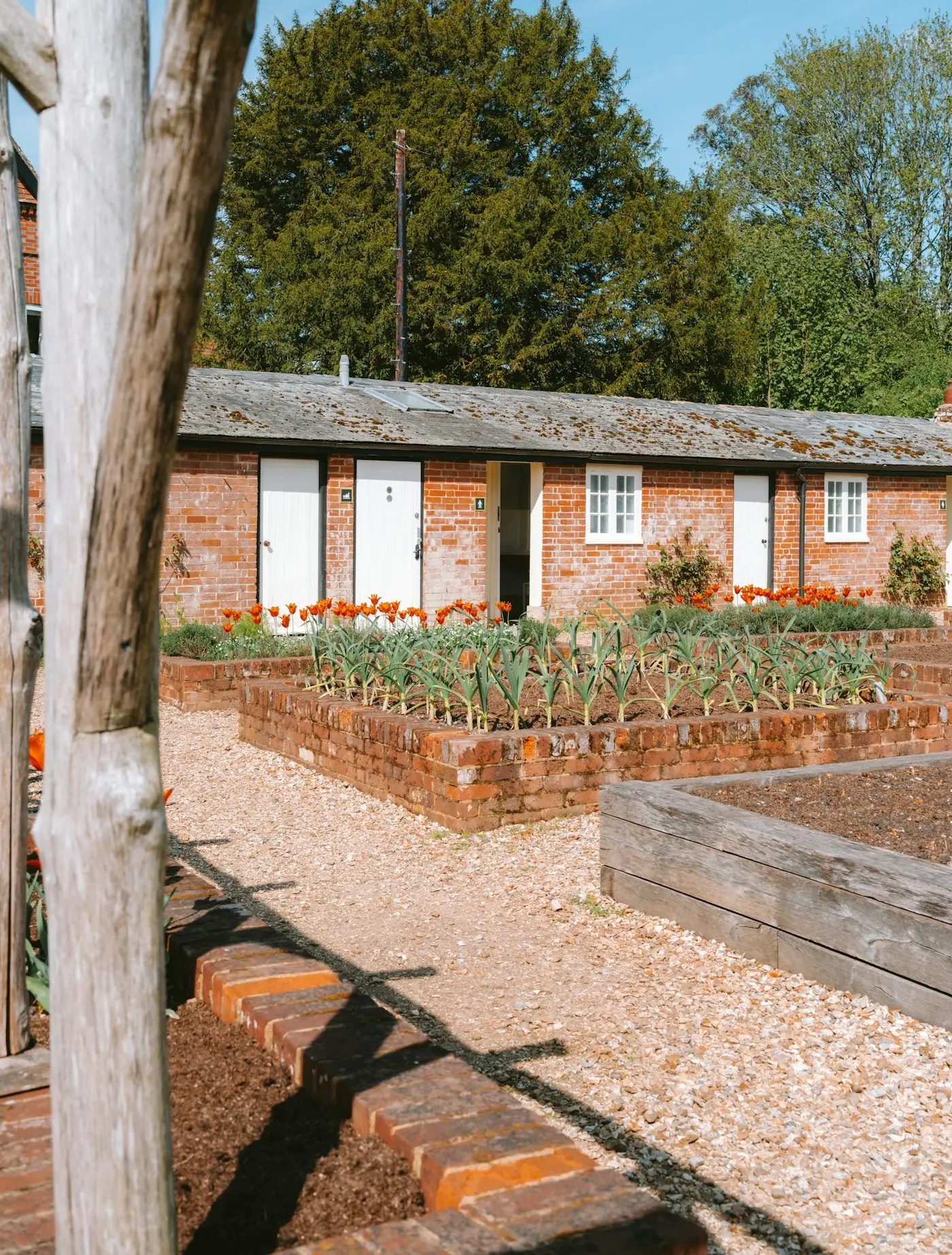
What garden design looks like in Featherstone
Featherstone is a former mining town in the Wakefield district, about five miles north of Pontefract. The town's identity was shaped entirely by coal mining - the colliery closed in 1983 and the town has been in gradual transition since. The housing stock reflects the mining history: substantial areas of colliery housing and council estate stock built from the 1920s through the 1960s, with smaller gardens typical of that era's public housing. The soil throughout is Coal Measures clay - heavy, slow-draining, and exactly the same ground that the collieries exploited. Gardens on former colliery housing estates can have additional soil complications from historical industrial activity in the area, though most residential plots are on standard Clay Measures ground without significant contamination.
Practical improvements on modest plots
The most effective garden design work in Featherstone is targeted and practical rather than comprehensive. Many of these gardens have the same problems: failing lawns, tired borders with overgrown shrubs, poor paving that holds water, and a general lack of maintenance that has allowed weeds to dominate. A designer's most useful role here is often to assess what is worth keeping, identify the two or three changes that would make the biggest practical difference, and give the homeowner a clear plan they can implement in stages rather than needing to do everything at once.
Low-maintenance design for clay
Low-maintenance design on coal clay in Featherstone starts with covering the ground. Bare clay between plants is a weed factory when wet and bakes to concrete when dry. Ground cover plants (epimedium, hardy geraniums, vinca), deep mulch applied annually, and structural shrubs that fill the space properly eliminate most of the ongoing weed work. Reducing the lawn area where it is struggling and replacing it with a more manageable solution (bark chip, paving, or a deliberately planted area) cuts the weekly maintenance time significantly. A designer will show what specific changes reduce your maintenance burden most effectively.
Simple hard landscaping on a budget
Patio and path improvements can be done progressively on a budget rather than all at once. A simple concrete or basic paving replacement with properly installed drainage is a genuine improvement even at modest cost. The critical factor on clay subgrade is sub-base preparation - a professional installation costs more than a DIY job but lasts decades rather than sinking and pooling within five years. See our patio laying service for what to expect from a correctly installed patio on clay ground.
Cost ranges for Featherstone garden design
| Service | Cost range |
|---|
| Planting plan only | £300-800 |
| Planting plan with implementation | £600-1,500 |
| Full design and project management | £800-3,000+ |
| Border replant (up to 10 sqm) | £150-400 |
| Patio design and installation | £2,000-8,000 |
| Full garden makeover (50-100 sqm) | £5,000-15,000+ |
Garden design consultations in Yorkshire run £50-120 per hour. A site visit costs around £150-250. See our garden design service page for full detail.
Get a free Featherstone garden estimate
Tell us what you want from the garden and we will connect you with local designers who quote directly.
Get a design estimate
The full local guide
Plants that perform in Featherstone gardens
Reliable clay-tolerant plants for Featherstone gardens include dogwood, viburnum, spiraea, hardy roses, and small ornamental cherries. Ornamental grasses (miscanthus, deschampsia) provide year-round structure with very low maintenance. Ground cover with hardy geraniums and epimedium eliminates bare clay. For smaller plots, compact shrub varieties and climbing plants on fences maximise the impact within the available space. Annual bark mulch in March is the single most effective annual maintenance task for clay-soil borders.
How the process works
- Initial brief. Tell us what you want from the garden - whether it is a planting refresh, patio design, or a full makeover.
- Site visit and assessment. The designer visits, assesses your soil, drainage, existing planting and constraints.
- Design proposal. A scaled plan with planting list, materials specification, and cost estimate.
- Coordination and installation. For full project management, the designer coordinates contractors for paving, fencing, and planting.
- Establishment. Planting in autumn or early spring with advice on watering and maintenance through the first season.
Frequently asked questions
What soil does Featherstone have?
Featherstone sits on Coal Measures clay throughout the Wakefield district. The soil is heavy, slow-draining and stays wet in winter. Good plant selection and annual mulching are the key management approaches. Some gardens on former industrial land may have additional soil considerations - a designer will assess this on the site visit.
How much does garden design cost in Featherstone?
A consultation visit to assess the garden and give specific advice costs £150-250. A planting plan costs £300-800. Full design and project management is £800-3,000. For more modest Featherstone plots, targeted improvements from a single consultation often achieve the best value. Designers quote directly.
What is the most effective improvement for a Featherstone garden?
Covering the ground with structural planting, ground cover, and mulch to eliminate the bare clay weed zone is consistently the highest-impact improvement. Replacing a failing patio or path is the second most common. A consultation visit identifies the specific improvements that will make the biggest difference for your plot.
What plants work on Featherstone's coal clay?
Dogwood, viburnum, spiraea, small ornamental cherries, miscanthus and deschampsia grasses, and ground cover with hardy geraniums and epimedium are all reliable. Climbing plants on fences (clematis, roses) extend the planting vertically on smaller plots.
Do you cover the wider Wakefield mining district from Featherstone?
Yes. We connect homeowners with designers across WF7 and the wider Wakefield district including Hemsworth and Crofton. Designers quote directly.
Phased garden improvements in Featherstone
Many of the garden improvement projects in Featherstone work best when phased over one or two growing seasons rather than being attempted all at once. A phased approach suits both the budget realities and the way clay soil responds to improvement: you cannot transform coal clay in one operation, but two or three targeted interventions over successive years make a significant cumulative difference.
A typical phased approach might run: Year one - remove overgrown and failing plants, improve a specific border with organic matter, replant with clay-tolerant structural plants, and apply bark mulch across all borders. Year two - replace or improve paving, add ground cover planting to fill gaps between structural plants, begin lawn aeration programme. Year three - assess what has established well, add seasonal perennials and bulbs to fill remaining gaps in the border structure. By year three, a garden in default mode has typically been transformed into something that looks deliberate and well-maintained.
The key to phased improvement is having a clear plan from the start rather than making ad hoc decisions season by season. A garden designer gives you a master plan for what the garden should look like when the phasing is complete, allowing each season's work to contribute toward that endpoint rather than creating a disconnected collection of individual changes. This is why a design commission, even for a modest Featherstone garden, pays for itself in clearer decision-making and avoided mistakes.
For lawn renovation on coal clay in Featherstone, the realistic expectation is improvement over two to three seasons rather than immediate transformation. Hollow-tine aeration creates channels that gradually allow air and drainage to improve. Top-dressing with sharp sand worked into the holes builds the free-draining layer that grass roots need. This is a cumulative process that requires consistency - aeration once a year, every year, for three years - but the results are significant and sustained. A designer will include this programme in the maintenance plan alongside the planting and hard landscaping recommendations.
Areas around Featherstone we also cover
We match homeowners with designers in Hemsworth and Crofton and Kippax. For general gardening services in Featherstone, visit the local gardeners in Featherstone page. See also our guide to finding a gardener in Featherstone.