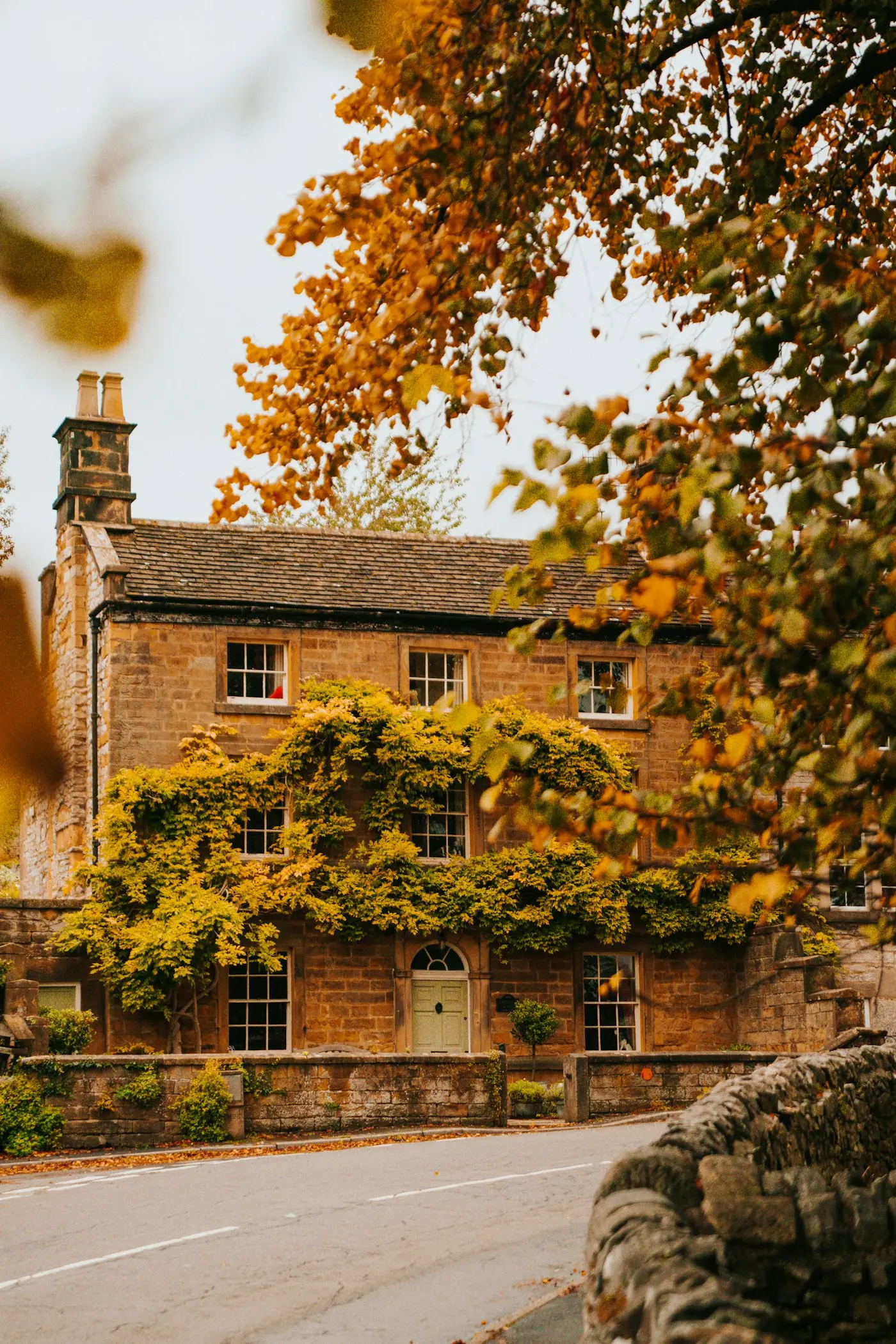
What garden design looks like in Crofton
Crofton is a village in the Wakefield district, sitting between Wakefield city and the former mining villages of the Calder corridor. It has a more pronounced village character than many of the larger South Yorkshire settlements nearby, with older properties in the historic core and a residential population that values the village setting. The soil is Coal Measures clay - the same heavy, slow-draining ground found throughout the Wakefield district and the former West Yorkshire coalfield. This clay needs management but it is far from impossible to garden on. Decades of good cultivation have often improved the soil in the older Crofton gardens, and where organic matter has been worked in consistently, the clay has a reasonable structure that supports a good range of plants.
Village garden style
Crofton's village character suits a naturalistic, traditional garden style rather than a highly formal or minimalist approach. Cottage-garden perennials, climbing roses on front boundaries, productive kitchen garden plots, and informal mixed borders are all appropriate. The older properties in the village core often have more characterful gardens than the newer estates on the edges - established trees, mature hedging, and gardens that have been cultivated for decades. A designer working with an established Crofton garden will identify and preserve these elements as the foundation of the new design.
Coal Measures clay management
The Clay Measures clay throughout the Wakefield district behaves predictably: it holds moisture well in spring (which is an asset for planting), waterlogged in winter (which is a challenge), and cracks in a dry summer. Regular organic matter addition - working well-rotted compost into beds each autumn - gradually improves the structure and makes it more workable over time. Mulching with bark each spring suppresses weeds, conserves moisture, and feeds the soil. These two practices, done consistently over three to five years, transform what is possible on heavy clay.
Practical improvements on a modest budget
Not every garden design project in Crofton needs to be a comprehensive makeover. Some of the most effective work in this area is targeted: replacing a failing lawn with a more manageable solution (bark chip with structural planting, or a simple patio extension), adding a small raised bed area for vegetables, updating a tired border with better plant choices, or installing a simple paved seating area where there was previously just grass. A consultation visit (£150-250) often identifies the two or three changes that would make the biggest practical difference to how the garden works and looks.
Cost ranges for Crofton garden design
| Service | Cost range |
|---|
| Planting plan only | £300-800 |
| Planting plan with implementation | £600-1,500 |
| Full design and project management | £800-3,000+ |
| Border replant (up to 10 sqm) | £150-400 |
| Patio design and installation | £2,000-8,000 |
| Full garden makeover (50-100 sqm) | £5,000-15,000+ |
Garden design consultations in Yorkshire run £50-120 per hour. A site visit to assess your garden costs around £150-250. See our garden design service page for full detail on what is included at each level.
Get a free Crofton garden estimate
Tell us what you want from the garden and we will connect you with local designers who quote directly.
Get a design estimate
The full local guide
Plants that perform in Crofton gardens
Coal Measures clay throughout the Wakefield district suits tough structural plants: dogwood, viburnum, spiraea, hardy roses, and ornamental cherries for trees. Ornamental grasses including miscanthus and deschampsia handle the wet winters and dry summers. Perennials with proven clay tolerance - rudbeckia, helenium, astrantia, persicaria, and hardy geraniums - make reliable border plants. Ground cover (epimedium, vinca) under shrubs eliminates the bare clay that generates most of the weed maintenance. Climbing plants on fences and walls - clematis, climbing roses, pyracantha - maximise the vertical planting space on smaller plots.
How the process works
- Initial brief. Tell us what you want from the garden - whether it is a planting refresh, patio design, low-maintenance borders, or a full makeover.
- Site visit and assessment. The designer visits, assesses your soil, drainage, existing planting and constraints. Most designers offer a free or low-cost initial visit.
- Design proposal. A scaled plan with planting list, materials specification, and cost estimate. For design-only commissions this is the deliverable.
- Coordination and installation. For full project management, the designer coordinates contractors for paving, fencing, and planting.
- Establishment. Planting in autumn or early spring with advice on watering and maintenance through the first season.
Frequently asked questions
What soil do Crofton gardens have?
Crofton sits on Coal Measures clay - heavy, slow-draining soil that waterlogs in winter and cracks in dry summers. In established village gardens, decades of cultivation have often improved the structure. Regular organic matter addition and mulching maintains the soil in good condition.
How much does garden design cost in Crofton?
A planting plan only costs £300-800. A consultation visit to identify the most useful improvements costs £150-250. Full design and project management is £800-3,000 or more. Full garden makeovers run £5,000-15,000. Hourly rates for a Yorkshire designer run £50-120.
What style suits a Crofton village garden?
The village character suits traditional and cottage-garden styles: cottage perennials, climbing roses on boundaries, informal mixed borders, and productive kitchen garden elements. These feel appropriate for older Crofton properties and are well-suited to the Clay Measures soil.
What plants work well on Crofton's clay?
Dogwood, viburnum, spiraea, hardy roses, ornamental cherries, miscanthus, rudbeckia, helenium, hardy geraniums, and climbing clematis on fences are all reliable on Coal Measures clay. Ground cover under shrubs eliminates bare clay that generates most of the weed work.
Do you cover the wider Wakefield district from Crofton?
Yes. We connect homeowners with designers across WF4 and the wider Wakefield district. Designers quote directly and set their own prices.
Seasonal calendar for a Crofton garden on coal clay
Understanding the seasonal rhythm of a Coal Measures clay garden helps you work with the conditions rather than against them. In Crofton, the practical gardening calendar runs differently from the textbook because the clay stays wet and cold well into spring. The key timings to understand are: when the clay is workable for digging and planting (usually April to June and September to October), when it is best left alone (winter, when working it damages the structure), and when plants are most at risk (winter waterlogging for sensitive species, July drought for moisture-hungry plants).
Autumn planting (September to November) is the most productive time for woody plants and bulbs on coal clay. The soil is warm enough for root establishment, there is usually adequate moisture, and the plants have time to establish their root systems before the growing season. Spring planting (April to June) works well for herbaceous perennials and grasses. Summer planting is possible but needs irrigation to get plants established before the clay dries out.
For an established Crofton garden, the annual maintenance calendar has a few key tasks that make the biggest difference to how the garden performs. March: apply bark mulch to all borders before weeds get established. April-May: cut back ornamental grasses to 150mm from the ground. June: deadhead shrub roses and check for black spot. September: plant new additions and bulbs. November: cut back spent perennial stems if you prefer a tidier winter appearance (or leave them for wildlife and winter texture). This is a light maintenance regime compared to a traditional intensive garden, and it suits the practical coal clay conditions.
The most important single gardening act in Crofton each year is the March mulching. A generous layer of bark mulch (70-100mm deep) applied in March before weeds germinate smothers weed seedlings, retains moisture through the summer (when clay cracking desiccates plant roots), and adds organic matter as it breaks down. It makes the difference between a border that needs weekly weeding through summer and one that needs checking every three to four weeks.
Areas around Crofton we also cover
We match homeowners with designers in Featherstone and Hemsworth and Kippax. For general gardening services in Crofton, visit the local gardeners in Crofton page. See also our guide to finding a gardener in Crofton.