Garden design · Baildon · BD17
Baildon garden design and landscaping.
Baildon gardens range from sheltered lower-estate plots to exposed moorland-edge sites where the wind is the defining challenge. Good design here starts with knowing your soil and your aspect, then building a scheme that works with Baildon's conditions rather than against them. Design from £500.
- Free initial estimates
- Local designers who quote directly
- Design from £500
- No call centres
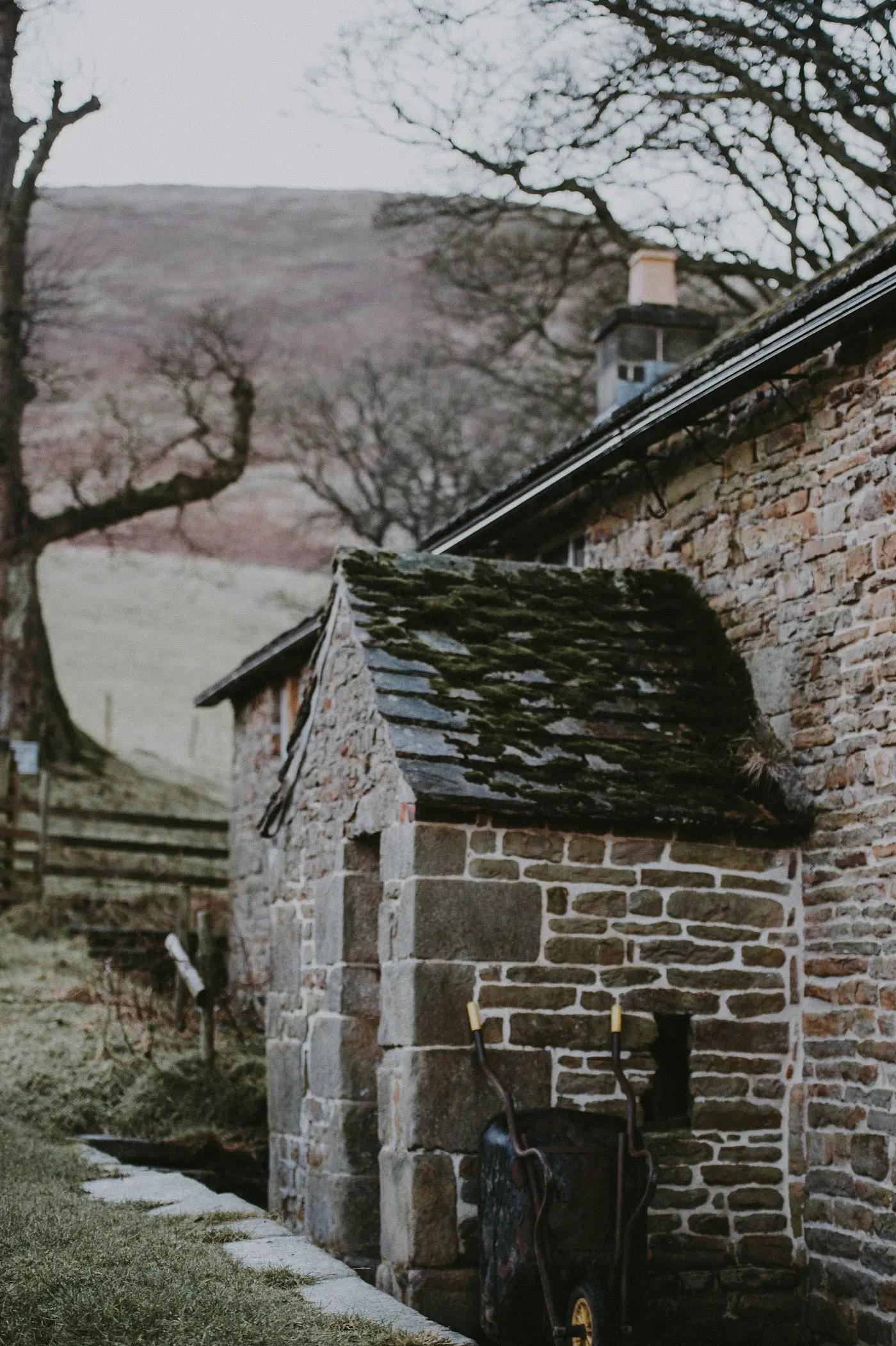
What garden design looks like in Baildon
Baildon sits on the Airedale fringe in Bradford district, with Baildon Moor rising immediately to the north and the Aire valley falling away below. That topography creates a genuinely wide range of garden conditions within a small area. A garden on the upper edge of Baildon, facing north or west toward the moor, is one of the more challenging plots in West Yorkshire for growing ornamental plants: exposure to westerly weather is significant, last frosts can arrive late in spring, and the gritstone soils drain freely but have limited fertility. A garden in the lower estates, shielded by buildings and slope, faces almost none of those challenges and may actually have decent clay-enriched loam that grows a wide range of plants well.
Understanding where your plot sits in that range is the first job of any designer working in BD17. The Magnesian Limestone and Coal Measures boundary runs through the area, meaning soil pH and drainage characteristics can vary meaningfully from one street to another. Clay-heavy lower-estate soils stay wet in winter and compact in summer; gritstone soils higher up drain freely year-round. Both can produce beautiful gardens with the right planting selection and soil management, but a scheme designed for one will fail on the other.
The moorland context is one of Baildon's distinctive features. Baildon Moor is heather moorland, and that landscape visible from many gardens in the village creates a strong aesthetic context. Design that ignores it - that tries to recreate a Harrogate spa garden or a Chelsea-style formal scheme on the moorland edge - often looks incongruous. Design that takes the moor as its cue, using plants and materials that connect the garden to its surroundings, tends to produce spaces that feel genuinely rooted in their location.
For professional design tailored to BD17 conditions, our garden design service connects you with local designers who quote directly. For ongoing care once your design is planted, garden maintenance in Baildon keeps it in shape through the seasons.
Cost guide for Baildon garden design
| Service | Typical cost | What it includes |
|---|---|---|
| Initial consultation | Free to £75-150 | Site visit, brief discussion, outline proposal. |
| Planting plan only | £300-800 | Scaled scheme, plant list, spacings. You implement. |
| Full design and project management | £800-3,000+ | Design, contractor coordination, planting oversight. |
| Shelter belt planting scheme | £400-1,200 | Native hedge species mix, spacings, establishment plan. |
| Lawn renovation (clay soil) | £200-600 | Aeration, top-dressing, overseeding or full reseed. |
| Full garden makeover (50-100 sqm) | £5,000-15,000+ | Clearance, hard landscaping, planting, establishment. |
For a full picture of how garden designer fees are structured in Yorkshire, see our garden designer cost guide. For general gardening costs across the region, our how much does a gardener cost guide covers the full range of services.
Get your Baildon garden designed this season.
Tell us about your plot and a local designer comes back with a real figure. No call centres, no subscriptions. Design from £500.
Start your free estimateThe full local guide
Soil and wind: the two variables that define Baildon gardens
Coal Measures clay on the lower estates stays wet from October through April and can develop a hard cap on the surface during a dry August. Before committing to a lawn renovation or a border replant on clay soil, it is worth checking whether drainage is adequate. A garden that sits in standing water for six weeks each winter will lose plants regardless of how good the design scheme is. Raised beds, improved subsoil drainage and mulching all help, but structural drainage work needs to happen before the planting scheme is finalised.
On the higher gritstone plots the constraint is different. Thin acid soils are free-draining to the point of being drought-prone in a dry summer, and their low fertility means you need to feed and mulch consistently to sustain lush ornamental planting. Plants that naturally grow on upland heathland - heathers, bilberry, hardy grasses, mountain pine - are naturally suited here. Trying to grow moisture-loving plants like hostas or astilbes on thin gritstone without significant soil improvement is an uphill battle.
Wind is the second major design variable on upper Baildon plots. The westerly weather that comes off the Pennines is persistent rather than violent, but it desiccates plants, reduces the effective growing season, and batters any structure that is not robust enough to handle it. Solid barriers (fences, walls) create turbulence immediately downwind; permeable shelter (mixed native hedging) filters the wind and creates genuinely sheltered zones two to three times the height of the shelter belt. Getting shelter right before specifying ornamental planting is fundamental to success on an exposed BD17 plot.
Common project types in Baildon
Moorland-edge shelter belt planting
For exposed plots on upper Baildon, the first design priority is often establishing permeable shelter before any ornamental planting can realistically succeed. Native mixed hedging led by hawthorn (Crataegus monogyna), with hazel, field maple, blackthorn and holly, is the most cost-effective and ecologically valuable shelter solution. Once established over two to three growing seasons, the sheltered zone it creates allows a far wider planting palette inside the garden. This kind of long-term thinking is what separates a garden that improves over time from one that keeps losing plants to the wind.
Clay soil lawn renovation and replanting
Waterlogged, compacted lawns are among the most common problems in Baildon's lower estates. Hollow-tine aeration, top-dressing with sharp sand and organic matter, and reseeding with a mix that includes hard-wearing fescues and ryegrass suited to clay soils makes a significant improvement. Where the waterlogging is severe, a perforated pipe drainage system installed below the lawn is the more permanent fix. Border replanting on clay benefits from raised bed construction and soil improvement with grit and compost before any planting scheme is specified.
Victorian semi garden refresh
The Victorian semi-detached houses across Baildon typically have rear gardens of 60-120 sqm with a reasonable south or west aspect. The most common brief is refreshing a tired garden that has had the same layout for twenty years: remove the old patio, replace with better materials, redesign the borders with a coherent planting scheme and remove the features (water features, rockeries) that date the design. Budgets for this type of project typically run £3,000-8,000 depending on the scope of hard landscaping work.
Modern estate low-maintenance design
Newer estates in Baildon often have smaller plots with limited soil depth over rubble or compacted subsoil. The design brief here is almost always low maintenance: hard-wearing surfaces, minimal lawn or none at all, structural planting that looks good year-round with minimal intervention. Raised beds with good imported topsoil, drought-tolerant structural planting (grasses, agapanthus in sheltered spots, lavenders) and a quality resin-bound or porcelain patio surface deliver a garden that requires a few hours of attention per year rather than a weekly commitment.
Design styles that suit Baildon
The moorland backdrop and the Victorian residential character of much of Baildon points toward design styles that feel grounded in the North. Formal European styles can work well on sheltered lower plots with good soil, but on exposed sites or where the moor is visible, naturalistic approaches tend to perform better aesthetically and practically.
A moorland-inspired naturalistic style using hardy grasses (Molinia caerulea cultivars, Deschampsia, Calamagrostis Karl Foerster), heathers, birch trees, moorland-edge shrubs and late-season perennials creates a garden that connects to the surrounding landscape rather than fighting it. It also happens to be highly practical: these plants are adapted to exactly the conditions they are growing in and require very little intervention once established.
For sheltered plots with reasonable soil, cottage garden planting works well with Baildon's Victorian housing stock. Generous mixed borders, roses, hardy geraniums, salvias and ornamental grasses create the kind of seasonal interest that makes a garden worth spending time in from April through October. The key is plant selection for the specific soil: on clay, choose moisture-tolerant varieties; on gritstone, choose drought-tolerant ones.
Contemporary low-maintenance design suits the newer estates: clean lines, quality hard surfaces, a limited palette of structural plants repeated for visual coherence, and edging that keeps maintenance to a minimum. If you want a garden that looks well-kept without requiring constant attention, this is the approach that achieves it most reliably. See our Yorkshire garden design ideas guide for more approaches that work across the region's varied conditions.
Plants that work in Baildon gardens
On exposed upper plots and moorland-edge sites: Hawthorn, hazel and blackthorn for shelter. Once shelter is established - Molinia caerulea Transparent and Poul Petersen for elegant grass movement, Deschampsia caespitosa Goldtau for low clumps of arching gold, Erica (heathers, both ling and bell) for year-round ground cover, Calluna vulgaris cultivars for late summer colour, Vaccinium myrtillus (bilberry) for native ground cover with autumn berry interest, Betula pendula (silver birch) as a structural tree that is completely at home in this landscape.
On lower sheltered clay plots: Hydrangea paniculata Limelight and Little Lime (both handle clay and give long season interest), Rosa rugosa (tough, fragrant, wind-resistant), Persicaria bistorta Superba (moisture-tolerant, pink spikes through summer), Ligularia Desdemona (dramatic foliage for moist clay), Astilbe (rich plumes in moisture-retentive clay), Geranium psilostemon (striking magenta with black eye, clay-tolerant), Euphorbia palustris (structural, acid-yellow spring flower, moisture-tolerant).
Your designer will do an on-site assessment of your specific plot rather than applying a generic list. Baildon's variable soils mean that what thrives fifty metres away may struggle in your garden, and vice versa.
Design process for Baildon projects
- Initial brief. Describe your plot, your budget, how exposed it is and what you want from the space. Photographs and a rough sketch of the garden dimensions help your designer prepare.
- Site visit. Your designer assesses soil type, drainage, wind exposure, sun and shade, and existing plants worth keeping. On an exposed upper Baildon plot, shelter assessment comes before plant selection.
- Proposal and plant list. You receive a scheme tailored to your soil, aspect and brief. For exposed sites this will typically include a phased approach: shelter first, then ornamental planting once shelter is establishing.
- Sequencing. Structural work and hard landscaping first, shelter belt planting in autumn (the best establishment season), ornamental infill in spring once the shelter is growing.
- Installation and aftercare. The designer sources plants, oversees planting and advises on establishment. New hedging in particular needs monitoring and some protection in its first winter.
Frequently asked questions about garden design in Baildon
What soil does my Baildon garden have?
Lower estate plots tend toward Coal Measures clay - heavy, slow-draining, wet in winter and hard in summer. Higher plots near Baildon Moor have thinner, more acid gritstone soil that drains freely. The Magnesian Limestone boundary runs through the area, so pH varies. Your designer will assess on site before specifying a planting scheme, because assuming clay when you have gritstone (or vice versa) leads to the wrong plants being specified.
How much does garden design cost in Baildon?
A planting plan costs £300-800. Full design with project management runs £800-3,000. A complete design-and-build with hard landscaping costs £5,000-15,000 or more. Wind shelter structures add to the budget on exposed plots but pay back in improved plant performance and garden usability. See our Yorkshire garden designer cost guide for a fuller breakdown.
What plants work on exposed Baildon plots?
Native hedging species for shelter first: hawthorn, hazel, blackthorn, field maple. Within the sheltered zone: Molinia, Deschampsia and Calamagrostis ornamental grasses, heathers, Rosa rugosa, hardy geraniums, Hydrangea paniculata. On the moor edge itself: heather, bilberry, dwarf pine and silver birch are genuinely at home. A designer experienced with exposed West Yorkshire sites will sequence shelter before ornamental planting.
How do I deal with wind on a moorland-edge garden?
Permeable shelter first, then planting second. Native mixed hedging filters the wind rather than deflecting it - solid fences create turbulence that can be worse than open wind. Hawthorn-led hedging with hazel and blackthorn, planted in autumn, establishes quickly and creates genuinely sheltered conditions within two to three growing seasons. Your designer will assess the prevailing wind direction and recommend the right shelter placement before specifying any ornamental planting.
How do I deal with the wind on a Baildon moorland-edge garden?
The answer is permeable shelter first, then planting second. Solid fences and walls create turbulence on the lee side that can be worse for plants than the open wind. Permeable shelterbelts of mixed native hedging, hawthorn-led with added hazel, field maple and blackthorn, filter wind rather than deflecting it and create genuinely sheltered conditions within two to three metres. Once shelter is established, your planting palette opens up considerably. A designer experienced with exposed West Yorkshire plots will always address shelter before specifying ornamental planting on an upper Baildon site.
Related services
Once your Baildon garden design is established, regular garden maintenance keeps it looking its best through the growing season. For overgrown or neglected plots that need clearing before design work can start, our garden clearance service covers BD17. For boundary hedging establishment and ongoing care, our hedge trimming service handles both new plantings and established hedges.
Areas near Baildon we also cover
We cover garden design across the Bradford district and Airedale fringe including Shipley, Guiseley and the wider area. For a full list, see our garden design service page.
Garden design in nearby areas
- Garden design in Shipley
- Garden design in Bingley
- Garden design in Guiseley
- Garden design in Yeadon
- Garden design in Bradford
For gardeners and general garden maintenance, see gardeners in Baildon.
Related: Find a gardener in Baildon