Garden design · Burley-in-Wharfedale · LS29
Burley-in-Wharfedale garden design.
Burley-in-Wharfedale has some of the best growing ground in the Wharfe Valley, Victorian and Edwardian properties with mature gardens to match, and a commuter-village character that values outdoor space highly. We connect you with local designers who quote directly. Design from £500.
- Free initial estimates
- Local designers who quote directly
- Design from £500
- No call centres
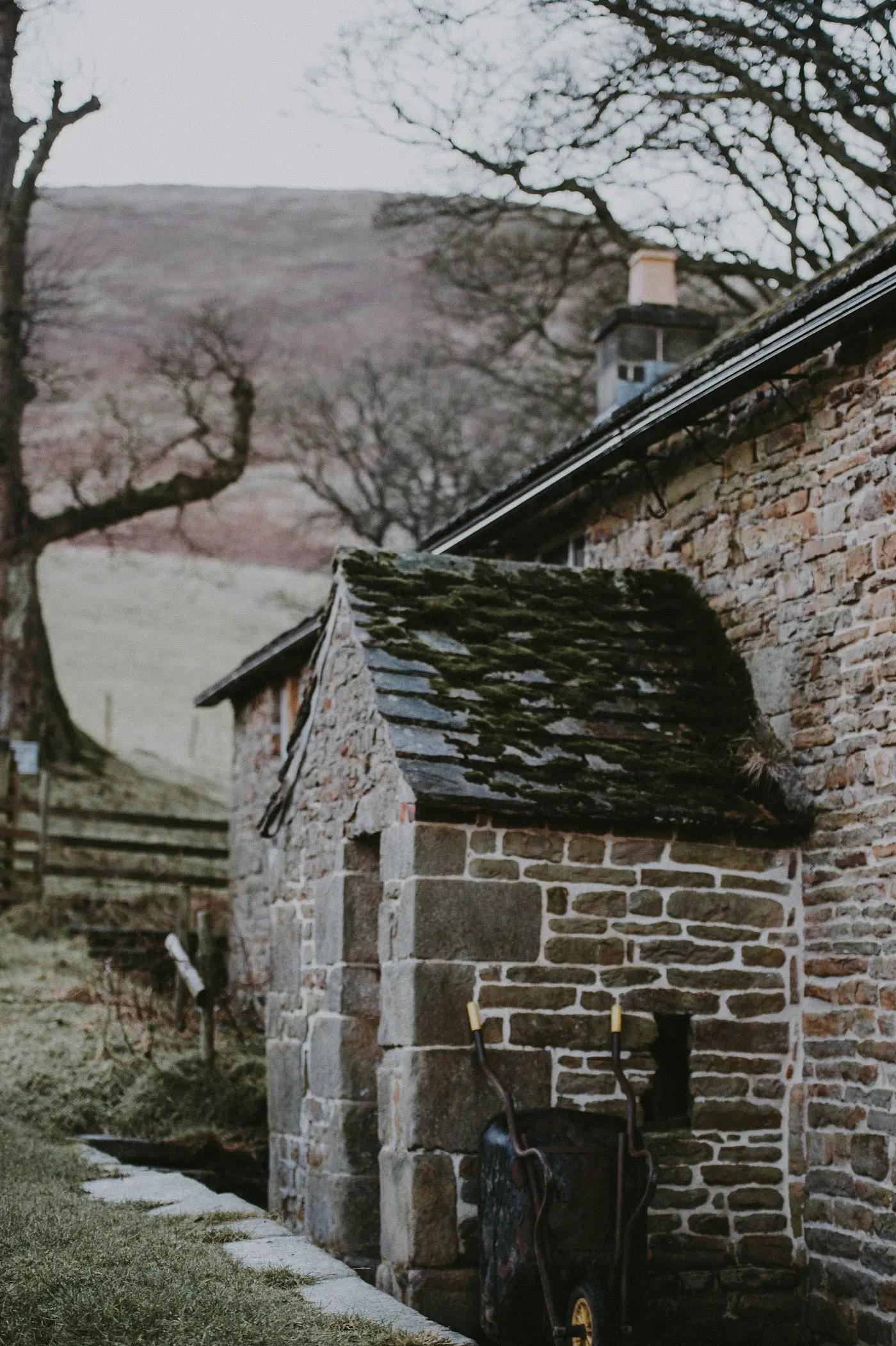
What garden design looks like in Burley-in-Wharfedale
Burley-in-Wharfedale sits between Ilkley and Otley in the Wharfe Valley, one of the most pleasant stretches of the valley for residential gardening. The village retains a strong stock of Victorian and Edwardian housing, many with established gardens that have been built up over decades. Mature tree canopy is common, which means many Burley gardens have significant areas of shade and root competition to deal with as part of any redesign. That tree canopy is also one of the village's most valuable assets: it gives established gardens a sense of maturity and scale that newer plots cannot replicate.
The Wharfe flows along the valley floor and the soils reflect it. River alluvial loam in the lower parts of the village is deep, fertile and moisture-retentive - excellent growing ground for a wide range of plants, from moisture-loving perennials to productive vegetables and fruit. Higher slopes above the village have lighter, better-draining loam that warms up faster in spring and is slightly more susceptible to summer drought. Both are inherently good soils compared with the heavy clay common in the Bradford district just a few miles away. Most Burley homeowners with reasonable soil are in a good position to grow well; the design challenge is making the most of what they already have.
Flooding is a genuine consideration for plots near the river. The Wharfe has a history of flooding in significant rainfall events, and lower-lying plots close to the river bank should be designed with flood resilience in mind. This means choosing plants that can tolerate periodic inundation, avoiding expensive rigid hard landscaping in the flood zone, and keeping structures away from areas that may be under water for days at a time after a significant storm. A designer familiar with Wharfe Valley flood patterns is essential for these plots.
For garden design across LS29, we connect Burley homeowners with local designers who understand these specific conditions and quote directly. For ongoing care once your scheme is established, garden maintenance in Burley-in-Wharfedale keeps the planting performing through the growing season.
Cost and process overview
A planting plan for a Burley-in-Wharfedale garden starts from around £300-500 for a single-border scheme and rises to £600-800 for a whole-garden planting plan that you implement yourself. Full design with project management - where the designer coordinates the contractors and oversees the installation - runs £800-3,000 depending on the scale and complexity. A complete design-and-build including hard landscaping, clearance and planting typically costs £5,000-15,000 or more.
The process begins with a site visit. Your designer assesses soil type and drainage, identifies which existing plants are worth keeping (mature shrubs and trees are often the most valuable elements of an established Burley garden), checks sun and shade patterns, and discusses your brief and budget. For most projects, the initial visit is free or included in the design fee. See our Yorkshire garden designer cost guide for a detailed breakdown of how fees are structured.
Get your Burley-in-Wharfedale garden sorted this season.
Tell us about your plot and a local designer comes back with a real figure. No call centres, no subscriptions. Design from £500.
Start your free estimateThe full local guide
Soil, shade and the Wharfe: local conditions explained
The most common challenge in Burley-in-Wharfedale gardens is not poor soil - the alluvial loam is genuinely good growing ground - but working with and beneath the mature tree canopy that many plots have accumulated over a century of occupation. Trees create shade, root competition and a dry zone beneath their canopy in summer. Designing planting that works in these conditions requires plant selection from the woodland and hedgerow flora: shade-tolerant perennials like Geranium phaeum, Epimedium, Pulmonaria, Digitalis and Brunnera; ground-cover plants like Pachysandra, Vinca and Waldsteinia; and bulbs that complete their growth cycle before the tree canopy closes in late spring.
The moisture-retentive alluvial loam suits a wider range of plants than many Yorkshire homeowners realise. Roses, in particular, thrive in deep, moisture-retentive soil - the conditions that produce the most vigorous growth and the best repeat flowering. Moisture-tolerant ornamental plants like Astilbe, Persicaria, Ligularia, Rodgersia and larger Hydrangea varieties all do well in valley floor conditions. The key is avoiding drought-susceptible plants that will struggle when the soil dries out, and that means predominantly species from wetter, heavier-soil climatic backgrounds rather than Mediterranean or prairie-origin plants that prefer sharp drainage.
For lower plots at genuine flood risk, the design approach shifts significantly. Flood-resilient planting means native trees and shrubs that handle periodic waterlogging: willows (Salix), alders (Alnus glutinosa), dogwoods (Cornus), moisture-loving grasses (Molinia, Carex) and a range of robust native perennials. Hard landscaping in flood zones should be minimal and practical: raised beds over flood-resistant membranes, simple paths with materials that drain freely, and no expensive structures that cannot be replaced if a flood event damages them.
Common project types in Burley-in-Wharfedale
Mature garden rationalisation and replanting
The most frequent brief from Burley-in-Wharfedale homeowners is working with an established garden that has accumulated decades of planting without a coherent plan. Large old shrubs, overgrown specimen plants, mixed borders with no seasonal logic, and lawns shaded out by tree canopy are all common starting points. The job is to rationalise rather than start from scratch: remove what is past its best, keep the mature structural plants that give the garden its character, and replant the gaps and cleared areas with a coherent scheme that delivers year-round interest. This type of project is often more cost-effective than a complete redesign and produces results faster because the structural framework is already in place.
Shade garden design
Many Burley properties have significant areas of dappled or deep shade under mature oak, ash, beech or sycamore trees. These areas are often treated as lost space when they are actually some of the most interesting planting opportunities in a garden. A well-designed shade garden using woodland-floor perennials, spring bulbs and shade-tolerant ground cover can be one of the most beautiful and lowest-maintenance parts of a well-designed garden. The key is soil preparation (competing tree roots need to be managed), irrigation in the first establishment season, and a planting palette drawn from species that genuinely evolved in woodland shade rather than ones that tolerate it reluctantly.
Victorian kitchen garden revival
A number of larger Burley properties retain original or early-twentieth-century kitchen garden layouts that have been allowed to grass over or fall into informal use. Reviving productive kitchen gardening - with raised beds for vegetables, cordon or espalier fruit against walls, a cutting garden for fresh flowers and a small soft fruit area - is an increasingly popular brief. A well-executed kitchen garden design makes the most of the deep, moisture-retentive alluvial soil that Burley valley floor plots possess: it is genuinely productive growing ground for vegetables and fruit in a way that lighter, poorer soils are not.
River-garden and flood-resilient planting
For plots adjacent to the River Wharfe, a design that acknowledges and works with the flood dynamic creates a garden that is both more practical and more ecologically interesting. Native riparian planting - willows, alders, wetland grasses and moisture-loving perennials - is not just flood-resilient; it creates genuine wildlife habitat and connects the garden to the river landscape in a way that feels at home in the valley setting.
Design styles that suit Burley-in-Wharfedale
The Victorian and Edwardian housing stock points naturally toward cottage garden planting: generous, informal mixed borders with roses, clematis on walls, self-seeding annuals and heritage perennials. This style suits the scale and character of the houses, improves with age as plants establish and self-seed, and works well with the deep, moisture-retentive soil of the valley floor. It also rewards the sort of thoughtful, attentive garden management that many Burley homeowners enjoy as a leisure activity.
Naturalistic planting - the new perennial style using structural grasses and long-season perennials - is well suited to the larger plots and particularly to any garden with a view across the Wharfe Valley. Long-season interest from June through February, minimal maintenance once established, and a connection to the wider landscape that feels right in a valley setting. Grasses like Calamagrostis Karl Foerster, Molinia Transparent and Sesleria autumnalis combine beautifully with echinacea, rudbeckia, veronicastrum and Sanguisorba in a palette that works across the seasons.
For productive design, the valley floor soil is an asset that makes Burley gardens genuinely well-suited to kitchen gardening in a way that poorer soils are not. If you have the space and the inclination, incorporating productive elements - even just a raised bed area and a small orchard - alongside ornamental planting gives the garden an extra dimension of usefulness and seasonal interest. Our Yorkshire garden design ideas guide covers a range of approaches and styles that work across the region.
Cost guide for Burley-in-Wharfedale garden design
| Service | Typical cost | What it includes |
|---|---|---|
| Initial consultation | Free to £75-150 | Site visit, brief discussion, outline proposal. |
| Planting plan only | £300-800 | Scaled scheme, plant list, spacings. You implement. |
| Full design and project management | £800-3,000+ | Design, contractor coordination, planting oversight. |
| Shade garden scheme | £400-900 | Assessment, species selection, soil prep plan, plant list. |
| Kitchen garden setup | £500-1,200 | Raised beds, soil prep, initial planting plan. |
| Full garden makeover (50-100 sqm) | £5,000-15,000+ | Clearance, hard landscaping, planting, establishment. |
Designer fees are separate from build costs and plant costs. See our how much does a gardener cost guide for a breakdown of gardening service costs across Yorkshire.
Plants that perform well in Burley-in-Wharfedale gardens
For the moisture-retentive valley floor loam: Rosa (David Austin shrub roses in particular - moisture-retentive soil produces the most vigorous and repeat-flowering specimens), Astilbe (all varieties, with pink, white, red and magenta plumes from June to August), Ligularia Desdemona (dramatic dark foliage and yellow flowers, loves moist conditions), Rodgersia aesculifolia (large architectural leaves, good for banks and water-side planting), Persicaria bistorta Superba (pink candles, naturalises readily in moist soil), Iris sibirica (elegant and indestructible in damp conditions), Hydrangea paniculata (all varieties, vigorous in good moist soil).
For shade under mature tree canopy: Geranium phaeum (mourning widow - self-seeds, tolerates dense shade), Epimedium (all species, superb dry-shade ground cover), Pulmonaria (lungwort, early flowers for pollinators, tolerates root competition), Brunnera macrophylla (silver-heart-leaf, luminous in shade), Digitalis purpurea (self-seeds under trees, traditional and beautiful), Hyacinthoides non-scripta (English bluebell, naturalises under deciduous trees), Narcissus (most varieties, complete their growth before tree canopy closes).
For naturalistic borders on higher drier slopes: Calamagrostis Karl Foerster, Molinia caerulea Transparent, Echinacea purpurea Magnus, Rudbeckia fulgida Goldsturm, Veronicastrum virginicum, Sanguisorba officinalis Red Thunder, Salvia nemorosa Caradonna - all long-season, low-maintenance and beautiful into winter.
Design process for Burley projects
- Initial brief. You describe your plot, its mature trees and existing planting, your brief and your budget. Photos and basic dimensions help your designer prepare for the site visit.
- Site visit. Your designer assesses soil, drainage, the shade and root competition created by mature trees, flood risk if relevant, and existing plants worth keeping. This assessment shapes the entire scheme.
- Proposal. You receive a planting plan or redesign proposal with a plant list, spacings and indicative costs. For mature garden rationalisation, the proposal will identify what stays, what goes and what fills the gaps.
- Sequencing. Clearance and structural pruning first, hard landscaping second, planting at the optimal season. Autumn planting is best for most perennials and shrubs; spring for tender plants.
- Installation. The designer sources plants at trade prices, oversees the installation and advises on establishment. First-season watering is critical for plants establishing in root competition from mature trees.
Frequently asked questions about garden design in Burley-in-Wharfedale
What soil does my Burley-in-Wharfedale garden have?
Valley floor and riverside plots have alluvial loam: deep, fertile and moisture-retentive, excellent for a wide range of ornamental and productive plants. Higher slopes have lighter, better-draining loam that warms up faster in spring. Both are good growing soils. The main challenge in established Burley gardens is often working with and beneath mature tree canopy rather than poor soil. Your designer will assess on site before specifying any planting scheme.
How much does garden design cost in Burley-in-Wharfedale?
A planting plan costs £300-800. Full design with project management runs £800-3,000. A complete design-and-build with hard landscaping costs £5,000-15,000 or more. Mature garden rationalisation projects can be more cost-effective than full redesigns because much of the structural framework is already in place. See our Yorkshire garden designer cost guide for a full breakdown.
Are there flooding risks for Burley-in-Wharfedale gardens near the river?
Yes. The River Wharfe floods periodically and lower-lying riverside plots are at genuine risk. Design for these plots should use flood-resilient native planting - willows, alders, moisture-loving grasses and perennials - and avoid expensive rigid hard landscaping in the flood zone. Your designer should assess the site's flood history and design accordingly. A well-designed flood-resilient garden can be genuinely beautiful as well as practical.
What design styles work well in Burley-in-Wharfedale?
Cottage garden planting suits the Victorian and Edwardian housing stock: generous mixed borders with roses, clematis on stone walls, self-seeding annuals and heritage perennials. Naturalistic planting with structural grasses and long-season perennials works well on larger plots with valley views. Shade gardens under mature tree canopy are an underexploited opportunity - woodland-floor perennials and spring bulbs create genuinely beautiful spaces in what is often treated as lost ground.
Related services
Once your design is planted, regular garden maintenance keeps the scheme looking its best through the growing season. For overgrown or neglected Burley gardens that need clearing before design work can start, our garden clearance service covers LS29.
Areas near Burley-in-Wharfedale we also cover
We cover garden design across the Wharfe Valley including Addingham, Ilkley, Otley and Guiseley. For a full list, see our garden design service page.
Garden design in nearby areas
- Garden design in Addingham
- Garden design in Ilkley
- Garden design in Otley
- Garden design in Yeadon
- Garden design in Guiseley
For gardeners and general garden maintenance, see gardeners in Burley-in-Wharfedale.