Garden design · Addingham · LS29
Addingham garden design and landscaping.
Addingham gardens sit at the heart of Wharfedale, where sheltered valley air, variable soils and a wealth of stone-built properties create real opportunities for planting that looks genuinely at home. We connect you with local designers who understand LS29 conditions and quote you directly. Design from £500.
- Free initial estimates
- Local designers who quote directly
- Design from £500
- No call centres
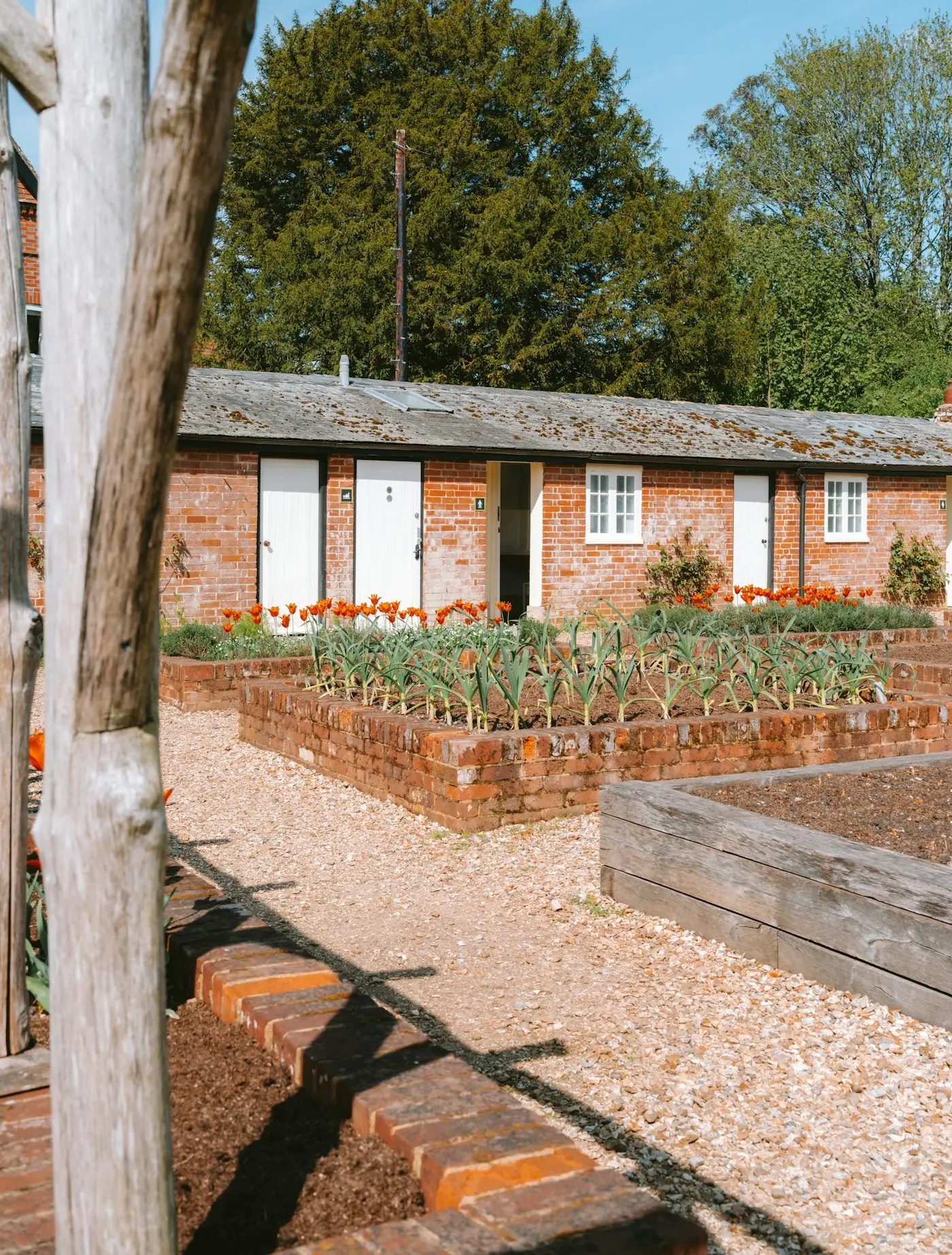
What garden design looks like in Addingham
Addingham occupies a particularly interesting stretch of the Wharfe Valley, sitting on the boundary between West Yorkshire and North Yorkshire roughly midway between Ilkley and Skipton. That geography shapes your garden more than most homeowners expect. The valley is sheltered from the worst of the Pennine winds, the growing season runs a little longer than Airedale to the north, and the eclectic mix of Victorian stone cottages, period farmhouses and newer commuter homes means almost every garden has a distinct character worth working with rather than overriding.
If your plot sits on the upper slopes toward the Millstone Grit fringe, your soil is likely thin, slightly acid and free-draining. It warms up quickly in spring, which is good for early bulbs and grasses, but it dries fast in a dry June or July and mulching is not optional. Down at the Wharfe flood plain, the picture flips: alluvial loam, richer, heavier, with a water table that rises in wet winters. Both are excellent growing soils when you plant for them rather than against them. A proper site assessment before committing to a scheme is particularly important in Addingham because assumptions that hold in Ilkley or Skipton may not hold 500 metres away on your specific plot.
The Magnesian limestone fringe at the valley's edge introduces another variable. Where limestone influence pushes the pH above 7.0, acid-loving plants that might thrive in the heathland soils of Rombalds Moor above Ilkley will struggle here. Your designer needs to test or assess rather than guess. This is the kind of local knowledge that separates a planting scheme built for your garden from a generic list applied from a distance.
The architecture matters too. Addingham has a generous stock of stone-built Victorian and Edwardian properties, many with original dry-stone garden walls that define boundaries, terraces and kitchen garden enclosures. These walls are one of the village's greatest garden assets: they create microclimates, retain heat, and give any planting scheme an immediate sense of permanence and provenance. Working with them rather than against them is central to good design here.
The quick answer on cost and process
A planting plan for a typical LS29 residential garden starts from around £300-500 and gives you a scaled scheme with a plant list you can implement yourself or hand to a gardener. Full design with project management runs £800-3,000 depending on complexity. A complete design-and-build including hard landscaping typically costs £5,000-15,000 or more depending on the scope. Walled kitchen garden restoration projects at period properties sit toward the upper end of that range and sometimes beyond it. See our Yorkshire garden designer cost guide for a fuller breakdown of how fees are structured and what you actually get at each level.
The process starts with a site visit. Your designer walks the plot, checks soil, drainage, sun and shade patterns, notes which existing plants are worth keeping, and asks about how you use the garden and what you want from it. Most initial visits are free or included in the design fee. From there you receive a proposal, decide whether to proceed, and the designer sequences the work through the right season. Autumn site visits translate into spring planting at the best possible establishment time.
Get your Addingham garden started this season.
Tell us about your plot and a local designer comes back with a real figure. No call centres, no subscriptions. Design work from £500.
Start your free estimateThe full local guide
Soil and growing conditions across LS29
The Wharfe flood plain that runs through the lower part of Addingham produces some of the best growing soil in the valley. Alluvial loam deposited by centuries of seasonal flooding is deep, reasonably fertile and moisture-retentive. If your garden backs onto or sits close to the flood plain, you likely have good soil that plants love. The caveat is drainage: in a wet autumn and winter, the water table rises and lower-lying plots can sit damp for weeks. Before committing to a planting scheme that includes plants sensitive to root-wet conditions, check how your soil behaves in November. Raised beds, improved drainage channels and clever grading can resolve most drainage problems, but they need to be designed in from the start rather than retrofitted.
Upper village plots and those on the slopes toward Bolton Abbey Road typically have the thinner gritstone-influenced soils. These drain freely year-round, which is a genuine advantage for many ornamental plants, but they also mean your lawn and borders will be the first to brown in a dry spell. Consistent mulching with composted bark or spent mushroom compost (avoiding the latter if your soil is already limey) makes a significant difference to moisture retention and plant performance over a hot Yorkshire summer.
The growing season in Addingham runs slightly longer than you might expect given the altitude. The sheltered valley position keeps late frosts from arriving quite as aggressively as on the open moorland above, and autumn warmth often persists into late October. This gives you genuine scope for a second flush of late-season colour from salvias, dahlias and Japanese anemones that a higher, more exposed site would cut short.
Common project types in Addingham
These are the design briefs we see most frequently from Addingham LS29 homeowners.
Walled kitchen garden restoration
Several of Addingham's period properties retain original walled kitchen gardens that have often been left to grass over or fallen into partial use. Restoring and replanting a walled garden is one of the most rewarding projects a designer can take on here: the walls provide structure, shelter and an existing sense of history, and the enclosed space lends itself to a productive kitchen garden with raised beds, espalier fruit on the walls, cutting borders and a central path layout. Material choice matters hugely: reclaimed stone and period-appropriate ironwork keep the design sympathetic to the house. Budget carefully for this type of project - a proper restoration can run £8,000-25,000 once walls are repaired, ground is prepared and productive planting is established.
Valley-floor cottage garden replanting
The Victorian and Edwardian stone cottages along Main Street and Church Street typically have small to medium-sized front and rear gardens that have accumulated an eclectic mix of plants over the decades. The most common brief is rationalisation rather than starting from scratch: clear the tired and invasive plants, keep the mature shrubs and trees that provide structure, and replant the borders with a coherent scheme that gives colour and interest across the whole season. Cottage garden planting using heritage perennials - Geranium psilostemon, Thalictrum delavayi, Knautia macedonica, Verbascum - suits the aesthetic of these properties particularly well.
Flood-plain lawn and drainage improvement
Lower plots in the village regularly suffer from waterlogged lawns through winter and early spring. Before any aesthetic design work can properly take hold, the drainage needs to be resolved. French drains, soakaway channels or raised lawn construction are the most common solutions. Once drainage is addressed, your lawn and border planting will establish and perform dramatically better. This is the kind of foundational work that should always come before, not after, a planting scheme. A designer who skips the drainage conversation on a flood-plain plot is cutting corners.
Terraced slope design with dry-stone integration
Sloping plots on the upper village slopes, particularly those with existing or collapsed dry-stone terracing, need a design approach that takes the gradient seriously. Well-designed terracing creates multiple distinct garden rooms, reduces maintenance on slopes that are difficult to mow, and gives the planted areas far better soil depth and stability than an unmaintained slope. Integrating new planting with repaired original dry-stone walls is one of the signature design opportunities in Addingham. The walls hold heat, drain freely at the base, and suit drought-tolerant planting in the crevices and at their feet.
Design styles that suit Addingham gardens
The aesthetic of the village and its surrounding landscape points toward certain design approaches. Highly formal, geometric or modernist garden styles can work on the right plot, but they sit less easily against a backdrop of Millstone Grit walls and Wharfedale views than more naturalistic approaches do.
The cottage garden tradition is particularly at home here. Generous, informal planting in long-flowering perennials, with roses against stone walls, self-seeding annuals filling gaps, and a soft sense of abundance rather than tight control, suits both the architecture and the climate. It also ages well: an established cottage garden improves year on year as self-seeding builds up and plants find their own equilibrium.
Naturalistic or new perennial planting - the meadow-adjacent style popularised by designers like Piet Oudolf - works well on the larger plots and where the garden has a view across the valley. Long-season ornamental grasses, echinacea, rudbeckia, veronicastrum and large sedums provide structural interest from June through to February, when their dried seedheads hold frost and look genuinely beautiful. This style requires less maintenance than a densely planted cottage garden once it is established.
Kitchen garden and productive design is increasingly popular in Addingham, particularly among households that moved here during the post-pandemic period with a renewed interest in growing food. Integrating raised vegetable beds, soft fruit, espalier apple and pear trees and a cutting garden for flowers into a design that still looks good in winter takes planning but delivers enormous satisfaction year-round. If your property has a south-facing wall, you have one of the most valuable kitchen garden assets available in West Yorkshire.
For ongoing care once your design is established, regular garden maintenance visits keep the planting looking its best through the growing season.
Cost guide for Addingham garden design
Designers who quote through this site set their own prices. These Yorkshire ranges are what to plan against, not fixed tariffs. For more detail on how garden designer fees are structured across the county, see our Yorkshire garden designer cost guide.
| Service | Typical cost | What it includes |
|---|---|---|
| Initial consultation | Free to £75-150 | Site visit, brief discussion, outline proposal. |
| Planting plan only | £300-800 | Scaled scheme, plant list, spacings. You implement. |
| Full design and project management | £800-3,000+ | Design, contractor coordination, planting oversight. |
| Border replant (up to 10 sqm) | £150-400 | Design, plants, planting labour for one border. |
| Walled kitchen garden restoration | £8,000-25,000+ | Wall repair, ground prep, raised beds, productive planting. |
| Full garden makeover (50-100 sqm) | £5,000-15,000+ | Clearance, hard landscaping, planting, establishment. |
Designer fees are separate from build costs and plant costs. Plants sourced through a designer at trade prices often undercut what you would pay at a retail garden centre. Hard landscaping (patios, terracing, dry-stone repairs, fencing) is quoted separately. For a fuller picture of what different types of Yorkshire garden work cost, see our how much does a gardener cost guide.
Plants that perform in Addingham conditions
On the drier upper gritstone slopes: Salvia nemorosa Caradonna, Stipa tenuissima (Mexican feather grass for movement and texture), Echinacea purpurea (drought-tolerant once established), Nepeta Six Hills Giant (long season of soft blue flower), Sedum Autumn Joy (structural late colour), Agastache (aromatic, long-flowering and loved by pollinators), Phlomis russeliana (architectural seedheads for winter), hardy lavenders and rosemary on south-facing aspects.
On the heavier valley floor soils: Astilbe (rich plumes in moist soil), Rodgersia (bold architectural leaves), Ligularia Desdemona (dramatic foliage and yellow flowers), Persicaria bistorta Superba (pink candles that naturalise readily), Iris sibirica (elegant and moisture-tolerant), Primula candelabra types in yellow, orange and pink for spring. Moisture-retentive soils also suit a wider range of roses than you can reliably grow on thin gritstone ground.
For the sheltered south-facing dry-stone wall base that many upper-village properties have: rock roses (Cistus), Verbascum, Erysimum, and in a warm summer the occasional agapanthus in a sheltered spot will hold its own. Hardy ferns tucked into north-facing wall crevices - polypodium, hart's tongue - give year-round greenery where little else would establish.
A local designer will do a proper site assessment and produce a plant list calibrated to your specific plot conditions, not a generic Yorkshire list. The difference between a planting scheme that struggles and one that thrives usually comes down to that site-specific detail. If you want ideas to explore before you meet a designer, our Yorkshire garden design ideas guide is a useful starting point.
What to expect from the design process
- Initial brief. You describe your plot, your budget, how you use the space and what you want from it. Photographs and a rough sketch or dimensions help your designer prepare for the visit.
- Site visit. Your designer checks soil texture and drainage, assesses sun and shade patterns across the day and season, notes existing plants worth keeping, and identifies structural challenges. In Addingham this often includes assessing the condition of dry-stone walls and any drainage concerns on valley floor plots.
- Proposal and plant list. You receive a planting plan or layout with a plant list, spacings and indicative costs. This is your decision point - you can proceed, adjust or pause.
- Sequencing and timing. If you proceed, the designer plans the work in the right order: drainage or structural work first, hard landscaping second, planting at the optimal season (autumn for most perennials and shrubs, spring for tender plants).
- Installation and establishment. The designer sources plants - often at trade prices - oversees the planting, and advises on aftercare through the first season, which is the most critical period for establishment.
Frequently asked questions about garden design in Addingham
What soil does my Addingham garden have?
It depends on where in the village your plot sits. Upper slopes toward the Millstone Grit fringe have thin, free-draining, slightly acid soil - good for ornamental grasses, salvias and drought-tolerant perennials. Lower plots along the Wharfe flood plain have heavier alluvial loam with a higher water table: richer, moisture-retentive, and better for astilbes, rodgersias and moisture-tolerant roses. Some plots along the valley fringe show Magnesian limestone influence at slightly higher pH, which affects plant selection noticeably. Your designer will assess on-site rather than assuming.
How much does garden design cost in Addingham?
A planting plan for a typical LS29 garden costs £300-800. Full design with project management runs £800-3,000 depending on scale and complexity. A complete design-and-build with hard landscaping typically costs £5,000-15,000 or more. Walled kitchen garden restoration projects sit toward the upper end of the range. Designers quote directly with clear terms before booking. See our Yorkshire garden designer cost guide for a fuller breakdown.
What plants suit Addingham gardens?
On drier upper slopes: Salvia nemorosa, Stipa tenuissima, Echinacea, Nepeta, Sedum Autumn Joy and drought-tolerant sub-shrubs like lavender and rosemary. On the heavier valley floor soils: Astilbe, Rodgersia, Ligularia, Iris sibirica and Primula candelabra types. The sheltered valley position and slightly longer growing season also lets you push slightly tender plants in sheltered spots. Your designer will calibrate the plant list to your specific site conditions rather than applying a generic list.
How long does a garden design project take in Addingham?
A planting plan is usually ready one to two weeks after the site visit. A full redesign from brief to completed installation runs four to twelve weeks. Walled kitchen garden restoration or major hard landscaping projects at period properties may take twelve to twenty weeks. Starting in autumn means your designer can plan a spring installation at the best establishment time.
Related services
Once your design is established, regular garden maintenance keeps it in good shape through the growing season. For overgrown or neglected Addingham gardens that need clearing before design work starts, see our garden clearance service. For boundary hedging work once your scheme is planted, see our hedge trimming service.
Areas near Addingham we also cover
We cover garden design across the Wharfe Valley including Burley-in-Wharfedale, Ilkley, Guiseley and Otley. For a full list of Yorkshire locations, see our garden design service page.
Garden design in nearby areas
- Garden design in Ilkley
- Garden design in Skipton
- Garden design in Burley-in-Wharfedale
- Garden design in Otley
- Garden design in Keighley
For gardeners and general garden maintenance, see gardeners in Addingham.
Related: Find a gardener in Addingham