Yorkshire Lawn & Garden

Garden design · Lindley

Lindley garden design and landscaping.

Garden design across Lindley, Salendine Nook, Outlane, Quarmby and west Huddersfield HD3. Planting plans, full redesigns, and hard landscaping for the elevated Victorian and Edwardian gardens that characterise this part of the Colne valley rim. Local designers who quote directly, free initial estimates, design from £500.

  • Free initial estimates
  • Local designers who quote directly
  • Design from £500
  • No call centres
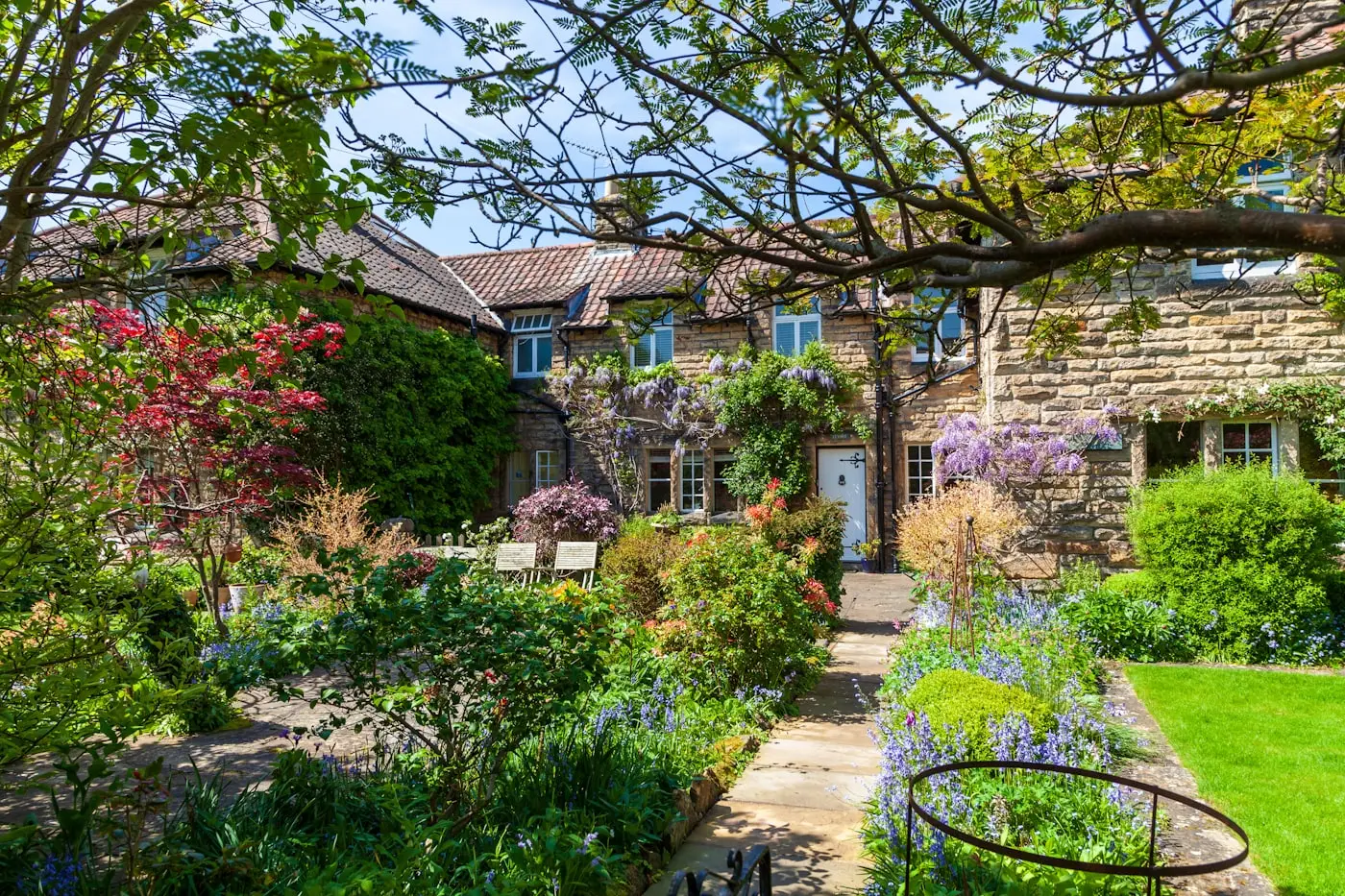
Cottage garden with lawn and deep planted borders

What garden design looks like in Lindley

Lindley is a western suburb of Huddersfield in the HD3 postcode, sitting on the elevated ground above the Colne valley. The area has significant architectural character - a concentration of Victorian and Edwardian properties built for Huddersfield's prosperous textile mill owners and managers, with corresponding garden sizes. These are not typical inter-war semis or new-build plots; many Lindley gardens are large by urban standards, with established trees, mature hedging, and garden structures (walls, steps, terraces) that were designed with care and have accumulated decades of character.

The elevated position shapes the design context. Lindley sits on the rim above the Colne valley and faces west and south-west, which means some exposure to Pennine weather and views across to the valley sides opposite. The elevation also creates opportunities - south-west facing gardens with long views have a quality of light and openness that lower valley-floor gardens don't get. A good garden designer can work with the elevation and views rather than just managing the exposure.

The soil in Lindley and the wider west Huddersfield HD3 area is Coal Measures clay - consistent with the geology of the Colne valley district. It is heavy, moisture-retentive, and requires management for both lawns and planting. The Victorian gardens often have a history of improvement with organic matter and compost over many decades, which means some of the longer-established plots have better soil structure than newly built or neglected gardens. For year-round garden maintenance, see the Lindley local gardeners page.

Cost ranges for Lindley garden design

Design fees are separate from build and planting costs. The ranges below reflect what designers across Yorkshire typically charge. Most quote a fixed fee after seeing the site.

Service Typical range
Initial consultation Free to £75-150
Planting plan only £300-800
Planting plan + implementation £600-1,500
Full design and project management £800-3,000+
Border replant (up to 10 sqm) £150-400
Full garden makeover (50-100 sqm) £5,000-15,000+

Larger Victorian properties in Lindley with substantial grounds sit above standard ranges. Stone wall repair, flag-path restoration, and step work on older properties is specialist stonework priced separately. See the garden makeover cost guide for Yorkshire-wide context on full project costs.

Get a design estimate for your Lindley garden

Free initial estimate from a local designer who understands elevated HD3 conditions, Victorian garden character, and Coal Measures clay.

Start your Lindley garden estimate

The full local guide

Common project types in Lindley gardens

Victorian and Edwardian garden restoration

The larger older properties in Lindley and Salendine Nook often have gardens that have been partially maintained but not properly addressed for many years. Original garden features - stone walls, flag paths, raised terraces, established rhododendron or laurel screens - may be intact but overgrown or in need of structural attention. A restoration brief is different from a blank-canvas redesign: the approach is to understand what is there, repair and restore what is worth keeping, remove what has become a problem, and fill in with planting that suits the period and character. Budget £6,000-£20,000 for a comprehensive restoration of a larger Victorian plot, depending on the extent of hard landscaping repair and replanting.

Elevated garden with views

South-west facing Lindley gardens with views across the Colne valley have a design opportunity that should be exploited, not obscured. The instinct to plant solid hedging for privacy can block the views that make the garden's position special. Better approaches include transparent boundary treatments (low walls with planted gaps, pleached trees, open timber fencing), sightline management through careful planting placement, and designing seating areas that capitalise on the aspect. A designer who recognises this will produce something significantly better than one who defaults to boundary screening.

Clay soil border redesign

Lindley gardens on Coal Measures clay benefit from the same moisture-tolerant planting approach as clay gardens elsewhere in West Yorkshire, but the Victorian and Edwardian character influences the style of planting. Mixed borders with herbaceous perennials, shrub roses, and structural evergreen shrubs suit the period and the soil. A border redesign covering 20-30 metres of established Lindley garden border, stripping old growth, improving the soil, and replanting with a coherent scheme, typically costs £900-£2,500.

Lawn renovation on elevated clay

The elevated position and west-facing exposure in Lindley affects how lawns behave. South-west facing lawn slopes can become dry in summer while also struggling with waterlogging in wet periods - the exposure creates more variable moisture conditions than a sheltered valley-floor garden. Lawn treatment on elevated clay requires annual hollow-tine aeration, scarification, and overseeding, plus attention to any aspect-related stress patterns. A lawn renovation on a standard Lindley property typically costs £150-£350.
What plants suit Lindley gardens

Lindley's Coal Measures clay suits moisture-tolerant perennials and shrubs, with the Victorian character supporting a more generous, layered planting approach. Shrub roses and species roses perform well on clay - the old garden roses that suit period properties (Rosa 'Madame Hardy', R. 'William Lobb', R. 'Tuscany Superb') all establish reliably in this soil. Astilbes, hostas, astrantia, and geraniums give border texture and long season interest. For late summer colour, heleniums, rudbeckias, and asters are robust performers in West Yorkshire clay conditions.

For structural planting that suits Victorian character, viburnum tinus provides evergreen bulk; Prunus laurocerasus works as a large-scale boundary screen; mahonia gives winter flowers and architectural foliage. Holly - particularly Ilex aquifolium cultivars - suits the period character and clips into formal shapes over time. Yew is the classic formal hedge material for Victorian gardens and grows reliably on clay once established.

The elevated, exposed aspect in some Lindley positions favours robust choices over tender exotics. Hardy geraniums, persicaria, and alchemilla are all reliably resilient in Pennine-influenced conditions. Climbing plants on the stone walls typical of older Lindley properties should be the hardier options: Hydrangea petiolaris is excellent for north or east-facing stone walls; Rosa 'Zephirine Drouhin' performs well on south or west exposures.

Process for working with a Lindley designer
  1. Initial brief: You outline what the garden needs - restoration, replanting, outdoor living improvements, or a full redesign. Most designers visit for free or a nominal fee.
  2. Site visit and survey: The designer assesses the plot, reviews existing structures worth retaining, checks soil and drainage, notes aspect and views, and discusses budget and scope.
  3. Proposal and concept: You receive a design proposal with layout drawings, planting plan, and a cost estimate for design and build separately.
  4. Phasing and approval: Larger and restoration projects are phased. You approve the overall plan and confirm phase order and timing.
  5. Installation and establishment: The designer manages contractors and oversees planting. You receive establishment guidance suited to the elevated Coal Measures clay conditions.
Frequently asked questions

What soil does my Lindley garden have?

Lindley sits on Coal Measures clay - heavy, moisture-retentive, and slow-draining, consistent with the geology across HD3 and the wider Huddersfield district. Older Victorian gardens may have better soil structure from decades of organic matter improvement; newer or neglected gardens tend to have more compacted clay. A designer should assess your specific plot before finalising a planting scheme.

How do I restore an overgrown Victorian garden in Lindley?

Start with an audit of what is worth keeping. Mature trees, stone walls, established hedging, and structural features are typically worth retaining. Overgrown shrubs can often be renovated by hard cutting back rather than removal. The order of work should be: clearance of what needs removing, repair of hard landscaping, soil improvement, replanting. A designer experienced with older gardens can distinguish between what has character worth preserving and what has simply become a problem.

Should I remove the laurel or rhododendron in my Lindley garden?

It depends on size, position, and condition. Established laurel and rhododendron in appropriate positions can be significant garden assets; in wrong positions or having grown beyond control, they become problems. Both can be cut back hard and respond by producing dense new growth - renovation is often preferable to removal. A designer should assess them in context of the overall design brief before recommending removal or renovation.

What is the best way to use views in a Lindley garden?

Frame the view from key sightlines rather than blocking it. This means siting seating where the view is maximised, using low or transparent boundary treatments on view-facing elevations, and positioning taller planting to one side rather than directly in front of sightlines. A good designer will identify the best viewing positions on first visit and build the layout around them.

Do Victorian stone paths and walls in Lindley need repair before planting?

Yes, typically. Hard landscaping repair should precede planting - there is little point in establishing planting around a stone path that will need lifting for repair work two years later. A designer should assess all existing hard elements as part of the site survey and include any repair or restoration work in the project plan before planting is specified.

When is the best time to start a garden redesign in Lindley?

Hard landscaping repair and structural clearance can proceed at any time. Planting is best in spring (March-May) or autumn (September-November). At Lindley's elevation, spring planting should wait until late March or April to avoid late frost risk on newly planted material. Autumn planting is often very effective here - the clay stays warm and roots establish well before winter. Start the design conversation 8-12 weeks before your target season.

Areas around Lindley we also cover

Garden design coverage across west Huddersfield and the Colne valley rim:

Surrounding areas including Salendine Nook, Outlane, Quarmby, Paddock, and Birchencliffe.

For general garden maintenance and clearance in Lindley, visit our local gardeners in Lindley page.