Garden design · Golcar, Huddersfield
Golcar is a hilltop village above the Colne Valley in HD7, sitting on the Millstone Grit plateau with panoramic views in multiple directions. The plateau character here is different from the steep valley-side gardens of Slaithwaite and Linthwaite below - Golcar gardens often have better air drainage and more level ground, but they carry real exposure and a soil picture that varies between free-draining acid gritstone on the plateau and heavier clay in lower sections of the village. Knowing which you have determines how the design should approach planting and drainage.
The Millstone Grit plateau that Golcar sits on produces free-draining, acid soil - pH around 5.5-6.0 on the higher sections of the village. This ground warms quickly in spring, drains readily after rain, and suits the ericaceous planting that comes naturally with this geology. The flip side is that it can be drought-stressed in dry summers, particularly for newly planted subjects, and the thin topsoil over rock on exposed plateau sections limits rooting depth.
Lower sections of Golcar, particularly as the land drops toward the Colne Valley sides, move into heavier ground with more clay influence. This soil retains moisture longer, is more fertile, but drains more slowly in wet periods and can compact under foot traffic. A garden in the lower village sits in meaningfully different conditions from one on the exposed plateau above - both need addressing on their own terms rather than with a one-size scheme.
The panoramic views from Golcar's elevated position are exceptional - across the Colne Valley, toward the Pennine skyline, and with good visibility in multiple directions on clear days. These views are a strong design asset that should inform how boundaries, planting heights, and seating positions are designed. Losing the Golcar skyline to an overheight garden boundary is a straightforward design error on plots where the outlook is genuinely valuable.
Garden design in Golcar typically runs from £1,500 for a small redesign to £8,000-15,000 for a full garden transformation, depending on scope. Plateau plots with reasonable access and level ground are at the lower end of installation costs. Projects requiring drainage work on clay sections or significant structural planting to address wind exposure add to the total but address conditions that will otherwise limit the garden's success.
| Service | Typical range |
|---|---|
| Initial consultation | Free to £75-150 |
| Planting plan only | £300-800 |
| Full design and project management | £800-3,000+ |
| Drainage improvement (clay sections) | £500-3,000 |
| Full garden transformation (50-100 sqm) | £8,000-15,000+ |
For more context on design and build costs across Yorkshire, see our garden designer cost guide. For what to expect at an initial consultation, see our consultation guide.
Free initial estimate from a designer who knows HD7 plateau conditions and Colne Valley exposure. We connect you with local professionals who quote directly.
The full local guide
The design challenge at Golcar is combining the desire to preserve panoramic views with the need for wind shelter at this exposed elevation. The solution is selective shelter: taller structural planting or dense hedging on the prevailing wind side (south-west and west in most cases), with open or low boundaries on the view side that let the skyline through. A well-placed shelter belt of field maple, hawthorn, and established ornamental grasses on the windward boundary creates a genuinely sheltered outdoor space while the outlook is preserved where the boundary is kept open or low.
Unlike the steep valley-side gardens lower down, Golcar's plateau plots often offer more level ground for practical garden use. A properly designed terrace or paved area off the house, a defined lawn, structured borders, and a productive area can all fit on a reasonable HD7 plateau plot without the terracing costs that steeper sites require. The design still needs to account for wind exposure in the plant selection and any furniture or structure placement.
The plateau soil's acid character (pH 5.5-6.0) makes Golcar a natural home for ericaceous planting - rhododendrons, pieris, heathers, kalmia, and bilberries establish readily without soil amendment. Layered ericaceous borders with the structure shrubs providing spring colour, ornamental grasses giving summer texture, and groundcover heathers knitting the lower level together create borders that need minimal ongoing input once established and look increasingly good with age.
For Golcar gardens in the lower, heavier-clay sections, drainage improvement is often the first intervention before a planting scheme can succeed. Aeration, organic matter addition, and designed drainage on flat areas address the underlying conditions. Moisture-tolerant planting that performs on heavy ground - astilbes, hostas, ligularia, moisture-loving grasses - suits these sections better than drought-tolerant subjects that would thrive on the plateau above.
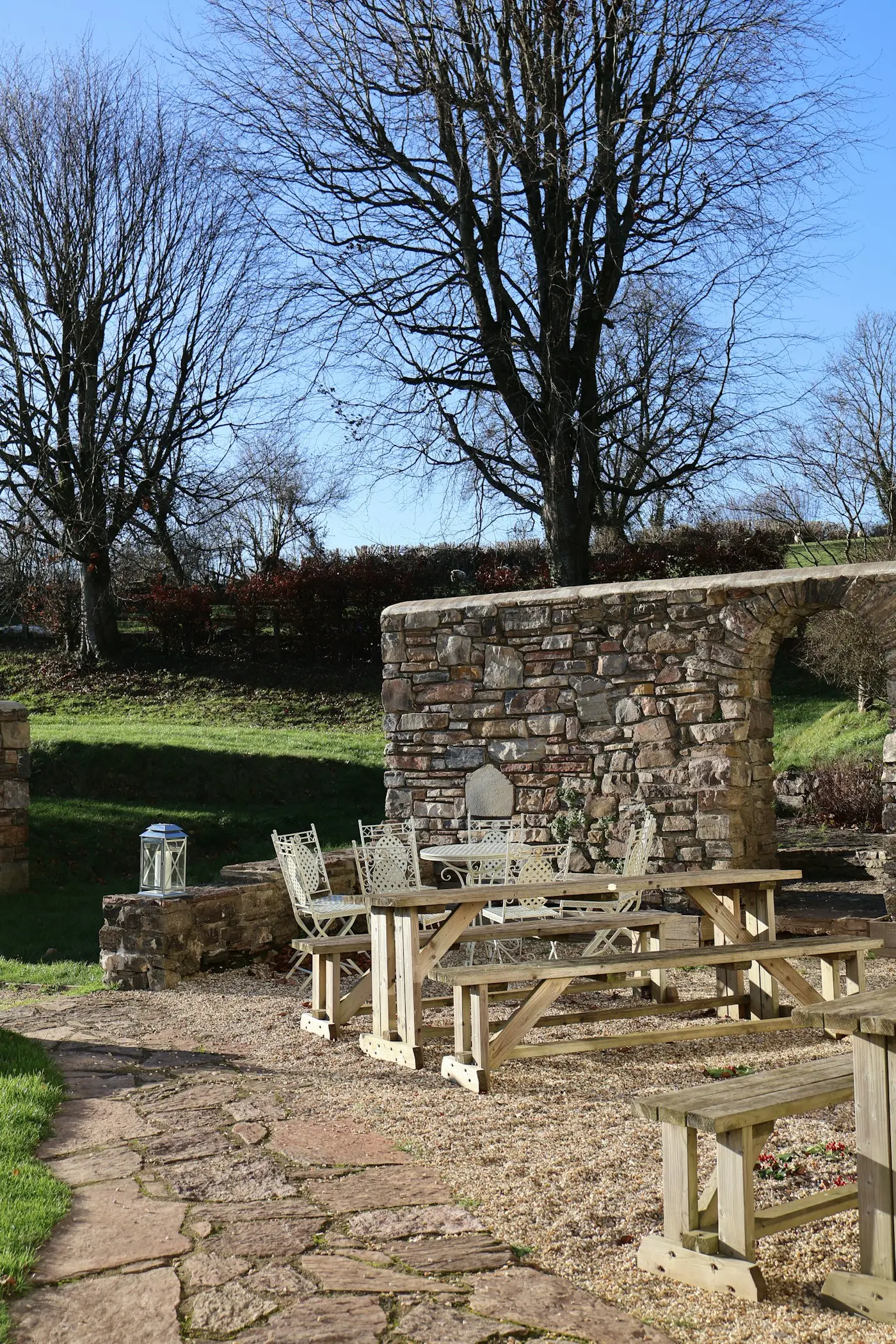
The soil variation across Golcar is wider than in most villages of its size. Getting a basic soil test done before commissioning a design is worthwhile here - knowing whether your plot sits on free-draining acid gritstone or heavier clay ground shapes the entire design approach. The test costs almost nothing (£5-10 at any garden centre, or a proper lab test for £20-30) and gives you actionable information rather than assumptions about what will and won't work.
Organic matter is beneficial on both soil types in Golcar, for different reasons. On the free-draining plateau gritstone, organic matter (bark mulch, leaf mould, garden compost) improves moisture retention and nutrient levels that thin acid soil lacks. On the heavier clay below, the same materials improve drainage and reduce compaction over time. Annual mulching is the single most cost-effective maintenance intervention on either soil type.
Wind exposure means that Golcar gardens should be planted in autumn where possible rather than spring. Autumn planting allows root establishment over winter before the garden is subjected to the drying effect of spring and early summer south-westerlies. New plantings in spring on an exposed plateau without irrigation in the first summer after planting face a genuinely difficult first season. Planting in September or October and letting the winter rains do the establishment work is simply smarter in this location.
How do I know if my Golcar garden has gritstone or clay soil?
The simplest test: take a handful of damp soil and squeeze it. Clay soil forms a ribbon between your fingers and keeps its shape. Sandy or gritstone-derived soil falls apart and won't ribbon. For pH, a cheap test kit from any garden centre gives you the answer in minutes. Plateau-top gardens in Golcar are typically gritstone-derived and acid. Lower village plots tend toward heavier, less acid ground. If you're unsure, a designer's site visit will identify the soil type visually before a planting scheme is proposed.
Can I grow good vegetables in Golcar?
Yes, with appropriate preparation. Raised beds on the plateau give you control over growing conditions regardless of what the native soil is doing. The elevation means the season starts slightly later than valley floor - last frost typically mid-April, so tender crops stay under cover until late May. Brassicas, root vegetables, soft fruit, and beans all produce well at Golcar's elevation in a reasonable summer. A south-facing raised bed with good compost is the most reliable food-growing setup at this height.
How do I create shelter without losing the views?
Position shelter planting selectively on the windward boundary only - typically the west and south-west faces in most Golcar gardens. Use permeable planting (mixed hedging of hawthorn, field maple, and beech) rather than solid fencing, which creates turbulence rather than filtering the wind. On the downwind side facing the views you want to keep, use lower planting or open boundaries. The result is a garden that is genuinely sheltered in the outdoor seating area while still connected to the wider landscape.
How much does a full garden design cost in Golcar?
Garden design in Golcar typically runs from £1,500 for a small redesign to £8,000-15,000 for a full garden transformation. Design fees (planting plans, drawings, project management) run £300-3,000 depending on the complexity of the scheme. Build and installation costs are additional. Get a free site visit and estimate to understand what your specific brief will cost before committing.
What lawn care does a Golcar garden need?
Plateau lawns in Golcar on free-draining gritstone soil can suffer drought stress in dry summers - they go brown quickly and recover once rain returns. Annual scarifying and aerating addresses moss and thatch buildup, and top-dressing with sharp sand improves long-term drainage and rooting. On clay lower plots, aerating is more critical - clay compacts under foot traffic and produces a moss-dominated lawn quickly without annual treatment. See our local gardeners in Golcar page for lawn care services in the area.
Which flowering plants perform well in Golcar's conditions?
On the acid plateau: rhododendrons, azaleas, pieris, heathers, and hardy geraniums. Ornamental grasses (molinia, pennisetum, deschampsia) suit the exposed plateau well. In heavier lower sections: astilbes, hostas, persicaria, and shrub roses. For structural planting across the whole village: native rowan (excellent reliability and seasonal interest), hawthorn, field maple, and viburnum opulus. These are proven performers across the range of Golcar garden conditions and don't require ongoing amendment or coddling.
For general garden maintenance in Golcar, visit our local gardeners in Golcar page. For our full design service overview, see our garden design service.