Garden design · Milnsbridge
Garden design across Milnsbridge, Golcar, Longwood, Linthwaite and the Colne Valley HD3 corridor. Planting plans, full redesigns, and hard landscaping for the steep-sided valley gardens that define this part of west Huddersfield - from narrow terraced plots on the valley sides to larger mill-owner properties on the upper slopes. Local designers who quote directly, free initial estimates, design from £500.
Milnsbridge sits at the floor of the Colne valley in the HD3 postcode, between Huddersfield town centre to the east and Slaithwaite and Marsden further up the valley to the west. The valley here is steep-sided and compact - the former textile mill buildings fill the valley floor, and the housing climbs the valley sides in terraces and rows that follow the contours. Gardens in Milnsbridge and the immediately surrounding area, including Golcar on the north-facing side above and Longwood on the south side, are characteristically steep.
Steep-sided Colne Valley gardens are a specific design challenge. A sloping garden without intervention is difficult to use and harder to maintain - mowing a steep grass slope is awkward and potentially unsafe, and bare sloping beds are prone to erosion. The standard design response to steep Milnsbridge gardens is either terracing with retaining structures (gritstone or reclaimed stone walls suit the character) or naturalising the slope with ground cover and low-maintenance planting that stabilises the ground and provides seasonal interest without requiring constant attention.
The soil in Milnsbridge and the surrounding Colne valley area is Coal Measures clay with some Millstone Grit influence higher up the valley sides. In the valley bottom and on lower slopes, the heavy clay predominates; on the upper slope positions at Golcar and Longwood, the soil transitions toward more gritty and acidic conditions. Any garden design should account for the soil character at the specific plot's elevation - the differences within a few hundred metres of height are significant. For year-round garden maintenance in the Colne valley, see the Milnsbridge local gardeners page.
Design fees are separate from build and planting costs. The ranges below reflect what designers across Yorkshire typically charge. Most quote a fixed fee after seeing the site.
| Service | Typical range |
|---|---|
| Initial consultation | Free to £75-150 |
| Planting plan only | £300-800 |
| Planting plan + implementation | £600-1,500 |
| Full design and project management | £800-3,000+ |
| Border replant (up to 10 sqm) | £150-400 |
| Full garden makeover (50-100 sqm) | £5,000-15,000+ |
Sloping site work in Milnsbridge adds to standard costs due to access constraints and retaining structure requirements. Stone retaining walls in gritstone or reclaimed materials complement the Colne Valley character but are more expensive than concrete block alternatives. See the garden renovation cost guide for Yorkshire-wide project cost context.
Free initial estimate from a designer who understands Colne Valley conditions, steep-site design, and the character of HD3 gardens.
The full local guide
The most distinctive and valuable garden design investment in Milnsbridge is converting a difficult steep slope into a series of usable terraces. Gritstone retaining walls, reclaimed stone, or concrete block retaining structures create flat planting and seating areas that transform how the garden can be used. A well-designed terraced Colne Valley garden is a significant asset - it makes the most of views across the valley, creates defined zones for different uses, and is far easier to maintain than a steep unmanaged slope. Budget £5,000-£15,000 for a terraced garden with two to four level changes on a standard steep Milnsbridge plot, depending on how much retaining structure is required.
For steeper sections that are not practical to terrace, or as an intermediate solution on plots where the budget doesn't extend to full terracing, ground cover planting stabilises slopes and provides low-maintenance seasonal interest. Geraniums, epimedium, vinca, ferns, and ornamental grasses all perform well as sloping bank planting in Colne Valley conditions. The approach should address the specific soil - clay-tolerant ground covers at lower elevations, potentially more acidic-tolerant species higher up the valley side toward Golcar. Budget £400-£1,200 for a slope stabilisation planting on a standard valley-side section.
Terraced properties in Milnsbridge often have compact back gardens - sometimes 20-40 square metres - that are functionally limited but benefit from thoughtful design. These small valley-side gardens work best as outdoor rooms: paved or decked surfaces that maximise the usable area, vertical planting on the boundary walls and fences, raised beds for food growing or seasonal planting, and simple lighting to extend the space into evenings. A well-designed 25 sqm terraced garden in Milnsbridge can be a genuine outdoor living space rather than just an awkward corner. Budget £3,000-£7,000 for a comprehensive small garden redesign.
Valley-floor gardens in Milnsbridge sit on the heaviest clay in the area - the lower-lying positions accumulate moisture and drain slowly. Mixed ornamental planting on these plots needs to be genuinely moisture-tolerant: astilbes, hostas, ligularia, and persicaria all thrive in the conditions. A border redesign on valley-floor clay, properly soil-improved and replanted with appropriate stock, produces excellent results - the fertile clay supports strong plant growth once drainage is managed. Border replanting costs £150-£400 per 10 sqm section.
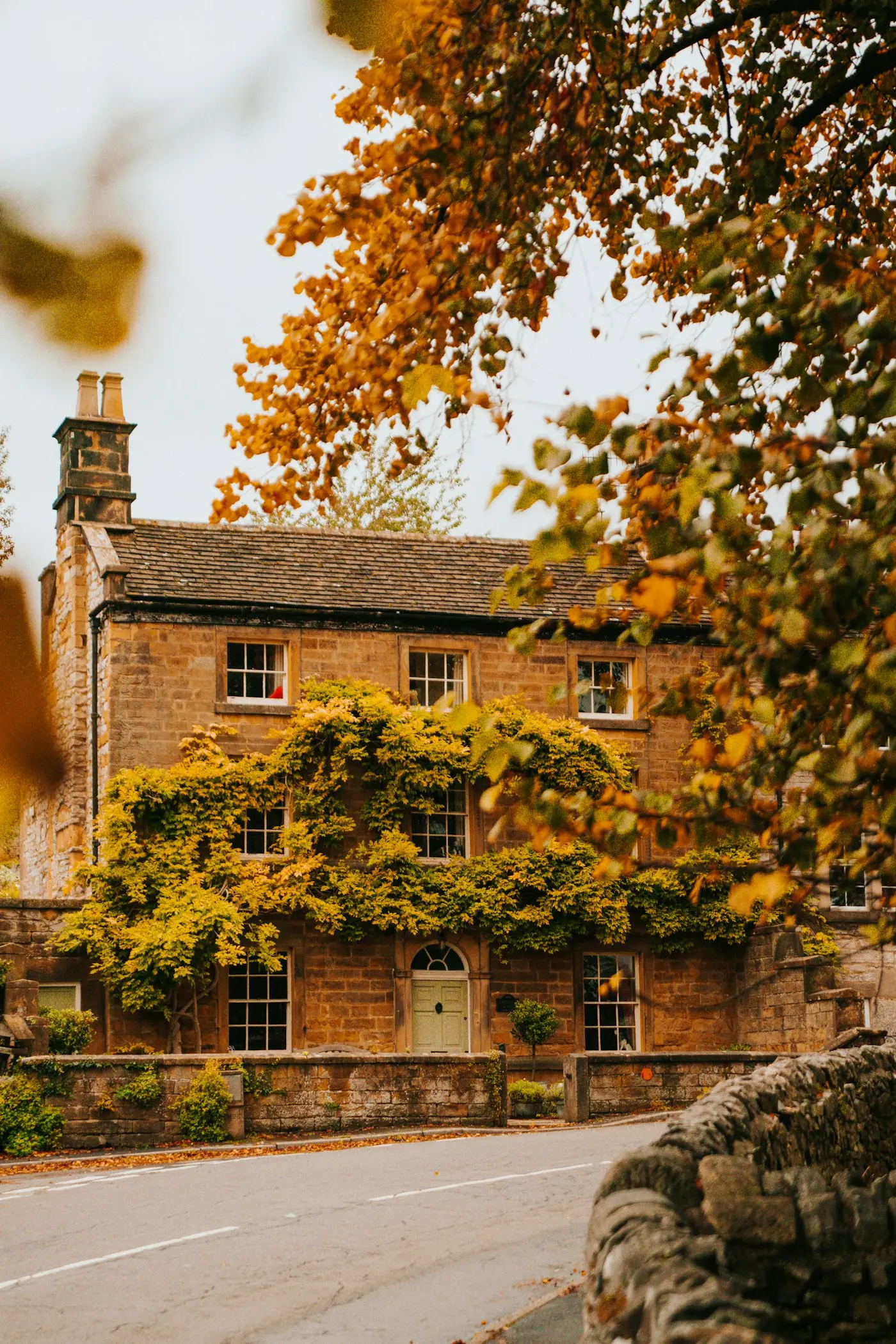
Plant selection in Milnsbridge and the Colne Valley varies by elevation and slope position. At valley-floor and lower-slope positions on Coal Measures clay, moisture-tolerant plants perform best: astilbes, hostas, ligularia, ferns, and geraniums all thrive in the fertile, moist clay. Shrub roses establish well on clay at any elevation and give long-season colour. On shadier, north-facing slopes (common on the south-facing valley wall's reverse), ferns, ivy, and shade-tolerant groundcovers including epimedium and pachysandra provide reliable low-maintenance cover.
Higher up toward Golcar and Longwood where the soil becomes more gritty and acidic, the plant palette shifts toward acid-tolerant species. Heathers, rhododendrons (in suitable conditions), and hardy ornamental grasses such as Molinia perform well in this transition zone. Structural planting for exposed upper-slope positions should focus on tough, wind-tolerant shrubs - viburnum lantana, rugosa roses, and native shrubs such as rowan and field maple.
For slope stabilisation, the most reliable ground cover plants in Colne Valley conditions are Geranium macrorrhizum (spreads quickly, tolerates dry shade), Vinca minor (reliable but can spread aggressively - plant with intention), and Epimedium x versicolor (slow to establish but excellent long-term). On damper slopes, Carex pendula and Deschampsia grasses stabilise well and provide good textural interest.
Lawn care on steep Milnsbridge plots is often impractical on the steepest sections - a lawn that is too steep to mow safely is better converted to planting or hard surface. Where lawns are viable, annual hollow-tine aeration is necessary on the Clay Measures soil to maintain drainage and prevent moss colonisation.
What soil does my Milnsbridge garden have?
Valley-floor and lower-slope positions in Milnsbridge sit on Coal Measures clay - heavy, moisture-retentive, and slow-draining. Higher up the valley sides toward Golcar and Longwood, the soil transitions toward more Millstone Grit influence - slightly more acidic and free-draining. The transition is gradual and varies from plot to plot. A designer should check your specific soil conditions as part of the site assessment.
How steep is too steep to use as lawn in Milnsbridge?
A slope above about 30 degrees (roughly 1 in 2) is generally impractical for a conventional lawn mowed with a regular domestic mower. Slopes between 20 and 30 degrees are marginal - manageable with a hover mower or push mower but not particularly safe or pleasant to maintain. Below 20 degrees, lawn is viable with appropriate management. A designer will assess the specific slope and recommend whether lawn, terracing, or planting is the right approach for each section of the garden.
What is the best retaining wall material for a Milnsbridge garden?
Gritstone dry stone walling or reclaimed stone retaining walls suit the Colne Valley character and integrate with the surrounding townscape. They are more expensive than concrete block alternatives but last longer and look significantly better. Timber railway sleepers are a lower-cost option but have a lifespan of 10-20 years before replacement is needed. A designer working in this area should be able to recommend local stone suppliers and experienced stone wallers.
Can I get access for machinery on a steep Milnsbridge garden?
This depends on the specific property and plot. Many terraced Milnsbridge properties have restricted rear access, which means hard landscaping materials need to be manually carried rather than machine-delivered. This affects costs - labour-intensive access adds to any project budget. A designer should assess access as part of the site survey and factor it into the cost estimate.
What does a terraced Milnsbridge garden cost to design and build?
A terraced garden with two to four level changes on a standard steep Milnsbridge plot typically costs £5,000-£15,000 for design and construction, depending on the number of retaining structures, materials chosen (stone versus concrete block), and access constraints. A designer will provide a site-specific estimate after assessing the slope gradient, access, and your brief.
When is the best time to start a garden project in Milnsbridge?
Hard landscaping and terracing work can proceed at any time in reasonable weather - avoid prolonged wet periods on sloping sites to manage surface water and soil movement during construction. Planting is best in spring (March-May) or autumn (September-November). At valley-floor positions, autumn planting is particularly effective as the clay stays warm and moisture-retentive. Start the design conversation 8-12 weeks before your target season.
Garden design coverage across the Colne Valley and surrounding areas:
Surrounding areas including Longwood, Linthwaite, Slaithwaite, Crosland Moor, and Paddock.
For general garden maintenance and clearance in Milnsbridge, visit our local gardeners in Milnsbridge page.