Yorkshire Lawn & Garden

Garden design · Slaithwaite, Colne Valley

Garden Design in Slaithwaite, West Yorkshire

Slaithwaite - pronounced "Slawit" by anyone who lives there - sits in the narrow Colne Valley in HD7, with gardens that climb steeply up both sides of the valley on Millstone Grit. Stone retaining walls, acid soil, and an east-west valley orientation that limits sunlight on north-facing plots define the gardening conditions here. Getting design right in Slawit means working with the topography, not pretending it isn't there.

  • Free initial estimates
  • Local designers who quote directly
  • Design from £500
  • No call centres
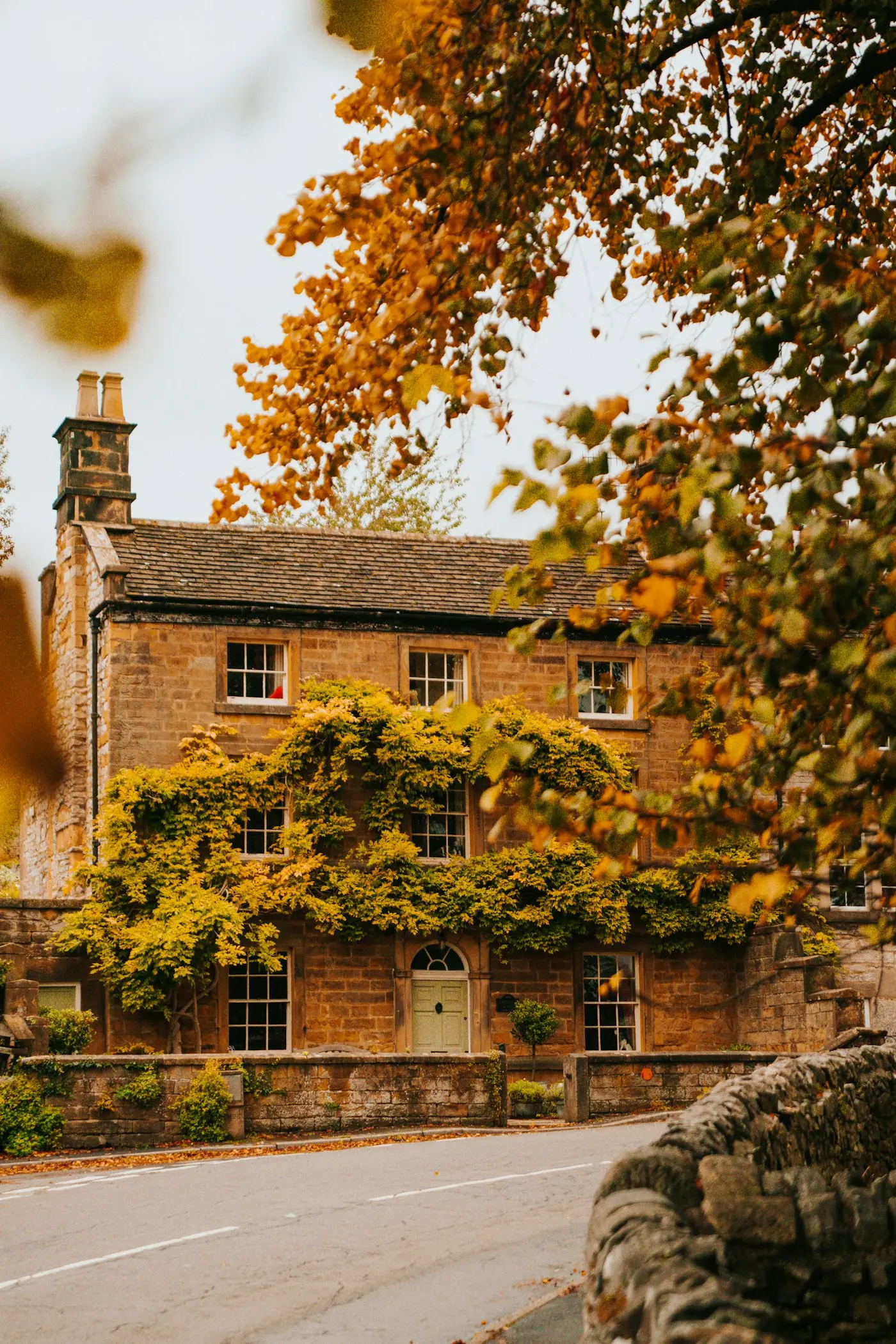
Stone farmhouse beside an autumn tree

Your Slaithwaite Garden's Starting Point

The Colne Valley is narrow and the valley sides are steep. Gardens in Slaithwaite are some of the most challenging plots in West Yorkshire to work with: limited width, significant gradient, and aspect determined by which side of the valley you're on. The east side faces west and catches afternoon sun; the west side faces east and gets morning light but can be cold and shaded through the afternoon. A designer who hasn't assessed the specific plot's aspect before proposing a scheme is proposing blind.

The Millstone Grit bedrock throughout Slaithwaite produces acid soil - typically pH 5.5-6.0 across most plots, possibly lower on higher ground toward the moorland edge above the valley. This isn't a problem if you plant accordingly, but it is a fact that shapes every planting decision. Rhododendrons, pieris, heathers, and acid-tolerant ferns thrive without amendment. Attempting to grow roses, clematis, or Mediterranean herbs in unmodified Slawit soil produces slow, struggling plants rather than the borders you were expecting.

Stone retaining walls are everywhere in Slaithwaite. The gritstone walls that terrace the valley sides have often been there for over a century and define the garden boundaries and levels. Retaining walls in good condition should be worked with and incorporated into the design. Walls in poor repair need professional assessment - a failing dry-stone wall holding significant soil weight is a structural issue, not just a cosmetic one.

Garden Design Costs in Slaithwaite

Garden design in Slaithwaite typically runs from £1,500 for a small redesign to £8,000-15,000 for a full garden transformation. Steep valley-side plots requiring terrace construction and stone retaining walls sit at the higher end of the range. The physical work on a Slawit hillside garden involves skilled stone work that commands appropriate rates - the alternative, cheap timber decking on a steep gradient, never looks right and deteriorates faster.

Service Typical range
Initial consultation Free to £75-150
Planting plan only £300-800
Full design and project management £800-3,000+
Stone terrace construction £3,000-10,000
Full garden transformation (steep plot) £10,000-20,000+

Phasing work over two or three years is a common approach on larger Slawit projects - terracing in year one, planting in year two, productive areas or further levels in year three. This spreads the cost and lets each phase establish before the next begins. See our garden designer cost guide for more context on what to budget for different scopes of work.

Get a design estimate for your Slaithwaite garden

Free initial estimate from a designer who understands steep Colne Valley plots and gritstone soil conditions. We connect you with local professionals who quote directly.

Start your Slaithwaite garden estimate

The full local guide

What We Design in Slaithwaite

Steep valley-side terracing and level-change design

The primary design challenge in Slaithwaite is converting steep, unusable slopes into a sequence of functional spaces. Well-designed terracing using stone retaining walls (matching the existing gritstone character) creates level areas at different heights - a seating terrace off the house, a planting level above, steps connecting to a productive or lawn area higher still. The investment in terracing is the investment that makes the rest of the garden work. A slope of rough grass on a 30-degree gradient isn't a garden; terraced levels are.

Stone wall planting and restoration

Slaithwaite's historic gritstone walls are an opportunity, not just a constraint. Wall crevices can be planted with alpines, drought-tolerant sedums, and ferns that root into the mortar gaps - saxifrages, sempervivums, erigeron karvinskianus, and polypodium ferns all work beautifully in wall faces and caps. A designer who treats the existing stonework as backdrop for a planting scheme, rather than covering it with fencing and beds, gets results that look genuinely rooted in the landscape.

Acid-soil ericaceous planting schemes

The natural pH advantage in Slaithwaite is that spectacular spring-flowering shrubs - the large-leafed rhododendrons, azaleas, pieris with their red new growth, kalmia - all establish without the soil preparation they'd need on neutral or alkaline ground. A layered ericaceous shrub planting on a Slawit hillside garden, with structure shrubs at the back, flowering shrubs mid-ground, and heather or bilberry groundcover, creates a garden that requires minimal intervention once established and delivers real seasonal drama every spring.

Shaded north-facing plot design

North-facing valley-side plots in Slaithwaite present the hardest brief: steep, shaded, and acid. The design answer is to lean into what thrives rather than fight the conditions. Shade-tolerant ferns (polystichum, dryopteris, matteuccia), hostas, astilbes, digitalis, and shade-tolerant shrubs (mahonia, sarcococca, skimmia) create layered, textured planting that looks intentional and appropriate. Trying to grow sun-loving plants in these conditions burns money on plants that will struggle and look disappointing.
Yorkshire Soil Meets Good Design

Slaithwaite's acid Millstone Grit soil is thin on higher plots - sometimes only 150-200mm of topsoil over stone. Raised beds and imported topsoil mixed with organic matter give you growing depth on rocky sites where planting straight into the thin native soil isn't viable. A raised bed system on a terrace level also helps with the drainage situation - soil can drain freely rather than sitting against a wall face and becoming waterlogged in wet winters.

The valley position means Slaithwaite catches significant rainfall - annual precipitation in the Colne Valley uplands is reliably above 1,000mm. This is good for establishing planting and reduces the watering burden, but it also means boggy conditions on flat or low-lying areas if drainage isn't addressed. Any flat terrace area in a Slaithwaite garden needs a fall designed into the paving or gravel surface to carry water away rather than letting it pond.

Run-off management on steep plots matters beyond the individual garden. Water running off a hillside garden at speed can cause problems lower down the slope. Designed drainage - permeable paving surfaces, drainage channels, planted swales - slows water down and distributes it rather than channelling it in problematic concentrations. A designer experienced on valley-side plots addresses this as part of the design brief, not as an afterthought.

Slaithwaite Garden Design FAQs

Is "Slaithwaite" pronounced how it looks?

No - and this is how you know whether your designer has actually worked in the Colne Valley. It's "Slawit" (or occasionally "Slawthwaite"). The compressed local pronunciation is one of those Yorkshire tongue-twisters that sorts locals from visitors. It shouldn't affect the quality of your garden design either way, but a designer who knows the area's character usually produces work that suits the setting better.

How do I make a steep Slaithwaite garden usable?

Terracing is the core intervention. Level areas at different heights, connected by stone steps cut into the slope, convert an unusable gradient into a sequence of outdoor rooms. Even a narrow terrace off the house - wide enough for a table and chairs - transforms how you use the garden. A designer needs to see the gradient, the underlying rock depth, and your brief before proposing the right solution for your specific plot.

What plants suit Slaithwaite's acid soil and shade?

For shaded acid conditions: ferns (polystichum, dryopteris, matteuccia), hostas, astilbes, and mahonia. For sunnier acid positions: rhododendrons, azaleas, pieris, kalmia, heathers, and bilberries. Hardy geraniums, persicaria, and digitalis bridge both conditions. Avoid roses, lavender, and Mediterranean plants in unmodified Slaithwaite soil - they'll struggle without significant soil amendment that works against the natural character of the ground.

How much does stone terrace work cost in Slaithwaite?

Stone retaining walls and terrace construction typically runs £3,000-10,000 depending on the height, length, and specification of retaining required. Matching local gritstone is more expensive than concrete block or timber alternatives but is the right material for the setting and lasts indefinitely. Get two or three quotes from builders experienced in dry-stone or traditional stone work - the skill set required is specific and not all landscapers have it.

What about drainage on a Slaithwaite hillside garden?

Drainage has two aspects: getting water off paved surfaces quickly (design a fall into every hard surface, minimum 1 in 80 gradient), and managing run-off down the slope (drainage channels, planted swales, or permeable surfaces at terrace edges). The Colne Valley has high rainfall and steep gradients - a garden that doesn't address drainage will have persistent waterlogging on any flat area and potential erosion on planted slopes. A good designer includes drainage strategy in the plan from the start.

Can I have a lawn in a steep Slaithwaite garden?

A small terrace lawn on a level area - 20-40 square metres - works well and adds a usable green space. A lawn on a steep gradient is frustrating to mow, difficult to establish evenly, and tends to erode. If you want some lawn, design a level terrace to accommodate it; if the garden is primarily steep, planted slopes and terraced beds are the more practical and lower-maintenance solution. A designer can help you decide where lawn is worth having and where it isn't.

Areas Near Slaithwaite We Also Cover

For general garden maintenance in Slaithwaite, visit our local gardeners in Slaithwaite page. For a full overview of our design service, see our garden design service page.