Garden design · Mytholmroyd, West Yorkshire
Mytholmroyd garden design and landscaping.
Mytholmroyd sits at the junction of the Calder and Hebden Water, birthplace of Ted Hughes and one of the upper Calder's most dramatically sited villages. Valley-floor gardens carry flood history from 2015. The hillside above is acid gritstone at its finest. Local designers who quote directly. Design from £500.
- Free initial estimates
- Local designers who quote directly
- Design from £500
- No call centres
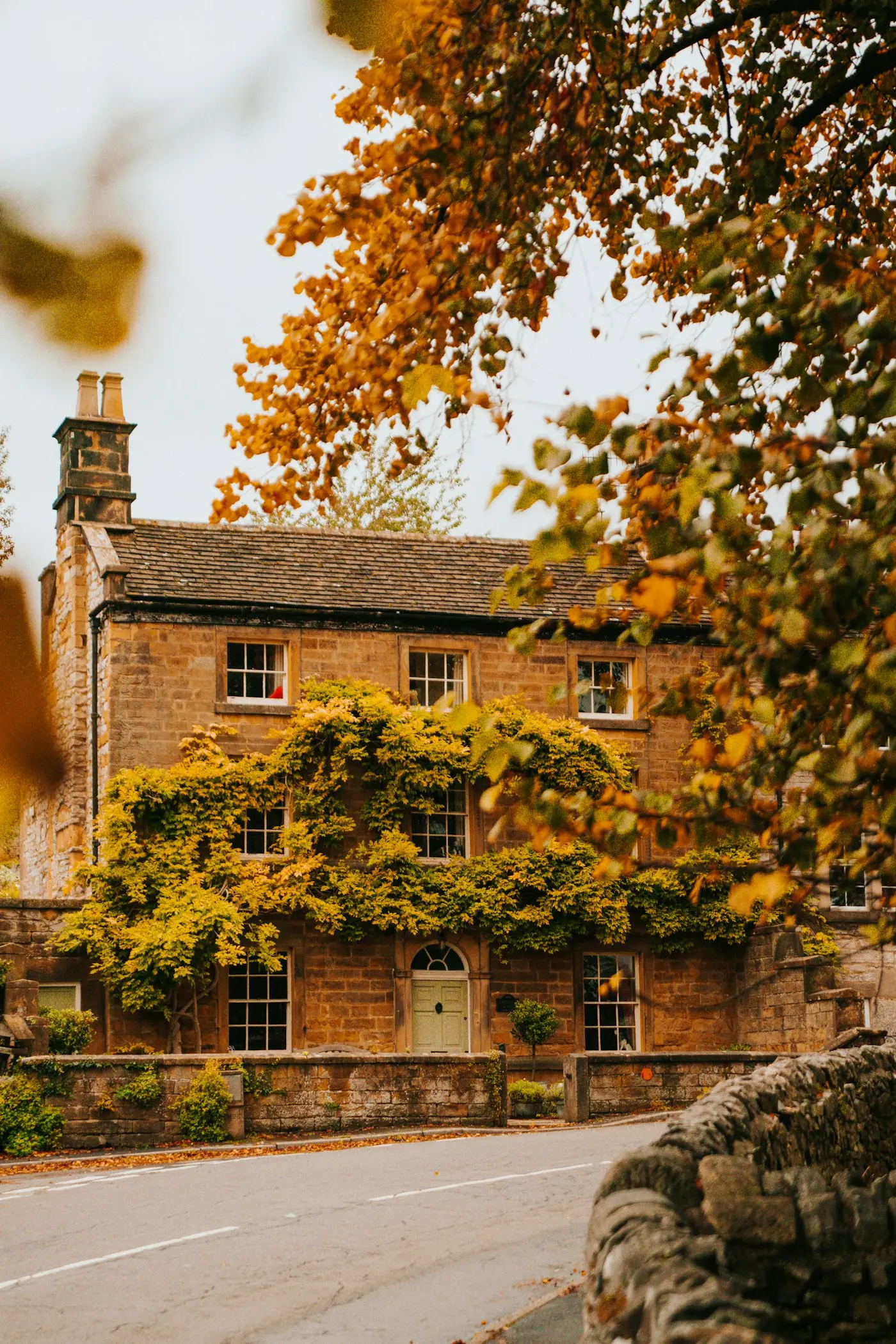
What garden design looks like in Mytholmroyd
Mytholmroyd is one of the most characterful villages in the upper Calder Valley: the birthplace of Ted Hughes, tightly fitted between steep hillsides at the junction of two rivers. The gritstone terraces stack up the valley sides, the valley floor carries the railway and the Rochdale Canal, and the whole settlement has the compressed, vertical energy that the Pennine valleys produce. Gardening here means working with that compression and that verticality, not against it.
The Boxing Day 2015 floods were one of the most severe events in the village's history, with extensive property damage in the lower-lying streets near the Calder. For homeowners whose gardens were affected, the question is no longer simply what to plant but how to design a garden that can experience another flood event without requiring complete rebuilding. That is a legitimate and worthwhile design brief, and designers with Calder Valley experience now approach it with specific techniques and plant knowledge developed from the post-2015 recovery period.
The hillside above the valley floor is the other Mytholmroyd garden environment. Properties climbing toward Cragg Vale and the moor above sit on Millstone Grit with thin, acid soil that drains freely and supports a planting palette unavailable in most Yorkshire gardens. The steepness that makes these gardens physically demanding also makes them visually extraordinary when designed well.
For day-to-day gardening support, the local gardeners in Mytholmroyd page covers maintenance and care for this area. The wider garden design service gives the full picture of what designers offer across Yorkshire.
Costs and process for Mytholmroyd garden design
A planting plan for a Mytholmroyd garden runs £350-900. Full design with project management is £900-3,500 or more. The technical complexity of flood-resilient and hillside terraced work pushes costs toward the upper end of these ranges. Full builds run £6,000-18,000+ for a mid-size plot. Designers quote you directly with no intermediary fees on your side of the enquiry.
The process starts with a site visit where the designer assesses your soil, flood history, aspect, and existing plants and structures. For valley-floor plots, flood risk assessment is part of that visit. The designer then produces a proposal, plant list, and costings for discussion. Our Yorkshire garden designer cost guide covers what drives fees at each level.
Get your Mytholmroyd garden sorted this season.
Tell us about your plot and its specific challenges. A local designer comes back with a real figure. Design from £500.
Start your free estimateThe full local guide
Valley-floor flood-resilient design in Mytholmroyd
The December 2015 floods transformed how many Mytholmroyd homeowners think about their gardens. Properties that had conventional lawns, timber decking, and tender planting close to the river found that their gardens needed complete rebuilding after the event. The second time around, the brief has changed: create a garden that functions beautifully in normal conditions but can survive a flood event and recover quickly.
The principles are practical and the results can be genuinely beautiful. Permeable surfaces, including resin-bound gravel, permeable block paving, and planted rain gardens, replace impermeable paving that sheets water toward buildings. Raised beds on stone or brick plinths protect productive areas. Planting choices near the flood zone favour species that tolerate temporary inundation: Iris pseudacorus, Gunnera, moisture-tolerant grasses including Molinia caerulea, willows in larger gardens. Structural elements avoid timber close to ground level in the flood risk zone.
A flood-resilient garden does not need to look provisional or defensive. The emphasis on stone, water-tolerant planting, and permeable surfaces creates gardens with a confident, robust character that suits the gritstone valley perfectly. Some of the most distinctive post-2015 garden redesigns in the upper Calder Valley have turned the flood constraint into a design virtue.
Hillside gritstone gardens above the valley
The properties climbing above the valley floor on both sides of Mytholmroyd have gardens on steep Millstone Grit slopes. The soil is thin and acid, drainage is good on well-positioned slopes, and the views down the valley are dramatic. Creating usable space on these gardens almost always involves terracing: level platforms cut into the slope, retained by gritstone walls that echo the vernacular of the valley sides above.
Access is the primary practical constraint. Getting materials to a steep hillside garden, including topsoil, stone, and plants, requires wheelbarrow runs up steps or slopes that add significantly to project cost. A realistic designer accounts for this in the initial estimate. A good designer turns it into a virtue: hand-planted gritstone walls that could not have been machine-built, careful plant selection where every choice counts.
The acid Millstone Grit soil opens up a planting palette that is rarely available in Yorkshire. Rhododendrons and azaleas thrive in open ground here. Heathers, both the summer-flowering Calluna and the winter-flowering Erica species, are native to the moors directly above and perform naturally. Ferns, hydrangeas, pieris, and blueberries all suit the conditions. The high rainfall of the upper Calder Valley, around 1,000-1,200mm per year, means moisture is rarely a problem even on well-drained gritstone slopes.
Design styles that suit Mytholmroyd
The vernacular of Mytholmroyd gardens is gritstone: stone walls, stone buildings, a quality of surface that absorbs weather gracefully and improves with age. Garden design that works with this vernacular, rather than importing a suburban idiom into a landscape that resists it, produces the most satisfying results. Gritstone retaining walls, stone paving, gravel surfaces, and planting that references the surrounding moorland and valley character are the natural vocabulary here.
That does not mean every Mytholmroyd garden looks the same. Within the vernacular framework there is scope for bold, contemporary design. Clean-lined terraces in natural stone, structural planting with grasses and late-season perennials, a contemporary productive garden with raised beds in Cor-ten steel, or a native wildflower garden that connects directly to the moorland above are all approaches that have been executed well in the upper Calder Valley.
For a wider range of design approaches across Yorkshire conditions, the Yorkshire garden design ideas blog has relevant material on Pennine and valley garden styles.
Cost guide for Mytholmroyd garden design
| Service | Typical cost | What it includes |
|---|---|---|
| Initial consultation | Free to £75-150 | Site visit, brief discussion, flood history assessment if relevant. |
| Planting plan only | £350-900 | Scaled scheme, plant list, spacings. You implement. |
| Full design with project management | £900-3,500+ | Design, contractor coordination, planting oversight. |
| Flood-resilient redesign | £2,500-9,000+ | Permeable surfaces, flood-tolerant planting, raised beds, drainage. |
| Hillside terrace creation | £5,000-18,000+ | Gritstone retaining walls, steps, surfaces, planting. |
| Full garden makeover (50-100 sqm) | £6,000-18,000+ | Clearance, hard landscaping, planting, establishment. |
Plants for Mytholmroyd's conditions
- Valley-floor moisture-tolerant: Iris pseudacorus, Gunnera manicata, Molinia caerulea (purple moor grass), Filipendula ulmaria (meadowsweet, native), moisture-tolerant Miscanthus varieties.
- Hillside acid-soil specialists: Rhododendron hybrids and azaleas, Calluna vulgaris and Erica species, Dryopteris and Polystichum ferns, hydrangeas (H. macrophylla turns blue in acid soil), pieris, blueberries for productive ornamental use.
- Hardy perennials for both: Hardy geraniums, epimedium for dry shade, hellebores for late winter, alliums for spring colour.
- Structural and boundary planting: Native hawthorn and blackthorn hedging for windbreak on exposed hillside positions, guelder rose (Viburnum opulus) for native berry colour, cornus for winter stem interest.
Process: what to expect from a Mytholmroyd designer
- Initial brief. Describe your garden, its position, any flood history, your budget, and what you want from the space. Photos of the slope or flood-affected areas help considerably.
- Site visit. The designer assesses soil type and pH, drainage, flood risk, aspect, and existing structures. Valley-floor plots need specific flood-risk assessment before design begins.
- Proposal and costings. A scaled proposal with plant list, drainage plans where needed, and indicative costs. For hillside terracing, this includes retaining structure specification.
- Phasing. Hard landscaping and drainage infrastructure first, planting last. For hillside work, autumn hard landscaping followed by spring planting is ideal.
- Installation and establishment. The designer sources plants, oversees planting, and advises on establishment care through the first season.
Frequently asked questions about garden design in Mytholmroyd
What soil does my Mytholmroyd garden have?
Valley-floor gardens have alluvial deposits: heavier, more fertile, flood-affected. Hillside gardens above the village sit on thin, acid Millstone Grit, pH 5.5-6.5. The 2015 flood event may have left contamination in valley-floor growing areas, worth soil testing before establishing a kitchen garden.
How much does garden design cost in Mytholmroyd?
A planting plan costs £350-900. Full design with project management runs £900-3,500+. Flood-resilient and hillside terraced work adds cost. Full builds run £6,000-18,000+. Designers quote directly with no call centre fees.
How do you design a flood-resilient garden in Mytholmroyd?
Permeable surfaces, raised productive areas, flood-tolerant planting, and robust structural materials are the core principles. The garden can be genuinely attractive while working intelligently with the flood environment. Post-2015, several distinctive garden redesigns in the upper Calder Valley have turned flood resilience into a positive design direction.
What plants work well on Mytholmroyd's hillside above the valley?
The acid Millstone Grit hillside supports rhododendrons, azaleas, heathers, ferns, hydrangeas, and blueberries in open ground. These are plants that need ericaceous compost in most Yorkshire gardens; here they grow freely. For structure and windbreak on the exposed higher sections, native hawthorn and gorse are both at home.
Related services
Once your design is in, regular garden maintenance keeps it performing. For overgrown plots that need clearing first, see our garden clearance service. For boundary hedging, see hedge trimming in West Yorkshire.
Related: Find a gardener in Mytholmroyd
Areas near Mytholmroyd we also cover
We cover garden design across the upper Calder Valley. For the larger HX7 town immediately upstream, see Hebden Bridge garden design. For Todmorden further up the valley, see Todmorden garden design. For Elland downstream, see Elland garden design. The full garden design service page lists all Yorkshire towns we cover.