Garden design · Saltburn-by-the-Sea, East Cleveland
Saltburn garden design and landscaping.
Saltburn is a Victorian planned resort town with a cliff lift, a pier, and one of the most distinctive garden heritages on the Yorkshire coast. The Valley Gardens ravine, the exposed cliff top, and the more sheltered inland streets create genuinely different gardening environments within the same postcode. Getting your specific plot right, whether you face the North Sea or shelter in the valley, starts with understanding which conditions you are actually in. Local designers quote you directly. Design from £500.
- Free initial estimates
- Local designers who quote directly
- Design from £500
- No call centres
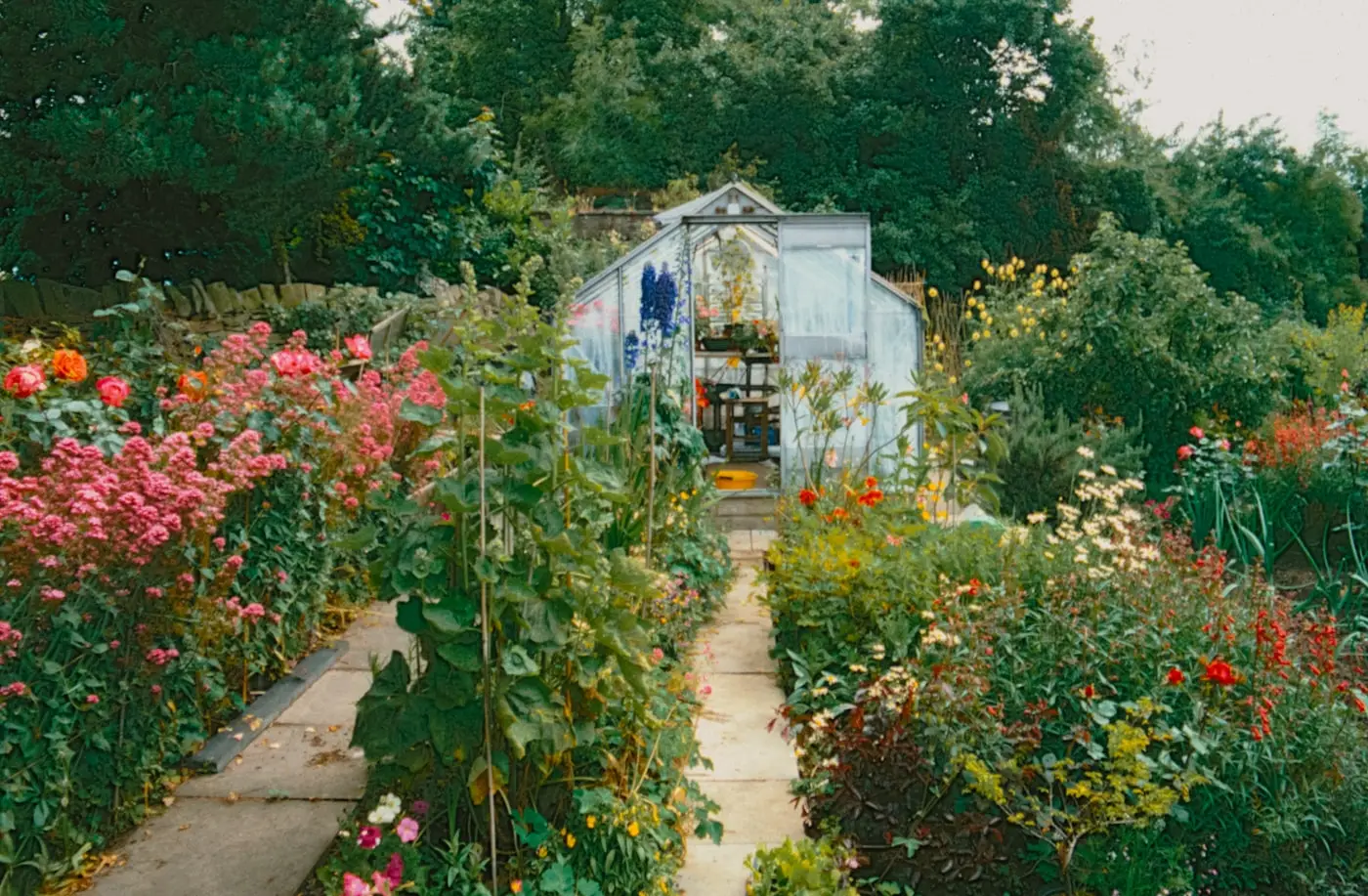
What garden design looks like in Saltburn-by-the-Sea
Saltburn TS12 is one of the most interesting garden design environments in East Cleveland, precisely because it contains such contrasting conditions within a small geographical area. The cliff-top streets immediately behind the seafront, where the Victorian houses with their bay windows look north and east over the North Sea, are fully exposed to sea-borne winds. These gardens face salt deposition, strong wind shear, and the drying effects of the coastal exposure. A hundred metres inland and twenty metres lower in elevation, gardens in the valley and the sheltered streets toward Skelton Road can be conventional and productive, growing plants that would be completely impossible on the cliff top.
The Valley Gardens are Saltburn's most distinctive horticultural feature: a Victorian ravine pleasure garden that runs through the heart of the town from the cliff top to the seafront, combining formal terracing, woodland planting, and ornamental beds in a setting that is genuinely unusual for a town this size. As a homeowner in Saltburn, the Valley Gardens are part of your garden's borrowed landscape, visible and audible from many residential streets, and a reference point for the kind of ambitious, layered, and well-considered planting that can work in this climate when done with conviction.
The town's creative character has grown significantly over the past decade. Saltburn has attracted artists, makers, and creative professionals who appreciate the distinctive Victorian streetscape, the coastal setting, and the relative affordability compared to the Yorkshire coast towns further south. This creative community creates an appetite for garden design that is adventurous rather than conventional, that references the coastal landscape rather than ignoring it, and that finds beauty in the specific conditions of the cliff top rather than fighting them.
For local gardening support once your design is established, the gardeners in Saltburn-by-the-Sea page covers what to look for in a local gardener. For the full overview of garden design services across Yorkshire, that page describes how the process works.
The quick answer: costs and process in Saltburn
A planting plan for a Saltburn garden typically runs £350-900. Full design with project management runs £900-3,200 or more, depending on whether the project involves significant coastal wind shelter design or complex site conditions. Full garden builds including hard landscaping and planting typically cost £5,500-16,000+ for a mid-size plot. Designers quote you directly with no fee on your side of the enquiry.
The process begins with a site visit where the designer assesses your position in the town, your exposure to sea winds, your soil type, and your brief. The assessment for a cliff-top plot will focus heavily on the wind exposure and what shelter options are viable. A sheltered inland plot has a different starting point and a broader range of design options. You receive a scaled proposal with a plant list, quantities, spacings, and indicative costs. You choose whether to implement it yourself or have the designer manage the whole project from start to finish.
For detailed cost context across Yorkshire, our Yorkshire garden designer cost guide breaks down fees by project type and scope.
Get your Saltburn garden designed this season.
Tell us about your plot, your exposure, and your brief. A local designer comes back with a real figure. No call centres, no subscriptions. Design from £500.
Start your free estimateThe full local guide
Saltburn's contrasting garden environments
Understanding which of Saltburn's distinct garden environments your plot sits in is the prerequisite for any useful design conversation. The differences are not subtle: they are the difference between a garden that can grow agapanthus and a garden where most plants will suffer visible wind scorch without shelter.
On the cliff top and the exposed streets immediately north of the main Victorian residential grid, the defining conditions are: salt-laden north-easterly winds (particularly severe in winter and early spring), sandy loam over sandstone that drains very fast and dries out in summer, and a maritime temperature regime that keeps winters slightly milder than inland but makes exposed positions uncomfortable to be in during wind events. The design response to these conditions involves building a windbreak shelter belt as the first priority, using salt-tolerant plants for the outer boundary and a progressively broader range of plants behind the shelter as the wind speed drops. Escallonia, pittosporum, and tamarisk are the workhorses of this approach. Behind a well-established coastal shelter belt, the range of plants that become viable is genuinely surprising.
The sheltered inland gardens of Saltburn, including those in the valley itself, on the southern-facing streets away from the cliff, and in more enclosed courtyards, are a completely different environment. The sea temperature moderates the inland climate, first frosts arrive slightly later on the coast than just a few miles inland, and the moisture from the sea keeps the air humid in ways that some plants, particularly ferns, hydrangeas, and clematis, actively benefit from. Inland Saltburn gardens with decent soil and shelter can grow a range of plants that would surprise anyone who only knew the town from its cliff-top reputation.
The Valley Gardens themselves create a third micro-environment: the sheltered ravine, north-facing but wind-sheltered by its own walls, supports moisture-loving woodland planting that is entirely different from the cliff-top conditions 100 metres away. Gardens that back onto or adjoin the valley have access to this micro-climate and can use it creatively in their own planting.
What gets designed in Saltburn gardens
Coastal wind shelter and cliff-top garden design
Designing for full coastal exposure in Saltburn is a specialist skill that requires knowledge of both the local conditions and the specific plants that handle them. The design sequence is always the same: establish wind shelter first, then plant within it. Without this sequence, no planting investment is secure on an exposed cliff-top plot. Escallonia macrantha and Red Hedger are the most reliable coastal hedging species for East Cleveland; they grow quickly, provide dense shelter, and flower attractively in late summer. Once a shelter belt of 1.5-2 metres is established, which typically takes three to four growing seasons from a young plant, the range of plants viable behind it expands enormously. Agapanthus, crocosmia, phormium, and even climbing roses become achievable in a sheltered cliff-top garden.
Victorian cottage and terrace garden redesigns
Saltburn's Victorian residential streets have a consistent architectural character: two-storey stone or brick terraces with small front gardens and longer rear gardens enclosed by stone walls. These rear gardens are often more sheltered than they appear, because the terrace rows provide wind protection from two sides. A well-designed Victorian terrace garden in Saltburn can be a very productive and beautiful space: a combination of cottage-garden herbaceous planting, trained climbers on the rear wall, a small productive area for herbs and salads, and a simple hard surface for seating. The Victorian character of the town gives the design permission to be traditional without being uninspiring.
Valley-adjacent and ravine-edge garden designs
Gardens that adjoin or overlook the Valley Gardens have one of the most distinctive borrowed landscapes in East Cleveland. The Victorian ravine, with its mature trees, terraced walks, and seasonal flower displays, is visible from or adjacent to a number of residential properties, and a thoughtful design will frame that view and create a visual connection between the private garden and the public landscape. These gardens work best with a layered naturalistic approach that references the valley's own planting: ferns, hostas, hydrangeas, and moisture-loving woodland perennials in the shadier sections, with more colourful planting where the sun reaches.
Creative and adventurous garden schemes
Saltburn's creative community creates demand for garden design that goes beyond the conventional. There is appetite here for gardens that are genuinely expressive, that make bold planting choices, that use the coastal landscape as inspiration rather than obstacle, and that create distinctive spaces reflecting the owner's personality. A designer working with a Saltburn creative brief will approach the project with more flexibility and less deference to standard templates, exploring structural planting combinations, unconventional hard material choices, and planting palettes that reference the maritime and moorland landscape rather than a Surrey garden catalogue.
Design styles that suit Saltburn
The Victorian resort character of Saltburn creates a permission for adventurous design that many inland North Yorkshire towns do not have. The town was planned as an aspirational destination, and that heritage of ambition sits well alongside contemporary bold garden design. Coastal naturalism, using plants that reference the clifftop and moorland edge, works powerfully here and in the valley micro-climate. Victorian cottage-garden approaches suit the terrace housing. Contemporary design with bold structural planting and natural stone surfaces suits newer and converted properties.
The one design language that tends not to work in Saltburn is anything that ignores the coastal context entirely, an inland formal garden transplanted to a sea-facing plot without reference to where it actually is. The North Sea is a constant presence in Saltburn, audible, visible, and felt in every wind event, and gardens that acknowledge rather than fight this reality are more satisfying to be in and more successful as designs. The Yorkshire garden design ideas guide covers approaches from coastal to moorland and how the coastal character shapes plant and material choices.
Cost guide for Saltburn garden design
| Service | Typical cost | What it includes |
|---|---|---|
| Initial consultation | Free to £75-150 | Site visit, brief discussion, exposure assessment, outline proposal. |
| Planting plan only | £350-900 | Scaled scheme with plant list. You implement. |
| Full design with project management | £900-3,200+ | Design, contractor coordination, planting oversight. |
| Coastal shelter belt planting (per 10m) | £250-600 | Escallonia, pittosporum, tamarisk shelter plants and installation. |
| Victorian terrace rear garden redesign | £4,000-12,000+ | Hard surface, planting, climbers, boundary treatment. |
| Full garden makeover (50-100 sqm) | £5,500-16,000+ | Clearance, hard landscaping, shelter belt if needed, planting. |
Cliff-top and exposed coastal gardens require a shelter belt investment before any other planting makes commercial sense. Factor this in as the first phase of the project rather than as an optional extra. For context on Yorkshire-wide garden costs, our gardening cost guide covers the main variables.
Plants that thrive across Saltburn's conditions
The contrast between cliff-top exposure and inland shelter means plant selection depends almost entirely on your position in the town. These categories apply across the main environments:
- For cliff-top wind shelter (outer belt): Escallonia macrantha and Red Hedger, Tamarix ramosissima (tamarisk), Hippophae rhamnoides (sea buckthorn), Rosa rugosa varieties. These establish in full coastal exposure and create shelter for everything behind them.
- For sheltered positions behind the wind belt: Agapanthus (Headbourne Hybrids are hardier), phormium (New Zealand flax), crocosmia (Lucifer), cistus in the sunniest spots, Pittosporum tenuifolium for year-round structure.
- For valley-adjacent and sheltered inland gardens: Hydrangea (paniculata, macrophylla in milder spots), ferns (Dryopteris, Polystichum), hostas, astrantia, rodgersia for moisture and shade, clematis on south and west-facing walls.
- For Victorian terrace gardens: Climbing roses on rear walls, clematis montana for quick cover, hardy geraniums for ground cover, alliums and tulips for spring, salvias and echinacea for late summer.
- For productive areas: Root vegetables thrive in coastal sandy loam. Brassicas, salads, and courgettes perform well behind shelter. Sea kale (Crambe maritima) is a genuinely coastal edible that deserves wider use in Saltburn kitchen gardens.
Once your planting is established, ongoing garden maintenance keeps it in good shape through the seasons. If your Saltburn garden needs clearing before design work begins, the garden clearance service covers that first step.
Process: working with a Saltburn garden designer
- Initial brief. Describe your garden, its position in the town (cliff top, valley, inland street), its current state, and what you want from it. Photos showing the exposure and any existing features help considerably.
- Site visit and exposure assessment. The designer visits, assesses your soil type, wind exposure, sun and shade patterns, and existing plants. On exposed plots, the visit may include a wind assessment at different points in the garden to understand where shelter will most effectively reduce exposure.
- Proposal and costings. A scaled planting plan or full scheme with plant list, quantities, spacings, and indicative costs. On exposed plots, the shelter belt will appear as phase one with the internal planting as phase two.
- Phasing and timing. Shelter belt planting in autumn is ideal: winter establishment means shelter is in place before the following growing season. Hard landscaping in winter or early spring, planting in spring.
- Installation and establishment. The designer sources plants, oversees installation, and advises on the first-season aftercare. Coastal sandy loam needs consistent mulching in the first year to retain moisture and build organic content.
Frequently asked questions about garden design in Saltburn-by-the-Sea
What soil does my Saltburn garden have?
It depends on where your garden is in Saltburn. On the cliff top and the streets immediately behind the sea front, you have sandy loam over Jurassic sandstone that drains very fast and is prone to drying out in summer. Inland Saltburn, particularly toward Skelton and the wider TS12 area, transitions to heavier clay-influenced soil that holds moisture better but can be slow to drain after heavy rain. A site assessment will identify which you have.
How much does garden design cost in Saltburn-by-the-Sea?
A planting plan for a Saltburn garden typically costs £350-900. Full design with project management runs £900-3,200+. Coastal gardens with significant exposure challenges tend to sit toward the higher end. Full garden builds including hard landscaping and planting typically run £5,500-16,000+. See our Yorkshire garden designer cost guide for a full breakdown.
What plants survive the coastal salt wind in Saltburn?
The first priority on an exposed cliff-top Saltburn plot is a wind shelter belt of genuinely salt-tolerant plants. Escallonia (macrantha and Red Hedger are the most salt-tolerant) is the classic coastal hedging plant for East Cleveland: it establishes quickly, provides dense shelter, and flowers attractively in summer. Tamarisk (Tamarix ramosissima) is among the most wind and salt-tolerant shrubs available. Behind an established shelter belt, a much wider range of plants becomes possible.
Can I grow a productive vegetable garden in Saltburn's coastal conditions?
Yes, but position and shelter matter more in Saltburn than almost anywhere else in East Cleveland. A walled or well-sheltered raised-bed kitchen garden behind a solid wind shelter will perform well. Root vegetables thrive in light coastal soils. Brassicas, salads, and courgettes all perform well once wind shelter is provided. The growing season on the coast can actually run slightly longer in autumn because sea temperatures moderate the first frosts.
Related services
Once your design is established, regular garden maintenance keeps it in good shape through the coastal seasons. For overgrown or neglected plots needing clearance before design begins, see our garden clearance service. For coastal boundary hedging maintenance once your shelter belt is established, see hedge trimming in East Cleveland.
Areas near Saltburn we also cover
We cover garden design across East Cleveland. For Guisborough to the west, see Guisborough garden design. For Stokesley further inland, see Stokesley garden design. For the full Yorkshire list, see our garden design service page.