Henry Pease designed Saltburn-by-the-Sea in 1861 as a planned Victorian seaside resort, and the town still carries that deliberate, principled character more than 160 years later. The pier, the cliff tramway, the Valley Gardens, the broad terraced streets of Victorian villas stepping down to the beach - Saltburn is one of the most complete Victorian resort towns in England, and its gardens reflect that heritage. The cliff-top properties along Marine Parade look out directly into the North Sea. The villa gardens behind them sit in the slightly more sheltered fold of the valley. And the inland parts of TS12 - Skelton, the newer residential areas - have a different character again. What all of them share is proximity to the sea, and the salt-laden winds that make this one of the most demanding coastal garden environments in Yorkshire.
Coastal soils in TS12 - what your property sits on
The soil profile across Saltburn-by-the-Sea varies more than most people realise, and the variation is directly linked to the topography. On the cliff-top and the immediate coastal strip, the soil is sandy loam - lighter, free-draining, and low in nutrients. This is the soil that has been shaped by centuries of coastal wind-borne sand and organic matter, and it drains so freely that it can go from saturated to bone-dry within a few days of rain stopping. Plants in cliff-top sandy loam need to be genuinely drought-tolerant once established, and feeding is more important than on heavier soils because nutrients leach through quickly.
As you move inland from the clifftop and into the valley system carved by Skelton Beck, the soil becomes progressively heavier. The valley-bottom and mid-slope soils are a heavier clay-loam - deeper, more moisture-retentive, and better for a wider range of garden plants. If your property is in the main residential streets of Saltburn behind the clifftop, or in the Skelton area, you are likely on this heavier soil. The practical difference is significant: a garden that needs drought-tolerant planting and good drainage management on the cliff will need a completely different approach fifty metres inland on the clay-loam.
The one constant across all TS12 soil types is salt. Salt-laden air driven in from the North Sea affects every garden in Saltburn to some degree, and the closer you are to the clifftop and the sea front, the more severe the effect. Salt burn on foliage - the browning and scorching of leaves after a strong onshore gale - is a seasonal reality for exposed TS12 gardens. Some plants tolerate this well; many ornamental species do not. The drainage guide covers the waterlogging side of the equation for the heavier inland soils.
What grows - and what doesn't - in a Saltburn coastal garden
Choosing plants for a Saltburn garden is fundamentally different from choosing for an inland Yorkshire property. The salt wind is the primary filter. Anything with soft, large leaves - hostas, many ornamental grasses, standard roses with hybrid tea foliage - will struggle or fail entirely on the more exposed cliff-top plots. What thrives are the plants that coastal habitats have naturally selected: sea buckthorn, tamarisk, escallonia, griselinia, and the tougher ornamental grasses like ammophila (marram) and festuca. These are not compromise plants - they can make genuinely beautiful coastal gardens - but the selection has to be intentional.
For hedging on exposed TS12 plots, escallonia and griselinia are the classic coastal choices. Both tolerate salt spray, both provide effective wind shelter once established, and both can be clipped to a formal shape that suits Saltburn's Victorian garden tradition. Escallonia also flowers reliably in summer, which is a bonus. Privet is workable in the more sheltered inland positions. The classic inland choices - beech, hornbeam, yew - are less reliable on the more exposed sites close to the cliff. If your hedge has been struggling and you are not sure whether to persevere with it or replace it with a more suitable species, a gardener with genuine coastal experience can give you a straightforward assessment. The hedge trimming service covers what professional hedge management includes, and the cost guide gives TS12 pricing.
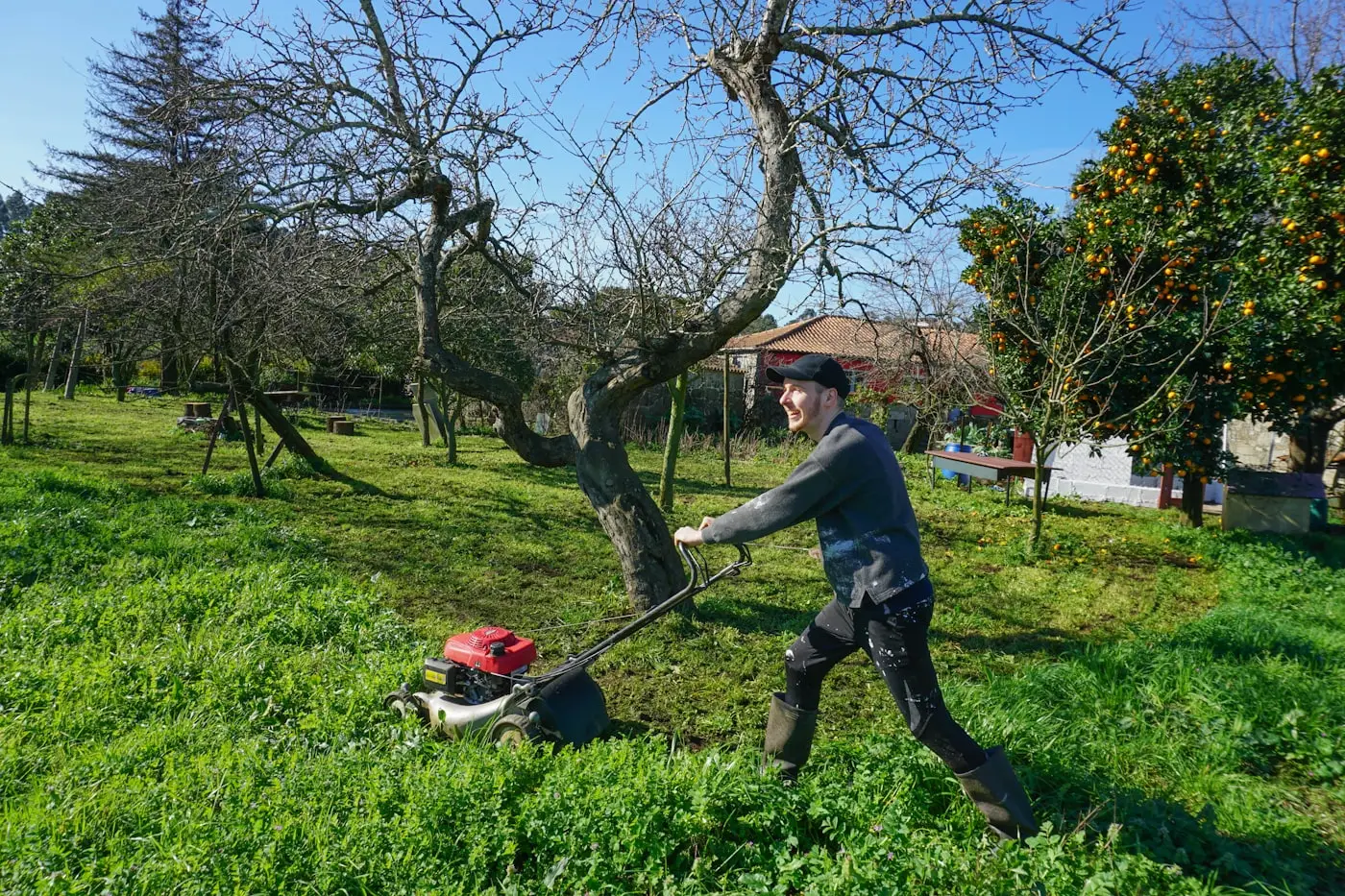
Lawns in Saltburn gardens present their own challenges. On the sandy cliff-top loam, grass can dry out and go brown in summer far faster than on heavier soils - this is not neglect, it is the soil type. Choosing a drought-tolerant grass seed mix for any overseeding or repairs makes a significant difference in these positions. On the heavier clay-loam of the inland properties, lawn management is closer to the standard North Yorkshire pattern: regular mowing, annual aeration to prevent compaction, and overseeding in autumn. The Yorkshire lawn care guide covers both situations.
The Valley Gardens - Saltburn's formal garden tradition
The Valley Gardens running along Skelton Beck through the centre of Saltburn are one of the town's most distinctive features - a formal municipal planting scheme in a natural valley setting that has been maintained since Victorian times. Many of the private gardens in the streets above and alongside the Valley Gardens have been influenced by this formal tradition: structured beds, seasonal colour, topiary features. If your garden has formal elements inspired by the Valley Gardens character, finding a gardener who understands structured bedding and topiary maintenance will make the difference between it looking intentional and looking tired. Ask specifically about formal garden experience before you book.
What gets booked in Saltburn gardens
The most consistently booked work in TS12 is regular garden maintenance on the Victorian villa properties - the detached and semi-detached houses in the core residential streets that have established gardens with a mix of lawn, borders, and boundary hedging. Fortnightly mowing and general tidying is the backbone of the maintenance calendar from April to October. These are gardens where the Victorian character of the town creates a strong visual expectation - a Saltburn villa garden that is well-maintained looks magnificent; one that has been neglected stands out in a way it would not in a less architecturally coherent town.
Spring damage assessment and repair is a significant seasonal job that is more important in Saltburn than in most inland North Yorkshire towns. After the winter gales, cliff-top and exposed villa gardens need systematic checking: plants that have been scorched by salt wind, stakes that have loosened in wet and windy conditions, sections of hedging that have been pushed back or damaged by north-easterly storms. This is not just tidying - it is structural assessment that informs what needs replacing versus what will recover, and what needs repositioning to perform better next winter. A gardener who does this properly at the start of spring sets the garden up well; one who just tidies the surface without the structural check misses the most important part of the visit.
Garden clearances come up regularly on the older TS12 properties, particularly in the periods when properties have been sold or where a change of household has coincided with a garden left unmanaged. Saltburn's Victorian housing stock includes some substantial plots that accumulate growth quickly when unmanaged. The clearance service covers what a professional clearance includes, and the cost guide gives realistic TS12 figures.
Border planting and replanting with coastal-appropriate species is a specialised but regular job in Saltburn. Households who have moved here from inland and planted a standard inland border often find that several of their species are struggling within a season or two. Replacing stressed plants with salt-tolerant alternatives - and advising on which of the existing plants are worth saving versus replacing - is exactly the kind of work where local knowledge pays dividends. The borders and planting service covers this in detail.
Pressure washing of paths, patios, and hard surfaces is popular in Saltburn. The combination of salt air, coastal rain, and algae growth on north-facing hard surfaces means that paving and patio areas accumulate green growth and discolouration faster than in inland towns. An annual clean keeps surfaces safe and presentable.
What it costs to hire a gardener in Saltburn-by-the-Sea
Saltburn sits in the mid-to-upper range for East Cleveland. The specialist coastal knowledge required, the character and size of the Victorian villa gardens, and the physical demands of working in the exposed cliff-top conditions justify rates above the purely practical end of the scale. The UK cost guide gives the national frame; the table below is specific to TS12 in 2026.
| Job type | Typical cost range, Saltburn-by-the-Sea TS12 2026 |
|---|---|
| Hourly rate (regular maintenance) | £26-£40/hr |
| Fortnightly maintenance visit (Victorian villa garden) | £38-£68 per visit |
| Day rate (7-8 hrs) | £160-£225 |
| One-off lawn cut | £30-£55 |
| Hedge trimming (escallonia, griselinia, privet) | £55-£175 per visit |
| Spring coastal damage assessment and tidy | £100-£290 |
| Border replanting (coastal-appropriate species) | £28-£40/hr plus plants |
| Garden clearance | £170-£600+ depending on scale |
| Pressure washing (paths, patio) | £80-£200 |
For the regional comparison, the gardener hourly rate guide puts TS12 rates in their broader frame. Gardeners who travel from Guisborough or Middlesbrough to cover Saltburn sometimes include travel time in day rates for larger projects - worth confirming at the initial quote stage.
Seasonal calendar for Saltburn gardens
The coastal position moderates Saltburn's seasons in both directions. Spring can be cooler and slower to start near the cliff than just a few miles inland, but autumn growth persists longer because the North Sea keeps temperatures above inland equivalents through October and even into November in mild years:
- March-April: Critical spring assessment for salt and wind damage. Check stakes, assess scorched foliage, identify plants that need replacing. First mowing on established lawns once soil temperature allows. Sandy cliff-top soils warm faster than clay.
- May: Main planting season. Coastal-appropriate plants go in once frost risk has largely passed. Border editing and weeding. Hedge assessment - determine what needs trimming and what needs replacing.
- June-August: Fortnightly maintenance rhythm fully underway. Hedge trimming from late May or June. Irrigation of cliff-top sandy loam gardens in dry spells - they dry fast. Valley Gardens-adjacent formal beds need regular deadheading.
- September-October: Autumn tidy. Overseeding thin lawn areas. Coastal autumn storms begin - check and reinforce any structural planting ahead of the gale season. Leaf clearance from the valley gardens above.
- November-January: Reduced activity but important structural assessment. Post-gale checks matter here. Winter pruning of fruit trees and hardy shrubs in frost-free spells.
How to find a gardener in Saltburn-by-the-Sea
The Saltburn community is well-connected and word of mouth works reliably. The town's Facebook groups and the local community networks are a good starting point. Saltburn attracts people who are genuinely interested in the town and its character, and gardeners who choose to cover TS12 regularly tend to be genuinely engaged with the specific horticultural demands of coastal gardens rather than reluctant visitors from inland rounds.
The specialist requirement is real, however. A gardener who has worked extensively in coastal Yorkshire gardens understands the salt-tolerant plant palette, knows how to assess and repair wind and salt damage, and will not make the common mistake of recommending inland-appropriate plants for a cliff-top position. This knowledge is worth asking about specifically before you commit. The North Yorkshire gardeners guide covers the range of areas served across the region.
Before committing to any gardener, confirm public liability insurance documentation, check waste removal arrangements for any clearance work, and for coastal specialist work - planting advice, damage assessment, border redesign - ask specifically about their experience with North Sea coastal gardens. This is a specific enough context that experience matters.
Frequently Asked Questions
What garden jobs are typical for Saltburn-by-the-Sea properties?
Specialist coastal plant selection and border replanting, salt-tolerant hedge trimming and management, regular Victorian villa garden maintenance, spring coastal damage assessment, and pressure washing of hard surfaces are the most common work. The cliff-top sandy loam and the heavier inland clay-loam need different approaches. The garden maintenance service page covers what an ongoing contract includes.
What do gardeners charge in Saltburn-by-the-Sea?
Expect £26-£40 per hour for regular maintenance, with fortnightly visits running £38-£68 per visit. Day rates run £175-£300. Saltburn sits mid-to-upper for East Cleveland given the specialist coastal knowledge required and the character of the Victorian villa gardens. The UK gardener cost guide gives the full national comparison.
Is it easy to find a local gardener in Saltburn-by-the-Sea?
Reasonably well via the local community networks and Facebook groups. The important qualifier is coastal experience - a gardener who understands salt-tolerant plant selection and coastal damage assessment is a more specific find than a general maintenance gardener. A introduction service that pre-vets for coastal experience is the most reliable route.
When should I book a gardener in Saltburn-by-the-Sea?
For regular maintenance from April, contact in February or early March. Spring damage assessment after winter gales is the first priority. The coastal season starts slightly cooler than inland but extends later in autumn. Book hedge trimming for late May or August. For Victorian villa garden specialist work, book early.
Related reading
- Gardeners across North Yorkshire
- How much does a gardener cost in the UK? (2026)
- Yorkshire lawn care guide
- Hedge trimming cost guide
- Garden clearance cost guide
- Garden drainage in Yorkshire
- Garden maintenance across Yorkshire
Gardeners in nearby areas
We cover Saltburn-by-the-Sea and the surrounding TS12 coastal area:
Get a quote for your Saltburn garden.
60-second assessment. If a local TS12 gardener takes your enquiry, they call you with a price for your specific garden and job.
Start the assessment