Garden design · Swillington
Garden design across Swillington, Oulton, Woodlesford, Rothwell and the south-east Leeds LS26 corridor. Planting plans, full redesigns, allotment-informed kitchen gardens, and hard landscaping on plots with genuine heavy clay. Local designers who quote directly, free initial estimates, design from £500.
Swillington is a village on the south-eastern edge of Leeds in the LS26 postcode, set between the Aire valley and Garforth to the east. The village itself has a mix of older stone cottages, 1960s and 1970s housing, and more recent infill development. The gardens range from long narrow cottage plots to standard suburban rectangles, many with a strong allotment culture - Swillington has a tradition of productive growing that influences the kind of garden design enquiries that come from here.
The soil across Swillington is predominantly heavy clay, consistent with the Coal Measures geology of the wider LS26 belt. This clay is fertile and moisture-retentive but requires management - it compacts easily, drains slowly in winter, and can crack hard in a dry summer. Most garden design work in Swillington starts with an honest assessment of the clay character: understanding which areas of the plot drain worst, where compaction is most severe, and whether there are any legacy drainage issues from the plot's previous use.
The allotment culture in the area shapes what homeowners want. Productive growing - raised vegetable beds, soft fruit cages, composting areas - features in more design briefs here than in purely ornamental suburban areas. The best designs integrate productive and ornamental elements rather than treating them as separate zones, and acknowledge that kitchen gardens on clay need raised beds to function properly. For general garden maintenance and year-round growing support, the Swillington local gardeners page has more detail.
Design fees are separate from build and planting costs. The ranges below reflect what designers across Yorkshire typically charge. Most quote a fixed fee after seeing the site.
| Service | Typical range |
|---|---|
| Initial consultation | Free to £75-150 |
| Planting plan only | £300-800 |
| Planting plan + implementation | £600-1,500 |
| Full design and project management | £800-3,000+ |
| Border replant (up to 10 sqm) | £150-400 |
| Full garden makeover (50-100 sqm) | £5,000-15,000+ |
Hard landscaping is quoted separately. Raised beds in timber or railway sleeper construction typically run £300-£800 each installed, depending on size. Patio work in sandstone or porcelain on a standard Swillington plot typically costs £2,500-£5,500. See the garden renovation cost guide for broader Yorkshire context.
Free initial estimate from a local designer. We connect you with professionals who quote directly and understand the clay soil conditions in LS26.
The full local guide
The most distinctive brief in Swillington and the wider LS26 area is the productive kitchen garden - homeowners who want to grow vegetables, soft fruit, and herbs in a well-designed space rather than a functional but ugly allotment corner. Raised beds are essential on this clay soil: growing directly in the clay is possible for some crops but the drainage constraints limit what performs well. Raised beds 300-400mm above the clay level, filled with good compost-enriched growing medium, give you temperature and drainage control that transforms what you can grow. A design incorporating four raised beds, a soft fruit cage, compost bays, and a gravelled maintenance path typically costs £2,500-£6,000 to install.
Older Swillington cottage plots often have long, relatively narrow back gardens with established stone or brick boundary walls. These spaces suit generous planted borders - herbaceous perennials, shrub roses, climbing plants on walls - rather than lawn-dominated layouts. The clay soil is actually well-suited to cottage garden planting: astilbes, phlox, delphiniums, geraniums, and persicaria all perform well in moisture-retentive ground. A cottage border redesign on an established plot (stripping what's there, improving the soil, replanting with a full planting scheme) typically costs £600-£1,500 depending on border length and plant density.
Swillington gardens where the lawn has been neglected typically show the classic heavy clay problems: moss colonisation, compacted patches, poor drainage after rain, and a surface that takes time to recover after a wet spring. Lawn renovation on this soil requires scarification to remove thatch, hollow-tine aeration to break compaction, overseeding with appropriate cultivars, and an ongoing annual maintenance plan. Combine lawn treatment with a border tidy and the garden looks significantly better without requiring a full redesign budget. The renovation approach (rather than full returfing) works well on established Swillington plots where the lawn structure is sound but compaction has degraded the surface.
Swillington is close to the Aire valley and the reclaimed land around the Swillington Organic Farm, and there is genuine local interest in wildlife-friendly gardening. Native planting schemes - hawthorn, field maple, dog rose, wild grasses, native perennial meadow mixes - suit the clay soil and the semi-rural village character. These designs require less ongoing intervention than formal ornamental borders and can be established on modest budgets if you are willing to start with smaller stock and wait for establishment.
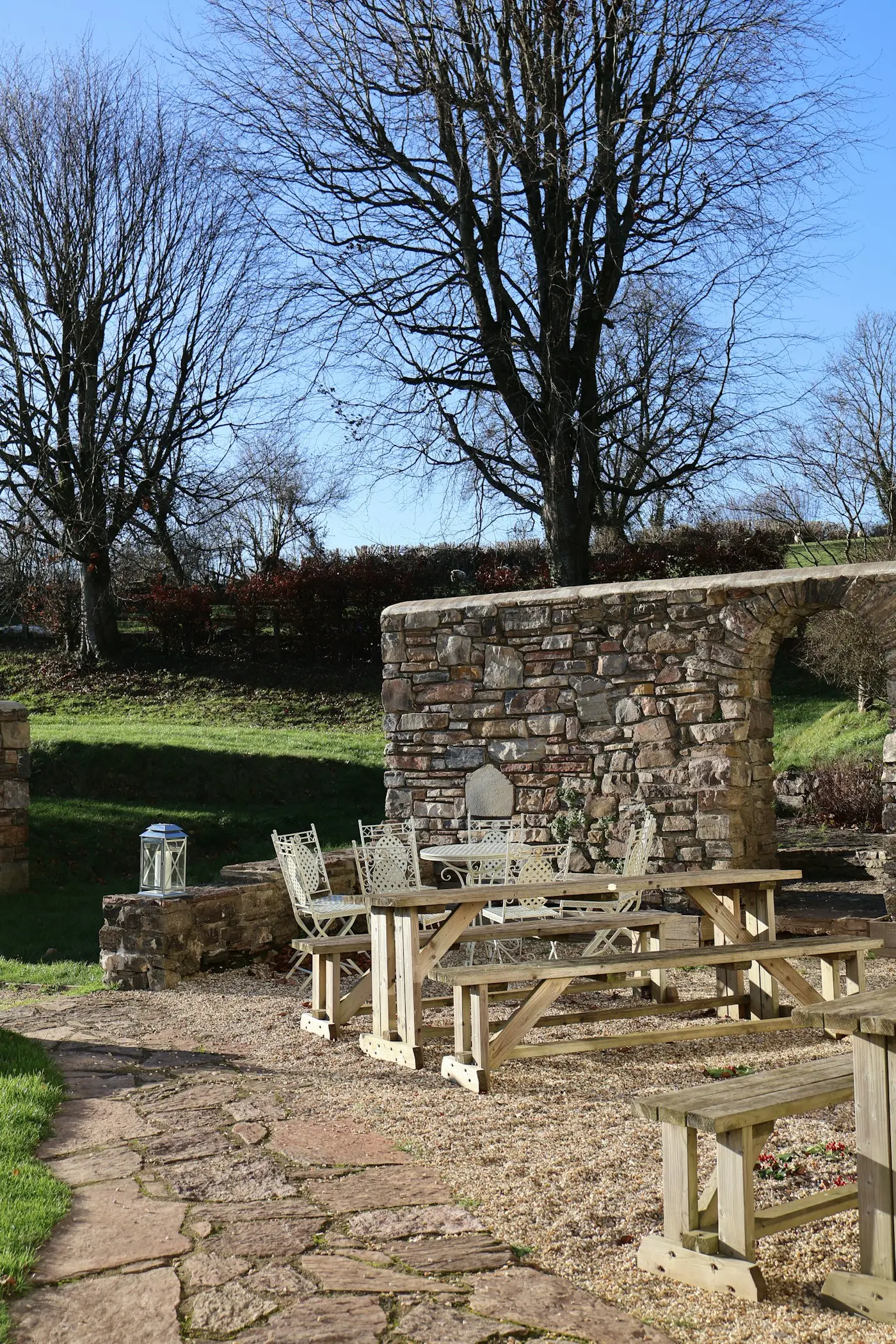
Swillington's heavy clay soil suits a wide range of moisture-tolerant perennials and shrubs. For sunny borders, shrub roses are reliable - they thrive in clay and give long-season colour with moderate maintenance. Geraniums, astilbes, rudbeckias, heleniums, and persicaria all establish well in the moist, fertile clay. For structural presence in mixed borders, viburnum, mahonia, dogwood (cornus), and physocarpus all suit the conditions.
In shaded areas - common in cottage plots with high boundaries or mature trees - hostas, epimedium, ferns, and shade-tolerant groundcovers such as pachysandra perform well. These plantings establish reliably and require less intervention than sun-loving perennials grown in awkward conditions.
For productive growing, the key is the raised bed medium rather than the native soil. Once you have a well-drained raised growing environment, the range of vegetables and soft fruit you can grow is largely the same as anywhere in West Yorkshire. Courgettes, beans, salads, brassicas, root vegetables, strawberries, and currants all perform in the LS26 growing season with appropriate raised bed management.
Native and wildlife-friendly plantings - hawthorn, blackthorn, field maple, elder, dog rose - grow exceptionally well in the clay conditions and establish faster than many ornamental alternatives. These also require less ongoing input once established, which suits homeowners who want a productive, lower-maintenance design.
What soil does my Swillington garden have?
Swillington sits on heavy Coal Measures clay, consistent across the LS26 postcode. The clay is fertile and moisture-retentive but drains slowly, compacts under foot traffic, and requires management for productive growing. Raised beds are the practical solution for kitchen gardens; ornamental planting should focus on moisture-tolerant perennials and shrubs that work with the clay rather than against it.
Are raised beds worth it on Swillington's clay?
Yes, consistently. Growing directly in heavy clay is possible for some crops - brassicas and beans cope reasonably well - but root vegetables, salads, and most soft fruit perform significantly better in a raised, free-draining growing medium. The one-off cost of constructing raised beds (typically £300-800 each) is recovered quickly in improved yields and reduced management time. Most productive garden designs in LS26 incorporate raised beds as a starting point.
How do I deal with a waterlogged Swillington garden?
Persistent waterlogging in a low-lying or poorly drained Swillington garden typically needs one of three interventions: a French drain to intercept and redirect surface water; raised planting areas to get roots above the waterlogged zone; or a combination of aeration and organic matter improvement for lawn areas. A designer should assess the drainage before proposing a planting scheme - waterlogged ground rules out many plants and requires drainage to be addressed before planting will establish properly.
Do I need a full design or just a planting plan?
If you want to change the layout, add raised beds or a patio, or do a significant redesign, a full design at £800-3,000+ is appropriate. If the layout is working but the borders need replanting or the productive growing area needs redesigning, a planting plan at £300-800 is usually sufficient. Most designers will advise after seeing the site.
Can I combine productive and ornamental planting in one design?
Yes, and the better designs in this area do exactly that. Raised vegetable beds integrated into a well-designed ornamental layout look far better than a corner of the garden allocated to functional growing. The productive elements need specific requirements - full sun, accessible paths, water supply nearby - but within those constraints they can be incorporated into a genuinely attractive overall design.
When is the best time to start a garden redesign in Swillington?
Hard landscaping and raised bed construction can go ahead in any dry weather. Planting is best in spring (March-May) or autumn (September-November). Lawn renovation is most effective in autumn. If you want spring planting, start the design conversation in January or February. For autumn planting, June or July bookings give the designer time to produce a plan ahead of the September window.
Garden design coverage across south-east Leeds and surrounding villages:
Surrounding areas including Woodlesford, Methley, Allerton Bywater, Kippax, and Mickletown.
For general garden maintenance, clearance, and year-round gardening services in Swillington, visit our local gardeners in Swillington page.