Yorkshire Lawn & Garden

Garden design · Thornton, Bradford

Garden Design in Thornton, West Yorkshire

Thornton sits in BD13 on the Millstone Grit uplands four miles west of Bradford, in the same Bronte country that defines Haworth and Denholme. Your garden here is likely steep, stone-walled, and working with acid soil at pH 5.5 to 6.2 - conditions that suit rhododendrons, pieris and heathers, and that punish lime-loving plants. We connect Thornton homeowners with local designers who understand the gritstone character and quote directly for your project.

  • Free initial estimates
  • Local designers who quote directly
  • Design from £500
  • No call centres
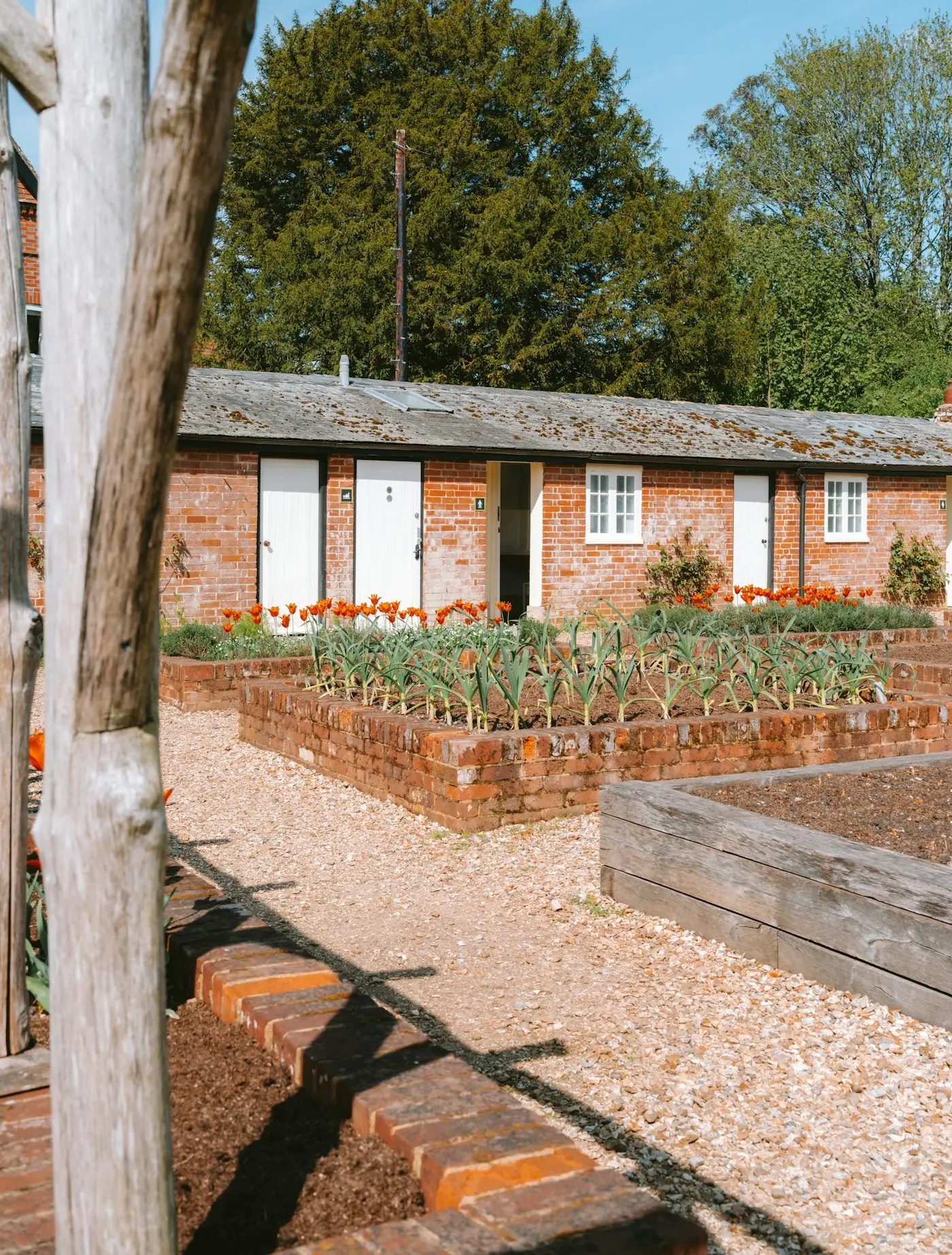
Walled kitchen garden with ordered beds

Your Thornton Garden's Starting Point

The Millstone Grit that underlies Thornton and the surrounding BD13 villages produces a particular kind of garden: acid, free-draining on the slope, often with shallow topsoil over rock, and bounded by the dry-stone walls that define this part of West Yorkshire. Soil pH sitting between 5.5 and 6.2 is genuinely useful if you choose the right plants - ericaceous subjects (rhododendrons, azaleas, pieris, heathers, bilberries) establish with minimal intervention in these conditions. Trying to grow alkaline-preferring plants on the same ground produces persistent yellowing and slow decline regardless of how much feed you apply.

Aspect matters enormously in Thornton. The village sits at roughly 250-300m and catches westerly and south-westerly exposure from the moors. South-facing slopes warm quickly and produce good fruit-growing conditions from mid-spring; north-facing plots in the valley folds can be significantly colder and wetter, with a compressed growing season. A designer working in Thornton needs to read the specific plot before proposing a scheme - the difference between a south-facing hillside garden and a north-facing courtyard two streets away is substantial.

The garden stock in Thornton is a mix of Victorian and Edwardian terraces from the mill-town era, interwar semis along the main routes, and some postwar housing. Victorian terrace yards are typically compact, stone-walled, and shaded for part of the day. Interwar semis often have longer rear gardens with potential for structure planting and productive areas. The gritstone character throughout means hard landscaping that uses natural stone sits correctly in the landscape - imported buff sandstone or reconstituted products look wrong here.

Garden Design Costs in Thornton

Garden design in Thornton typically runs from £1,500 for a small redesign to £8,000-15,000 for a full garden transformation, depending on scope. Terracing work, retaining walls, and stone hard landscaping add cost but also durability - on a gritstone hillside plot, the investment in proper terracing lasts decades. The design fee (planting plans, drawings, project management) is separate from build and planting costs.

Service Typical range
Initial consultation Free to £75-150
Planting plan only £300-800
Planting plan plus implementation £600-1,500
Full design and project management £800-3,000+
Terrace construction (stone retaining) £2,000-8,000
Full garden transformation (50-100 sqm) £8,000-15,000+

Natural gritstone or reclaimed Yorkshire stone for retaining and paving costs more than imported alternatives but is the right choice for Thornton plots - the material weathers in, looks correct in the landscape, and doesn't suffer the frost-damage problems that some sandstones experience at this elevation. See the Yorkshire garden designer cost guide for context on what different scopes typically involve across the county.

Get a design estimate for your Thornton garden

Free initial estimate from a designer who knows BD13 acid soil and gritstone plots. We connect you with local professionals who quote directly.

Start your Thornton garden estimate

The full local guide

What We Design in Thornton

Acid-soil planting schemes and ericaceous borders

Your natural soil advantage in BD13 is that you don't need to spend money acidifying ground to grow the most dramatic spring-flowering shrubs. Rhododendrons, azaleas, pieris japonica, and kalmia all thrive without intervention in Thornton's native pH. A well-designed ericaceous border with layered heights, seasonal interest from late winter through summer, and groundcover heathers underneath can transform a difficult sloping plot into a genuine feature. The key is getting the species selection and spacing right from the start - these are slow-growing subjects that reward good planning.

Stone wall integration and terraced gardens

Many Thornton gardens have existing dry-stone boundaries that need working with rather than replaced. A designer with experience on gritstone plots will design around these walls - using them as backdrop for planting, incorporating them into terraced layouts where the slope demands it, and repairing or extending them with matching local stone. Removing and replacing dry-stone walls with timber fencing loses the character that makes these gardens distinctive and reduces the long-term robustness of the boundary.

Hillside terrace and level-change design

Steep plots in Thornton need designed terracing to become usable. A garden that's simply a slope of rough grass isn't functional outdoor space. Level changes handled through stone retaining walls, timber railway-sleeper terraces, or planted embankments with structural shrubs can turn a difficult gradient into a series of usable rooms - a seating terrace, a vegetable area, a planting slope. The cost depends on the height and length of retaining required, but the investment in terracing is what converts a problematic plot into something genuinely enjoyable.

Victorian terrace courtyard redesign

The BD13 terrace yards are small, walled, and often neglected. A well-designed courtyard on 20-40 square metres can be a genuinely pleasant outdoor space with the right approach: paving with good drainage, raised beds to lift planting above the shade line, shade-tolerant species (ferns, hostas, hardy geraniums, astrantia), and a design that uses the stone walls as vertical structure rather than just boundaries. A courtyard trying to cram in a lawn and full borders doesn't work; a courtyard designed for what it is does.
Yorkshire Soil Meets Good Design

The acid Millstone Grit soil of Thornton responds well to organic matter improvement. Leaf mould, well-rotted compost, and bark mulch all improve the moisture retention on steeper plots where the thin topsoil drains quickly. The soil is generally low in nutrients compared to valley floor loams - regular feeding is more important here than on heavier ground. Slow-release fertiliser applied in spring makes a significant difference to planting vigour, particularly in the first two establishment seasons after a new design is installed.

Drainage on steep BD13 plots is usually less of a problem than on flat clay sites, but run-off management matters. Water running off a steeply planted slope can erode mulch and expose roots. Designed drainage channels cut into terraces, or planted swales using moisture-tolerant grass species, manage this without expensive pipe drainage. A designer familiar with upland gritstone plots knows to address this at the planning stage rather than as a remedial measure after planting.

Wind exposure at Thornton's elevation means wind-tolerant planting selection matters. Structural shrubs - viburnums, tough ornamental grasses, molinia, low-growing junipers, and established heathers - provide the backbone. More tender subjects can shelter behind them once the structure planting has had two or three seasons to establish. Planting everything at once on an exposed hillside and hoping it takes is a poor approach; phasing structure first and infill second is what produces a garden that survives Pennine winters.

Thornton Garden Design FAQs

What plants grow best on Thornton's acid soil?

Rhododendrons, azaleas, pieris, kalmia, heathers (calluna and erica), bilberries, and blueberries all thrive naturally in Thornton's pH 5.5-6.2 soil. Hardy ferns, hostas, and molinia grass suit shadier spots. For structural height, try Hamamelis (witch hazel) and deciduous azaleas for autumn colour as well as spring flowers. Avoid lavender, clematis, and most Mediterranean plants - they want alkaline, well-drained conditions that you'd need to manufacture artificially on BD13 ground.

Can I grow vegetables in Thornton's acid soil?

Most vegetables prefer slightly acid to neutral soil - pH 6.0-6.5 - so Thornton's ground is actually well suited to most food growing. Potatoes, carrots, brassicas, courgettes, beans, and soft fruit all manage well. Brassicas benefit from a small lime application (bringing pH closer to 6.5) to reduce clubroot risk, but most food crops on an raised bed with good compost added will produce well. The elevation and shorter season mean starting under cover in April and not planting tender crops out until late May is standard practice.

How do I handle a very steep Thornton garden?

Terracing is the most effective approach - creating level areas at different heights connected by steps or planting slopes. Stone retaining walls in local gritstone are the most durable and visually appropriate solution. Railway sleeper terracing is cheaper and works well for vegetable or informal areas. Planted banks stabilised with groundcover shrubs (cotoneaster horizontalis, heathers, prostrate junipers) work for slopes you don't need to stand on. A designer should see the gradient and soil depth before specifying which approach fits your plot and budget.

How much does a garden redesign cost in Thornton?

A planting plan for an existing layout runs £300-800. A full garden design with project management runs £800-3,000 depending on complexity. Build and installation costs are additional - a full terrace and planting scheme on a standard Thornton hillside plot typically runs £8,000-15,000 including labour, materials, and plants. Request a free initial estimate and site visit before committing - the specific conditions on your plot determine the cost more than any general guide can.

When is the best time to plant in Thornton?

Autumn planting (September to November) is ideal for most trees, shrubs, and perennials - the ground is still warm, rainfall is reliable, and plants establish roots before winter. Spring planting (March to May) works well and is the preferred window for tender subjects. At Thornton's elevation, avoid planting tender material before late May - a late frost can set back newly planted stock significantly. Ericaceous shrubs like rhododendrons establish best when planted in autumn in moist conditions.

Do I need planning permission for garden changes in Thornton?

Most garden work - planting, paving, raised beds, fencing under 2m - doesn't need planning permission. If you're within a conservation area (Thornton village centre has sensitive areas), permitted development rules may restrict some changes to walls and hard surfaces. Listed buildings and their curtilages need consent for some structural changes. Your designer should advise on this when they assess the site. When in doubt, a quick check with Bradford Council's planning department confirms whether your specific works need consent before you start.

Areas Near Thornton We Also Cover

Garden design coverage across Bradford and the West Yorkshire uplands:

For general garden maintenance, lawn care, and year-round gardening services in Thornton, visit our local gardeners in Thornton page. For a full overview of what's involved in a redesign, read our garden design service page.