Garden design · Silsden, Airedale
Silsden occupies a distinctive position in BD20: the gritstone moors press in from the north, the Aire valley floor opens to the south with better loam soil, and the town has grown as a commuter base for Bradford and Leeds. Your garden here could be an open-aspect plot with sweeping views across Airedale, or a sheltered valley garden with genuine growing conditions - the two demand very different design approaches.
Silsden's soil varies more than many Yorkshire towns of similar size. The valley floor along the Aire corridor has workable loam - reasonably fertile, moderate drainage, suited to a broad range of ornamental and food-growing planting. As you climb toward the northern moorland fringe and onto the gritstone above the town, the soil thins, acidifies (pH dropping toward 5.5-6.0), and drains faster. A garden on Silsden's upper streets behaves differently from one down by the river, and a designer needs to know which conditions they're addressing.
The views from open-aspect Silsden gardens - across the Aire valley toward Rombalds Moor and the Dales skyline - are a genuine asset that design should work with rather than screen out. Siting seating areas, choosing appropriate fence or hedge heights, and selecting plants that frame rather than block long views are design decisions that lift the finished result considerably. A garden that turns its back on a panoramic Yorkshire backdrop misses what makes the plot special.
The housing stock in Silsden includes older stone mill-town properties near the centre, interwar and postwar housing spreading toward the edges, and more recent commuter development on the upper slopes. New-build gardens on the upper estates often need designed from bare builders' turf and unestablished boundaries. The older stone properties frequently have mature gardens that need reshaping and replanting rather than full redesign. Both scenarios are common and have different costs and timescales.
Garden design in Silsden typically runs from £1,500 for a small redesign to £8,000-15,000 for a full garden transformation, depending on scope. Valley floor plots with good access and workable soil are at the lower end; upper-slope plots requiring terracing and stone work run higher. Design fees are separate from installation costs.
| Service | Typical range |
|---|---|
| Initial consultation | Free to £75-150 |
| Planting plan only | £300-800 |
| Full design and project management | £800-3,000+ |
| First-garden new-build (standard plot) | £5,000-10,000 |
| Full garden transformation (50-100 sqm) | £8,000-15,000+ |
See the Yorkshire garden designer cost guide for broader context, and our garden design consultation guide for what to expect from the initial meeting.
Free initial estimate from a designer who knows BD20 conditions. We connect you with local professionals who quote directly for your project.
The full local guide
If your Silsden garden has sight lines across Airedale or toward the moors, the design priority is using planting and structure to frame those views while still creating a usable, sheltered outdoor space. Mixed hedging at 1.0-1.2m rather than solid boundary fencing lets light through while defining the garden edge. Planting positioned deliberately - taller structural shrubs to the west or north for wind shelter, lower ornamental perennials to the south and east to keep the view open - creates a space that works with its setting.
The better loam on Silsden's valley floor grows food crops well. A designed kitchen garden with raised beds, a small fruit cage, espaliered apples against a south-facing wall, and a greenhouse or cold frame area is genuinely achievable on BD20 valley plots. The growing season is reasonable at this elevation - tender crops from late May, soft fruit from June, good brassica and root vegetable production through the autumn. A well-designed productive garden adds usability and value to a family home.
Gardens on Silsden's northern edge that back toward the moor can take a naturalistic approach that uses the landscape character rather than fighting it. Hardy grasses (molinia, deschampsia, pennisetum), tough moorland-edge perennials (geraniums, persicaria, knautia), native hedging (hawthorn, field maple, rowan), and carefully placed boulders create a garden that feels continuous with the upland landscape behind it. This approach requires less intervention to maintain than a formal garden on the same site and grows more confident year on year.
Commuter development on Silsden's upper slopes generates first-garden briefs regularly. The brief is typically: take a compacted, featureless plot and create usable outdoor space with some privacy, good lawn, defined borders, and planting that establishes quickly. Budget £5,000-10,000 for a comprehensive first-garden on a standard new-build plot done in a single phase. Phased approaches spread the cost but take longer to feel finished.
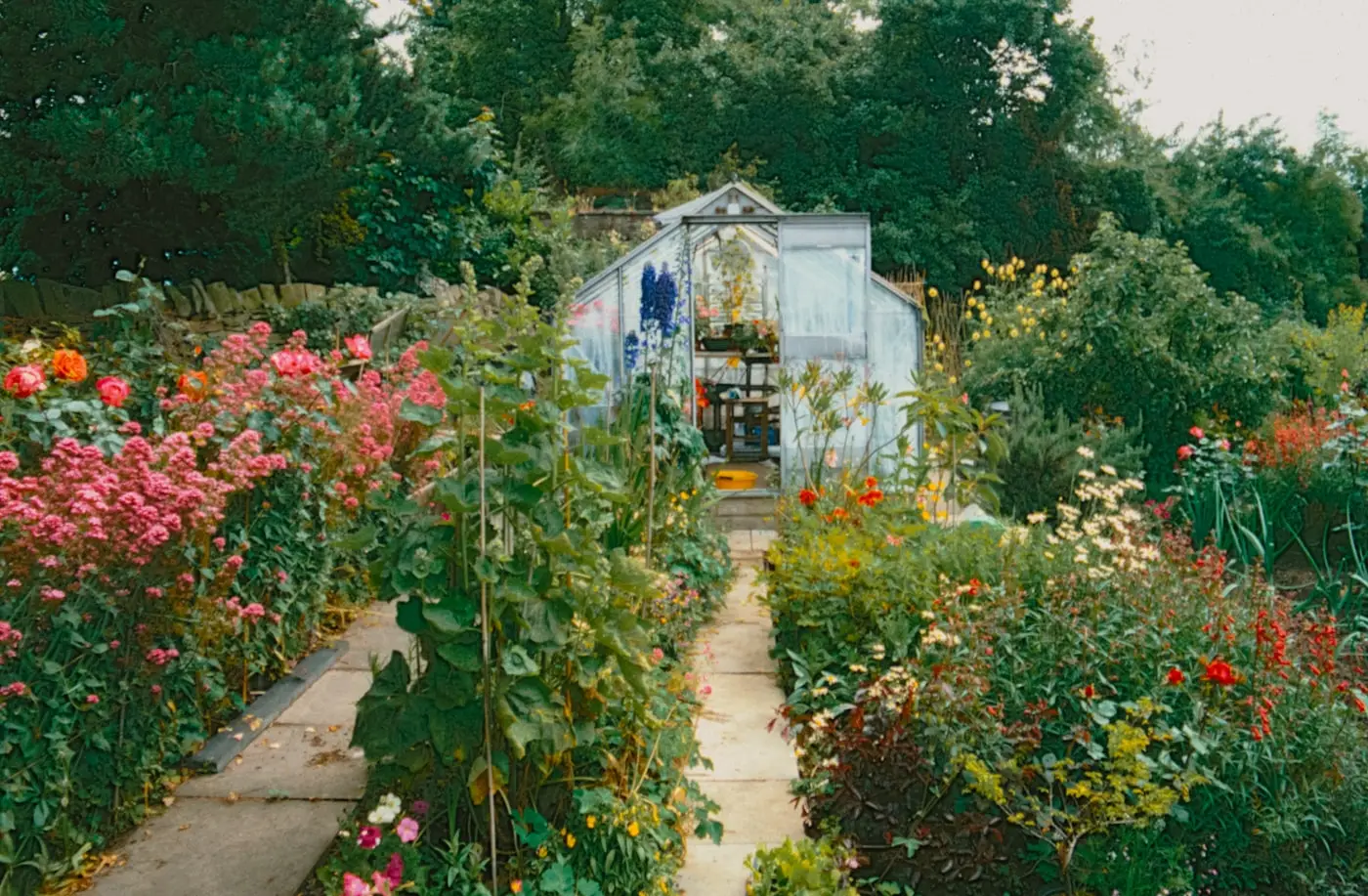
Silsden's valley floor loam rewards organic matter addition - spent mushroom compost, good garden compost, or well-rotted manure worked in before planting improves both moisture retention in dry summers and drainage in wet winters. The loam is naturally closer to neutral pH (6.5-7.0), which means a broader range of ornamental plants perform without soil modification. This is genuine flexibility that acid-soil gardens further up the valley don't have.
On the gritstone upland above the town, the approach mirrors what works elsewhere in the BD20 and BD13 uplands: organic matter to improve moisture retention, ericaceous plants where the acid pH sits below 6.0, and wind-tolerant structural planting before more decorative infill. The free-draining gritstone subsoil means drought stress is possible in dry summers even at this elevation - mulching newly planted subjects through the first two seasons is not optional, it's what determines whether establishment succeeds.
Whatever part of Silsden your garden sits in, a soil test before commissioning a design is a worthwhile twenty-minute investment. Knowing the actual pH and nutrient status of your specific plot removes guesswork from the plant selection process and avoids the situation where plants are chosen that simply won't perform in the conditions they're asked to grow in.
Does Silsden's soil suit most garden plants?
It depends where in Silsden you are. Valley floor gardens have workable loam at near-neutral pH - suitable for the vast majority of ornamental and food plants. Upper-slope and moorland-edge gardens have thinner, more acid soil where ericaceous plants thrive and lime-loving subjects struggle. A simple soil pH test (£5-10 from any garden centre) will tell you exactly what you're working with before you commit to a planting scheme.
How do I design a Silsden garden to make the most of the views?
The key is managing boundary heights selectively. Keep planting and structures lower on the view side and use height to the west and north for shelter. Mixed hedging (beech, hornbeam, hawthorn) at 1.0-1.2m lets light through while defining the garden edge without blocking sight lines. Position seating where it maximises the outlook - usually not directly against the house wall. A designer who visits the site can identify the best aspect and plan the layout around it.
Can I grow fruit and vegetables successfully in Silsden?
Yes, particularly on valley floor plots with decent loam. Soft fruit (raspberries, currants, gooseberries) is reliable at BD20 elevation. Top fruit (apples, pears) works well on sheltered south-facing aspects - wall-trained forms against a south wall are especially productive. Vegetables grow well from late May through October. A kitchen garden design with raised beds and a small fruit area is a practical investment that pays dividends over many seasons.
What does a new-build garden design cost in Silsden?
A comprehensive first-garden on a standard new-build Silsden plot - turf, defined borders, boundary planting, patio or paved area - typically runs £5,000-10,000 in a single phase. Design fees are additional (£500-1,500 for a full drawn scheme with project management). Phasing the work over two seasons is possible if budget requires - hardscaping and lawns in year one, then planting in year two - though this takes longer to feel finished.
Which plants suit Silsden's moorland-edge gardens?
Hardy grasses (molinia, deschampsia), geraniums, persicaria, knautia, and digitalis all suit the upper-slope conditions. Structural shrubs - rowan, hawthorn, field maple, and viburnum opulus - form good wind-filtering backbones. Avoid tender Mediterranean plants and anything needing alkaline soil without soil modification. Native and near-native plants generally perform better on exposed upland-edge plots and require less ongoing intervention once established.
How long does a garden design project take in Silsden?
A planting plan for an existing layout takes 2-4 weeks. A full redesign with hard landscaping typically takes 6-12 weeks from initial consultation to installation. New-build first-garden projects can move faster if the brief is straightforward. Most designers are booked 8-12 weeks ahead for peak spring and autumn installation windows - start the conversation in January or February if you want spring work, June or July for autumn planting.
For general garden maintenance and lawn care in Silsden, visit our local gardeners in Silsden page. For a full overview of our design approach, see our garden design service page.