Garden design · Haworth · BD22
Haworth garden design and landscaping.
Haworth is one of the most demanding garden environments in West Yorkshire - thin acid soils, 1,000mm-plus of annual rainfall, persistent westerly winds and a growing season shortened by late spring frosts. Design that works here starts with plant selection calibrated to Pennine conditions. We connect you with local designers who quote directly. Design from £500.
- Free initial estimates
- Local designers who quote directly
- Design from £500
- No call centres
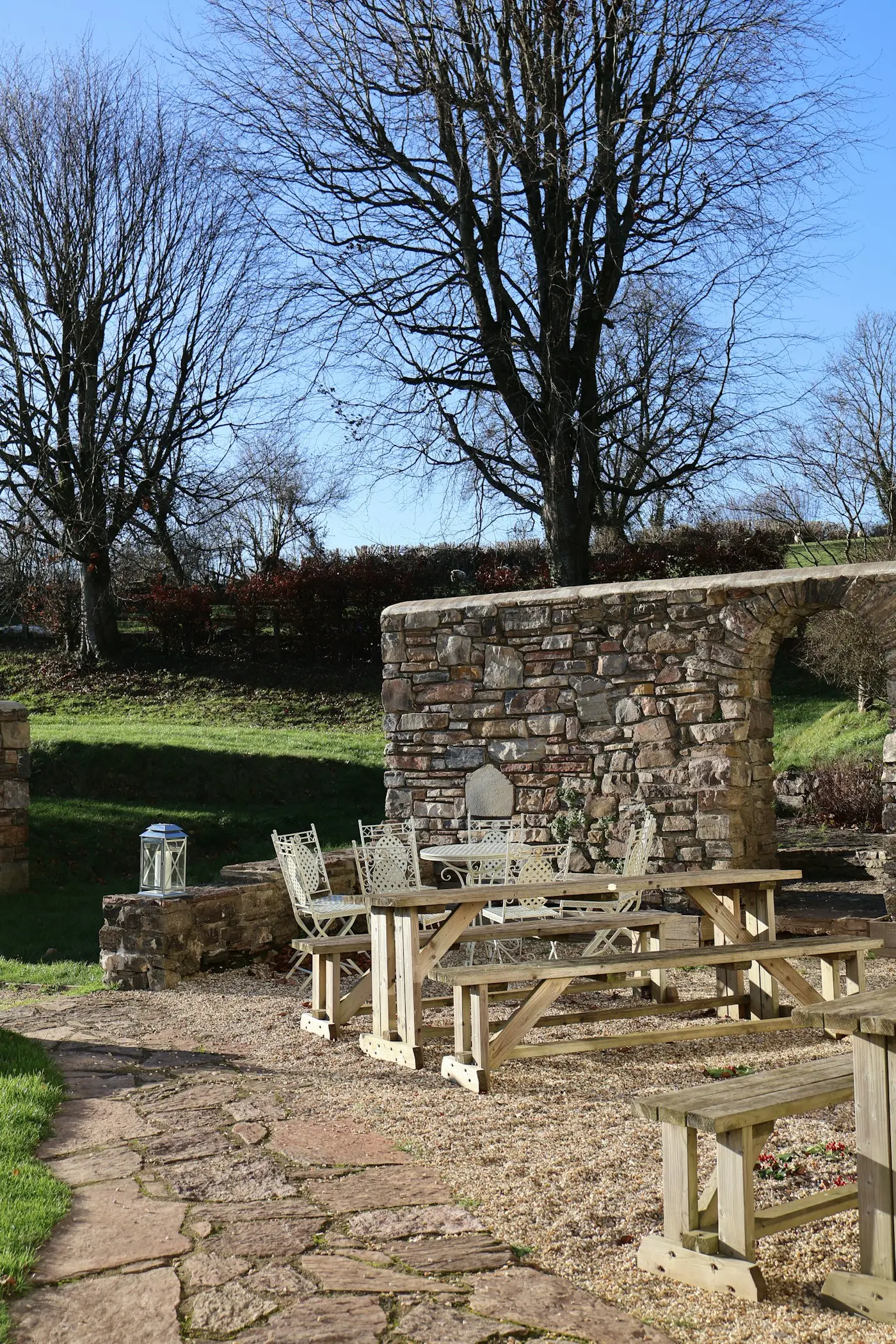
What garden design looks like in Haworth
Haworth sits at 300-350 metres above sea level on Millstone Grit, with the Pennine moors stretching west toward Lancashire. This is one of the higher, wetter and windier residential garden environments in Yorkshire, and that determines almost everything about how a garden here should be designed. The village is internationally known for its connection to the Bronte family, and the Bronte Parsonage gardens - maintained in a Victorian heritage style that works within the constraints of the altitude and climate - are the local touchstone for what is achievable here.
Your garden in Haworth will almost certainly have thin, acid, Millstone Grit-derived soil. pH readings of 5.0-5.8 are typical. Annual rainfall regularly exceeds 1,000mm. Last frosts can arrive in May in some years. The westerly winds are persistent and desiccating. The growing season is measurably shorter than in the valleys below. None of these facts are reasons to give up on gardening - they are reasons to be specific about plant selection and design approach. Plants that evolved in upland British conditions (heathers, hardy shrubs, native trees, robust ornamental grasses and alpines) are genuinely well-adapted to Haworth and will perform better, with less intervention, than plants that prefer lowland, sheltered or Mediterranean conditions.
The village's tourism economy - visitors come for the Brontes, the Keighley and Worth Valley Railway, the cobbled main street and the moorland walks - means a significant number of properties are operated as holiday lets or short-term rentals. These gardens need to look good year-round to photograph well for booking platforms and to give guests an attractive outdoor space regardless of when they visit. That is a design brief with specific requirements: good winter structure, reliable spring colour through bulbs, manageable summer planting, and late-season interest from seed heads and ornamental grasses that hold through to the new year.
For garden design across BD22, we connect Haworth homeowners and holiday let owners with local designers who understand the Pennine conditions and quote directly. For ongoing maintenance once your design is established, garden maintenance in Haworth keeps the scheme in shape through the challenging upland seasons.
Cost and process overview
A planting plan for a Haworth garden starts from around £300-500 for a targeted scheme and £500-800 for a full garden planting plan. Full design with project management runs £800-3,000 depending on scale. A complete design-and-build with hard landscaping typically costs £5,000-15,000. For holiday let gardens where the garden is part of the letting proposition, a well-invested design pays back in reviews, repeat bookings and the ability to charge a modest premium for properties with genuinely good outdoor spaces.
See our Yorkshire garden designer cost guide for a full breakdown of what different levels of service deliver and how fees are structured across the county.
Get your Haworth garden designed this season.
Tell us about your plot and a local designer comes back with a real figure. No call centres, no subscriptions. Design from £500.
Start your free estimateThe full local guide
Haworth's growing conditions: the honest picture
The thin Millstone Grit soil typical of Haworth is not inherently bad - it is simply thin and acid. Improving it with organic matter (well-rotted compost, leafmould, composted bark) builds soil structure and water-holding capacity over time without changing the fundamentally free-draining character that makes it unsuitable for moisture-hungry plants. Adding lime to raise the pH is possible but needs to be done carefully and consistently to maintain any effect; it is generally more practical to select plants suited to acid conditions than to attempt ongoing pH correction.
The high rainfall is both a gift and a challenge. It means you rarely need to water established plants in a normal Yorkshire summer, and moisture-loving species that would struggle on drier soils elsewhere grow freely here. But it also means disease pressure is higher: fungal problems, slugs and snails, and the kind of soft, lush growth that is easily damaged by late frosts are all more prevalent in a high-rainfall upland environment. Plant selection and spacing needs to account for airflow and disease resistance rather than assuming the moderate conditions of a more sheltered lowland garden.
The late last frost is the most operationally significant climate variable for Haworth gardeners. In some years, ground frost has been recorded in Haworth in early to mid-May. This means tender annuals and half-hardy plants that would be safely planted in Ilkley or Leeds in late April need to wait until late May in Haworth, and anything with genuinely frost-tender new growth (dahlias, cannas, tender salvias) risks damage in a late cold snap even after the nominal last frost date. A designer working in Haworth will build this constraint into their planting scheme rather than specifying plants that work well fifty metres lower in altitude.
Common project types in Haworth
Holiday let garden design for year-round appeal
Holiday let properties in Haworth need outdoor spaces that look attractive in January photographs as much as July ones. The design brief for a successful holiday let garden prioritises: strong structural planting that gives architectural interest through winter (ornamental grasses, structural evergreen shrubs, stone walling); reliable spring colour through bulbs that naturalise and come back stronger each year (narcissus, alliums, camassia); managed summer planting that does not become overgrown between guest changeovers; and late-season seedhead interest that transitions gracefully into winter structure. This is a design approach rather than just a plant list - it requires understanding the sequence of visual interest through the year and designing each element of the garden to contribute at a specific time.
Victorian parsonage and period cottage garden
Many of Haworth's stone properties have gardens whose history and character calls for a planting approach that feels rooted in the Victorian tradition. Old roses (particularly the species and near-species roses that perform without disease problems in high rainfall conditions), hardy perennials in the cottage garden tradition, topiary in box or yew for structural formality, and spring bulbs planted in generous drifts are the elements of this style. The Bronte Parsonage garden provides the local reference point: structured, maintained with care, and working with rather than fighting the climate.
Moorland-edge naturalistic garden
For properties at the upper edge of Haworth or in the surrounding villages like Stanbury and Oxenhope, the moorland is often visible and audible from the garden. Design that connects visually to that moorland context - using heathers, ornamental grasses, birches, rowans and hardy native perennials - creates a garden that feels genuinely at home in its landscape rather than incongruously suburban. This approach is also the lowest-maintenance option for exposed upland sites: plants adapted to the conditions require minimal intervention once established.
Structural garden for reduced maintenance
Properties in Haworth that are not holiday lets often have the same maintenance challenge: the growing season is short, the weather is demanding, and high-maintenance ornamental planting requires a level of consistent intervention that busy homeowners struggle to sustain. A structural approach using evergreen shrubs, hardy grasses, gravel surfaces and low-input perennials delivers a garden that looks good year-round without the weekly attention that a mixed border in a favourable climate would require.
Design styles for Haworth gardens
Ericaceous and moorland planting is the style most naturally suited to Haworth's conditions. Heathers (Calluna vulgaris and Erica species), dwarf rhododendrons and azaleas, mountain pine (Pinus mugo Pumilio), Vaccinium, Potentilla fruticosa in yellow, white and pink forms, and Rosa pimpinellifolia (the Scotch or burnet rose, genuinely native to upland Britain) form a planting palette that is beautiful, low-maintenance and completely at home in Haworth's climate and soil. Supplemented with spring bulbs, hardy ornamental grasses and structural birch or rowan trees, this approach produces a garden with year-round interest and minimal losses in the demanding Pennine winter.
Victorian heritage planting - the cottage garden tradition interpreted for an upland climate - is the second signature Haworth style. Hardy old roses, reliable cottage garden perennials (Aquilegia, Geranium, Astrantia, Alchemilla), traditional herbs and formal box or yew topiary give the garden the character that suits both the period properties and the tourist village aesthetic. In Haworth's high rainfall, you can grow lushly; the key is selecting varieties with good disease resistance and spacing plants to allow adequate airflow.
For ideas beyond these two signature approaches, our Yorkshire garden design ideas guide covers styles that work across the county's varied upland and valley conditions.
Cost guide for Haworth garden design
| Service | Typical cost | What it includes |
|---|---|---|
| Initial consultation | Free to £75-150 | Site visit, brief discussion, outline proposal. |
| Planting plan only | £300-800 | Scaled scheme, plant list, spacings. You implement. |
| Full design and project management | £800-3,000+ | Design, contractor coordination, planting oversight. |
| Holiday let garden scheme | £500-1,500 | Year-round interest plan, structural and seasonal planting. |
| Ericaceous border or moorland planting | £300-900 | Soil assessment, species selection, plant list. |
| Full garden design-and-build | £5,000-15,000+ | Clearance, hard landscaping, soil preparation, planting. |
For a full breakdown of how garden designer fees are structured in Yorkshire, see our garden designer cost guide. For general gardening costs, see our how much does a gardener cost guide.
Plants that thrive in Haworth's Pennine climate
Acid soil specialists: Calluna vulgaris (ling heather, late summer to autumn colour, multiple cultivars available), Erica carnea (winter heath, flowers December to April, invaluable for the dead season), Rhododendron (species and smaller cultivars rather than the large Victorian hybrid types that become unmanageable), Pieris (spring interest, acid soil essential), Vaccinium myrtillus (bilberry, native to the moors above Haworth), Kalmia latifolia (mountain laurel, late spring flower), Gaultheria procumbens (winter berry, ground cover).
Hardy shrubs for exposed positions: Rosa pimpinellifolia (Scotch rose, absolutely adapted to upland Yorkshire, single white flowers and dark hips), Potentilla fruticosa (yellow, white or pink flowers all summer, completely hardy), Spiraea (most species, wind-tolerant and reliable), Ribes sanguineum (flowering currant, early spring colour, handles wind and cold), Cornus alba (red-stemmed dogwood, good winter stem colour in all but the most exposed positions), Sambucus nigra (elder, fast-establishing shelter plant with ornamental value).
Structural trees for Haworth: Betula pendula (silver birch, genuinely at home in upland acid soils), Sorbus aucuparia (rowan, native to upland Britain, berries in autumn, wind-firm), Pinus sylvestris (Scots pine, extremely hardy and appropriate to the landscape), Alnus glutinosa (alder for any wet areas or streamside planting), Prunus padus (bird cherry, native upland species, fragrant white flower in May).
Hardy perennials with good disease resistance for the high-rainfall conditions: Geranium (psilostemon, phaeum, sanguineum - all reliable), Astrantia major (excellent in moist conditions, long-flowering), Alchemilla mollis (lady's mantle, classic cottage garden, completely self-managing), Aquilegia (self-seeds freely, lovely in a naturalistic scheme), Digitalis (foxglove, self-seeds under trees and in borders), Persicaria bistorta (vigorous in moist conditions), Iris sibirica (moisture-tolerant, elegant).
Spring bulbs for reliable colour in a garden where perennial planting needs careful selection: Narcissus (most species and smaller cultivars reliable - avoid large-flowered hybrids that need staking), Allium (purple spheres in June, excellent in all Haworth conditions), Camassia (blue spikes in May-June, exceptionally hardy and tolerant of cold wet conditions), Muscari (grape hyacinth, naturalises readily in thin acid soil).
Your designer will produce a site-specific plant list based on their on-site assessment. The altitude, aspect and specific soil conditions of your Haworth plot determine plant selection as much as aesthetic preference does. If you want to research ideas before meeting a designer, our Yorkshire garden design ideas guide covers approaches that work across the county's upland and valley conditions.
Design process for Haworth projects
- Initial brief. You describe your plot, its exposure, any specific challenges (late frosts, very windy aspect, holiday let requirements) and your budget. Photographs and a note of what has failed previously are useful for the designer to bring to the site visit.
- Site visit. Your designer assesses soil pH and texture, checks wind exposure and shelter, identifies the frost pocket risk of your specific plot, and notes what existing plants are adapted and worth keeping. Haworth site assessments tend to spend more time on exposure and soil pH than a lowland assessment would.
- Proposal. A planting scheme calibrated to your specific conditions: acid-tolerant, wind-resistant, frost-hardy and matched to the aesthetic brief (holiday let appeal, Victorian heritage, moorland naturalistic, or structured low-maintenance).
- Timing. Autumn planting for most hardy shrubs, trees and perennials - they establish over winter and hit the ground running in spring. Wait until late May for anything with any frost sensitivity in Haworth's late-frost climate.
- Installation and aftercare. First-season watering is still important even in Haworth's high rainfall, because newly planted specimens need consistent moisture at the root zone while they establish. Your designer will advise on aftercare and flag any plants that need protection through the first winter.
Frequently asked questions about garden design in Haworth
What soil does my Haworth garden have?
Thin, acid Millstone Grit soil, typically with a pH of 5.0-5.8. Free-draining but low in fertility and organic matter. Lime-loving plants will struggle; ericaceous plants (heathers, rhododendrons, pieris, vaccinium) will thrive. Organic matter additions improve structure and water-holding without raising the pH significantly. Your designer will test or assess pH on site before specifying any planting scheme.
How much does garden design cost in Haworth?
A planting plan costs £300-800. Full design with project management runs £800-3,000. A complete design-and-build typically costs £5,000-15,000. Holiday let gardens with year-round appeal as a priority may benefit from a slightly higher planting budget to achieve the seasonal sequence needed for good photographs and guest satisfaction across the year. See our garden designer cost guide for a full breakdown.
What plants suit Haworth's Pennine climate?
Heathers (Calluna, Erica), rhododendrons and azaleas on acid soil, hardy ornamental grasses (Deschampsia, Molinia, Festuca), Rosa pimpinellifolia, Potentilla fruticosa, Spiraea, Sorbus (rowan), Betula (silver birch) and spring bulbs including narcissus, alliums and camassia. Hardy perennials with good disease resistance - Geranium, Astrantia, Aquilegia, Persicaria - perform well in the high-rainfall conditions. Your designer will produce a site-specific list based on your plot's aspect, pH and frost exposure.
Can I have a good garden in Haworth's difficult climate?
Yes - but the design needs to work with the Pennine climate rather than against it. The Bronte Parsonage gardens demonstrate what is achievable. Hardy perennials, ericaceous shrubs, robust ornamental grasses and upland-adapted native and near-native trees and shrubs all thrive in Haworth. The key is a designer who understands upland West Yorkshire conditions and specifies plants calibrated to the altitude, rainfall, wind and acid soil of your specific plot.
Related services
Once your Haworth garden is established, regular maintenance keeps the planting performing through the demanding Pennine growing season. For properties that need clearing of years of overgrowth before design work can begin, our garden clearance service covers BD22.
Areas near Haworth we also cover
We cover garden design across the Keighley district and Worth Valley including Keighley itself, Oxenhope, Stanbury and the wider BD22 area. For a full list of Yorkshire locations, see our garden design service page.
Garden design in nearby areas
- Garden design in Keighley
- Garden design in Bingley
- Garden design in Hebden Bridge
- Garden design in Ilkley
- Garden design in Skipton
For gardeners and general garden maintenance, see gardeners in Haworth.
Related: Find a gardener in Haworth