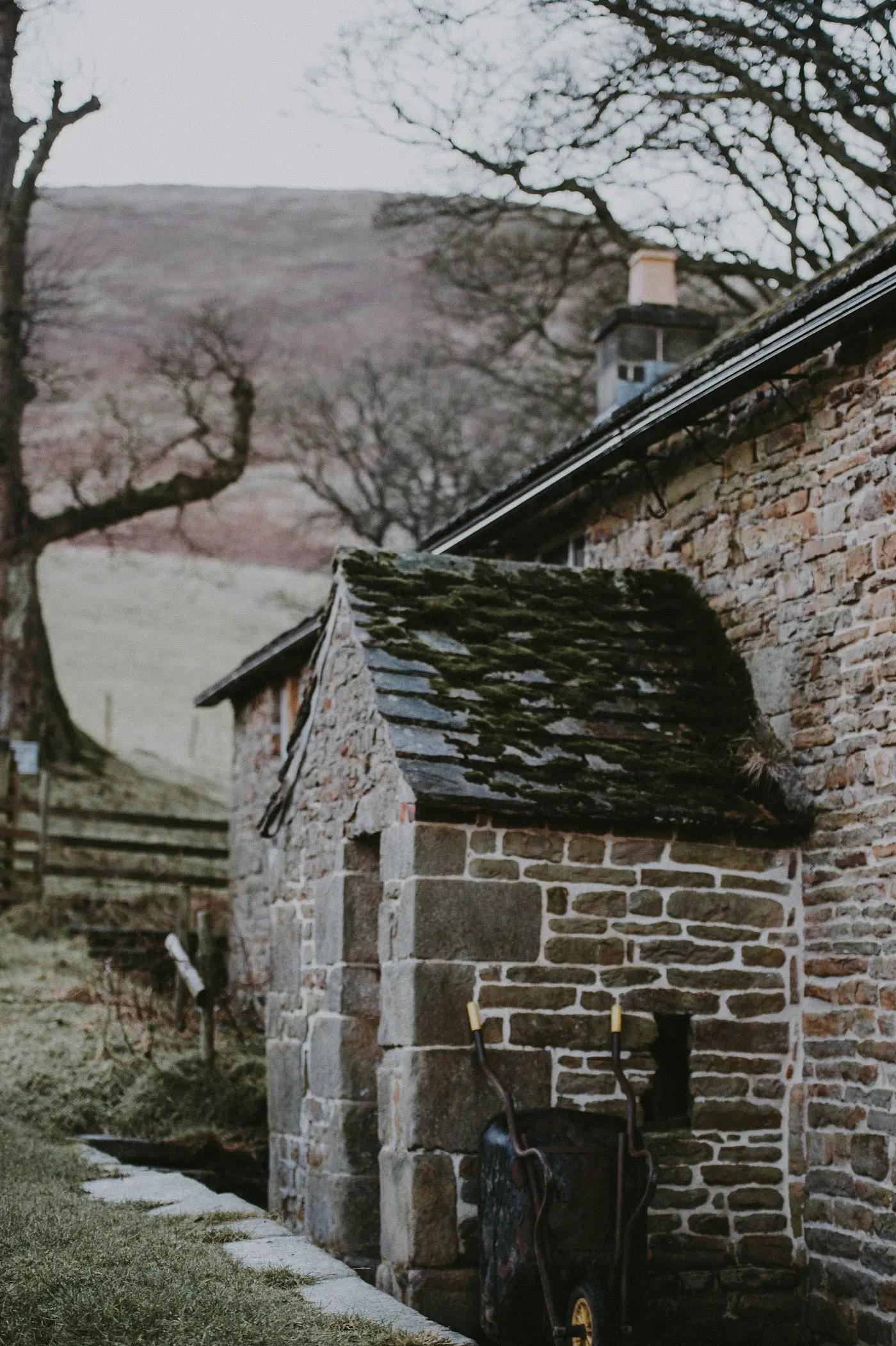
Most people who visit Haworth come for the Brontes and the cobbled Main Street. Most people who live in Haworth come home to gardens that sit on Millstone Grit at the western edge of the West Yorkshire Pennines, at an altitude that shortens the growing season measurably compared to the towns in the Aire valley below. If your garden is in BD22 - whether in the old village, in the residential streets below it, or out toward Stanbury and Oxenhope - understanding the gritstone conditions is the starting point for getting your garden right. A gardener who has worked on these soils knows what to expect. One who has not will apply advice calibrated for a different geology and get mixed results.
This guide is for the residents of Haworth - the lived-in community, not the tourism footfall - who want reliable, competent garden help and want to understand what to expect from the conditions. The practical questions are: what does the soil do, how long is the season, what jobs get done here, what do they cost, and how do you find the right person.
Millstone Grit - What It Does to Your Garden
Millstone Grit is a hard, coarse-grained sandstone that forms the bedrock across the West Yorkshire moors. The soil derived from it is acidic - typically pH 5.0 to 6.5 - thin, and relatively poor in nutrients compared to the limestone-derived or alluvial soils of the valley floors. Its drainage behaviour is counter-intuitive: the gritstone bedrock is impermeable, which means water cannot drain vertically through the soil profile. Instead it sits in the topsoil above the rock, creating conditions that are periodically waterlogged in wet weather and then dry out quickly at the surface once rain stops. This combination - waterlogging then drought, both in the same season - is one reason Haworth lawns can look stressed even when the weather does not seem extreme.
The thin topsoil that gritstone produces - often less than 20 to 30cm before you hit rock or compacted subsoil - limits what can establish with deep root systems. Large shrubs and trees can grow, but they do so by spreading root systems laterally rather than deeply, and in a dry summer this competition for the limited moisture in a thin topsoil becomes visible. If your lawn browns out quickly in a dry spell while your neighbours' gardens seem fine, the gritstone topsoil depth may be the explanation.
The acid pH creates both problems and opportunities. The problem is that a wide range of commonly grown garden plants - lavender, rosemary, clematis on thin soil, many vegetables - perform poorly or fail on acid gritstone. The opportunity is that the same conditions that make Mediterranean herbs struggle produce spectacular results from acid-lovers: rhododendrons, heathers, bilberry, pieris, and Japanese maples all thrive on this geology. A Haworth garden planted to work with its natural pH can be genuinely beautiful and far easier to maintain than one fighting the soil chemistry.
What "thin topsoil" means for lawn care
If your Haworth lawn is on thin gritstone topsoil, standard lawn renovation advice calibrated for deeper loam soils needs adjusting. Hollow-tine aeration in autumn is valuable - it improves drainage through the topsoil layer and reduces surface compaction. But the hollow tines should not go deeper than the topsoil layer - hitting gritstone below will damage the tine mechanism and serves no purpose. A gardener who knows gritstone lawns will use tines at the appropriate depth and follow up with a grit or sharp sand top-dressing that improves drainage without burying the thin topsoil that exists.
The Growing Season - Shorter Than You Might Think
Haworth sits at 250-300 metres above sea level on the moor edge. That altitude carries a real penalty on the growing season. Late frosts are not unusual into the first two weeks of May in an exposed position, and the prevailing westerly winds from the Pennines keep temperatures lower and the air drier than in the valley towns below. The Aire valley in Keighley, six kilometres east and 100 metres lower, has a noticeably longer and warmer effective growing season than the upper parts of Haworth.
In practical terms this means: do not plant out tender subjects before the third week of May, even if the calendar says the frost risk has passed. A late frost after a tender plant has been planted out will set it back significantly - and in a short Haworth season, losing two weeks of establishment time early in the year matters. A gardener who knows the local frost pattern will advise on this timing correctly. One who works from a generic national planting calendar will occasionally get caught out.
The effective lawn-cutting season in BD22 runs from late April to early October - slightly shorter at both ends than in Keighley or Bradford. Grass growth is slower at the altitude and in the cooler temperatures, which means fortnightly mowing through the peak season rather than weekly cutting suits most Haworth gardens. An autumn renovation in September - aeration and overseeding - takes advantage of the period when the soil is still warm enough for seed germination while the growth flush has eased.
What Jobs Get Booked in BD22
The work that comes up consistently in Haworth reflects the gritstone conditions and the community character of the town.
Regular lawn maintenance is the most common recurring job. The residential areas below the tourist village centre have standard suburban gardens - lawns, borders, hedges - that need the same attention as any West Yorkshire property, adjusted for the altitude and soil conditions. Garden maintenance in Haworth tends to be fortnightly through May to September, with the growth rate on gritstone soil slightly slower than at lower altitudes.
Moss treatment and lawn renovation is more frequently needed in Haworth than in most comparable towns. The combination of acidic soil, higher rainfall, and reduced sun hours at altitude creates the conditions that moss prefers. Annual autumn treatment - scarification, aeration, and overseeding with an acid-tolerant grass mix - is the effective long-term approach. Treating moss once and not following up produces a temporary improvement that moss reclaims within a season.
Hedge trimming is a consistent autumn job on the boundary hedges of Haworth properties. Beech, hawthorn, blackthorn, and mixed native hedging all do well on the gritstone moor edge and need at least annual maintenance. Hedge trimming in August, after the nesting season and before the autumn growth flush ends, is the right timing for most species.
Garden clearance on properties that have had a period without maintenance is common in Haworth. The moor edge creates a constant seed source - birch, rowan, and willowherb establish quickly in any gap in unmaintained borders, and bramble and bracken push in from the moorland edge on upper-village properties. Garden clearance on gritstone soil is hard physical work - roots grip the shallow topsoil tenaciously and mechanical removal is often the only effective option for established shrubs.
Planting advice and border planning on acid gritstone soil is particularly valuable in Haworth, because the range of plants that actually thrives here is narrower than in more neutral conditions. A gardener who can tell you which acid-tolerant shrubs will establish successfully, which perennials tolerate the waterlogging-then-drought cycle, and which planting choices will produce results without fighting the soil chemistry is offering practical value. See the garden design section for more on this kind of advisory work.
What Gardeners Charge in Haworth
Haworth sits in the £25-£38 per hour range for skilled garden maintenance in 2026. The BD22 area is served by gardeners based across Keighley, Bingley, and the Aire valley as well as local traders, which gives reasonable choice and keeps rates at the lower-to-mid Yorkshire range. For broader context, see the UK gardener cost guide and the garden maintenance cost guide.
| Job | Typical rate in BD22 (2026) | Notes |
|---|---|---|
| Regular fortnightly mow and tidy | £40-£70 per visit | Medium Haworth garden; growing season shorter than lowland Yorkshire |
| One-off lawn cut | £32-£58 | Overgrown lawns or long grass quoted higher |
| Hedge trimming (per hedge) | £45-£100 | Native hedging and larger established hedges at the higher end |
| Lawn renovation (aeration, scarification, overseed) | £110-£260 | Gritstone lawns often need multiple seasons of treatment to improve |
| Garden clearance (medium plot) | £180-£400 | Hard physical work on gritstone; includes waste removal |
| Hourly rate (skilled work) | £25-£38/hr | Lower-to-mid Yorkshire range reflecting urban proximity |
Finding the Right Gardener for a Haworth Garden
The most useful quality to look for is experience with gritstone conditions - the acidic, thin, impermeable-base soil that defines BD22 and the surrounding moor-edge villages. Ask whether they have worked on Millstone Grit soil before and what adjustments they make for it. A gardener who can talk specifically about moss treatment on acidic lawns, appropriate planting choices for gritstone, and the different drainage behaviour of this geology compared to clay or loam is demonstrating knowledge that will matter in your garden.
For lawn-focused work, ask about their approach to moss - specifically whether they treat the underlying cause (aeration, drainage improvement, overseeding with appropriate species) or just apply a moss killer and leave it. In Haworth, the former produces lasting improvement; the latter produces a temporary clean surface that reverts within a season.
Check insurance and Waste Carrier's Licence as a baseline. The Keighley and Bingley area has a good range of gardeners, and word of mouth among Haworth residents is reasonably effective for finding someone who has worked successfully in the BD22 area before.
Common Questions from Haworth Gardeners
How much does a gardener in Haworth charge?
£25-£38 per hour for skilled work in 2026. Day rates £175-£300. Fortnightly maintenance visits £40-£70 for a medium garden. BD22 has reasonable choice of gardeners from the Keighley and Bingley area. See the full UK gardener cost guide for broader context.
What soil does a Haworth garden have?
Millstone Grit - thin, acidic (pH 5.0-6.5), impermeable base. Waterlogging risk in wet periods, drought stress at the surface in dry spells. Excellent for rhododendrons, heathers, pieris, Japanese maples. Difficult for lavender, rosemary, and Mediterranean herbs without significant amendment.
How does the altitude affect gardening in Haworth?
The effective growing season is shorter than in the Aire valley below - frost risk into early May, season ending earlier in autumn. Run the planting calendar two weeks behind Keighley or Bradford for any exposed or elevated positions in BD22.
Can I grow a lawn on gritstone soil in Haworth?
Yes, with annual autumn renovation and realistic expectations. Garden maintenance that includes yearly aeration, scarification, and overseeding with an acid-tolerant mix produces genuine improvement over three to four seasons. Cutting short in dry spells makes gritstone lawns worse - keep height at 35-40mm.
Where do most Haworth residents' gardens actually sit?
Most residents live in the newer residential areas below the tourist village centre - Bridgehouse, Sun Street, and estates toward Oxenhope and Stanbury. These gardens have more shelter than the upper village but still sit on gritstone-derived acidic soil. The practical challenges are consistent across BD22: acid pH and altitude.
Seasonal Timing for Haworth Gardens
The Haworth growing season is compressed by altitude and runs roughly late April through early October. Here is how the year plays out in a BD22 garden.
March and April are for border preparation - clearing last year's stems, applying a mulch of compost or bark to borders before the weeds establish, and assessing what has not survived the winter. Upper village and moor-edge gardens should hold back on any tender planting until late April at the earliest. Lawn growth resumes from mid-April in the valley, a week or two later on the upper slopes.
May and June are the peak of the growing season. Regular fortnightly mowing begins in earnest. May is the month most likely to produce a late frost in an exposed Haworth garden - hold tender subjects back until the last week of May if your plot is on the moor edge or a north-facing slope. Acid-loving shrubs like rhododendrons, heathers, and pieris are at their best through May and June. Deadheading rhododendrons after flowering improves the following year's display significantly.
July and August bring vigorous growth that needs fortnightly or more frequent cutting. Hedge trimming from mid-July, after the nesting bird season has ended for most species, is the right timing. The gritstone soil dries out quickly in any prolonged dry spell - if the forecast is for two or more weeks without rain, raising the mowing height to 45-50mm reduces lawn stress considerably. Border watering on newly planted areas is more critical on thin gritstone topsoil than on clay: the drainage is faster and root systems do not yet extend deep enough to find sub-surface moisture.
September and October are for renovation. September is the most valuable month for lawn aeration and overseeding - the soil is still warm enough for germination but the intense growth flush has eased. Scarification to remove the moss and thatch layer, hollow-tine aeration at a depth appropriate for the gritstone topsoil thickness, and overseeding with a shade-tolerant, acidic-soil grass mix produces cumulative improvement over three to four seasons. Planting spring bulbs in borders through September and October - daffodils, tulips, alliums - takes advantage of the alkaline tolerance of these bulbs and produces reliable spring colour with minimal ongoing effort.
November through February mark the end of the season. Border cutting back, leaf clearance on paths and lawns, and structural assessment complete the autumn. Winter pruning of apples and other fruit trees from December through February. Upper Haworth gardens go dormant noticeably earlier than valley gardens - by early November most upper-slope plots have finished their season, and any work requiring access can be planned for the dryer months rather than pushing into wet autumn ground.
Further Reading
- How much does a gardener cost? (UK 2026)
- Garden maintenance cost guide
- Lawn scarification in Yorkshire
- Lawn moss treatment in Yorkshire
Gardeners near Haworth
We cover Haworth and the surrounding Worth Valley and Aire valley area.
Find a local gardener in Haworth
Tell us what the garden needs. We offer your enquiry to gardening businesses working your area, and one of them can buy the introduction and contact you. Free, no obligation.