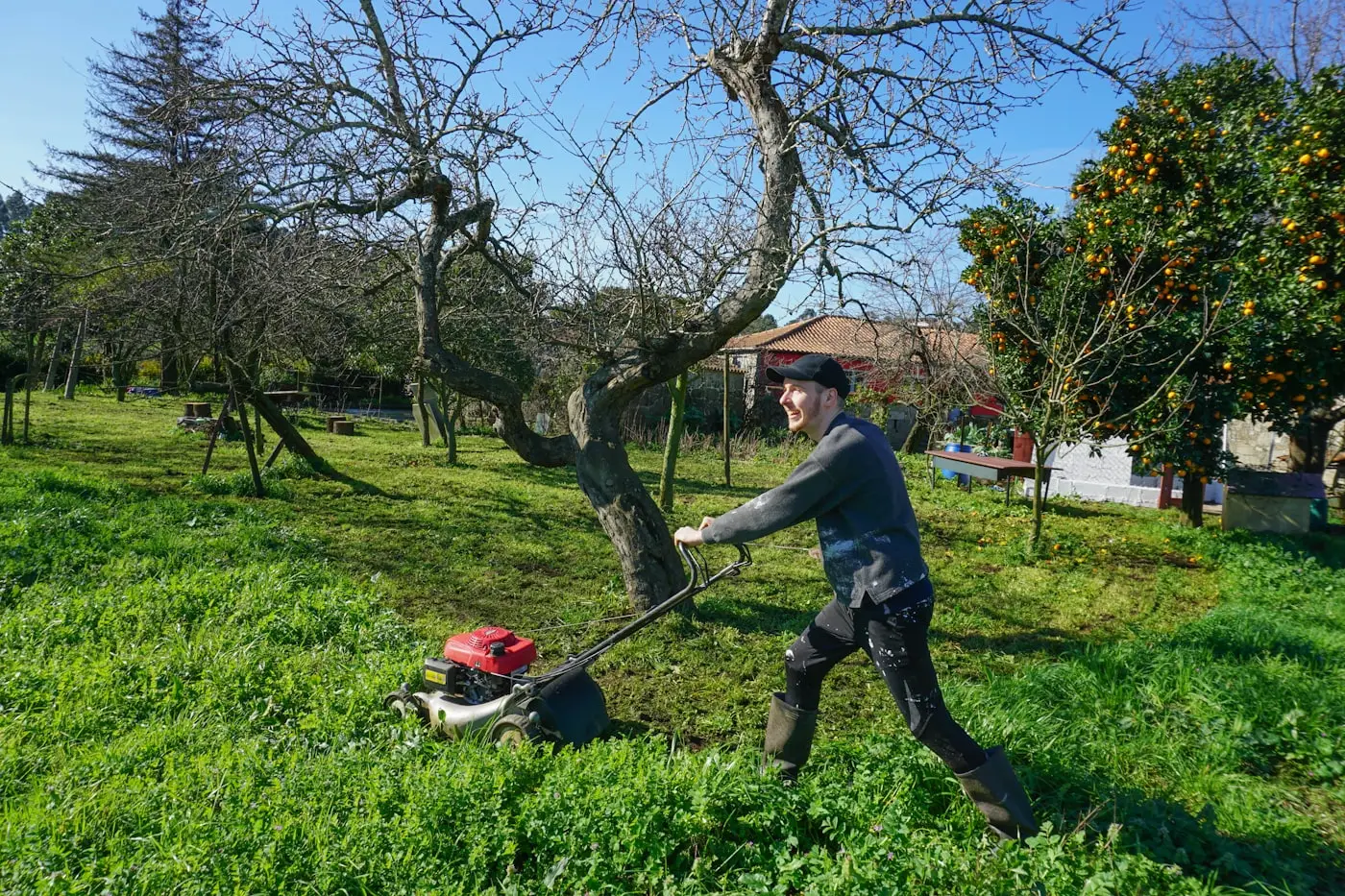
Skipton is a town that most Yorkshire people think of in terms of the castle, the market, and the start of the Dales. But if your garden is here, what you probably think about is the limestone soil that drains everything in minutes, the stone walls that need managing along every boundary, the Leeds-Liverpool canal running through the lower part of town with its entirely different damp conditions, and the way the growing season seems to get shorter the further you look up toward the moor. These are specific conditions, and they shape what gardening in BD23 actually involves in a way that is different enough from lowland Yorkshire to make a difference to who you hire and what you ask them to do.
Whether your garden is in the town centre sheltered by the castle hill, on the Aireville estate, down near the canal on Springs Branch or along the towpath, or on the rising ground to the north toward Embsay, the conditions you are dealing with are local in ways that matter. This guide is for Skipton homeowners who want to understand their garden before they book someone to work in it.
What Skipton Gardens Are Actually Like
Skipton's domestic gardens span a wider range of conditions than a town this size might suggest. The key variable is position - and in Skipton, position relative to the castle hill, the canal, and the elevation of the surrounding land makes a genuine difference.
The town centre gardens, particularly those on the streets clustering around the High Street and toward the castle on the north side, tend to be smaller, sheltered, and on relatively thin limestone soil. The castle hill provides wind shelter from the north and west, which makes these gardens more benign than their altitude would suggest. They are typically on limestone cobble and rubble beneath a moderate topsoil layer - digging in these gardens regularly encounters stone, and plants need a decent establishment period before their roots can navigate the underlying rock. Once established, the drainage is so good that summer irrigation becomes the main concern rather than waterlogging.
The Aireville estate gardens, on the edge of the park, have the advantage of established trees and more developed soil from the estate's long history of cultivation. These are among the most productive domestic gardens in Skipton - the park's microclimate, the tree cover, and the reasonable soil depth combine to create conditions where a wide range of perennials and vegetables will perform reliably if maintained properly. Lawns in these gardens benefit from annual autumn renovation to keep them from thinning where tree roots compete.
Canal-side gardens along the Leeds-Liverpool canal and the Springs Branch are a genuinely different proposition. The canal creates a damp corridor: morning shadow from the towpath trees, higher atmospheric humidity, ground-level moisture from the proximity of open water. These gardens grow moisture-tolerant plants exceptionally well - hostas, astilbes, ligularias, irises, and the full range of waterside perennials establish readily and look impressive. The challenge is managing the vigour: moisture-loving plants in these conditions can grow very fast and overwhelm a border that is not regularly maintained. Bindweed and willow herb are also particularly vigorous along the canal corridor and need consistent management to keep from dominating.
The northern and western edges of Skipton - toward Embsay, Eastby, and the Wharfedale villages beyond - rise quickly, and the growing season on this higher ground is noticeably shorter. The Pennine fringe north of Skipton can see ground frost into early May in a late spring, and the autumn arrives two to three weeks earlier than in the sheltered town centre. Gardens on this rising ground need a planting calendar that respects those constraints - which means not rushing summer planting in spring and being ready for the season to close early.
Stone walls throughout: the hidden maintenance task
Dry-stone walls define Skipton's domestic boundaries in a way that distinguishes it from most Yorkshire towns of comparable size. Managing the ivy, ferns, and self-seeded saplings that colonise the joints is one of the most common - and most commonly neglected - jobs in a Skipton garden. An elder or ash sapling in a wall joint looks harmless until it is three years old and the root system has started levering the stones apart. Annual wall checks and early removal of self-seeded plants is cheaper and easier than rebuilding a section of collapsed wall.
The Stone Wall Question: What Gets Established and How to Manage It
Dry-stone walls are not just aesthetic features in Skipton - they are working boundaries that need active management or they create problems. The joints between stones are a perfect growing medium for mosses, ferns, and the seeds of trees that birds deposit. Left alone, the natural colonisation of a dry-stone wall is not harmful; in fact, it is part of what makes old Yorkshire walls look the way they do. But some species, left unchecked, become structural problems.
Ivy is the most commonly encountered issue. A light growth of ivy on a stone wall looks attractive and provides wildlife value. But ivy that has been left to thicken over several years develops substantial woody stems and root systems that work into the mortar or the soil at the base of the wall, and the weight of heavy growth can pull the top courses of stone out of position on a wall that was already dry rather than mortared. The point at which ivy becomes a problem depends on how well built the wall is underneath - a properly laid dry-stone wall with good foundations tolerates more than a roughly laid boundary that has shifted over decades. A gardener who knows stone walls will be honest about when ivy clearance is becoming urgent.
Self-seeded saplings in wall joints need removing when they are small - ideally in their first or second year of growth, when the root system is still shallow and can be removed cleanly without disturbing the wall. Elder is the most prolific self-seeder in Skipton's walls, followed by ash, sycamore, and buddleia in the lower town. By the time a sapling is three to four years old and has visible stem diameter, the root system has penetrated deep enough into the wall joints that clean removal becomes difficult, and the risk of disturbing adjacent stones increases.
For walls that have not had any management for several years, a one-off wall clearance job is usually the starting point before regular annual maintenance can keep things under control. This involves removing ivy growth to the base of the wall, cutting back and treating woody sapling stumps, clearing loose debris from the top course, and identifying any sections where stones are genuinely unstable. This is time-consuming work and should always be quoted as a separate job from routine garden maintenance.
What Gets Booked in Skipton Gardens
The work that comes up most consistently in BD23 gardens reflects the specific local conditions.
Regular garden maintenance is the core of most ongoing arrangements - mowing, border tidying, edge trimming, and seasonal care. In Skipton's town centre sheltered gardens, the season runs from mid-April to mid-October with a fortnightly grass cutting schedule through the main growing period. Garden maintenance agreements structured on a seasonal basis give predictable costs and keep everything ticking over without the pressure of ad hoc booking at peak times. Skipton homeowners with larger or design-led gardens also frequently add garden lighting to their projects - the town's period properties and stone-walled gardens take particularly well to well-placed external lighting that creates atmosphere after dark.
Stone wall clearance and management is a specific Skipton requirement that comes up on most of the older properties. This is distinct from hedge trimming and should be quoted separately. The work involves ivy management, sapling removal from joints, debris clearance from the top course, and a structural assessment of any sections that are moving. A gardener with experience of this kind of work will use hand tools near old stonework rather than power tools, and will tell you honestly if a section needs a builder rather than a gardener.
Hedge trimming is significant across the Victorian and Edwardian streets. Many Skipton boundaries that are not stone walls have old privet, hawthorn, or beech hedges that need two cuts a year to keep them in form. Hedge trimming on a hedge that has been let grow for several years needs a properly staged reduction back to a manageable size, with the timing depending on the species and the time of year.
Garden clearance is regularly booked for properties changing hands and for gardens that have been left through a wet Yorkshire winter. Garden clearance in Skipton is often complicated by limited access through stone-walled entries and the volume of material that accumulates on a limestone soil where certain opportunistic plants - nettles, brambles, rosebay willowherb - establish with real vigour in any neglected corner.
Lawn renovation is frequently needed on gardens whose limestone soil has compacted over the years. Free-draining limestone does not waterlog, but it can become hard and impermeable at the surface if it has had years of foot traffic without aeration. Hollow-tine aeration in autumn, followed by a scarification pass and overseeding with a good ryegrass mix, makes a significant difference to lawns that have thinned or yellowed. See the lawn care Yorkshire guide for more on what renovation involves.
Canal-side garden maintenance is its own category in Skipton. The vigorous growth in the damp corridor along the canal requires more frequent border editing than a sheltered town centre garden - cutting back perennials that would otherwise swamp their neighbours, keeping bindweed and willow herb from taking over, and managing the lush growth of moisture-lovers that is one of the real pleasures of a canal-side garden when kept in order.
How Much Does a Gardener in Skipton Charge?
Skipton rates sit in the North Yorkshire / Craven district band, which runs comparable to other market towns in the county. For broader context, see the how much does a gardener cost guide.
| Rate type | Skipton (BD23), 2026 | Notes |
|---|---|---|
| Hourly rate (maintenance) | £25-£37/hr | Contract rates at lower end; one-off visits higher |
| Day rate (7-8 hrs) | £140-£190 | Full working day for clearance or renovation |
| Fortnightly maintenance visit | £42-£72 per visit | Medium garden; includes lawn, borders, edges |
| One-off lawn cut | £32-£58 | Size and state dependent; overgrown plots higher |
| Lawn renovation (aeration, scarification, overseed) | £110-£260 | Depends on lawn size and degree of renovation needed |
| Hedge trimming (standard domestic) | £50-£100 per visit | Tall or established hedges at the higher end |
| Stone wall clearance (ivy, saplings) | £60-£160 per session | Quoted separately from routine maintenance; depends on wall length and growth |
| Garden clearance (medium plot) | £200-£420 | Fixed quote after site visit for larger or overgrown plots |
Stone wall clearance is quoted separately from routine maintenance because it is genuinely different work - slower, requiring more care, and often needing a site visit to assess accurately. Do not assume it is included in a standard maintenance quote unless your gardener has specifically confirmed it.
Finding a Reliable Gardener in Skipton
Skipton is large enough to have a reasonable pool of sole traders and small gardening businesses, but the variation in quality and local knowledge is significant. The specific conditions of this part of North Yorkshire - the limestone soil, the canal corridor, the stone walls, the Pennine fringe elevation - mean that a gardener who knows BD23 specifically will work more effectively than one who treats all Yorkshire gardens the same.
The best route is to make contact in late winter. February or March gives you the best chance of securing a gardener who covers your area already, before the season starts and the good ones are fully committed. For one-off clearance jobs or specific projects - wall clearance, a border redesign, a lawn renovation - earlier contact also means a more realistic chance of getting the timing right for the job to be done at the best time of year.
Word of mouth is reliable in Skipton - a town where people know each other's gardens and talk about them. If you have a neighbour with a consistently maintained garden, asking who they use is worth doing. For people new to the area, or in streets where everyone does their own, a local introduction service connecting you to one vetted gardener covering your postcode is the most efficient route to a reliable person.
The questions that matter when making contact: public liability insurance (ask to see the certificate); Waste Carrier's Licence if any green waste removal is involved; experience with limestone soils specifically; and whether they are familiar with dry-stone wall management. A gardener who knows this kind of work will answer these questions without hesitation. One who has only worked in city suburbs may not have encountered any of these conditions.
Seasonal Guide for Skipton Gardens
Skipton's growing season runs approximately April to October for town centre gardens. Higher ground toward the Pennine fringe starts later and ends earlier - sometimes by three to four weeks at the top of the elevation range. Here is how the year runs.
January and February are for planning. The ground is cold and often wet, but this is the right time to arrange your gardener for the season, plan any renovation work, and assess any structural issues - stone wall conditions are easier to assess before spring growth obscures them. Structural pruning of roses, gooseberries, and apples can happen in dry weather through February in sheltered town-centre gardens.
March and April bring the season back to life in the sheltered parts of town. Grass growth begins in earnest from late March, and the first lawn cuts happen in early April. Border clearing, mulching, and the initial assessment of what has and has not made it through winter all happen now. Canal-side gardens need checking in April for the self-seeded growth that will have established through the winter - removing bindweed shoots and willowherb while they are small is dramatically easier than tackling them in June. Do not rush tender bedding plants into higher elevation plots; wait until late May.
May and June are the main spring months. Fortnightly mowing is underway, borders are going in, and the stone wall management check - looking for new sapling growth in the joints - should happen in early May while new growth is still identifiable and small. For borders and planting work in Skipton, May is the right time to establish perennials that will need a full season to bulk up. Canal-side gardens will already be showing the vigour that distinguishes them from upland plots.
July and August are the core growing season. Fortnightly maintenance keeps things in order. Canal-side borders may need an extra visit in July to cut back anything that has overstepped its boundaries - the growth in the damp corridor is genuinely more vigorous than in drier upland gardens. Any hedge trimming that did not happen in late June can be done in July before bird nesting season resumes in late summer.
September and October are the most valuable months for lawn care. Hollow-tine aeration in September, followed by scarification and overseeding on the limestone-derived lawns that tend to compact and thin, produces a noticeable improvement within two seasons. A lawn treatment with a phosphorus-rich autumn fertiliser immediately after aeration feeds the recovering turf before winter. October is the time to plant spring bulbs in borders, cut back the late-season perennials, and plan any structural changes over winter. The season ends earlier at the higher elevation edges of BD23 than in the sheltered town centre - by mid-October, growth on the Pennine fringe has usually wound down to dormancy.
November through December are quiet for most garden tasks but useful for structural work. Hard landscape jobs - pointing, pressure washing paths and patios, checking the stability of dry-stone wall sections - are worth doing in dry autumn weather before winter frosts make everything harder. Bare-root trees and hedging plants go in most effectively through autumn and winter while dormant.
Common Garden Problems in Skipton
The recurring problems in BD23 gardens are specific enough to be worth knowing about.
Limestone soil drying out in summer. Free-draining chalk and limestone soils are a gift in winter - no waterlogging, no compaction from the type of wet that affects clay - but they need more management in a dry summer. Lawns on limestone thin faster in drought, borders need more irrigation, and any recently planted trees or shrubs need active watering in their first two summers to establish a root system deep enough to be drought-tolerant. Mulching borders in spring, before the ground dries, makes a significant difference to how well plantings cope through July and August.
Self-seeded ash, elder, and sycamore. Limestone soils in the Dales fringe are exactly the conditions that ash, elder, and sycamore seed into prolifically. In a garden that has not been actively maintained, self-seeded saplings can establish in borders, walls, and along any boundary where seeds have fallen and germinated. Annual removal in spring when they are identifiable but still small is the most effective approach. Allowing them to reach two or three years of growth makes removal substantially more difficult.
Canal-side bindweed and willow herb. In gardens along the canal corridor, bindweed and rosebay willow herb are the two plants that require consistent management to prevent them from dominating. Bindweed in particular is notoriously persistent - any root fragments left in the soil will regenerate. Weed control in these gardens is most effective as part of an ongoing maintenance arrangement where treatment happens at the right growth stage rather than reactively once the problem is established.
Ivy growth on old stone walls. Covered in detail above - the key point is that early intervention is dramatically easier and cheaper than late intervention. If you have ivy on stone walls that has not been managed for five or more years, a proper assessment before the next growing season is worth doing to understand what you are dealing with.
Shorter growing seasons on higher ground. Gardens on the northern and western edges of BD23, and in the villages beyond the town toward the Dales proper, have a noticeably shorter window for planting tender subjects and growing vegetables. If your previous garden was in a lower-lying part of Yorkshire, the instinct to plant in April will result in frost losses some years. A gardener who knows the elevation and frost patterns in your specific location will advise on timing that is right for your garden rather than the general Yorkshire calendar.
Frequently Asked Questions
How do I find a reliable gardener in Skipton?
Word of mouth from a neighbour with a consistently maintained garden is the most reliable route. Otherwise, a local introduction service connecting you to one vetted gardener covering your BD23 postcode will produce better results than a national platform. Ask about insurance, licensing, experience with limestone soils, and knowledge of stone wall management. See garden maintenance near me Yorkshire for broader context.
How much does a gardener in Skipton charge?
£25-£37/hr for general garden maintenance in 2026. Day rates £175-£300. Fortnightly visits £42-£72. Stone wall clearance quoted separately - typically £60-£160 per session depending on wall length and growth.
What soil do Skipton gardens have?
Mostly free-draining, slightly alkaline limestone-derived soil. Good drainage year-round but can dry quickly in summer. Canal-side gardens have noticeably damper, more moisture-retentive conditions. Acid-loving plants need soil amendment to perform on limestone.
What is the growing season like in Skipton?
Town centre and sheltered positions: roughly April to October. Higher elevation gardens on the Pennine fringe north and west of town run 2-3 weeks shorter on both ends. Do not rush tender planting on higher ground before late May.
What should I do about ivy and self-seeded plants in my stone walls?
Annual checking and early removal of saplings while small is the most effective approach. Ivy that has been left for five or more years needs a proper assessment and staged removal to avoid destabilising the wall structure. Get a site visit and fixed quote before starting work on any heavily overgrown stone boundary.
Can I get garden clearance in Skipton?
Yes. Garden clearance typically runs £200-£420 for a standard medium plot. Canal-side gardens with vigorous overgrowth or gardens with limited access through stone entries can be higher. Always get a fixed quote after a site visit.
What plants do well in Skipton limestone gardens?
Campanulas, geraniums, alliums, achillea, ornamental grasses, roses, and most traditional cottage garden perennials do well on limestone. The borders and planting advice from someone who knows the local soil is worth getting before investing in a new planting scheme.
Do gardeners in Skipton cover the surrounding Dales villages?
Most covering Skipton also work in Embsay, Grassington, Gargrave, and the Airedale villages toward Keighley. More remote Dales properties may involve a travel supplement. Give your full postcode when enquiring. Other nearby areas include Ilkley and the wider Craven district.
When is the best time to book a Skipton gardener for spring work?
Book in February or March. Good sole traders covering Skipton and BD23 fill their rounds from late winter, and the best ones have no gaps by April. If you want a specific gardener for a clearance or planting job in May, enquiring in March gives you a realistic chance of a May slot. Enquiring in late April often means a wait.
Related reading
- How much does a gardener cost in the UK? (2026 prices)
- Garden maintenance prices in Yorkshire
- Hedge trimming near me - Yorkshire
- Garden clearance near me - Yorkshire
- Garden maintenance across Yorkshire
- Hedge trimming across Yorkshire
- Garden clearance across Yorkshire
- Weed control across Yorkshire
- Yorkshire Dales gardeners guide - region-wide overview
Gardeners in other nearby areas
We cover the Craven district and the wider North Yorkshire area:
For structural landscaping or a full redesign, see our garden design Skipton page.
Get a quote for your Skipton garden.
60-second assessment. If a local gardener takes your enquiry, they call you with a price for your specific garden and job.
Start the assessment