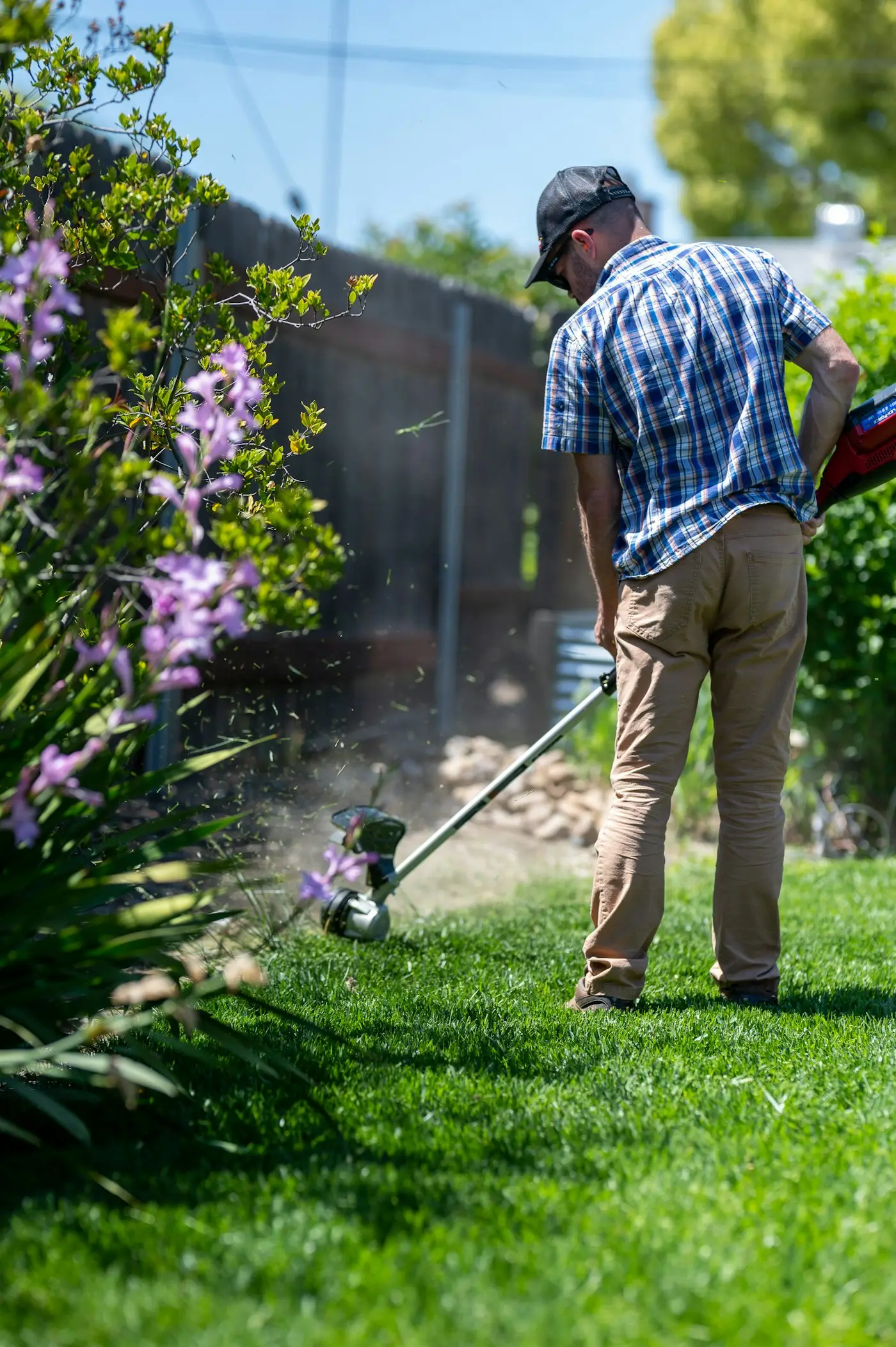
Garden pest problems are reported across Yorkshire every season, with gardeners in York, Barnsley and Bradford seeking effective solutions.
Pests are part of gardening everywhere in Britain, but Yorkshire's combination of heavy clay soil, high rainfall, cool summers, and dense housing creates a specific set of pest pressures that differ in character and intensity from those in drier, sunnier parts of the country. Slugs and snails are the single biggest pest problem in Yorkshire gardens by a wide margin - the clay holds moisture, the rainfall keeps it topped up, and the enclosed terraced gardens of Leeds, Bradford, and Sheffield provide ideal sheltered habitat. But slug control is only the beginning. Vine weevil is devastating to container planting on Yorkshire patios. Lily beetle has spread north and is now common across the county. Box tree caterpillar, which arrived in Yorkshire around 2019-2020, has become a serious threat to box hedging throughout the region. Lawn-damaging grubs - chafer and leatherjackets - are widespread on Yorkshire's heavy clay soils.
This guide covers the pest landscape that Yorkshire gardeners actually face, the conditions that make each pest more or less problematic, and the practical control methods that are currently legal and effective. Several pesticide products that were widely available five years ago have been withdrawn from sale following regulatory changes - this guide reflects what is currently permitted.
Slugs and snails: the Yorkshire number one pest
Slugs and snails are the dominant pest in wet Yorkshire years, and Yorkshire has a lot of wet years. The clay soil is a key part of the problem: clay holds moisture deep into the soil profile long after the surface has dried, meaning that slug populations remain active and feeding even during surface-dry spells. The enclosed terraced gardens of Leeds LS6, Bradford BD3, Sheffield S10, and Huddersfield HD1 - with their sheltered stone walls, consistent moisture, and abundant shelter under paving edges, plant debris, and pot bases - are close to ideal slug habitat.
Yorkshire gardeners should not expect to eliminate slugs. The goal is population management to a level where plant damage is acceptable. The most effective integrated approach:
Nematode treatment (biological control)
Nematode treatment (Phasmarhabditis hermaphroditis) is the most effective single tool for slug control in a Yorkshire garden. The microscopic nematodes are applied in water, enter the soil, and infect slugs with a fatal bacteria. They are specific to slugs and snails and do not harm birds, hedgehogs, worms, or other garden wildlife. Applied correctly - when soil temperature is at least 5C, which in Yorkshire means April through October - a single application typically provides six to eight weeks of control. Applying in April and again in September gives the best coverage across the season. Nematodes are available by mail order from several UK suppliers (Nemasys is the most widely distributed brand).
The limitation of nematode treatment is that it works best in moist soil. On dry soils it is less effective. Given Yorkshire's rainfall pattern, this is rarely a problem - the soil stays moist for most of the growing season. The cost is roughly £12-£20 per treatment for a standard garden, making twice-yearly treatment around £25-£40 per year.
Iron phosphate pellets
Iron phosphate-based slug pellets (sold under brand names including Ferramol and Growing Success Advanced Slug Killer) are currently legal in the UK and are approved for use around wildlife and pets. They kill slugs and snails through stomach poisoning and break down into iron and phosphate in the soil without accumulating in the food chain. They are considerably less effective than metaldehyde pellets (which were banned in 2022) and need to be applied more frequently and in larger quantities, but they do work as a complement to nematode treatment. Apply sparingly around vulnerable plants in spring when new growth is at risk, particularly hostas, dahlias, and newly transplanted perennials.
Metaldehyde pellets: banned from 2022
Metaldehyde slug pellets (the blue pellets sold under brands including Slug Death, Doff Slug Killer, and others) were banned for use in UK gardens from April 2022, following evidence of harm to hedgehogs, birds, and other wildlife that ingested poisoned slugs. Old stock may still exist in garden sheds across Yorkshire - these should not be used. Iron phosphate-based alternatives are the only pellet-based option currently legal for garden use. Nematode treatment and physical methods remain fully permitted and are effective.
Physical methods and garden practice
Copper tape around containers creates a mild electric barrier that slugs and snails generally will not cross. It is most effective when the tape is clean, continuous, and not bridged by overhanging foliage. Pot feet that raise containers off the ground help reduce slug access and improve air circulation. Hand-picking at night (torch and bucket method) is effective as a supplement to other control but is too labour-intensive as a sole approach in a Yorkshire garden with a significant slug population. Removing debris, leaf piles, and dense ground cover from vulnerable areas reduces the daytime hiding habitat that sustains slug populations near vulnerable plants.
Vine weevil: the container garden destroyer
Vine weevil (Otiorhynchus sulcatus) is responsible for some of the most baffling and demoralising plant losses in Yorkshire gardens: a plant that looks perfectly healthy collapses suddenly and dies, and when you lift it from the container the root ball has been eaten to nothing. The culprits are the creamy-white C-shaped grubs that live in compost and feed on roots from late summer through winter and into spring. By the time the plant wilts, the damage is done.
The adult beetle is a matt black-grey insect about 9mm long with a characteristic elbow-bent snout and grooves along the wing covers. Adults emerge from April onwards and feed at night on the leaf margins of a wide range of plants, leaving characteristic semicircular notches along leaf edges. If you see notched leaves with no visible pest (adults hide in the soil and debris during the day), vine weevil is the most likely cause. The adults are parthenogenetic - all adults are female and all can lay eggs - so a single adult can establish a population.
Yorkshire patios with large numbers of containers are the highest-risk gardens. The most effective control:
- Nematode treatment (Steinernema kraussei or S. carpocapsae): Apply in compost through watering can in August/September when soil temperatures are above 5C. The nematodes infect and kill the larvae. Apply again in April to catch any larvae that survived winter. This is the most effective available control for vine weevil larvae and is safe for use on food crops.
- Repot containers regularly: Annual repotting allows you to inspect the compost for grubs, remove any found, and refresh the growing medium. Grubs found during repotting should be removed by hand and destroyed.
- Use vine weevil-resistant compost: Some commercial composts incorporate biological control nematodes at manufacture, providing a degree of protection from the moment of planting. These are worth using for high-value container plantings.
- Physical barriers: Vine weevil trap barriers (sticky bands around container legs) reduce adult access to containers, though persistent adults will find alternative routes.
For a full treatment guide covering identification, life cycle timing, and nematode application in Yorkshire conditions, see the dedicated vine weevil in Yorkshire gardens guide.
Aphids: blackfly, greenfly, and rose aphids
Aphid populations are a consistent problem in Yorkshire gardens from April through September, with rose aphids (Macrosiphum rosae and Chaetosiphon tetrarhodum) being the most frustrating for gardeners with established rose beds. Yorkshire's cool damp summers are not ideal for aphids in the way that hot dry conditions are, but the county sees enough warm spring weather to build large aphid populations on roses, broad beans, and soft new growth across the garden.
The practical reality is that aphids rarely need chemical intervention if garden ecology is healthy. Ladybirds, lacewings, parasitic wasps, and garden birds all feed heavily on aphids and will reduce populations naturally given time and habitat. The Yorkshire garden wildlife guide covers how to create the conditions that attract these natural aphid predators.
When intervention is needed: a strong jet of water from a hose dislodges aphids effectively and does not harm beneficial insects. Insecticidal soap sprays (diluted washing-up liquid or purpose-made formulations) kill aphids on contact and are acceptable for use around most vegetables and ornamentals. Avoid broad-spectrum insecticides (including pyrethroid-based products) on flowering plants, as they are highly harmful to pollinators. For severe rose aphid infestations early in the season before natural predators have built up, an aphicide that specifically spares beneficial insects (such as a fatty acid-based product) is the most targeted option.
Lily beetle: now established across Yorkshire
Lily beetle (Lilioceris lilii) has spread progressively north from its original stronghold in south-east England over the past twenty years and is now firmly established across Yorkshire. It is a striking insect - brilliant scarlet with black legs and antennae - that is easy to identify on sight, though it is adept at dropping off the plant and hiding in the soil when disturbed. The larvae are protected under a covering of their own excrement, which is as unpleasant as it sounds but also makes them harder to see on damaged foliage.
Both adults and larvae feed on lilies (Lilium) and fritillaries (Fritillaria). A severe infestation can strip a plant completely within days. Control: hand-pick adults and larvae regularly from late April through to September - check the undersides of leaves as well as the upper surfaces. Drop picked beetles into a container of soapy water rather than onto the ground, as they will simply re-access the plant. There is no effective biological control for lily beetle currently available for garden use. Insecticidal treatment (fatty acid spray or pyrethroid, the latter avoiding use on open flowers) provides short-term control but needs repeated application as adult beetles fly freely from garden to garden.
Box tree caterpillar: now widespread in Yorkshire
Box tree caterpillar (Cydalima perspectalis) arrived in the UK around 2011 and reached Yorkshire around 2019-2020. By 2024-2025 it had become widespread across the county, including in gardens in Harrogate, York, Leeds, Sheffield, and Wakefield. It is now one of the most serious threats to box hedging (Buxus sempervirens) and ornamental box topiary in the region.
The moth is attractive, with distinctive white and brown-purple wings, but the caterpillars are destructive. They feed in webbing inside the box foliage and can rapidly strip plants to bare stems. A large plant that has been allowed to build a substantial infestation can be killed within a single growing season. Signs to look for from April onwards: fine white webbing inside box growth, green-yellow caterpillars with black and white markings (typically 40mm long when mature), and rapid defoliation or bare patches developing in the interior of box plants.
Current control options:
- Hand removal: Effective at low infestation levels. Remove caterpillars and webbing by hand and destroy.
- Bacillus thuringiensis (Bt) spray: An organic-approved bacterial spray that kills caterpillars when ingested. Apply to the foliage and interior of the box when caterpillars are present. Repeat as needed through the growing season. Available as Dipel or similar Bt-based products.
- Nematode spray (Steinernema carpocapsae): Applied as a spray directly to the foliage, this can be effective against young caterpillars. Less effective against larger instars.
- Pheromone traps: Traps baited with box tree moth pheromone can catch adult males and reduce mating success, limiting the next generation. Useful as a monitoring and partial-control tool rather than a primary control.
Check box plants monthly from April to October in Yorkshire. Early detection and quick response dramatically reduces the damage. For gardens with significant box hedging, a regular garden maintenance contract that includes pest monitoring is the most reliable way to catch infestations before they cause major damage. The garden maintenance service covers this kind of ongoing plant health monitoring.
Woolly aphid on apple trees
Woolly aphid (Eriosoma lanigerum) is common on apple trees in Yorkshire domestic gardens and allotments. It is identifiable by the white woolly wax covering that the colonies produce on the bark of branches and stems - it looks like small tufts of cotton or mould on the wood. The aphids themselves live beneath the wax. Infestations cause galls and swellings on the bark that can harbour other disease organisms and reduce the vigour of affected branches.
Control: a stiff brush dipped in methylated spirits or insecticidal soap applied directly to the colonies is effective at small scale. Larger infestations on tall trees are harder to treat manually and a targeted spray of fatty acid-based insecticide to the affected areas at green bud stage (before flower) is more practical. The natural predator of woolly aphid is a parasitic wasp (Aphelinus mali) that is established in the UK and provides biological control where populations are allowed to build up - avoid broad-spectrum treatments that would eliminate this predator.
Honey fungus: identification and management in Yorkshire
Honey fungus (Armillaria species) is one of the most serious plant diseases in Yorkshire gardens and is spreading. It is a soil-borne fungal pathogen that attacks woody plants, spreading from plant to plant through rhizomorphs (bootlace-like fungal strands that travel through the soil). The visible signs are autumn fruiting bodies - honey-coloured toadstools that appear around the base of affected trees and shrubs - and white mycelium under the bark at ground level with a characteristic mushroom smell.
There is no fungicide treatment approved for honey fungus in UK gardens. Management is based on removing affected plants and their root systems as completely as possible to prevent spread, and choosing resistant plants for replanting. The RHS maintains a list of plants with relative honey fungus resistance; generally, plants in the grass, bamboo, and fern families are resistant, while many woody shrubs and trees are susceptible. If honey fungus is identified in a Yorkshire garden, professional advice is worthwhile before making replanting decisions. The garden clearance service can assist with root removal from affected areas.
Chafer grubs and leatherjackets: lawn damage in Yorkshire
Two soil-dwelling grubs cause the characteristic lawn damage that many Yorkshire homeowners notice in late summer and autumn: brown patches that lift like a loose mat, with underlying roots eaten away, often followed by bird and animal digging (foxes, crows, magpies, and badgers all dig for grubs).
Chafer grubs are the larvae of chafer beetles (Phyllopertha horticola and Melolontha melolontha being the most common in Yorkshire). They are C-shaped, white or cream grubs with orange-brown heads, living in the top 10cm of soil and feeding on grass roots from late summer through to the following spring. Leatherjackets are the larvae of crane flies (daddy longlegs) - grey-brown, cylindrical, legless grubs that similarly feed on grass roots and are particularly common on Yorkshire's heavy clay soils, where the moist conditions suit crane fly egg-laying.
Both can cause significant lawn damage. The patch will feel spongy underfoot in late summer, and lifting the turf reveals the grubs below. In severe infestations, the turf separates entirely from the soil because the root system has been destroyed.
Control options:
- Nematodes (Steinernema feltiae for leatherjackets; Heterorhabditis bacteriophora for chafer grubs): Applied in late August/September when grubs are young and soil is moist and above 12C (for chafer grubs) or above 5C (for leatherjackets). These are the most effective currently available treatments for both pests. Apply through a watering can at the recommended rate, water in thoroughly, and keep the soil moist for the first two weeks post-application.
- Chemical options: There are currently no pesticides approved for amateur use against lawn grubs in the UK. All former imidacloprid-based products have been withdrawn. Nematodes are the only effective option currently available.
For Yorkshire lawn care and recovery after grub damage, including overseeding and recovery treatments, the Yorkshire lawn care guide covers the seasonal programme. For a detailed treatment guide focused on leatherjackets specifically - timing, nematode application, and what to do after treatment - see the leatherjackets in Yorkshire lawns guide.
Pest control quick reference for Yorkshire gardens
| Pest | Yorkshire risk level | Best organic/biological control | Key timing |
|---|---|---|---|
| Slugs and snails | Very high (clay + rainfall) | Nematodes (Phasmarhabditis); iron phosphate pellets | April + September applications |
| Vine weevil (larvae) | High (container gardens) | Nematodes (Steinernema kraussei) to compost | August/September main treatment; April follow-up |
| Rose aphids | Medium-high | Encourage ladybirds; water jet; insecticidal soap | April-June peak; natural control builds June-July |
| Lily beetle | Medium (now widespread) | Hand-pick adults and larvae; check undersides of leaves | April-September; check weekly on lilies |
| Box tree caterpillar | High (Yorkshire-wide 2024+) | Bt spray; hand removal; pheromone traps | April-October; monthly inspection of all box |
| Woolly aphid (apple) | Medium | Brush + soap; fatty acid spray before flowering | Green bud to petal fall; avoid open flower treatment |
| Chafer grubs | Medium-high (clay lawns) | Nematodes (Heterorhabditis bacteriophora) | August-September; soil above 12C |
| Leatherjackets | High (clay Yorkshire soils) | Nematodes (Steinernema feltiae) | August-October; soil above 5C and moist |
| Honey fungus | Increasing (Yorkshire-wide) | Remove affected plants and roots completely; replant with resistant species | Identify by autumn fruiting bodies; act the following spring |
When to call a professional
Most garden pest problems in Yorkshire can be managed by a competent and attentive gardener following the methods above. The situations where professional involvement adds genuine value are:
- Honey fungus confirmed in a garden with significant mature tree and shrub planting - the decision about what to remove, what to retain, and what to replant benefits from professional assessment
- A large box hedge with serious box tree caterpillar infestation that requires systematic treatment of a long run of hedging beyond what a householder can reasonably apply manually
- Significant vine weevil damage across many containers on a large patio, where systematic repotting, nematode treatment, and monitoring of all affected containers requires coordinated effort
- Chafer or leatherjacket damage across a large lawn area that needs nematode treatment, followed by reseeding of the damaged sections
A garden that is regularly maintained and monitored catches pest problems early, before they develop into the kind of severe infestation that requires significant intervention. The regular garden maintenance service provides this ongoing monitoring as part of a standard maintenance visit. For one-off pest assessment and treatment, the garden clearance service can address the consequences of severe infestations - removing heavily affected plants and preparing for replanting. For advice on planting schemes that are more resistant to the common Yorkshire pests, the borders and planting service covers plant selection with pest resilience in mind.
Frequently Asked Questions
Why are slugs such a big problem in Yorkshire gardens?
Yorkshire's heavy clay soil holds moisture long after surface conditions have dried, keeping slugs active through periods that would reduce their activity in sandier or better-draining soils. The county's high rainfall - 700-1,400mm per year depending on location - maintains the consistently moist conditions that slugs require. Enclosed terraced gardens in Leeds, Bradford, and Sheffield provide ideal sheltered habitat with year-round moisture and abundant cover. Nematode treatment in April and September is the most effective control for Yorkshire slug conditions.
What is the best method for slug control in a Yorkshire garden?
Nematode treatment (Phasmarhabditis hermaphroditis, available from Nemasys and other suppliers) applied in April and September is the most effective single tool. Combine with iron phosphate pellets around vulnerable plants and physical barriers (copper tape, pot feet) on containers. Metaldehyde pellets are banned in the UK since 2022 and should not be used.
What is vine weevil and how do I know if I have it?
Vine weevil adults leave distinctive notched semicircular bite marks on leaf edges, feeding at night. The larvae live in compost and eat roots from late summer through spring - the first sign of serious larval damage is a healthy-looking plant that suddenly wilts and collapses. Shake any collapsing container plant out and inspect the compost for creamy-white C-shaped grubs. Nematode treatment to the compost in August/September and again in April is the most effective control.
Is box tree caterpillar now common in Yorkshire?
Yes. Box tree caterpillar is now widespread across Yorkshire following its arrival around 2019-2020. Check all box hedging and topiary monthly from April to October for webbing, caterpillars (green-yellow with black and white markings), and rapid defoliation. Bacillus thuringiensis spray is the most effective organic control; pheromone traps help reduce adult populations. Early detection prevents serious plant loss.
Related reading
- Garden wildlife in Yorkshire - attracting natural pest predators
- Yorkshire lawn care guide - grub damage, recovery, and seasonal management
- Weed control in Yorkshire gardens
- Clay soil gardening in Yorkshire
- Garden maintenance service
- Borders and planting service
Get your Yorkshire garden assessed by a local expert.
60-second form, free to you. A local gardener who knows Yorkshire pest conditions will advise on the right treatment plan.
Start the assessment