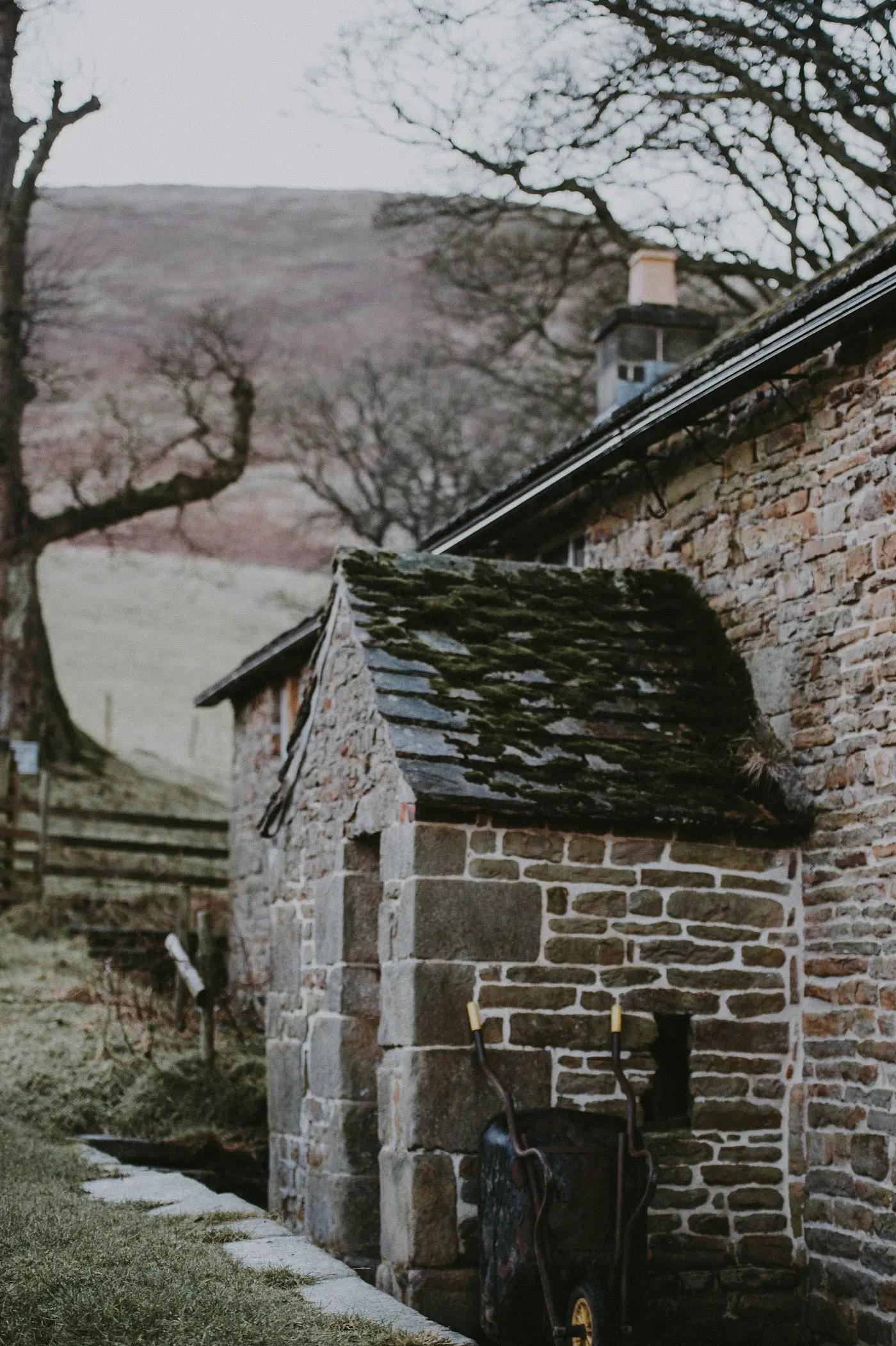
Great Ouseburn is a small North Yorkshire village in the YO26 postcode, positioned between Boroughbridge to the north-east and Knaresborough to the south. It sits on the flat Vale of York plain near the River Ouse, in genuinely agricultural country. The village has a mix of older stone and brick properties and a small number of newer houses, most with gardens that benefit from the rich alluvial soil of the Ouse valley. Like neighbouring Tockwith and the other YO26 plain villages, Great Ouseburn gardens tend to be more productive and faster-growing than those in the clay belt to the south - and that productivity creates its own maintenance demands, particularly through the long Yorkshire summer when grass and hedges grow quickly on fertile alluvial ground.
How Much Does a Gardener in Great Ouseburn Charge?
| Service | Great Ouseburn (YO26), 2026 | Notes |
|---|---|---|
| Hourly rate (maintenance) | £26-£42/hr | Rural villages may carry a small travel premium |
| Fortnightly maintenance visit | £42-£80 | Larger rural plots push toward higher end |
| One-off grass cut | £28-£65 | Plot-size dependent |
| Hedge trimming | £55-£180 | Many YO26 village properties have extensive boundaries |
| Garden clearance | £200-£550 | Fertile soil produces robust weed growth; fixed quote after visit |
| Lawn treatment | £65-£140 | Aeration beneficial on productive alluvial lawns |
Great Ouseburn Gardens: Soil, the Ouse, and What They Mean
The soil around Great Ouseburn is some of the most productive in Yorkshire - deep alluvial deposits laid down over centuries of river flooding have created a silty loam that is fertile, moisture-retentive and easy to work for most of the year. That productivity is a genuine garden asset: borders grow lushly, lawns establish readily from seed, and fruit trees and vegetables perform well. It is also why things get out of hand quickly if maintenance lapses.
The proximity to the River Ouse brings a flood consideration for the lowest-lying properties in the parish. The Ouse has flooded significantly in recent years in its middle reaches between York and Boroughbridge, and some gardens in this area are within or adjacent to the Environment Agency's flood zones. If your garden has ever been affected by flood water, lawn recovery involves specific steps: silt removal from the surface, hollow-tine aeration to relieve compaction, and overseeding once the ground has dried and settled. A local gardener familiar with Ouse valley flood recovery will know this sequence; one who is not may simply try to mow or plant into damaged ground that needs treatment first.
Kitchen gardens and vegetable plots in YO26 villages
The fertile Vale of York soil is outstanding for vegetable growing, and several Great Ouseburn properties include established kitchen garden areas. If yours has a productive vegetable plot that has been neglected - overgrown with weeds, with compacted or exhausted beds - a one-off clearance and bed renovation is a worthwhile starting investment before returning to regular productive use. The soil recovers quickly with appropriate management.
What to Look for in a Great Ouseburn Gardener
- Public liability insurance: Certificate on request, minimum £2m.
- Waste Carrier's Licence: Required for green waste removal.
- Vale of York alluvial experience: Understanding of productive silty loam conditions and the implications for weed growth, flood recovery and seasonal management.
- Plot size awareness: Many Great Ouseburn properties have larger gardens. Visit or ask about plot dimensions before quoting.
- Local references: Recent work in Great Ouseburn, Tockwith, Boroughbridge, Aldborough or nearby YO26 villages.
Questions to Ask Before Hiring
- Can I see your public liability insurance certificate?
- Do you hold a Waste Carrier's Licence?
- Have you worked on Vale of York alluvial gardens, and do you have experience with flood recovery if relevant?
- What is included in your maintenance contract?
- Can you visit before quoting on clearance or larger jobs?
- Can you show photos of recent work in YO26?
Regular Maintenance vs One-Off Jobs
A fortnightly maintenance contract from April to October is essential for Great Ouseburn gardens. The productive alluvial soil and longer Vale of York growing season mean that without regular visits through summer, grass, hedges and borders grow ahead of any catch-up effort. Monthly billing of roughly £105-£195 for a medium plot. The gardener who builds knowledge of your specific garden and soil over multiple seasons will pace their work appropriately.
For neglected or flood-affected gardens, a clearance and assessment first. On fertile alluvial soil, weed root systems are substantial. Always get a fixed quote after a site visit.
See the Great Ouseburn gardeners page for local coverage.
Frequently Asked Questions
How do I find a reliable gardener in Great Ouseburn?
A neighbour's recommendation is the starting point for a small village. If unavailable, a local introduction service for YO26 beats a national platform. Ask about insurance, Waste Carrier's Licence, and local experience before committing.
How much does a gardener in Great Ouseburn charge?
£26-£42/hr for garden maintenance. Fortnightly visits £42-£80. See the UK costs guide.
What should I look for in a Great Ouseburn gardener?
Insurance, Waste Carrier's Licence, and Vale of York alluvial experience. The productive growing conditions here mean a gardener who understands the pace of growth and the flood risk will advise and plan better than one applying a generic approach.
Do Great Ouseburn gardeners offer regular maintenance contracts?
Yes. Fortnightly contracts from April to October are standard. On productive alluvial soil, regular visits are more important here than in slower-growing areas.
Is Great Ouseburn affected by flooding, and how does that affect gardens?
Some properties near the Ouse are within the flood plain. Post-flood lawn recovery involves silt removal, aeration and overseeding rather than immediate mowing. A gardener with Ouse valley experience knows this sequence. See our garden maintenance page for seasonal care detail.
Related reading
- How much does a gardener cost in the UK?
- Garden maintenance across Yorkshire
- Hedge trimming across Yorkshire
- Garden clearance across Yorkshire
- Great Ouseburn gardeners - town overview
Gardeners in nearby areas
For structural landscaping or a full redesign, see our garden design Great Ouseburn page.
Get a quote for your Great Ouseburn garden.
60-second assessment. If a local gardener takes your enquiry, they call you with a price for your specific garden.
Start the assessment