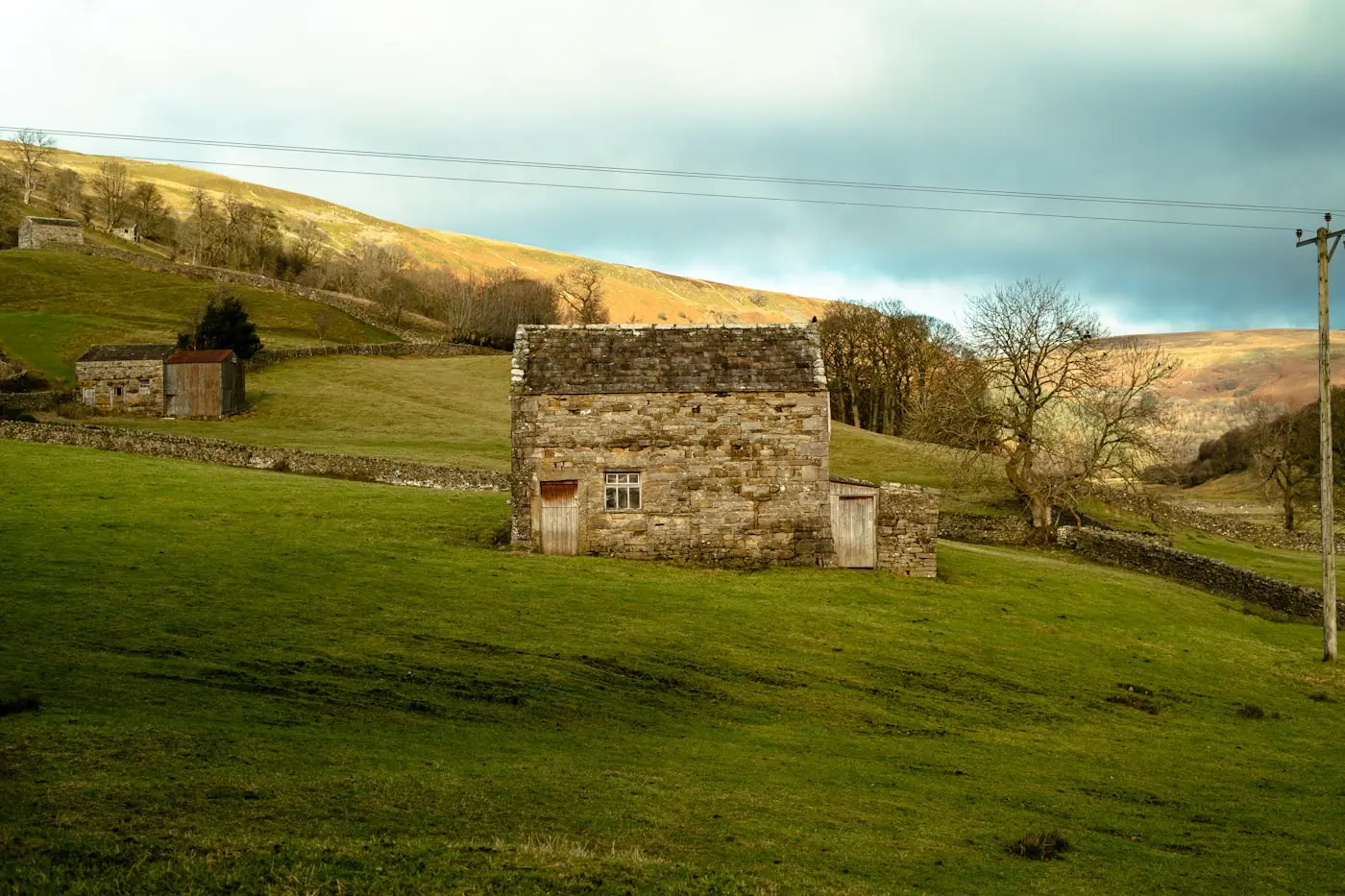
Ripley is one of the more distinctive villages in North Yorkshire. It was rebuilt in the 1820s and 1830s by Sir William Amcotts Ingilby in an Alsatian style, and the Ingilby family's relationship with Ripley Castle - which has stood in some form since the fourteenth century - has shaped the aesthetic of the entire village in ways that are still visible in every garden boundary, every formal hedge, every stone wall. The result is a place where gardening is not just incidental to living there but is part of what the village is. The walled kitchen garden at Ripley Castle is one of the most discussed productive gardens in this part of North Yorkshire, and its influence extends outward into the village itself, where larger properties often have their own walled or semi-walled garden elements, formal hedging in the estate tradition, and a general expectation of well-kept, purposeful planting. If you live in Ripley or the surrounding HG3 area and are looking for a gardener who can match that standard - someone who understands formal hedging, topiary maintenance, kitchen garden management, and the specific pressures of a rural Nidderdale setting - this guide covers what to look for, what the current rates are, and how to tell the right person from the wrong one.
What Ripley Gardens Are Actually Like
The village is made up of stone cottages and larger estate-style houses, most with gardens that were designed to reflect the formal aesthetic of the Ingilby estate rather than the more informal English cottage tradition. The majority of Ripley properties have gardens that are relatively generous by village standards, often with clear structural elements: clipped hedges defining boundaries, formal beds, lawn areas managed at a consistent standard, and in many cases some form of productive growing area.
The influence of Ripley Castle's walled kitchen garden extends into the domestic gardens of the village in a concrete way. Several of the larger properties in and around Ripley have their own walled or stone-walled garden sections - sometimes a full walled kitchen garden, sometimes a partially enclosed productive area or a formally bordered kitchen garden within a larger plot. These spaces have a quite different management character from a standard domestic border. They require a seasonal programme of soil preparation, planting, successional cropping and winter clearance that is closer to smallholder horticulture than typical garden maintenance. A gardener managing a productive walled garden needs to understand seed raising, crop rotation, soil fertility management and pest control at a level of detail that goes beyond what is needed for a standard ornamental garden.
The formal hedging in the village is equally distinctive. Yew, hornbeam, beech and box have been used for boundary and internal hedging in the estate tradition, and many of these hedges have been running for decades. They are wide, well-established, and carry the visual weight of the village's formal character. Maintaining them at the standard the village expects requires skill and consistency: cuts made at the wrong time, too aggressively, or with insufficient attention to the specific character of each species can damage a hedge that has taken years to reach its current shape. Box blight has been a significant problem in North Yorkshire over the past decade, and a number of Ripley gardens have moved from box to yew or Portugal laurel for hedging elements that need to remain resilient.
The rural setting also brings pressures that are less familiar to town gardeners. Slugs, rabbits and periodic deer incursion from the surrounding agricultural land are consistent challenges in Ripley gardens, particularly for kitchen beds and ornamental borders. A good Ripley gardener plans for these proactively, building pest management into the standard programme rather than reacting to damage after it has occurred.
The Soil and Climate at Ripley
Ripley sits on the Nidderdale fringe between Harrogate and Ripon, on millstone grit and limestone soils that are generally well-drained on higher and mid-level ground. The free-draining character of the soil is good news for garden management overall: the ground warms quickly in spring, suits cottage plants, lavender, traditional herbs and most ornamental shrubs, and rarely sits waterlogged on well-drained plots.
The Pennine exposure is the other significant climate factor. Ripley receives significantly more rainfall than towns to the east and south of North Yorkshire - the prevailing westerly weather systems bring consistent moisture off the Pennines, and the village can be exposed to brisk westerly winds that have crossed open agricultural land before reaching the garden boundaries. This wind exposure matters for both planting choices and for the practical management of formal hedges and topiary: wind-rocked plants at their early establishment stage will fail; hedges that are allowed to become top-heavy without proper annual management are more susceptible to storm damage in exposed positions.
Lower-lying plots towards the Nidd have more moisture-retentive ground that can sit wetter than the main village level after heavy rain. In the walled garden tradition, the aspect and shelter of stone walls creates genuinely different microclimates within the same property: a south-facing stone wall can add several degrees of warmth compared to open ground, allowing the cultivation of trained fruit trees, figs, and other species that would be marginal on open Nidderdale ground.
Box blight in Ripley gardens
Box blight has affected many North Yorkshire gardens with formal box hedging, and Ripley has not been exempt. If you have box hedging that is showing brown patches, defoliation, or dieback, it is worth getting a proper assessment before attempting to treat or replace. The two fungal pathogens responsible for box blight (Cylindrocladium and Pseudonectria) require different approaches, and in some cases the most practical solution is replacing box with a blight-resistant alternative. Yew makes an excellent formal hedge and topiary plant, is slower-growing but significantly more robust long-term, and carries the same estate character that box provides. Portugal laurel is a faster alternative for boundary hedging with similar formal qualities. See our cottage garden guide for planting alternatives that work in the Nidderdale climate.
What Gets Booked Most Often in Ripley
The pattern of garden work that Ripley homeowners book most consistently is shaped by the estate character of the village and the specific conditions of the Nidderdale fringe:
Formal hedge management and restoration
This is the most specialist and consistently in-demand work in Ripley. Hedge trimming in the formal tradition - yew, hornbeam, beech, shaped hawthorn - requires precise timing and confident execution. Yew is typically cut once in late summer, after the first flush of growth has hardened but while there is still enough warmth in the season for the cut to tighten up cleanly before winter. Hornbeam and beech need careful management to retain the crisp geometry of a formal hedge rather than allowing them to develop the loose, rounded character of an informal boundary. For any hedge that has been allowed to outgrow its intended shape, a staged restoration over two to three seasons is the correct approach - cutting too hard in a single season risks taking a yew or beech hedge past the point where it will recover well. Ask any gardener proposing to work your formal hedges to explain their restoration approach before they start.
Topiary maintenance
Formal topiary - balls, cones, spirals, trained shapes in yew and box - is one of the more skilled and time-consuming maintenance tasks in a Ripley garden. The skill is not just in having a steady hand with the shears but in understanding the growth habit of the species being cut, maintaining a mental model of the intended shape through each season, and knowing when to take a light pass and when to take a firmer cut to restore lost definition. Box topiary in particular has suffered from blight, and gardens switching to yew need to recalibrate their timing: yew grows more slowly and needs a different cut frequency. For more on technique and timing, see our topiary guide for Yorkshire gardens.
Kitchen garden management
Properties with walled or semi-walled kitchen gardens in Ripley often need either ongoing management support or periodic restoration work. An established productive kitchen garden that has been tended consistently is one of the most rewarding spaces in any rural property; one that has been neglected for a season or two can quickly become a labour-intensive clearance project before it can be brought back into productive use. See the walled garden guide for a full rundown of what establishing and maintaining a kitchen garden in this part of Yorkshire involves. Annual soil improvement with compost and well-rotted manure, a sensible crop rotation plan that avoids building up disease in the same beds, and a proactive pest management programme are the foundations of a productive kitchen garden that does not require heroic intervention to maintain.
Border maintenance in the cottage garden tradition
The standard ornamental borders and planting work that makes up the regular maintenance cycle in most Ripley gardens is well suited to the well-drained Nidderdale soil. Traditional cottage plants - geraniums, salvias, alliums, foxgloves, aquilegias, traditional roses, lavender, catmint - all perform well in the free-draining limestone-influenced ground with the consistent Pennine rainfall providing enough moisture through the season. Borders that have established over many years may need periodic division of congested perennials, editing of self-seeders that have taken over more than their share of space, and strategic replacement of plants that have run out of vigour. A gardener who understands the cottage garden tradition and knows how to edit rather than simply remove is genuinely valuable on established Ripley borders. For broader planting ideas, see the cottage garden guide.
Lawn treatment and maintenance
Ripley gardens with formal lawns - which is most of the larger properties - require consistent lawn maintenance to hold their quality against the backdrop of the formal hedging and structured planting that surrounds them. A lawn that is cut regularly at the right height, with edges kept crisp, and given an annual treatment programme (lawn treatment including scarification, aeration where needed, and overseeding of thin patches) holds its condition year on year with minimal intervention. A lawn that has been neglected - cut too short, left between visits in the growing season, never scarified - deteriorates quickly and requires significant renovation work to restore to a standard appropriate to the garden around it.
What Does a Gardener in Ripley Cost?
Ripley sits in the Harrogate rate band, at the upper end of North Yorkshire pricing. The specialist nature of some of the work - formal hedging, topiary, kitchen garden management - means the effective rate for more skilled jobs is higher than for standard maintenance. For context, Ripley's town page has more on local coverage.
| Rate type | Ripley (HG3), 2026 | Notes |
|---|---|---|
| Hourly rate (maintenance) | £28-£44/hr | Contract rates at the lower end; specialist formal work higher |
| Day rate (7-8 hrs) | £165-£250 | Common for hedge restoration, topiary, kitchen garden work |
| Fortnightly maintenance (full plot) | £75-£150 per visit | Formal hedging, borders and kitchen garden; contract rate |
| Fortnightly maintenance (standard) | £40-£78 per visit | Standard garden without formal hedging element; contract rate |
| Formal hedge trimming (per visit) | £70-£200 | Yew, hornbeam, beech; size, height and complexity drive price |
| Topiary maintenance (per visit) | £50-£150 | Number of pieces, complexity of shape, and access determine price |
| Kitchen garden seasonal programme | £300-£800 per season | Soil preparation, planting schedule, ongoing management; scope varies |
| Walled garden clearance and restoration | £400-£1,200 | Neglected walled garden restoration; fixed quote after site assessment |
| Border replanting (cottage style) | £180-£400 plus plant cost | Design, sourcing and planting; larger borders at higher end |
One thing worth noting about Ripley rates: the specialist skills required for formal hedging and topiary are genuinely scarce compared to the general supply of gardeners who can maintain a standard domestic plot. A gardener with demonstrable experience of formal yew hedging and estate-style topiary will command a rate towards the top of the range, and on balance that premium is worth paying. A formal hedge or topiary piece that is incorrectly managed takes multiple seasons to recover. The cost of restoration after a bad cut significantly exceeds the cost of a higher rate for the right person doing it correctly the first time.
What to Look For in a Ripley Gardener
The specific character of Ripley gardens adds some requirements beyond the standard checklist:
- Public liability insurance: Ask to see the certificate with the policy number, insurer, and cover level. Essential. For properties with significant formal hedging, mature topiary or established kitchen gardens, confirm the cover level is adequate for the potential value of what might be damaged.
- Waste Carrier's Licence: Required for any work involving green waste leaving your property. Ask for the licence number.
- Experience with formal hedging by species: Ask specifically about their experience with yew, hornbeam, and beech hedging. The right answer identifies the species by name, discusses timing, and explains the difference between a maintenance cut and a restoration cut.
- Topiary experience: If you have topiary, ask to see examples. The ability to maintain a clean geometric shape in yew or box over multiple seasons is not universal among gardeners who offer hedge trimming. It is a distinct skill worth verifying with examples before booking.
- Kitchen garden knowledge: If your property has a productive garden, ask about their approach to crop rotation, soil fertility and pest management specifically. A gardener with only ornamental experience who is offered a kitchen garden management contract will face a steep learning curve at your expense.
- Rural pest management: Ask how they would approach slug, rabbit and deer management in a rural Nidderdale setting. A blank response or a generic answer about slug pellets is not sufficient for a garden with real pressure from these sources.
Questions to Ask Before Hiring
- Can I see your public liability insurance certificate? Policy number, insurer, cover level. Non-negotiable before any work starts.
- Do you hold a Waste Carrier's Licence? Licence number if any waste leaves the property.
- Can you talk me through your approach to managing yew hedging? This question separates gardeners who know formal hedging from those who treat all hedges the same. The right answer involves timing (late summer), the extent of cut relative to the species, and a clear approach to restoration of any sections that have outgrown their intended shape.
- Have you worked with productive kitchen gardens in this part of North Yorkshire? Ask for specifics: what crop rotation approach, how they manage soil fertility, and how they handle slug and rabbit pressure in a rural setting.
- Can you show me examples of topiary work you have maintained over more than one season? Single-visit cuts are not a reliable indicator of topiary skill. Multi-season maintenance evidence is what shows whether the gardener understands how to preserve and develop a shape over time.
- Will you confirm scope in writing? What is included in the maintenance programme, what is treated as specialist or day-rate work, and what waste disposal is covered.
Red Flags When Hiring a Ripley Gardener
- No experience with formal hedging by name of species. A gardener who cannot tell you the difference between how they would approach a yew hedge and a hornbeam hedge is applying generic technique to specialist material. This is a significant risk on established formal planting.
- Offering to quote on walled garden or topiary work without a site visit. Both require a proper assessment of what is already there. Pricing without seeing the site is a signal that the gardener has not thought seriously about what is involved.
- Below-rate quotes without explanation. Ripley rates run £28-£44 per hour for maintenance, higher for specialist formal work. A significantly lower quote on formal hedge or topiary work suggests either limited experience or a misunderstanding of the scope.
- Refusal to show insurance proof. No exceptions.
- No plan for rural pest pressure. Slug, rabbit and deer management is not optional in a Ripley garden. A gardener who has not thought about it has not worked in rural Nidderdale conditions seriously.
The Ripley Garden Calendar
The Nidderdale fringe climate and the formal estate character of Ripley shape a garden calendar with more specialist timing requirements than a standard domestic garden programme:
February to March: soil preparation and early structure work
Late winter is the time for kitchen garden preparation in Ripley. Adding well-rotted manure or compost to productive beds in February, before planting begins, allows it to start integrating into the soil. Early March is the time for any structural hedge assessment - identifying sections that need more drastic intervention this season, deciding whether a topiary piece needs restoration work or just its regular cut, and planning the season ahead before growth begins. Yew and hornbeam at this point show clearly which sections need attention.
April to May: growth begins and planting season opens
April is when the ornamental borders and productive beds start generating work simultaneously. Early sowings of hardy vegetables, hardening off seedlings, border weeding as soil warms, and the first light maintenance cut of any box hedging that is coming into growth. Box gets its first trim in late spring - typically late April to May - to maintain definition before the main growth season. Ornamental planting for cottage-style borders goes in from mid-April once the last frosts have passed, though Ripley's Pennine exposure means holding back tender material until late May is the safer choice.
June to July: main growth management
The garden is in full growth and requires consistent attention. Productive beds need successional sowing, watering if rainfall is below the Pennine average, and ongoing slug and pest management. Ornamental borders need deadheading, weeding, and support for taller plants exposed to westerly winds. Lawns need regular cutting at the correct height. Hornbeam and beech hedges get their main trim in July after the first flush of growth has hardened.
August to September: the specialist hedge and lawn window
Late August to mid-September is the critical window for yew hedging and topiary. This is the timing that produces the cleanest, most durable cuts - the growth from the season has hardened, the cut will tighten up cleanly before winter, and the hedge goes into the cold months in good shape. Any second pass on box topiary happens in early September if needed. Lawn renovation - scarification, aeration and overseeding - begins in late August or September while the soil still has warmth. This is the most important single treatment window for maintaining lawn quality in Ripley's growing conditions.
October to November: kitchen garden close-down and winter preparation
The productive beds close down in October with the last harvests and a winter digging and composting cycle. Ornamental borders get their cutback, removing spent summer growth and leaving seedheads where they provide winter structure or wildlife value. A final lawn cut at a slightly higher setting closes the mowing season. Late October is also the time for any pressure washing of paths and stone surfaces that have accumulated algae through the season - dealing with them before the worst of winter weather is considerably easier than leaving it to spring.
Frequently Asked Questions
How do I find a reliable gardener in Ripley?
Word of mouth from neighbours who have had consistent seasonal work done is the strongest starting point in a small village. A local introduction service connecting you to one local gardener for the HG3 postcode is far preferable to a national platform. Ask for insurance proof, a Waste Carrier's Licence, and examples of comparable formal hedging and topiary work before committing. See the Ripley gardeners page for local coverage.
How much does a gardener in Ripley charge?
General maintenance in Ripley runs £28-£44 per hour in 2026. Day rates for specialist work run £175-£300. Fortnightly maintenance contracts for properties with formal hedging, borders and kitchen garden elements run £75-£150 per visit. See the UK gardener costs guide for regional context.
What garden work is most in demand in Ripley?
Formal hedge management and topiary on yew, hornbeam and beech; kitchen garden and walled garden maintenance in the estate tradition; ornamental border management and cottage planting; and regular lawn treatment and maintenance. See the walled garden guide and topiary guide for detailed how-to content.
Can I get topiary maintenance near Ripley?
Yes. Formal topiary maintenance is one of the specialist services available in the Harrogate and Nidderdale area. Make sure you ask for examples of multi-season topiary work before booking - the ability to maintain a shape over time is what matters, not just a one-off cut. See our Yorkshire topiary guide for timing and technique detail.
How do I manage a walled kitchen garden in Ripley?
A seasonal programme covering late-winter soil preparation, spring planting, successional cropping management, ongoing pest control and autumn clearance. See the walled garden guide for the full programme. The main local challenges are slug pressure, rabbit and occasional deer incursion, and calibrating watering to the free-draining soil character in the bed. South-facing stone walls create significantly warmer microclimates that can extend the productive season and allow species marginal on open ground.
What pest problems affect Ripley gardens?
Rural slug pressure is the most consistent challenge, particularly for kitchen beds and ornamental hostas. Rabbit pressure from surrounding agricultural land affects border plants and productive beds where fencing is incomplete. Deer incursion is periodic. A good Ripley gardener builds proactive management into the programme rather than reacting to damage. Nematode drenches for slugs in spring and autumn, physical rabbit-proof barriers at the base of boundaries, and plant selection that avoids known deer favourites where the garden is exposed are the standard approaches.
What cottage plants work well in Ripley's soil and climate?
The well-drained limestone and gritstone soil with good Pennine rainfall suits the traditional cottage palette very well. Hardy geraniums, salvias, alliums, foxgloves, aquilegias, traditional shrub and climbing roses, lavender, catmint, and most ornamental grasses establish reliably. The consistent Pennine moisture means you do not face the summer drought problems of more eastern Yorkshire plots, and the free-draining soil prevents winter waterlogging that kills many borderline-hardy plants. See the cottage garden guide for a full planting palette suited to this part of North Yorkshire.
What is the soil like in Ripley and what does it mean for the garden?
Ripley sits on millstone grit and limestone soils at the Nidderdale fringe, well-drained on the higher and mid-ground plots. This is broadly good news for garden management: the free-draining ground warms up quickly in spring, suits a wide range of plants including lavender, traditional cottage plants, and Mediterranean herbs, and rarely sits waterlogged. The significant Pennine rainfall that Ripley receives from the west keeps the soil moist through most of the year despite the free-draining character, which in practice means you rarely face the summer drought problems of more eastern Yorkshire locations. Lower-lying plots nearer the Nidd can have more moisture-retentive ground. In kitchen gardens and walled beds, the aspect and shelter created by stone walls can create notably different microclimates - south-facing walled beds can be significantly warmer and drier than open ground within the same property.
What are the red flags when hiring a gardener in Ripley?
The main ones specific to Ripley: a gardener proposing topiary or formal hedge maintenance without asking about the specific species, shape, and maintenance history - formal hedging cannot be properly managed without this information; quoting for walled garden work without visiting the site and understanding the existing soil condition, aspect and infrastructure; no experience of productive kitchen garden management if that is part of what you need; and no awareness of slug, rabbit or deer management in rural settings. The standard red flags also apply: refusal to show public liability insurance; reluctance to confirm scope in writing; and a quote significantly below the Harrogate-band rate of £28-£44 per hour without explanation.
Related reading
- Walled garden management in Yorkshire
- Cottage garden planting guide for Yorkshire
- Topiary guide for Yorkshire gardens
- Hedge trimming across Yorkshire
- Borders and planting across Yorkshire
- Garden maintenance across Yorkshire
- Lawn treatment service
- Ripley gardeners - town overview
Gardeners in nearby areas
We cover Ripley and the surrounding Harrogate and Nidderdale area:
Get a quote for your Ripley garden.
60-second assessment. If a local gardener takes your enquiry, they call you with a price for your specific garden and job.
Start the assessment