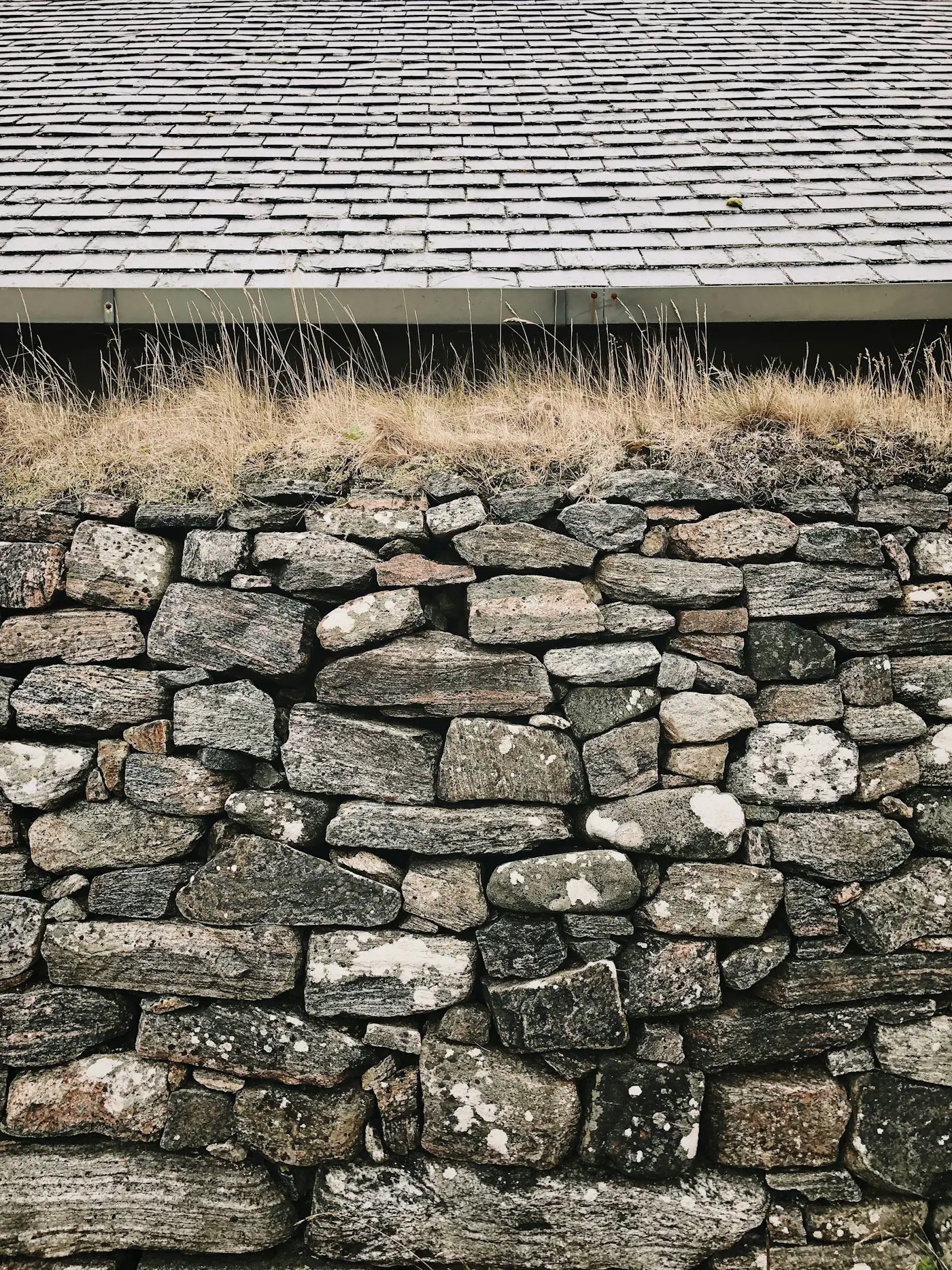
Walled gardens are a defining feature of Yorkshire estate grounds, and restoration and planting specialists can be found working on projects in Harrogate, Ripon, and Northallerton where period kitchen gardens are being returned to productive use.
The walled kitchen garden is one of the most productive and beautiful spaces a Yorkshire property can contain. Built across the county from the 17th century onwards by landed estates that needed to supply households with fruit, vegetables, cut flowers, and forced crops through the year, these enclosures were ingeniously designed to do one thing above all others: extend the growing season in a climate that would otherwise make reliable cropping difficult. The principle - stone walls absorbing solar heat during the day and releasing it overnight, creating a microclimate warmer and more sheltered than the surrounding land - is as valid today for a converted farmhouse in Nidderdale as it was for a Victorian estate in the Vale of York. If your property has surviving walled garden walls, or if you are considering creating an enclosure from scratch, this guide covers what is actually involved.
The Yorkshire walled garden tradition
Yorkshire's great walled gardens were designed by estate gardeners who understood that the county's climate - cold winters, late springs, and unreliable summers - required intervention if you wanted to produce crops that would otherwise grow easily in the south of England. The solution was stone enclosure: a box of thermal mass that moderated temperature extremes and created its own internal microclimate. The walls did not just provide frost protection; they created a structure that could be used productively from top to bottom, with trained fruit covering every aspect from full south to cool north.
The walled kitchen garden at Scampston Hall in North Yorkshire is one of the finest surviving examples in the county. The original Victorian enclosure - several acres of red-brick walling and glasshouses - has been replanted within the last two decades with contemporary perennial planting by Dutch designer Piet Oudolf, demonstrating how a historic structure can accommodate a completely modern garden aesthetic. At Brodsworth Hall near Doncaster, English Heritage has restored a late Victorian kitchen garden to a working state with original layout and cropping. At Castle Howard in the Vale of Pickering, the walled garden demonstrates the productive ambition of a great Yorkshire estate at its peak. All three are worth visiting before you finalise your own plans.
For residential properties, the scale is obviously different. A typical walled garden on a converted farmhouse or rectory might be 15 metres by 20 metres - large enough to be genuinely productive but small enough to manage without estate staff. The principles that made the great Yorkshire walled gardens work apply at any scale: aspect, thermal mass, internal organisation, and the productive use of every wall face.
The microclimate advantage: what walled enclosure actually does
South-facing stone walls in a Yorkshire walled garden can extend the effective growing season by two to four weeks compared with open ground at the same location. The mechanism is simple: stone absorbs heat during daylight hours and radiates it overnight, keeping the air close to the wall measurably warmer than the ambient temperature. In early spring, this means the soil against a south-facing wall warms fast enough to sow or plant weeks before the open garden is ready. In autumn, the retained warmth keeps ripening fruit on the tree through September and into October in conditions that would terminate the season in an exposed position.
For a Yorkshire property on the Pennine fringe - Skipton, Ilkley, Keighley, or the upper Wharfe and Aire valleys - where cold air drainage and late frosts can push the safe planting date well into May, a south-facing walled enclosure is genuinely transformative. The difference between planting out tender crops on 15 April within the enclosure versus 15 May in the open garden can mean a full extra month of production at the end of the season.
The north-facing wall is often neglected in walled garden thinking, but it is equally useful. The consistent cool, moist, shaded conditions are ideal for morello cherry (the one cherry variety that fruits reliably in shade), for trained gooseberries and redcurrants, and for plants that bolt in direct summer sun. Using north-facing walls productively is what makes a walled garden work as a whole-year food system rather than a summer kitchen garden.
Aspect guide: matching crops to walls
South-facing: espalier pear (Conference, Doyenne du Comice), fan peach or nectarine, espalier apple (Cox, Egremont Russet), climbing roses. East-facing: trained apple and pear, early strawberry beds against the base. West-facing: plum (Victoria, Marjorie's Seedling), clematis, soft fruit. North-facing: morello cherry, redcurrant, gooseberry, shade-tolerant salad crops. Interior beds: conventional kitchen garden rotation.
Yorkshire stone: understanding what you have and what you need
The stone type in your walled garden - or the stone you choose for a new build - matters both aesthetically and practically. Yorkshire's geology produces three main walling stones that you are likely to encounter on a residential property.
Millstone Grit (sandstone): the dominant stone of West Yorkshire, the Pennines, and the southern Dales. Dark grey to buff-brown, coarse-grained, hard. Very durable but can be prone to frost spalling on the exposed top surface if badly coped. Most of the historic walled gardens in the Bradford, Leeds, Harrogate, and Skipton areas are built from this stone. Matching stone for repairs is available from local quarries, with Stainton and Swinden quarries historically supplying this material, though you should specify your need to a local reclamation yard who will know current sources.
Magnesian Limestone: the pale, creamy-white stone of the strip of country running from Tadcaster through Wetherby and down towards Doncaster. Much lighter in colour and weight than sandstone, and naturally alkaline (which affects what you can grow against it - rhododendrons would hate it, but fruit trees thrive). Historic walled gardens in the Vale of York and around the Magnesian Limestone ridge are often built from this stone. It weathers beautifully but the softer varieties can be damaged by hard cement pointing.
Oolitic Limestone: encountered in the East Riding and the southern edges of the Vale of Pickering. Similar properties to Magnesian Limestone but often with a warmer buff colour. Castle Howard and many East Yorkshire walled gardens use oolitic or Magnesian limestone.
When repairing or extending existing walls, match the stone type as closely as possible. Your local reclamation yard is the first call - they will often have stone salvaged from demolition projects that matches what you have. New-cut stone from a quarry can look jarring next to weathered Victorian walling. Reclaimed stone that has already aged is almost always the better choice for repair work.
Structural work: pointing, coping, drainage
If you are taking on an existing walled garden that has been neglected, the priority list before any planting is: drainage, structural integrity, coping, then pointing. Get these in the wrong order and you will be replanting into walls that are still deteriorating.
Drainage: the most commonly overlooked issue. Old walled gardens were built with weep-holes at regular intervals near the base of each wall - small gaps in the mortar, typically 450mm apart, that allowed ground water to drain through rather than building up behind the wall and causing frost-heave damage. If your walls are leaning or bulging at the base, the most likely cause is drainage failure rather than foundation subsidence. Check that weep-holes are clear, and clear or reinstate them before doing any other structural work.
Pointing: failing mortar - crumbling, missing, or hard modern cement that traps moisture behind it - is the next priority. Old stone walls were originally pointed with lime mortar, which is softer and more flexible than Portland cement and allows the wall to breathe and move slightly with temperature changes. Re-pointing with modern cement is one of the most common mistakes in stone wall restoration: it looks neat initially but traps moisture behind the harder mortar, accelerating stone deterioration. Use a lime-based mortar matched to the original, and hire a mason with experience in traditional stone work. In York, Leeds, and the Dales, there are specialist dry-stone and lime mortar wallers who know this work well - ask for references and examples of previous stone restoration work specifically.
Coping: the top course of stone or tile protects the wall from water penetration. Saddle-back coping (a ridge-topped stone, like an inverted V in cross-section) is the traditional Yorkshire detail and sheds water away from both faces. If coping stones are missing or broken, sourcing matching reclaimed pieces is usually possible through reclamation yards. Avoid using concrete coping on a traditional stone wall - it looks wrong and the hard material can damage the softer stonework below it over time.
New walled gardens: period style at residential scale
If your property does not have an existing walled enclosure but you want to create one, the first question is cost. New period-style walling in Yorkshire sandstone or limestone, properly laid and coped, costs £200-£300 per linear metre for a 2-metre wall, including foundations and pointing. A modest enclosure of 15 metres by 15 metres would require 60 linear metres of wall - at £250/m, that is £15,000 for the walling alone, before any groundworks, gate, planting, or irrigation. A 20m by 20m enclosure rises to £20,000+ for the walls. This is serious money, and it justifies a proper design process rather than an ad-hoc build. See the garden design service for how to approach a project of this scale.
Many homeowners achieve the walled garden aesthetic at lower cost by using combinations of existing boundaries - a farmhouse stone barn on one side, existing boundary walls on two sides, and only one new wall required to complete the enclosure. This pragmatic approach keeps costs manageable while delivering the microclimate and structural advantages of enclosure. Working with a garden designer in Harrogate or the area near your property will help you identify which existing elements can anchor the design.
For planning purposes, walls up to 2 metres high in most residential garden contexts fall within permitted development. The exceptions are: walls adjacent to a highway (limited to 1 metre without consent), listed buildings (any alteration requires listed building consent), and conservation areas (heightened scrutiny, check with your council). Given that many Yorkshire properties with historic walled gardens are in conservation areas or are themselves listed, the planning question is worth asking before you commission any design work.
Traditional kitchen garden layout within a walled enclosure
The classic layout of a productive walled kitchen garden is the quadrant system: the enclosure divided by two central paths at right angles, creating four equal growing beds. A central feature - traditionally a sundial, a circular pond, or an ornamental plant - marks the crossing. Each quadrant rotates through a four-year vegetable rotation (brassicas, legumes, roots, potatoes) while the perimeter beds against the walls hold permanent fruit, trained trees, and perennial crops. Trained fruit on the walls themselves completes the productive structure.
The central paths should be wide enough for a wheelbarrow and comfortable working - 1.2 to 1.5 metres is the practical minimum. Secondary paths between beds within each quadrant can be narrower (600-800mm). Path surfacing in a Yorkshire stone walled garden is ideally flagged with local sandstone or limestone, though gravel over a weed-suppressing membrane is a practical and considerably cheaper alternative that ages well if you use local gravel colour-matched to the stone.
Cold frames against the south-facing wall were a standard feature of Victorian Yorkshire kitchen gardens and are still one of the most effective ways to extend the season for tender seedlings. A traditional brick cold frame with a tilting glass light - or a more affordable modern equivalent in aluminium and polycarbonate - positioned against the south wall allows you to harden off seedlings in March and April before the last frost risk has passed. This single addition can make a significant difference to how early you get crops established in the open ground.
For the complete picture of what to grow within a productive walled enclosure, the kitchen garden Yorkshire guide covers crops, fruit varieties, growing calendar, and soil management in detail.
Modern interpretations: contemporary design within stone walls
Not every property with an old walled garden wants to return to a Victorian kitchen garden layout. Contemporary courtyard garden design within a historic stone enclosure can be spectacular - the contrast between old stone walls and modern planting, contemporary hard materials, and architectural planting is one of the most satisfying combinations in garden design.
The key principle for a contemporary interpretation is that the walls do most of the design work. A historic stone enclosure already provides scale, texture, enclosure, and character that would cost a fortune to build from scratch. The internal design should respond to those walls rather than compete with them. Low, clean-lined beds, restrained planting that reads clearly against the stone, and a limited palette of hard materials all work well. Ornamental grasses, repeat-planted perennials (Salvia nemorosa, Pennisetum, Echinacea), and architectural shrubs look particularly strong against the backdrop of warm Yorkshire stone.
If you are working with an existing walled enclosure and want to explore the design options, the Yorkshire garden design ideas guide covers both traditional and contemporary approaches. The cost of a garden designer in Yorkshire guide explains what to expect to pay for professional design work at various levels of complexity.
Costs at a glance
| Task | Typical cost | Notes |
|---|---|---|
| New Yorkshire stone walling | £200-£300/m | Includes foundations and coping; reclaimed stone adds cost |
| Wall restoration (pointing, coping) | £60-£120/m run | Lime mortar, skilled mason; higher for extensive repair |
| Small walled garden restoration | £3,000-£8,000 | Clearing, repointing, replanting a neglected enclosure |
| Full new enclosure (15x15m) | £15,000-£25,000+ | Walling only; planting, groundworks, and gates extra |
| Espalier fruit tree supply and plant | £80-£150 per tree | 3-4 year trained specimens; wires and fixings extra |
| Garden design for walled garden project | £1,500-£4,000 | Full design including planting scheme and layout plan |
Planting the walls: fruit and climbers
The trained fruit on the walls is what distinguishes a walled garden from an ordinary garden. Getting the training structure right before you plant is essential - retrofitting wires and fixings to a stone wall once climbing plants have established is very difficult work.
For horizontal espalier training on a south or east-facing wall, fix horizontal galvanised wires at 400mm vertical intervals, tensioned between vine eyes drilled and fixed into the mortar joints. The wires should sit 75-100mm out from the wall face to allow air circulation behind the plant (a common cause of fungal disease in trained fruit is poor air movement at the wall). On a 2-metre wall, you can fit four to five tiers of espaliered apple or pear, which is a highly productive configuration per linear metre of wall.
For fan-training on a south-facing wall - the appropriate method for stone fruits like peach, nectarine, and morello cherry - a framework of canes attached to the horizontal wires guides the initial framework of branches into the fan shape. Fan-trained fruit takes three to four years to develop a productive framework; buy part-trained 2-3 year specimens from a specialist fruit nursery rather than starting from bare whips, which extend the non-productive establishment period unnecessarily.
Apple varieties suited to Yorkshire walled garden conditions include Egremont Russet (dessert, heavy cropper, partially self-fertile), Cox's Orange Pippin (dessert, needs a pollination partner), Bramley's Seedling (culinary, vigorous, needs two pollinators), and James Grieve (good all-round dessert/culinary, very reliable in the north). For pears, Conference is the most reliable cropper in a Yorkshire climate - partially self-fertile and crops well without a partner, though yields improve with a pollinator. Doyenne du Comice is finer-flavoured but needs a warm wall and a pollinator.
When to bring in professional help
Walled garden restoration sits at the intersection of structural repair (masonry), landscaping (groundworks, paths, drainage), and horticulture (planting design, trained fruit). Very few contractors span all three, which is why walled garden projects benefit from professional design coordination. A garden designer who has worked on Yorkshire historic properties will know the specialist masons, understand the planning implications, and produce a design that sequences the work correctly - structural repair first, then groundworks, then planting.
The garden design service covers projects of this complexity across the county. If you are at an earlier stage and want to understand what your walled enclosure is worth restoring, a garden designer's initial site visit and appraisal is the right first step. For the planting installation once the structural work is complete, the borders and planting service handles trained fruit installation, bed preparation, and ornamental planting.
Frequently Asked Questions
How much does it cost to restore a walled garden in Yorkshire?
A small residential walled garden restoration - repointing existing stone, clearing overgrowth, replacing coping, and replanting - typically runs from £3,000 to £8,000. New period-style walling costs £200-£300 per linear metre including foundations and coping. Most homeowners focus on restoring existing walls rather than building from scratch, which keeps costs in a more manageable range. Get a proper structural survey of the walls before committing to a budget.
Do walled gardens need planning permission in Yorkshire?
Walls up to 2 metres high in most garden settings fall within permitted development. The exceptions are walls adjacent to a highway (limited to 1 metre), listed buildings, and conservation areas - all of which require consent. Many historic walled gardens in Yorkshire sit within conservation areas, so always check with your local planning authority before starting structural work.
What should I plant on the south-facing wall of a walled garden?
South-facing walls extend the Yorkshire growing season by up to four weeks - ideal for espalier pear (Conference, Doyenne du Comice), fan peach or nectarine, and espalier apple (Cox, Egremont Russet). For the north-facing wall, use morello cherry (shade-tolerant and self-fertile) and soft fruit including blackcurrants and gooseberries. East-facing walls suit apple and early strawberry beds; west-facing walls work well for plum and soft fruit.
Which Yorkshire walled gardens can I visit for inspiration?
The walled kitchen garden at Scampston Hall is one of the finest in Britain, replanted with contemporary perennial planting by Piet Oudolf within the original Victorian enclosure. Brodsworth Hall near Doncaster (English Heritage) demonstrates a restored Victorian kitchen garden layout. Castle Howard's walled garden shows the scale of a great estate. RHS Harlow Carr in Harrogate shows what thrives in Yorkshire's upland conditions year-round.
Which Yorkshire walled gardens can I visit for design inspiration?
Yorkshire has several outstanding surviving walled gardens open to the public. The walled kitchen garden at Scampston Hall in North Yorkshire is one of the finest in the country, replanted by Piet Oudolf with contemporary perennial planting within the original stone enclosure. The walled garden at Brodsworth Hall near Doncaster (English Heritage) is a good example of a restored Victorian kitchen garden layout. Castle Howard's walled garden in the Vale of Pickering demonstrates the scale of a great estate kitchen garden. RHS Harlow Carr in Harrogate, while not strictly a walled garden, shows what thrives in Yorkshire's climate at a comparable elevation to many residential Pennine-fringe gardens.
Related reading
- Creating a kitchen garden in Yorkshire - productive growing guide
- How much does a garden designer cost in Yorkshire?
- Garden design in Harrogate and North Yorkshire
- Yorkshire garden design ideas - styles, materials and approaches
- Garden design across Yorkshire
Ready to plan your walled garden project?
A local Yorkshire garden designer can assess your walls, advise on restoration costs, and produce a planting scheme. Get a quote in 60 seconds.
Start the assessment