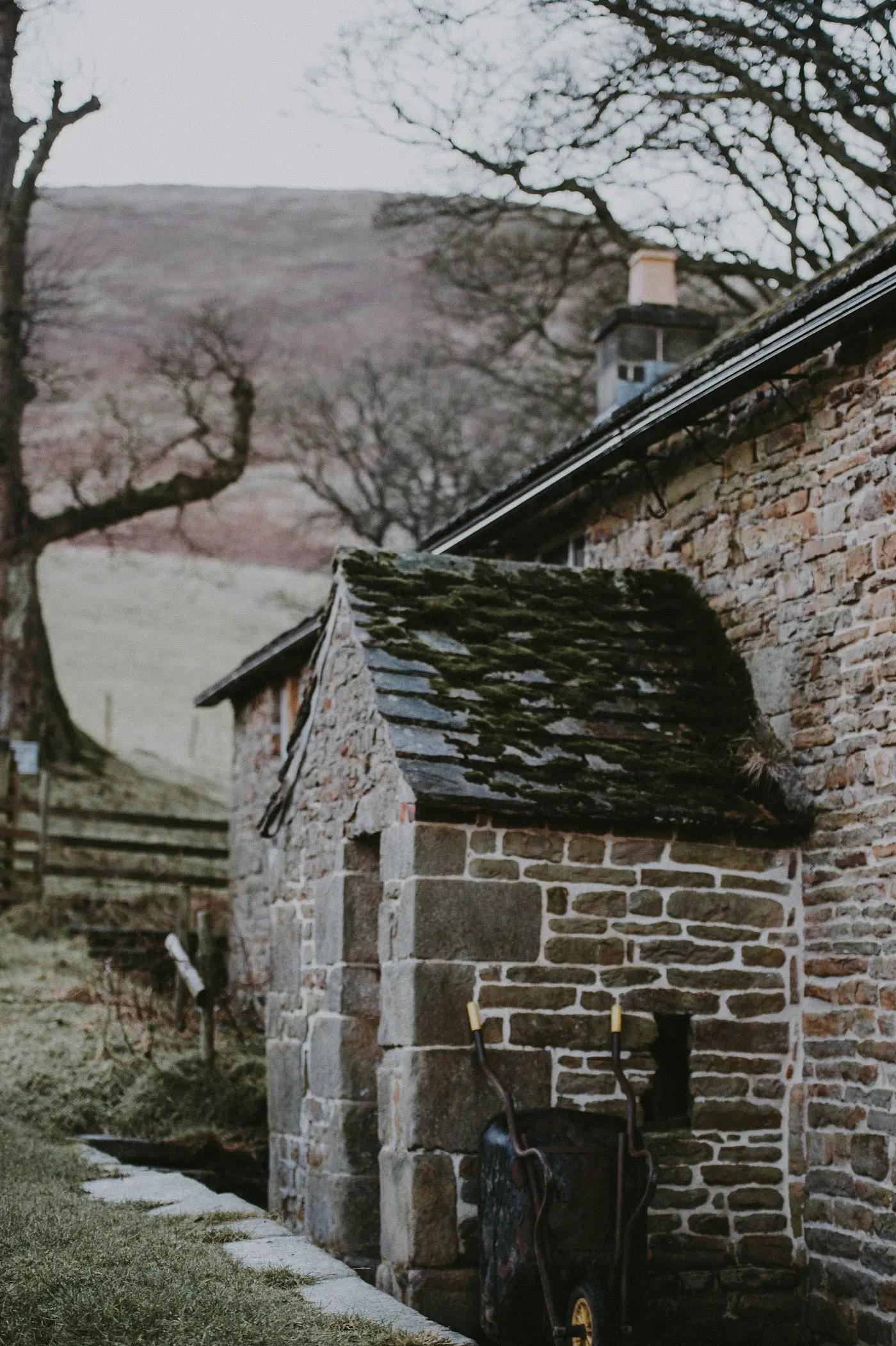
Rothwell is a well-established commuter suburb southeast of Leeds, sitting in the LS26 postcode that also takes in Robin Hood, Lofthouse, Woodlesford, Oulton, and the adjacent villages towards Castleford. It is a diverse area in terms of housing and garden character: old stone-built terraces and Victorian properties in the Rothwell town centre, 1930s detached and semi-detached houses in Robin Hood and parts of Lofthouse, post-war estate housing in various parts of LS26, and newer executive development on the Thorpe Park corridor off the A642. The train from Woodlesford to Leeds runs frequently, making this an increasingly popular choice for Leeds commuters, and a significant number of households have gardens that have been handed down through several owners without ever having been professionally assessed or properly managed.
Gardening conditions in Rothwell
The soil across LS26 is not uniform, and which part of Rothwell your garden is in matters more than you might expect. On the lower ground - particularly towards Woodlesford and the Aire valley, and on the streets that descend towards the river - the soil is Coal Measures clay: heavy, dark, and compacting. This is the same geology that runs through Garforth, Normanton, and the broader West Yorkshire coalfield corridor, and it has the same set of garden implications. Lawns on lower-ground clay in LS26 compact under foot traffic over time, waterlog readily after wet winters, and thin out in the way that is so familiar to homeowners across this part of Yorkshire.
On higher ground - the Robin Hood and Lofthouse areas, and the elevated parts of Oulton - the soil transitions to better-draining sandy-clay that is noticeably more forgiving. Lawns here recover faster after wet weather, drain more freely, and are less prone to the aggressive moss establishment that characterises the heavier clay soils lower down. The Oulton area in particular has some of the better-draining soils in the LS26 postcode. If your garden is in this part of LS26 and you have been struggling with persistent damp, it may be worth having the soil assessed before assuming heavy clay is the explanation.
Properties near Woodlesford station and along the Aire valley floor face a different challenge: flood risk and high water tables. The land immediately adjacent to the Aire is low-lying and has flooded historically, and even properties that do not flood directly can have water tables that keep the subsoil saturated for extended periods through winter. If your garden is in this area and has persistent wet patches, proper drainage assessment is worth considering alongside standard garden maintenance. A gardener who has worked this part of LS26 will recognise the pattern and advise accordingly.
The LS26 postcode also takes in Methley, Carlton, and Mickletown to the east, where the character shifts to a more rural agricultural edge. Some of the older properties in this area have sizeable garden plots attached, more akin to a large village plot than a suburban garden. These are often the more interesting garden jobs in the LS26 area - established mixed plantings, old kitchen gardens, mature boundary trees - but they can also have the most work involved in bringing them back to good order after a period of low maintenance. For guidance on what the Yorkshire lawn care calendar looks like across different soil types, and what seasonal work makes sense on both heavy clay and better-draining soils, that guide covers the full year.
One practical note on the newer developments along the A642 Thorpe Park corridor: these modern homes typically have smaller gardens - often paved or landscaped rather than traditional lawn - and may need less maintenance than the older town-centre properties. However, where new-build gardens do have lawn areas, builder's fill and shallow topsoil over consolidated ground can create similar conditions to post-war estate soil - unpredictable drainage and thin, struggling grass despite good care. A gardener with experience on new-build LS26 plots will recognise this and know whether topsoil improvement or drainage work would help.
Finding a gardener in Rothwell
Rothwell is established enough as a commuter suburb that local gardening reputation does travel, though the diversity of housing types and the number of newer residents means that word of mouth is slightly less dominant here than in smaller, more cohesive communities like Featherstone or Hemsworth. If your neighbour's garden looks consistently well-maintained, asking who does it is still the most straightforward starting point. Two seasons of observed results on the same soil type and in the same microclimate as your own garden is a better endorsement than any platform rating.
For those without a local recommendation - new arrivals to the area, people who have recently bought a property with an established garden, or those whose previous gardener has retired or stopped trading - a local introduction service that connects you to a single vetted gardener covering LS26 is considerably better than a national lead platform. National platforms forward your enquiry to multiple contractors simultaneously, triggering competing calls from people who may have no knowledge of LS26's varied soil conditions, no familiarity with the Woodlesford flood risk zone, or no experience with the specific character of the Victorian and Edwardian stone-built properties in old Rothwell town. The best gardeners in an area like Rothwell fill their regular schedules through reputation. They are not the ones aggressively buying leads on national platforms.
For the full guide on evaluating and vetting any gardener before committing, the Yorkshire gardener vetting guide covers the key questions and the documentation to request. For a wider picture of finding garden help across the county, finding a gardener across Yorkshire covers the main approaches.
Oulton Hall and the garden expectation effect
Oulton Hall - the Grade II listed country house and golf course on the edge of Oulton - has a visible influence on the expectations of adjacent residential homeowners. Properties on and around Oulton Hall Lane and the neighbouring streets tend to have well-maintained gardens and a preference for a consistently tidy, high-standard finish rather than occasional intervention. If you are in this part of LS26 and want a gardener who will maintain a standard that fits the neighbourhood, make that expectation explicit from the outset and ask whether the gardener has experience with properties of similar ambition in the LS26 area.
What garden work gets booked in Rothwell
Regular fortnightly garden maintenance from April to October is the most common arrangement across LS26. A standard maintenance visit covers lawn mowing and edging, border weeding and light pruning, path sweeping, and seasonal adjustments through the year. The diversity of housing types in LS26 means the gardens being maintained are quite varied in character - from the compact rear gardens of Rothwell town-centre terraces to the larger, more open plots of the 1930s detached houses in Robin Hood and the agricultural-edge plots around Methley and Carlton - but the core maintenance routine is broadly consistent across them.
Spring tidies are popular from late March through May across LS26. After a Yorkshire winter - and the lower-ground clay areas of LS26 stay wet and cold for longer than the elevated parts of the postcode - gardens often need a proper reset before the growing season: cutting back dead growth, clearing winter debris, edging borders, and getting the lawn into shape. For a full picture of what a spring tidy covers and how to scope it, the Yorkshire spring tidy guide covers the standard job elements. Booking in February or early March gives you the best chance of securing a timely slot before the season starts in earnest.
Lawn renovation is a consistently popular job in the lower-ground parts of LS26. Properties on Coal Measures clay towards the Aire valley accumulate compaction progressively, and a lawn that has never had hollow-tine aeration will often be noticeably thin and moss-heavy by the time it reaches ten or fifteen years old without treatment. Autumn aeration, overseeding with a moisture-tolerant grass mix, and consistent feeding through the growing season is the standard improvement cycle. For a detailed guide to scarification and aeration in Yorkshire and which treatment your lawn actually needs, the dedicated guide helps you work out whether compaction, disease, or soil nutrition is the root cause.
Hedge trimming is a consistent job across LS26's older residential streets. The Victorian and Edwardian terraces in Rothwell town centre, and the 1930s semis in Robin Hood and Lofthouse, often have established privet, hawthorn, or beech hedges that have been in place for decades. A mature hedge requires more time and effort than a younger one of the same length, and it is worth confirming the gardener has experience with established domestic hedges before committing. For a sense of what hedge trimming costs on different sizes and species, the Yorkshire hedge trimming cost guide covers the range.
Garden clearances on neglected plots come up across LS26, particularly on the older Rothwell town properties where large established gardens have been left for a year or more, and on the agricultural-edge properties towards Methley and Carlton where plots can be substantial. Always request an in-person assessment and a fixed quote for clearance work, not an hourly estimate. Clay-soil clearance is particularly hard to estimate remotely because root systems in compacted heavy ground are difficult to assess without physically being on site. For guidance on what clearance work costs, the garden clearance cost guide covers the range. See also the garden clearance service page for what is typically included.
Border planting and borders and planting work comes up more in Rothwell than in the coalfield towns to the south. The commuter demographic and the diversity of property types - including some of the more aspirational 1930s and older properties with substantial gardens - creates more demand for planting advice and border improvement than in a straightforward post-war estate town. If your lawn is in order and you want to improve the borders, ask whether the gardener has planting experience or works only on maintenance. Lawn edging and border definition work is also popular on properties where the garden is maintained but the edges have been allowed to soften over the years.
What it costs
Rothwell sits in the mid-range of the West Yorkshire rate band, slightly above the coalfield towns like Featherstone and Hemsworth, and below the rates that apply in Harrogate or the more affluent parts of north Leeds. For the full regional picture, the Yorkshire gardener cost guide provides the comparison across the county.
| Rate type | Rothwell LS26, 2026 | Notes |
|---|---|---|
| Hourly rate (maintenance) | £25-£34/hr | Regular contracts at the lower end; one-off visits at the higher end |
| Day rate (7-8 hrs) | £125-£180 | Full working day; clearance, restoration, or larger garden projects |
| Fortnightly maintenance visit | £34-£65 per visit | Medium garden; contract pricing. Includes lawn, borders, edges. |
| One-off lawn cut | £26-£55 | Smaller newer-build plots lower end; larger established plots higher |
| Spring tidy (one-off) | £85-£220 | Victorian and Edwardian stone-built gardens with mature planting will take longer |
| Hedge trimming (standard domestic) | £42-£95 per visit | Mature Victorian-era privet and hawthorn boundaries towards the higher end |
| Garden clearance (medium plot) | £190-£450 | Larger agricultural-edge plots or heavily overgrown clay gardens can run higher |
A quote significantly below this range almost always indicates absent insurance, no Waste Carrier's Licence, or significantly less experience than is being represented. The Yorkshire cost guide provides the regional context for these rates and how they sit relative to Leeds, Wakefield, and the surrounding towns.
What to look for when hiring
- Public liability insurance: Minimum £2m cover. Ask to see the actual certificate - insurer, policy number, cover level, and expiry date - not a verbal assurance.
- Waste Carrier's Licence: Required for removing green waste from your property. Ask for the licence number if any clearance or cuttings removal is part of the work.
- Familiarity with LS26's varied soil conditions: Coal Measures clay on the lower ground towards the Aire valley, better-draining sandy-clay around Robin Hood and Lofthouse, and the Aire floodplain considerations near Woodlesford. A gardener who has worked LS26 for a few seasons will know which conditions apply where.
- Aeration equipment if you are on the lower clay ground: Hollow-tine aeration is the core treatment for progressively compacted clay lawns. If a gardener only offers mowing they cannot address the underlying soil health issue on the heavier ground in LS26.
- Planting experience if you want border work: Not all maintenance gardeners also do planting and border improvement. If you want both, check from the outset rather than after the maintenance contract is in place.
- References from the LS26 area: Anyone who has been working Rothwell and the surrounding LS26 postcodes for more than a season should be able to provide references from local clients.
Questions to ask before you hire
- Can I see your public liability insurance certificate? The actual document - insurer, policy number, cover level, and expiry date.
- Do you hold a Waste Carrier's Licence? Required if any green waste will be removed from the property for disposal.
- Have you worked LS26 gardens before? Specifically, are you familiar with the soil differences between the lower Aire valley ground near Woodlesford and the higher ground around Robin Hood and Lofthouse?
- Can you visit before quoting for clearance or larger projects? Essential for any clearance on clay-soil gardens or on the larger agricultural-edge plots towards Methley and Carlton.
- What is included in a maintenance contract? Lawn, borders, edges, waste disposal - what is in and what is charged as extra?
- Do you offer aeration and overseeding? Relevant for any lower-ground LS26 property on Coal Measures clay where lawn compaction is likely.
Frequently Asked Questions
How do I find a reliable gardener in Rothwell?
A neighbour's recommendation after one or two seasons of observed results is the most reliable starting point. If you do not have that, a local introduction service connecting you to a single vetted gardener covering LS26 is a considerably better option than a national platform. When you first make contact, ask about public liability insurance, a Waste Carrier's Licence, and their experience with the varied soil conditions across LS26 - particularly the Clay-to-sandy-clay transition between the lower and upper parts of the postcode.
How much does a gardener in Rothwell charge?
Typical rates in LS26 in 2026 run £25-£34 per hour for maintenance, with day rates of £175-£300. Fortnightly contract visits for a medium garden are £34-£65 per visit. See the Yorkshire gardener cost guide for the full regional picture and how LS26 compares to Leeds, Wakefield, and surrounding areas.
What should I look for in a Rothwell gardener?
Insurance and waste licence documentation first. Then local knowledge of LS26's varied soil conditions: Coal Measures clay on the lower ground, better-draining soil on the higher ground around Robin Hood, and the Aire floodplain considerations near Woodlesford. Planting experience if you want border improvement as well as routine maintenance. Responsiveness at enquiry stage and willingness to visit before quoting clearance work are reliable indicators of a well-run operation.
What garden work gets booked most in Rothwell?
Regular fortnightly maintenance from April to October. Spring tidies from late March. Autumn lawn renovation for the lower-ground clay properties where compaction builds up over time. Hedge trimming on the established privet and hawthorn boundaries common across the Victorian, Edwardian, and 1930s properties. Garden clearances on neglected older plots and the larger agricultural-edge properties towards Methley. For the full seasonal picture, see the Yorkshire lawn care calendar.
Do gardeners in Rothwell take on one-off jobs or only regular contracts?
Most LS26 gardeners take on one-off jobs throughout the year. For regular fortnightly maintenance from April, contact gardeners in late February or early March. One-off clearances, spring tidies, hedge cuts, and lawn treatments are all bookable as standalone work. For more on what to look for in a regular arrangement, the Yorkshire garden maintenance contracts guide covers the key points.
Related reading
- How much does a gardener cost in Yorkshire? (2026)
- How to find and vet a gardener in Yorkshire
- Yorkshire lawn care calendar - what to do and when
- Yorkshire garden maintenance contracts explained
- Lawn scarification in Yorkshire - when and why
- Hedge trimming costs in Yorkshire
- Spring garden tidy in Yorkshire - what it covers
- Garden maintenance across Yorkshire
- Borders and planting across Yorkshire
Gardeners in other nearby areas
We cover Rothwell and the surrounding southeast Leeds and Wakefield area:
Get a quote for your Rothwell garden.
60-second assessment. If a local LS26 gardener takes your enquiry, they call you with a price for your specific garden and job.
Start the assessment