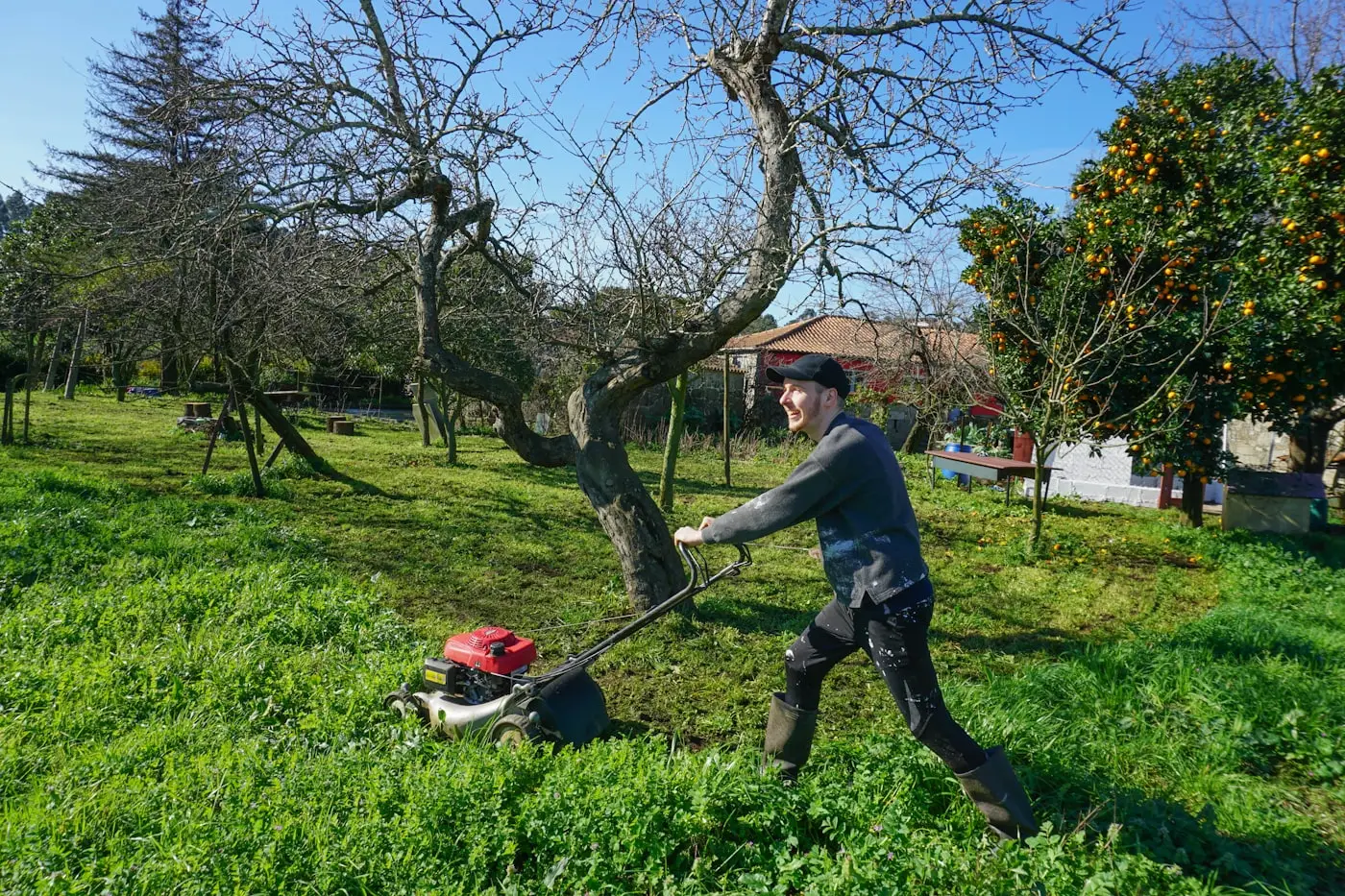
Wakefield is a city with significant range in its garden character. The Victorian townhouses of the Cathedral Quarter (WF1) have compact, formal rear plots not unlike those in Leeds city centre. The affluent southern suburbs of Sandal, Durkar, and Crigglestone have large detached gardens with mature trees and established borders - gardens that take real time and skill to maintain well. The regenerating former pit villages of Normanton, Castleford, and Featherstone to the east have a different character again: smaller post-war plots on solid clay, many of which have never had professional maintenance and need a clearance before a maintenance programme can start. And threading through the south of the city, the River Calder brings its own consideration - low-lying gardens in Alverthorpe and Horbury Bridge that sit close to the floodplain and need planting choices that account for periodic inundation. What ties most of these Wakefield gardens together is the soil: Coal Measures clay, the heavy geology of the Yorkshire coalfield belt, stubborn and demanding to manage well.
Gardening in Wakefield: The Soil, the Calder, and the Range of Gardens
Coal Measures clay is the foundation under most of Wakefield's domestic garden plots. This is the same geological formation that underlies Barnsley, Doncaster, and the former mining towns to the south-east - a heavy, slow-draining clay that was deposited alongside the coal seams that drove the region's industrial history. For gardening purposes, this clay behaves in characteristic ways that affect everything from lawn maintenance to planting choices to clearance work.
In winter and wet periods, Coal Measures clay becomes saturated and impereable. Water sits on the surface because the soil cannot drain freely. Lawns develop patches of standing water, particularly in low spots or areas that have been walked on repeatedly and compacted. Borders hold moisture at root level, which can cause root rots in poorly-chosen plants. In summer, the clay dries, contracts, and cracks - the deep fissures you see in your border edges in July are entirely normal. The same soil that waterlogged in January is rock-hard by August. This cycle is hard on plants that are not suited to it and easy on those that are.
The good news about Coal Measures clay is that it is genuinely fertile. Wakefield's position on the edge of the famous Rhubarb Triangle - the area between Wakefield, Morley, and Rothwell celebrated for its forced rhubarb production since the 19th century - is no coincidence. The clay soils and local climate are excellent for productive gardening once properly worked. Rhubarb, brassicas, beans, and most root vegetables thrive in well-managed Wakefield clay. The challenge is management, not fertility.
The Cathedral Quarter (WF1) around Wakefield's historic centre and the Hepworth Gallery brings a different garden character: Victorian and Edwardian sandstone townhouses with compact, formal rear plots, often shaded by the buildings on either side, with restricted access via narrow passages. These gardens need maintenance approaches suited to their scale and access constraints. They are not large gardens, but they benefit enormously from regular attention - an overgrown narrow plot in central Wakefield looks worse for neglect than a larger garden would, simply because every square metre is visible and the proportion of boundary hedge to open space is high.
The southern residential areas - Sandal (WF2), Durkar, and Crigglestone - are Wakefield's most affluent suburban areas and have the most extensive private gardens in the district. Large detached properties with mature trees, established shrub borders, formal lawn areas, and sometimes kitchen gardens or soft fruit. These are the gardens where regular professional maintenance makes the most significant difference, because the cost of letting a large mature garden slip for even one season is considerable. A mature beech hedge left untrimmed for two years becomes a significant job to bring back into shape. A formal lawn left without aeration or feeding for three years loses its definition and becomes progressively harder to recover. Regular maintenance contracts in Sandal and Crigglestone are the most productive use of a good Wakefield gardener's time.
The River Calder runs through the southern edge of the city and into the Calder Valley westward. Low-lying gardens in Alverthorpe and along the Horbury Bridge corridor are on the edge of the floodplain and experience periodic high-water events in wet winters. If your Wakefield garden is in one of these zones, this is a relevant factor for any significant planting work. Raised beds for vegetables and herbs are worth considering if your garden floods even occasionally. Species choices on low-lying borders should include flood-tolerant options: willowherb, astilbe, iris, and dogwood all handle periodic inundation without significant root damage.
Normanton and Castleford - formerly dominated by colliery culture and now undergoing significant regeneration - have a different garden profile. Post-war housing estates with smaller plots, some of which have never had professional gardening attention. The soil in some of these areas is complicated by decades of industrial activity in the wider landscape, though domestic garden plots are generally fine. The demand here is different from Sandal: one-off clearances, first-time maintenance setups, and practical low-maintenance planting that does not require significant ongoing specialist attention.
Gardening Services Available in Wakefield
The full range of professional gardening services is available across Wakefield's WF1-WF10 postcodes:
- Regular garden maintenance: fortnightly mowing, edging, border weeding, and seasonal pruning. The foundation service for most Wakefield homeowners with a garden that needs consistent upkeep.
- Hedge trimming: Wakefield's established gardens have significant hedge boundaries - privet is common across the terrace areas, with leylandii and laurel in the larger suburban plots. Timing and technique matter on heavy clay soils, where hedges grow vigorously in wet summers.
- Garden clearance: one-off clearances for overgrown or neglected plots, rental and property-sale preparation, and post-winter resets. Coal Measures clay makes root work slower than on lighter soils - always get a site visit and fixed quote.
- Lawn renovation: hollow-tine aeration, lawn scarification, overseeding, and top-dressing. The most impactful single intervention for most Wakefield lawns, particularly after a wet winter.
- Planting and border design: replanting tired borders, seasonal colour, and selecting species suited to Wakefield's clay conditions and any flood-risk considerations in low-lying plots.
- Weed control: path and patio weed management, including the persistent bindweed and ground elder that establish in heavy clay soils and resist casual removal.
- Garden fencing: boundary fencing across Wakefield's residential areas takes significant wear from heavy clay ground movement and wet winters; a spring inspection is worth doing, particularly on panel fencing in exposed plots.
How Much Does a Gardener Cost in Wakefield?
Wakefield rates sit within the West Yorkshire band. For a full UK and regional comparison, see the how much does a gardener cost UK guide.
| Rate type | Wakefield (WF1-WF10), 2026 | Notes |
|---|---|---|
| Hourly rate (maintenance) | £25-£35/hr | Contract rates at lower end; one-off visits higher |
| Day rate (7-8 hrs) | £150-£250 | Full working day; clearance or heavy maintenance |
| Fortnightly maintenance visit | £35-£70 per visit | Medium garden; includes lawn, borders, edges |
| One-off lawn cut | £25-£60 | Compact WF1 terrace plot £25-£35; larger Sandal garden £45-£60 |
| Hedge trimming (standard) | £40-£90 per visit | Standard privet boundary lower end; tall leylandii higher |
| Lawn aeration and scarification | £60-£150 | Depends on lawn size and condition. Strongly recommended on Wakefield clay. |
| Garden clearance (medium plot) | £200-£450 | Heavily overgrown clay plots: £500-£700. Fixed quote after site visit essential. |
Wakefield rates are in line with the broader West Yorkshire range and comparable to Barnsley and Doncaster. The southern suburbs of Sandal and Crigglestone occasionally attract a slight premium for gardeners willing to maintain larger estate-style gardens, but the hourly rate itself does not change. What changes is the visit length - more to do means a longer, more expensive visit, not a different rate.
Gardening Services Across Wakefield
Wakefield is not one kind of garden. The area you live in shapes what your garden needs, how it behaves through the seasons, and which services a local gardener will be most familiar with. Here is what to expect across the main areas of the district.
Sandal (WF1/WF2 south) is where Wakefield's oldest and most established private gardens are. Some back gardens here look out across open ground toward the ruins of Sandal Castle on the ridge - it is one of those genuinely local reference points that tells you a Wakefield gardener actually knows the area. Victorian properties with large rear plots, mature trees, and heavy clay soil that has had decades of organic matter added - which improves the structure somewhat, but the underlying drainage is still challenging. If your garden is in Sandal, you are likely dealing with heavy clay that drains slowly after rain. Hollow-tine aeration in October is the single best thing you can do for a Sandal lawn before winter. A gardener who understands estate-scale planting will get more from a Sandal garden than one who treats it as a standard suburban plot.
Ossett (WF5) has a semi-rural feel - a mix of old stone cottages and 1960s semis that gives the area a distinctive character compared to central Wakefield. Boundary hedges in Ossett are often large and established, needing proper annual cutting rather than a cosmetic trim. If your hedge is laurel or leylandii, plan for a full cut in August before growth slows. The soil across Ossett is Coal Measures clay, consistent with the rest of the Wakefield district, and the same maintenance priorities apply: annual aeration, mowing at the correct height, and watching for compaction near paths and gate areas.
Horbury (WF4) has a riverside village feel, with properties ranging from Victorian stone terraces to interwar semis. Some properties sit on the low-lying areas close to the Calder flood plain, and waterlogged winters are a real issue if your garden is near the valley floor. If you are in a low-lying part of Horbury, raised beds for any productive gardening are worth considering, and border planting choices should include flood-tolerant species. For the rest of Horbury, it is standard Wakefield clay management: fortnightly maintenance from April, autumn aeration, and a hedge cut before September.
Stanley (WF3) is predominantly post-war estate housing with smaller gardens. The main recurring jobs here are mowing and hedge trimming - the gardens are compact enough that a fortnightly visit runs quickly, but they still need consistent attention through the growing season. A fortnightly maintenance contract covering mowing, edging, and border weeding from April to October is the most practical and cost-effective approach for a Stanley garden.
Normanton (WF6) is an ex-mining community with a varied mix of housing types. Some Normanton gardens have larger allotment-style back plots - longer, deeper, and more productive in character than a standard semi-detached rear garden. If yours is one of these, a gardener who can help with both the lawn and a productive growing area is worth finding. The soil is Coal Measures clay throughout, and annual aeration makes as much difference here as anywhere else in the district.
Outwood (WF1 east) has newer estates where most gardens are lawns and borders - lower complexity but needing regular mowing from April through October. On newer developments, check the soil quality: builder's topsoil laid over compacted subsoil is common on newer estates, and lawns can be slow to establish or quick to waterlog for reasons the original build did not address.
Crigglestone (WF4 rural edge) has larger gardens with mixed fruit trees and ornamental planting. Autumn clearance is popular here from September onwards - the combination of fruit tree debris, fallen leaves, and border cutback makes it a substantial job best handled before the Calder valley mist and wet weather sets in through November. If your Crigglestone garden has established fruit trees, factor in a proper autumn clearance as a fixed annual cost rather than an optional extra.
Garden Maintenance in Wakefield
Garden maintenance is the most consistently booked gardening service across Wakefield. Wakefield's Coal Measures clay soil is demanding: without regular attention, lawns compact and moss establishes quickly, borders build up with bindweed and ground elder that become increasingly hard to remove, and hedges grow out of shape faster than on lighter soils.
A regular garden maintenance contract in Wakefield typically runs £25-35/hr, with most medium gardens priced at £35-70 per fortnightly visit on a contract basis, or from £70-100 per month for compact gardens on a less frequent schedule. Larger gardens in Sandal and Crigglestone run £50-90 per visit depending on what is involved. Annual costs for April to October maintenance on a standard Wakefield semi-detached rear garden run approximately £500-900.
What a standard fortnightly maintenance visit in Wakefield covers:
- Lawn mowing and edging (correct height on clay: 40-50mm through summer)
- Border weeding, which is a priority on Wakefield clay where bindweed and ground elder establish fast
- Light pruning of shrubs
- Path sweeping and general seasonal tidying
- Hedge trimming on smaller boundaries (larger hedges usually priced separately)
What is usually priced separately on Wakefield's clay soils:
- Annual hollow-tine aeration (strongly recommended September to October)
- Lawn scarification and overseeding
- Autumn leaf clearance for large-tree gardens
- Moss treatment
The best Wakefield gardeners treat clay soil management as a core skill, not a specialist extra. When setting up a maintenance contract, confirm in writing what is included in the fortnightly rate and what is priced separately. This avoids the most common source of disagreement between homeowners and gardeners: an assumption about what the regular visit covers that turns out to be wrong come autumn clearance time.
What to Look for in a Wakefield Gardener
Local experience genuinely matters in Wakefield. The soil conditions, the range of garden types across different areas of the city, and the specific demands of either a compact Cathedral Quarter terrace or a large Sandal estate garden all require different knowledge and approaches. Here is the checklist that matters most:
- Public liability insurance: Ask to see the certificate. £2m minimum. Non-negotiable.
- Waste Carrier's Licence: Required by law for removing garden waste. Get the licence number before any clearance or tidy-up involving material removal.
- Wakefield clay experience: Ask directly. Do they offer hollow-tine aeration? Do they understand why Coal Measures clay needs different management from lighter soils? Have they done clearance on heavy clay before?
- Knowledge of your specific area: A gardener who knows Sandal understands the scale and character of its gardens. A gardener who has worked Normanton plots knows the different expectations there. Local area knowledge within Wakefield matters as much as city-level knowledge.
- Photos of recent Wakefield work: Comparable gardens, comparable conditions, comparable output. The most direct evidence of what they will produce in your garden.
- Responsiveness: Prompt, clear initial communication is the best indicator of how the job itself will be managed.
The Rhubarb Triangle and Wakefield's productive garden tradition
Wakefield has been associated with productive gardening and horticulture since the 19th century, when the Rhubarb Triangle between Wakefield, Morley, and Rothwell became famous for forced rhubarb grown in candlelit sheds through winter. That tradition of knowing your soil and working with it runs through the area's garden culture. If you want a productive kitchen garden in Wakefield, the clay soil is genuinely your friend once properly worked - brassicas, beans, and root vegetables in particular. A Wakefield gardener who knows the area will understand this and be able to advise on productive planting in a way a contractor from outside the region cannot.
Seasonal Gardening Guide for Wakefield
Wakefield sits at around 50m elevation - lower and somewhat warmer than Bradford or Harrogate, which sit higher on the Pennine edge. That said, spring is not always quick to arrive: cold snaps in March can delay meaningful outdoor work, and most experienced Wakefield gardeners do not rush tender planting before mid-May. The critical autumn window runs September through October, before Calder valley mist and heavier rainfall make sustained outdoor work progressively harder into November.
Spring (March-May)
Wakefield springs can be cold, particularly in March when late frosts are still possible. Do not rush tender planting before mid-May. The priority after winter is assessing the clay: rake off any moss that has built up on the lawn over winter, aerate any patches that were waterlogged, and fork over compacted border edges. If your lawn took a serious battering over winter, consult a Wakefield gardener about whether it needs a full renovation programme or whether overseeding the worst patches will be enough. Spring is also the time to apply a slow-release granular fertiliser to borders as the soil starts to warm up - clay retains nutrients but they need activating with the right conditions.
Summer (June-August)
Wakefield summers are warm with some dry spells. Clay lawns look best in the first half of summer before any extended dry period causes the characteristic shrinkage cracks. Our grass cutting service sets a mowing height of 40-50mm on Wakefield clay - lower than this creates stress that shows up as browning in dry spells. The first hedge cut for privet boundaries should happen in late June or July. Border weeding is the major ongoing summer task on Wakefield's fertile clay - bindweed and ground elder in particular establish quickly and deeply in clay soils and are extremely persistent once established. Hand-dig rather than spray if you can: herbicides in clay soil can carry to adjacent plant roots more readily than on lighter ground.
Autumn (September-November)
Autumn is the critical season for Wakefield lawn care. September to early October is the ideal window for hollow-tine aeration, a moss treatment if the lawn has built up any green coverage, and overseeding. Top-dress with sharp sand and organic compost immediately after aeration. The second hedge cut for privet and laurel boundaries should happen in September before growth slows. Collect fallen leaves promptly - left to mat on clay soil they cause significant damage to the grass beneath. If you have large trees in or adjacent to your Wakefield garden, this is a major autumn task that should be built into your maintenance plan. In the Calder floodplain areas, check drainage channels and gullies are clear before the wet season arrives.
Winter (December-February)
Avoid walking on the lawn when saturated - this is the main cause of the compaction that drives all the other clay problems. Wakefield winters are moderate: colder than Hull due to being further inland, but warmer than the Pennine uplands to the west. Hard frosts happen but not with the frequency of Halifax or Huddersfield. Most established garden plants survive Wakefield winters without protection. For anything tender, a fleece covering or a sheltered spot near the house wall will usually suffice. Winter is the time to plan any structural changes - a new raised bed, a French drain in a persistently wet corner, or replanting a tired border - so that work can start in March when conditions allow.
Frequently Asked Questions
How do I find a reliable gardener in Wakefield?
Word of mouth from a neighbour who has used someone for a full season is the most reliable starting point. If you do not have that, a local introduction service is better than a national lead platform. Ask for public liability insurance, Waste Carrier's Licence, and examples of recent Wakefield work before any pricing discussion. See the Wakefield gardeners page for local coverage.
How much does a gardener in Wakefield charge in 2026?
Wakefield gardeners typically charge £25-£35 per hour for general garden maintenance in 2026. Day rates run £175-£300. A standard fortnightly maintenance visit for a medium garden costs £35-£70 on a contract rate. See the UK gardener costs guide for a full breakdown.
What is Coal Measures clay and why does it affect my Wakefield garden?
Coal Measures clay is the heavy, slow-draining geology under most of Wakefield. It waterlogged in winter, cracks in summer, and compacts under foot and mower traffic. The fix is autumn hollow-tine aeration, top-dressing with sharp sand, and overseeding bare patches. It is fertile soil once managed correctly - excellent for productive gardening.
Does the River Calder affect gardens in Wakefield?
Yes, for gardens in low-lying areas near Alverthorpe and Horbury Bridge. If your garden is on the floodplain, choose flood-tolerant species for borders and consider raised beds for any productive gardening. A Wakefield gardener familiar with the area will know which postcodes carry this risk.
What gardening services are most booked in Wakefield?
Regular fortnightly maintenance, lawn aeration and renovation, hedge trimming, and spring and autumn garden clearance. Sandal and Crigglestone generate demand for more extensive maintenance of large mature gardens. The eastern former pit villages tend to book clearance and first-time maintenance setups more frequently.
What are the red flags when hiring a gardener in Wakefield?
A quote well below the local rate (£25-£35/hr) with no explanation; refusing to show public liability insurance; quoting clearance by phone without a site visit; no examples of recent Wakefield work; and reluctance to confirm scope in writing. Any one of these is a reason to keep looking.
Do Wakefield gardeners offer regular maintenance contracts?
Yes. Most Wakefield gardeners run fortnightly contracts from April to October at a fixed monthly fee. Regular contract rates are lower per visit than one-off rates. A gardener who has worked your plot for a full season understands your specific clay conditions in a way a first-visit contractor does not.
Is my garden in Sandal or Crigglestone different from gardens in central Wakefield?
Yes. Sandal and Crigglestone have larger, more established gardens that benefit most from regular ongoing maintenance. Central Wakefield's Cathedral Quarter has smaller, formal terrace plots with restricted access. The soil is Coal Measures clay throughout, but scale and garden character vary significantly across Wakefield.
How much does a garden clearance cost in Wakefield?
A standard medium garden clearance in Wakefield runs £200-£450. Heavily overgrown plots on Coal Measures clay can reach £500-£700 for a two-person team. Always get a fixed quote after an in-person site visit.
What questions should I ask a Wakefield gardener before hiring them?
Six questions: (1) Public liability insurance certificate? (2) Waste Carrier's Licence? (3) Experience with Coal Measures clay and lawn aeration? (4) Will you visit before quoting clearance? (5) What is specifically included - waste removal? (6) Photos of recent Wakefield work? Clear answers to all six is what you want.
When is the best time to book lawn renovation in Wakefield?
September and early October. Hollow-tine aeration at this time creates drainage channels before winter waterlogging, and overseeding in September gives new grass the best chance before first frost. Top-dressing with sharp sand and compost immediately after aeration delivers the biggest single improvement for a Wakefield clay lawn.
Are gardeners in Wakefield familiar with the Rhubarb Triangle?
Many local gardeners know the productive traditions of the area well. Wakefield's clay soils are genuinely excellent for rhubarb, brassicas, beans, and root vegetables once properly worked. If you want a productive kitchen garden, a Wakefield gardener with local knowledge will understand the conditions without needing to be taught them.
Are there gardeners in Wakefield available now?
Yes. Local gardeners cover the full Wakefield district across WF1-WF10 postcodes. For one-off jobs and clearances, availability is often same-week or next-week. For a regular fortnightly maintenance contract starting in spring, the best time to book is February or March before growing-season slots fill up. Use the estimate form with your WF postcode and a local Wakefield gardener will follow up with a real price.
Are Wakefield gardeners available across West Yorkshire?
Yes. Wakefield sits in West Yorkshire and local gardeners cover the full WF postcode range plus surrounding areas - including Ossett (WF5), Horbury (WF4), Normanton (WF6), Castleford (WF10), Featherstone (WF7) and Pontefract (WF8). Many Wakefield gardeners also cover adjacent postcodes in the wider West Yorkshire area. Use the estimate form with your full WF postcode to confirm local coverage for your specific street.
What does regular garden maintenance in Wakefield include?
Standard garden maintenance in Wakefield covers lawn mowing and edging, border weeding, light pruning of shrubs and small hedges, path sweeping and general seasonal tidying. Most Wakefield gardeners run fortnightly contracts from April to October. On Wakefield's Coal Measures clay, lawn aeration and moss treatment are important annual jobs but are typically priced separately from the standard maintenance round - confirm this when setting up a contract. Ask for a written scope of what is included in the fortnightly price before agreeing terms.
Do gardeners in Wakefield work on large gardens in Sandal and Crigglestone?
Yes. Sandal (WF1/WF2) and Crigglestone have some of Wakefield's largest residential gardens - large detached properties with mature trees, established shrub borders and formal lawns. These gardens have more to maintain and the consequences of letting them slip are more visible than on a smaller terrace plot. Regular fortnightly contracts are the most effective approach here. Visit rates for larger gardens in these areas run £50-90 per visit on a contract basis. A gardener experienced with Wakefield's estate-style gardens will manage mature trees, clipped hedges and formal borders differently from a standard suburban maintenance contractor.
Are there gardeners in Ossett WF5?
Yes. Ossett (WF5) is covered. Ossett's residential streets have a mix of Victorian terraces, interwar semis and newer suburban housing, with gardens ranging from compact backyard plots to medium-sized suburban gardens. The soil across Ossett is broadly Coal Measures clay, consistent with the rest of the Wakefield district. Fortnightly maintenance, hedge trimming, lawn aeration and garden clearance are all available in WF5. Use the estimate form with your WF5 postcode to put your enquiry in front of a local gardener covering your street.
Are there gardeners in Horbury WF4?
Yes. Horbury (WF4) is covered. Horbury is a market town immediately south-west of Wakefield with a mix of Victorian stone terraces and interwar semis. The low-lying areas near the River Calder corridor run through parts of Horbury - if your garden in WF4 is on the valley floor or close to the river, it may experience the drainage conditions described above for Calder floodplain gardens, so species choices and raised beds for productive gardening are worth considering. Full garden maintenance, hedge trimming and clearances are all available in WF4. Use the estimate form with your WF4 postcode.
Are there gardeners in Castleford WF10?
Yes. Castleford (WF10) is covered. Castleford sits at the eastern end of the Wakefield district at the confluence of the Aire and Calder. The town has significant post-war housing alongside older colliery village streets, with smaller garden plots on heavy Coal Measures clay. Regular maintenance, lawn care and garden clearance are all available in WF10. If your garden in Castleford has poor drainage - as many do on the low-lying Aire valley clay - annual lawn aeration is the most useful single service you can book. Use the estimate form with your WF10 postcode to get a local price.
How much does hedge trimming cost in Wakefield?
Hedge trimming in Wakefield runs £40-90 per visit for a standard domestic boundary hedge, depending on length and height. Privet and beech boundaries are the most common hedge type in Wakefield's suburban and terrace streets. Large leylandii or laurel hedges on the outer plots in Sandal and Crigglestone run £80-160 per visit. Wakefield's clay soils encourage vigorous growth in wet summers, so some hedges need two cuts in a productive year. The bird nesting season runs March to July - avoid trimming during this window. The best time to trim is from August through winter.
How much does lawn mowing cost in Wakefield?
A one-off lawn cut in Wakefield costs £25-60 for a standard suburban plot. A compact WF1 or WF6 terrace lawn runs £25-35; a larger garden in Sandal or Crigglestone runs £40-60. On a regular fortnightly contract the per-visit price is lower - typically £35-70 per visit including edging, border tidy and lawn cut for a medium garden. On Wakefield's Coal Measures clay, mowing at the correct height matters: cutting below 40mm stresses the grass and leads to browning in dry spells. An experienced Wakefield gardener will set the right height for your specific lawn condition.
Do Wakefield gardeners cover the whole WF postcode area?
Yes. The WF postcode area covers Wakefield city and the surrounding West Yorkshire towns. Local gardeners cover WF1 (city centre, Sandal), WF2 (Sandal, Kettlethorpe, Lupset), WF3 (Rothwell, Lofthouse, Stanley), WF4 (Horbury, Crigglestone, Durkar), WF5 (Ossett), WF6 (Normanton, Altofts), WF7 (Featherstone), WF8 (Pontefract), WF9 (South Elmsall, Hemsworth), WF10 (Castleford), WF11 (Knottingley, Ferrybridge) and WF12-WF14 (Dewsbury and Mirfield). Use the estimate form with your full WF postcode to confirm coverage for your specific street.
Are there gardeners in Wakefield near me?
Yes. Local gardeners cover all Wakefield district postcodes from WF1 to WF14, including Wakefield city centre, Sandal, Ossett, Horbury, Normanton, Castleford, Pontefract and all surrounding villages. Use the estimate form with your WF postcode to put your enquiry in front of a gardener covering your specific street and get a free enquiry with a real price.
How do I find a gardener in Wakefield?
Use the estimate form on this site: enter your WF postcode, describe the work you need, and a local Wakefield gardener can follow up with pricing. For clearance or larger jobs on Wakefield's Coal Measures clay, ask the gardener to visit in person before giving a final quote - clay soil makes accurate phone estimates unreliable. For regular maintenance, agree a fixed per-visit rate in writing before the first visit.
Who are the best gardeners in Wakefield?
The best gardener for your Wakefield garden is the one with the most relevant local experience. For a large mature plot in Sandal or Crigglestone, look for someone who manages estate-style gardens with established planting and formal lawns. For a smaller terrace or post-war plot in Normanton or Castleford, you want someone familiar with clay soil management and practical low-maintenance approaches. Ask for photos of recent work in your part of Wakefield and confirm they hold public liability insurance and a Waste Carrier's Licence.
Are there cheap gardeners in Wakefield?
Wakefield sits within the West Yorkshire rate band - typically £25-35/hr for general maintenance, well below the national average. The most cost-effective approach is a regular fortnightly maintenance contract from April to October, priced lower per visit than one-off bookings. Keeping on top of growth through the season also avoids the more expensive catch-up clearance that builds up when gardens are neglected. A quote significantly below £25/hr with no explanation usually means no insurance or no Waste Carrier's Licence.
Are there gardeners in Pontefract WF8?
Yes. Pontefract (WF8) is covered within the Wakefield district. Pontefract has a mix of older town centre streets and newer suburban housing with typical Coal Measures clay garden conditions. Lawn maintenance, hedge trimming and garden clearance are all available in WF8. Use the estimate form with your WF8 postcode to get a local price and free enquiry.
Are there gardeners in Normanton WF6?
Yes. Normanton (WF6) is covered as part of the Wakefield district. Normanton is a former mining town with significant post-war and modern housing, where many gardens sit on Coal Measures clay with typical waterlogging and compaction issues. Annual lawn aeration makes a significant difference on these plots. Full garden maintenance, clearance and hedge trimming are all available in WF6. Use the estimate form with your Normanton postcode to put your enquiry in front of a gardener covering your specific street.
Are there gardeners in Featherstone WF7?
Yes. Featherstone (WF7) is covered as part of the Wakefield district. Featherstone is a former pit town with post-war housing, smaller gardens on heavy clay, and straightforward maintenance needs. Lawn mowing, hedge trimming and garden clearance are all available in WF7. Use the estimate form with your WF7 postcode to confirm local coverage and get a same-day price.
What is a garden tidy up in Wakefield and how much does it cost?
A garden tidy up in Wakefield is a one-off visit to bring a garden back to a managed state - clearing dead growth, cutting back overgrown borders, weeding, raking leaves and mowing the lawn. For a standard semi-detached garden in WF1-WF5, expect to pay £80-180 for a half-day tidy, or £175-£300 for a full day on a more overgrown plot. Gardens on Wakefield's Coal Measures clay that have been neglected for a full season may take longer because clay root systems resist removal. Book in March before the growing season or in September at the end of summer for best availability. Use the estimate form with your WF postcode for a price specific to your garden.
Do gardeners cover south Wakefield?
Yes. South Wakefield, including Sandal (WF2), Durkar, Crigglestone and Horbury (WF4), is well covered for garden maintenance. These are among the most extensively gardened parts of the district, with larger suburban properties that benefit most from regular fortnightly maintenance contracts. Rates in south Wakefield run £35-90 per visit depending on garden size, with larger estate-style gardens in Sandal and Crigglestone at the upper end. Use the estimate form with your WF postcode to put your enquiry in front of a gardener who knows these areas.
How much do gardeners charge in Wakefield?
Wakefield gardeners charge £25-35/hr for general garden maintenance. On a regular fortnightly contract, expect to pay £35-70 per visit for a medium-sized garden - a standard semi-detached rear plot with lawn, borders, and a hedge. Larger gardens in Sandal and Crigglestone run £50-90 per visit. For a one-off lawn cut, expect £25-60 depending on size. Garden clearance for a neglected medium plot runs £200-450, with heavily overgrown plots on Wakefield's Coal Measures clay reaching £500-700 for a two-person team over a full day. These rates are broadly in line with the rest of West Yorkshire, comparable to Barnsley and Doncaster, and below Harrogate or York.
How much does garden maintenance cost in Wakefield?
Regular garden maintenance in Wakefield costs from £30 per visit for a small garden on a contract basis, £35-70 per fortnightly visit for a typical medium semi-detached rear garden, and £80-150 per visit for larger estate-style gardens in Sandal or Crigglestone. Annual costs for April to October maintenance (around 14 fortnightly visits) on a standard garden run approximately £500-900. Monthly contract fees for two fortnightly visits typically run £70-140. On Wakefield's Coal Measures clay, aeration and scarification are usually priced separately from the regular maintenance round - confirm what is included in your contract before agreeing a rate.
Do Wakefield gardeners cover Ossett and Horbury?
Yes. Ossett (WF5) and Horbury (WF4) are both fully covered within the Wakefield district. Ossett has a semi-rural feel with a mix of old stone cottages and 1960s semis - hedges here are often large and established and may need a proper annual cut rather than a light trim. Horbury is a riverside village and some properties in the low-lying parts of WF4 are on the Calder flood plain, where waterlogged winters are a genuine issue. If your Horbury garden is in a low-lying area, let your gardener know - planting choices and management approaches for a flood-risk garden differ from a standard Wakefield clay plot. Use the estimate form with your WF postcode to put your enquiry in front of a local gardener covering your street.
What are the most popular gardening services in Wakefield?
The most popular gardening services in Wakefield are regular fortnightly lawn maintenance and mowing, hedge trimming (privet and laurel are the dominant boundary hedges across Wakefield's established residential streets), garden clearance for overgrown or neglected plots, and autumn lawn aeration and scarification. On Wakefield's Coal Measures clay, annual hollow-tine aeration is booked by most homeowners with a well-maintained lawn as routine maintenance - not an optional extra. Sandal and Crigglestone generate demand for extensive maintenance of large mature gardens. The eastern former pit villages tend to book clearance and first-time maintenance setups more frequently.
Is the soil in Wakefield good for gardening?
Wakefield's soil is predominantly Coal Measures clay - heavy, slow-draining, and demanding to manage, but genuinely fertile once properly worked. For productive gardening, Wakefield clay is excellent: brassicas, beans, rhubarb, and most root vegetables thrive in well-managed clay. It is not a coincidence that the Rhubarb Triangle between Wakefield, Morley, and Rothwell is famous for forced rhubarb production - the clay soils and local climate are genuinely well-suited for it. For lawns, the clay is more challenging: it compacts under foot traffic, waterlogged in winter, and cracks in dry summers. Annual hollow-tine aeration in September or October is the single most important intervention for a Wakefield clay lawn.
How often should I book a gardener in Wakefield?
For a well-maintained garden, fortnightly visits from April to October is the standard - around 14 visits through the growing season. If you do more of your own gardening and want professional help for the heavier seasonal work, a minimum meaningful programme is a spring tidy in March or April, an autumn cutback in October, and a hedge trim in August. On Wakefield's clay soil, skipping the autumn visit is the most common mistake - borders left uncut going into a wet winter compact badly and become significantly harder and more expensive to clear the following spring.
Can I get same-week garden clearance in Wakefield?
Yes. Outside the busiest spring booking window (March to May, when most Wakefield gardeners are fully committed to new contract starts), availability for one-off clearances is often same-week or next-week. Summer and early autumn are generally the best seasons for quick availability on clearance work. If you need a clearance for a property sale, rental turnover, or post-winter reset, use the estimate form with your WF postcode and a local Wakefield gardener will follow up with availability and a real price. For larger clearances on Wakefield's coal clay, always insist on an in-person visit before a final price is agreed.
What gardening work is most popular in Sandal and Crigglestone?
In Sandal (WF1/WF2) and Crigglestone, the most popular work is regular fortnightly maintenance of large mature gardens. These are among Wakefield's most extensively gardened areas, with large detached properties featuring formal lawns, established shrub borders, mature trees, and well-established hedges. Formal lawn mowing at the correct height, maintaining established borders, clipping large hedges, and seasonal clearance of mature tree debris are the core recurring services. Autumn clearance is particularly high-value in these areas - the combination of mature tree leaf fall, border cutback, and late hedge trimming is a substantial job on a large Sandal or Crigglestone plot. Regular contracts are strongly preferred over one-off visits because the cost of letting a large mature garden slip is significant.
Do you cover Normanton and Stanley?
Yes. Normanton (WF6) and Stanley (WF3) are both covered within the Wakefield district. Normanton is an ex-mining community with a mix of housing types - some gardens are standard semi-detached rear plots, others are larger allotment-style back gardens that give more scope for productive growing alongside regular maintenance. Stanley is predominantly post-war estate housing with smaller gardens where regular mowing and hedge trimming are the main recurring seasonal jobs. Both areas sit on Coal Measures clay, so annual lawn aeration is as relevant here as anywhere else in the Wakefield district. Use the estimate form with your WF postcode to confirm coverage for your specific street.
What is the best time of year to start a garden maintenance contract in Wakefield?
February or early March is the best time to contact a Wakefield gardener about a regular maintenance contract for the coming growing season. By April, most established gardeners have full rounds and new bookings go onto a waiting list. Booking in late winter gives you first choice of who is available, lets you agree a fair rate before the spring rush, and means the gardener starts with your plot at the beginning of the season rather than joining mid-stream. If you have missed the spring window, autumn is a good second option - a gardener who carries out your autumn cutback and sees your garden in October is well-placed to take on a full contract the following spring.
How does Wakefield's geology affect my garden?
Wakefield sits on sandstone and coal-measures geology in the south of the city, giving most residential areas heavy clay topsoil. The Calder valley brings river silt to Horbury and some of the low-lying gardens near Wakefield city centre, creating an even heavier soil in those areas. Post-industrial towns like Normanton and Stanley have compact gardens that have often been maintained by the same families for generations - the soil has been worked over decades, but the underlying clay drainage issues remain. Understanding your local geology is the starting point for understanding why your lawn behaves the way it does: why it waterlogged in January, why it cracked in July, and why the same garden care advice that works in sandy-soiled areas does not apply here.
Can I get a regular fortnightly gardener in Wakefield?
Yes. Fortnightly garden maintenance contracts are the standard arrangement for most Wakefield homeowners who want a reliably kept garden through the growing season. A typical contract runs from April to October - around 14 visits - at a fixed per-visit rate agreed before the season starts. On a regular fortnightly contract, the per-visit rate is lower than for one-off bookings because the work is predictable. This matters on Wakefield's Coal Measures clay, where a gardener who knows your garden handles compaction patterns, drainage issues, and growth rates better than one seeing it for the first time. Book by February or March to secure a slot for the coming season.
What soil type do Wakefield gardens have?
Most Wakefield gardens sit on Coal Measures clay - the heavy, slow-draining soil that underlies the Yorkshire coalfield belt from Wakefield through Barnsley to Doncaster. It is a dense clay that compacts under foot traffic and mower use, waterlogged in winter, and cracks in summer when it dries and contracts. The depth and exact character varies across the district: gardens on the sandstone ridge toward Sandal have slightly lighter soil than the low-lying areas near the Calder, and suburban gardens cultivated for decades have generally improved their structure through years of organic matter addition. But the underlying Coal Measures clay is consistent across most of Wakefield's residential areas and shapes how every garden here responds to maintenance, planting, and the seasons.
Are there gardeners in Hemsworth WF9?
Yes. Hemsworth (WF9) is covered as part of the Wakefield district. The WF9 postcode also includes South Elmsall and surrounding former pit villages - an area with compact post-war housing plots on Coal Measures clay where regular maintenance and one-off clearances are the most common requests. Annual lawn aeration makes a significant difference in these gardens, where clay compaction is the main limiting factor for grass health. Use the estimate form with your WF9 postcode to confirm coverage for your specific street and get a local price.
Do Wakefield gardeners offer garden maintenance as well as one-off clearances?
Yes. Both services are available across all WF postcodes. Garden maintenance is the ongoing fortnightly contract service - mowing, edging, border weeding, and light pruning from April to October. One-off clearances are a separate service: a single visit to bring an overgrown or neglected garden back to a managed state. Many Wakefield homeowners start with a clearance and then move onto a regular maintenance contract once the garden is in good order. On Wakefield's Coal Measures clay, the transition from clearance to maintenance is worth planning carefully - clay root systems can regenerate quickly if the clearance is not thorough, particularly for bindweed and ground elder. Confirm the scope of both services in writing before the first visit.
Do Wakefield gardeners work year-round?
Most Wakefield gardeners run their core maintenance contracts from April to October, when the growing season and daylight hours make fortnightly visits productive. Outside this window, most experienced gardeners remain available for winter structural pruning of trees and fruit trees, bare-root hedge planting (the best time for planting new hawthorn, beech, or privet boundaries), hard landscaping work on paths and patios, and planning visits for the coming season. If you need a gardener in November through February, use the estimate form - winter availability is generally better than spring or summer, and a winter first visit is a good way to start a new maintenance relationship ahead of the spring season.
Related reading
- How much does a gardener cost in the UK? (2026 prices)
- Gardeners in Barnsley: local guide and rates
- Garden design in Wakefield
- Garden maintenance across Yorkshire
- Garden clearance across Yorkshire
- Hedge trimming across Yorkshire
- Wakefield gardeners - town overview
- Gardeners in Leeds - rates and local conditions
- Gardeners in Huddersfield - Pennine hillside gardens
- Weed control across Yorkshire
Gardeners in other nearby areas
We cover the full West Yorkshire and wider Yorkshire area:
For towns on the Wakefield fringe, we also have local guides for: gardeners in Normanton and gardeners in Knottingley. These Aire Valley towns sit within the Wakefield district and are covered by the same gardening rounds.
For structural landscaping or a full redesign, see our guide to garden design in Wakefield.
What areas around Wakefield do local gardeners cover?
Local gardeners cover the full WF postcode district, including WF1-WF10 and beyond. That means Wakefield city centre and the Cathedral Quarter (WF1), Sandal and Lupset (WF2), Stanley and Lofthouse (WF3), Horbury and Crigglestone (WF4), Ossett (WF5), Normanton and Altofts (WF6), Featherstone (WF7), Pontefract (WF8), Hemsworth and South Elmsall (WF9), and Castleford and Allerton Bywater (WF10). Smaller villages including Agbrigg, Kettlethorpe, and Durkar are also covered. Use the estimate form with your full postcode to confirm availability for your specific street.
What gardening services are popular in Wakefield?
The most popular gardening services in Wakefield are lawn mowing and fortnightly maintenance, hedge trimming, and garden clearance. Wakefield has a wide range of garden types: the older sandstone terraces of the Cathedral Quarter and Victorian suburbs need compact, access-restricted maintenance approaches, while newer estate lawns in Stanley and Normanton tend to need straightforward fortnightly mowing and edging. In the grander southern areas around Sandal - where you can see the outline of Sandal Castle from some garden plots - larger established gardens benefit from formal lawn care, border maintenance, and autumn clearance of mature tree debris. The Calder valley gardens of Horbury and Ossett sit in a different category again, needing flood-tolerant planting choices alongside the usual maintenance round.
Get a quote for your Wakefield garden.
60-second assessment. If a local Wakefield gardener takes your enquiry, they call you with a price for your specific garden and job.
Start the assessment