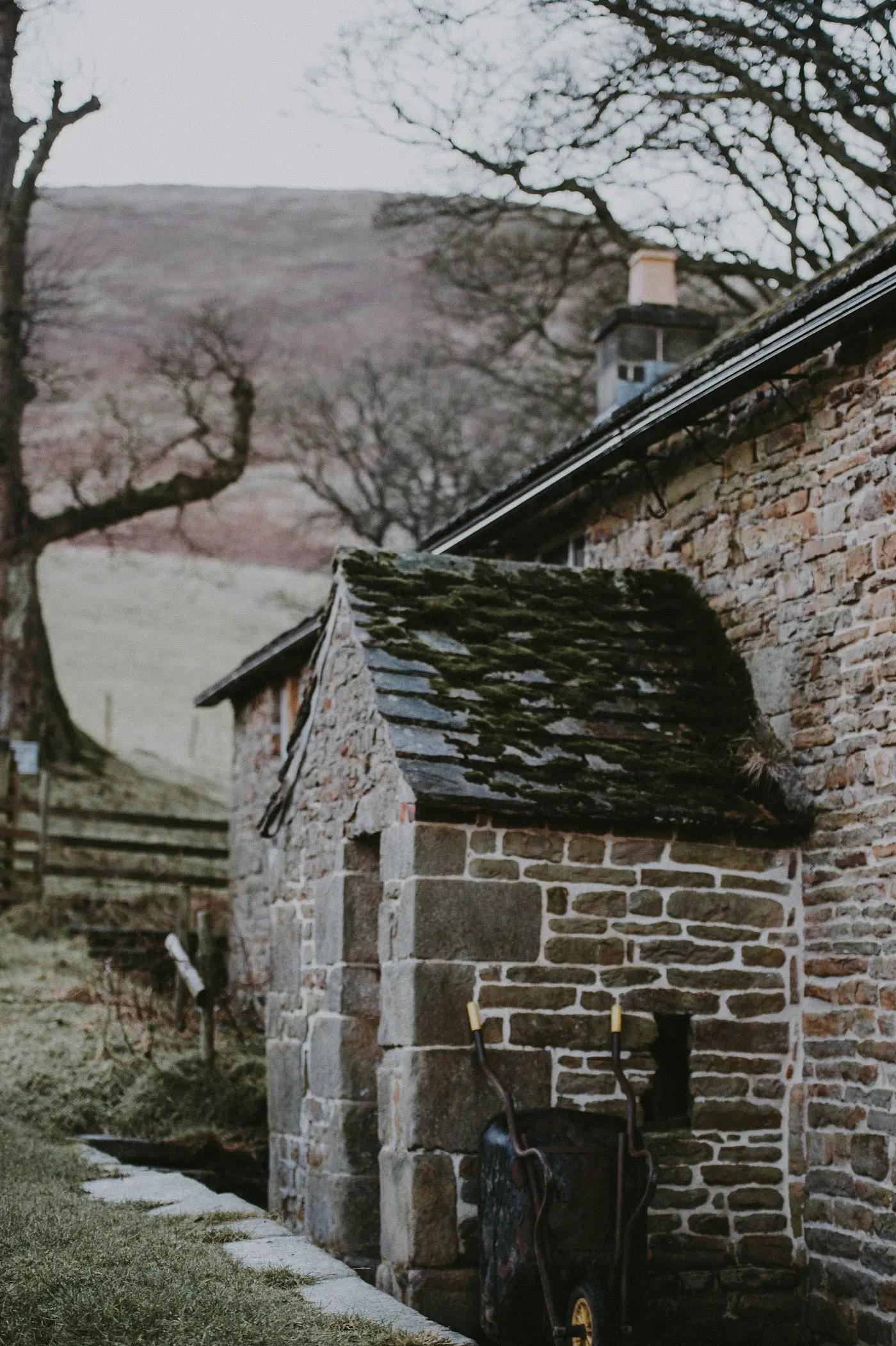
Sherburn-in-Elmet is an historic village with layers that most casual visitors never see: the medieval St Mary's Church with its Norman tower at the centre, the RAF and wartime heritage of Sherburn Aerodrome (now home to light aircraft and the Yorkshire Aeroplane Club), and a settled community that predates the modern housing estates by several centuries. The village has grown substantially as a Leeds and York commuter settlement, and the LS25 postcode carries a mixed character - old village core, interwar housing, and 1980s through to recent private estates. What ties all of it together, from a gardening perspective, is the geology: Sherburn sits on the Magnesian Limestone belt, the same formation that runs under Tadcaster, Wetherby, and the Wharfe valley to the north. This is a genuinely important fact about your garden. The limestone gives you soil conditions that are strikingly better than the Coal Measures clay communities just a few miles west in the WF9 and WF10 postcodes - and that difference shapes everything from what your lawn does in winter to what plants will thrive in your borders.
Magnesian Limestone in the Vale of York: what it means for LS25 gardens
The Magnesian Limestone running under Sherburn-in-Elmet is a defining feature of your garden that most homeowners here have never been told about explicitly, even though it affects every decision about planting, lawn care, and maintenance. The limestone creates a free-draining, slightly alkaline soil that warms up faster in spring than the heavy clay of the coalfield towns to the west. In practical terms, this means your lawn is unlikely to sit waterlogged through winter and spring the way a WF9 clay lawn does. Your borders are easier to work earlier in the year. Your plants establish more quickly in spring because the root zone is warmer and better-aerated.
The Magnesian Limestone is not, however, uniformly distributed across every LS25 garden. On the edges of Sherburn toward the Vale of York plain to the north and west, the soil profile can include a greater proportion of heavier alluvial material - the valley floor deposits that lie between the limestone ridge and the river. If your garden is on the northern or western fringes of the village, or on one of the newer estates built on previously agricultural ground, your soil may be heavier and slower-draining than the limestone character would suggest. A simple drainage test in winter (does water stand for more than 24 hours after heavy rain?) will tell you which end of the spectrum you are at.
The alkaline character of limestone soil means the same constraints apply here as elsewhere on the formation: acid-loving plants will not perform well without specific intervention. If you have established rhododendrons or camellias that look consistently poor, the soil pH is the likely explanation. For everything else - roses, most perennials, formal hedging species, fruit trees - the limestone conditions are supportive. Roses in particular do well on Magnesian Limestone. The Yorkshire lawn care guide covers the feeding programme appropriate for limestone lawns, which differs from the approach on clay.
What gets booked in Sherburn-in-Elmet gardens
Sherburn's housing mix creates a range of garden sizes and characters. The old village core around St Mary's Church has some of the longest-established properties, with gardens that contain mature trees, established hedging, and planting that reflects generations of care. The interwar streets have standard residential plots. The modern estates have newer gardens where the soil has barely been worked and the planting is young. What all of these share is access to the Magnesian Limestone substrate, which means the range of what is possible in a Sherburn garden is genuinely wider than in the clay-soil towns just to the west.
Regular fortnightly garden maintenance is the most consistent ongoing job. On limestone, lawns are generally easier to manage than on clay - they drain well, do not compact as severely under foot traffic, and can be mowed earlier in the season. The spring maintenance season in Sherburn typically starts in late March to early April, two to three weeks ahead of what is practical on clay lawns further west. A gardener who knows LS25 will be ready to start your regular visits earlier than one who mainly works clay-soil postcodes.
Hedge trimming is a significant part of the picture in Sherburn, particularly in the older parts of the village where established hedging forms the character of the streets. Beech, privet, and hornbeam are all common in the historic village core. Beech in particular does well on limestone - it is one of the species most suited to the alkaline, free-draining conditions - and Sherburn has some established beech hedges that are genuinely impressive. Trimming these correctly requires the right tools and an understanding of beech growth habits. The late May to early June window, after nesting season, and a second cut in August gives the best results on most hedge species. The hedge trimming service and hedge trimming cost guide cover what to expect.
Border planting and redesign are well-suited to Sherburn's limestone conditions. The combination of good drainage and fertile, alkaline soil creates ideal conditions for a wide range of ornamental planting, and homeowners on modern estates with blank-canvas gardens increasingly want to establish something more interesting. The borders and planting service covers what new border creation involves, from soil preparation through to plant selection and establishment. On limestone, the plant selection conversation is different from clay - drier-tolerant species are worth considering, and the pH rules out the acid-lovers that are a common mistake on limestone sites.
Spring tidies are popular across LS25 at the start of the season. A Sherburn spring tidy typically covers cutting back dead perennial growth from winter, clearing and lightly forking borders, raking and scarifying the lawn surface, and sweeping paths and patios. The limestone conditions mean this is lighter work than the same job on clay - the soil does not compact as badly, borders are more workable, and the general picture at the start of spring is usually cleaner than on heavy ground.
Sherburn Aerodrome and the western estates
The western side of Sherburn-in-Elmet, near the aerodrome, includes some of the village's more recent development on formerly agricultural land. Gardens here may have a thinner topsoil layer over the limestone subsoil, depending on what was done during construction. If your garden on the western estates has never performed particularly well, soil depth is worth checking - limestone is not far below the surface on some of these plots, and raising bed depth with imported topsoil can make a significant difference to what is achievable.
Garden clearances on older Sherburn properties come up periodically. The old village core has some properties that have changed hands after long occupancy, and established gardens can accumulate a lot of woody growth and self-seeded trees over decades. On limestone, root systems can be dense and deep in established shrubs, which makes clearance more labour-intensive than the size of the plot might suggest. The clearance cost guide gives realistic pricing, and the garden clearance service covers what a thorough job involves.
Weed control on driveways and paths is a consistent request. The slightly alkaline, well-drained soil in Sherburn means gravel drives and paved areas can develop annual weeds rapidly through spring and summer. A good weed control programme that treats the current weeds and prevents re-establishment is more effective than repeated one-off treatments. The limestone-based surface under gravel tends to drain well enough that the main weed pressure is from seeds blowing in rather than from moisture rising from the substrate.
What gardeners charge in Sherburn-in-Elmet
Sherburn-in-Elmet prices at the mid-to-upper end of the LS25 band. The limestone belt location, the commuter character, and the mix of established and modern residential properties all contribute to a rate range that is slightly above the WF9 clay towns to the west but below the premium Wharfe valley villages to the north. The UK gardener cost guide gives national context; the table below is specific to Sherburn in 2026.
| Job type | Typical cost range | Notes |
|---|---|---|
| Hourly rate (regular maintenance) | £25-£38/hr | LS25 limestone belt rate; regular contracts at the lower end, specialist work higher |
| Fortnightly maintenance visit | £28-£58 | Standard LS25 garden; larger or more established plots at the top end |
| Day rate (7-8 hrs) | £150-£210 | Clearances, restoration work, and larger design projects |
| Spring tidy (one-off) | £90-£220 | Standard LS25 residential plot; larger established gardens at the top |
| Hedge trim (beech, privet, hornbeam) | £30-£100 | Established village hedges at the top; standard estate boundaries lower |
| New border planting | £150-£420 + plants | Preparation, design, and planting; limestone suits a wide range of ornamentals |
| Garden clearance | £190-£500 | Older village properties with established woody growth; depends on plot size |
| Lawn treatment (feed and weed) | £40-£95 | Limestone lawns benefit from 3-4 treatments per year; feeding matters on alkaline soil |
The West Yorkshire gardeners guide covers the broader LS25 rate picture. The hourly rate guide gives the national average.
How to find and vet a gardener in Sherburn-in-Elmet
The Sherburn-in-Elmet community Facebook group and the South Milford and LS25 local groups are the most reliable starting point. Post asking for recommendations and you will normally have several names within a few hours. The community is well-connected and word of mouth travels quickly - particularly for service providers who have been working in the village for several seasons and have a reputation to maintain.
Gardeners who cover the Leeds-York LS25 corridor include Sherburn naturally in their rounds. The village sits on or near the A162 and A63, accessible from both Leeds and York, and is not a difficult postcode to reach for anyone already working this part of West Yorkshire. Regular fortnightly slots fill before the season opens - February or March contact is the right approach if you want a specific slot from April.
Before committing to anyone new, check public liability insurance (ask for the certificate, minimum £1m cover), Waste Carrier's Licence for any green waste removal, and references from LS25 or nearby properties. If your garden has specialist elements - formal hedging, established rose beds, or significant ornamental planting - ask specifically about experience with those. The cost guide has a useful vetting checklist.
Seasonal calendar for Sherburn-in-Elmet gardens
The Magnesian Limestone means your garden season starts earlier than in clay-soil communities. Plan accordingly.
- Late February-March: Book gardener for the season; rose pruning; first lawn feed on warming limestone soil
- Late March-April: First mows begin - 2-3 weeks earlier than clay areas; border clearance and mulching
- May-June: Fortnightly maintenance in full swing; hedge trimming after mid-May nesting; deadheading begins
- July-August: Consistent mowing; second hedge trim; lawn feed if summer has been dry; weed treatment
- September-October: Border cut-back; overseeding thin limestone lawn areas; bulb planting; leaf clearance
- November-January: Reduce frequency; plan any design or clearance work for spring; book gardener for next season
Frequently Asked Questions
What garden jobs are typical in Sherburn-in-Elmet?
Regular fortnightly maintenance, hedge trimming, border planting and care, spring tidies, and occasional clearances on older properties are the most common jobs in LS25. The limestone conditions support a wide range of ornamental planting. The maintenance service and planting service cover what these involve.
What do gardeners charge in Sherburn-in-Elmet?
Hourly rates run from £25 to £38 in LS25. Fortnightly visits cost £28-£58. Day rates run £175-£300. The West Yorkshire guide and UK cost guide give broader comparison.
How do I find a gardener in Sherburn-in-Elmet?
The Sherburn-in-Elmet community Facebook group returns reliable recommendations. Gardeners covering the Leeds-York LS25 corridor include Sherburn naturally. Book February or March for regular April slots.
When should I book a gardener in Sherburn-in-Elmet?
February or March for regular season slots. The Magnesian Limestone means your season starts 2-3 weeks earlier than clay-soil areas nearby. First mows can come in late March. Hedge trimming: late May after nesting, August for a second cut. New border planting: spring or early autumn.
Related reading
- Gardeners in West Yorkshire
- Yorkshire lawn care guide
- Hedge trimming cost guide
- How much does a gardener cost in the UK? (2026)
- Garden clearance cost guide
- Low maintenance garden ideas for Yorkshire
- Borders and planting service
Gardeners in other nearby areas
We cover Sherburn-in-Elmet and the surrounding LS25 postcode villages:
Get a quote for your Sherburn-in-Elmet garden.
60-second assessment. If a local LS25 gardener takes your enquiry, they call you with a price for your specific garden and job.
Start the assessment