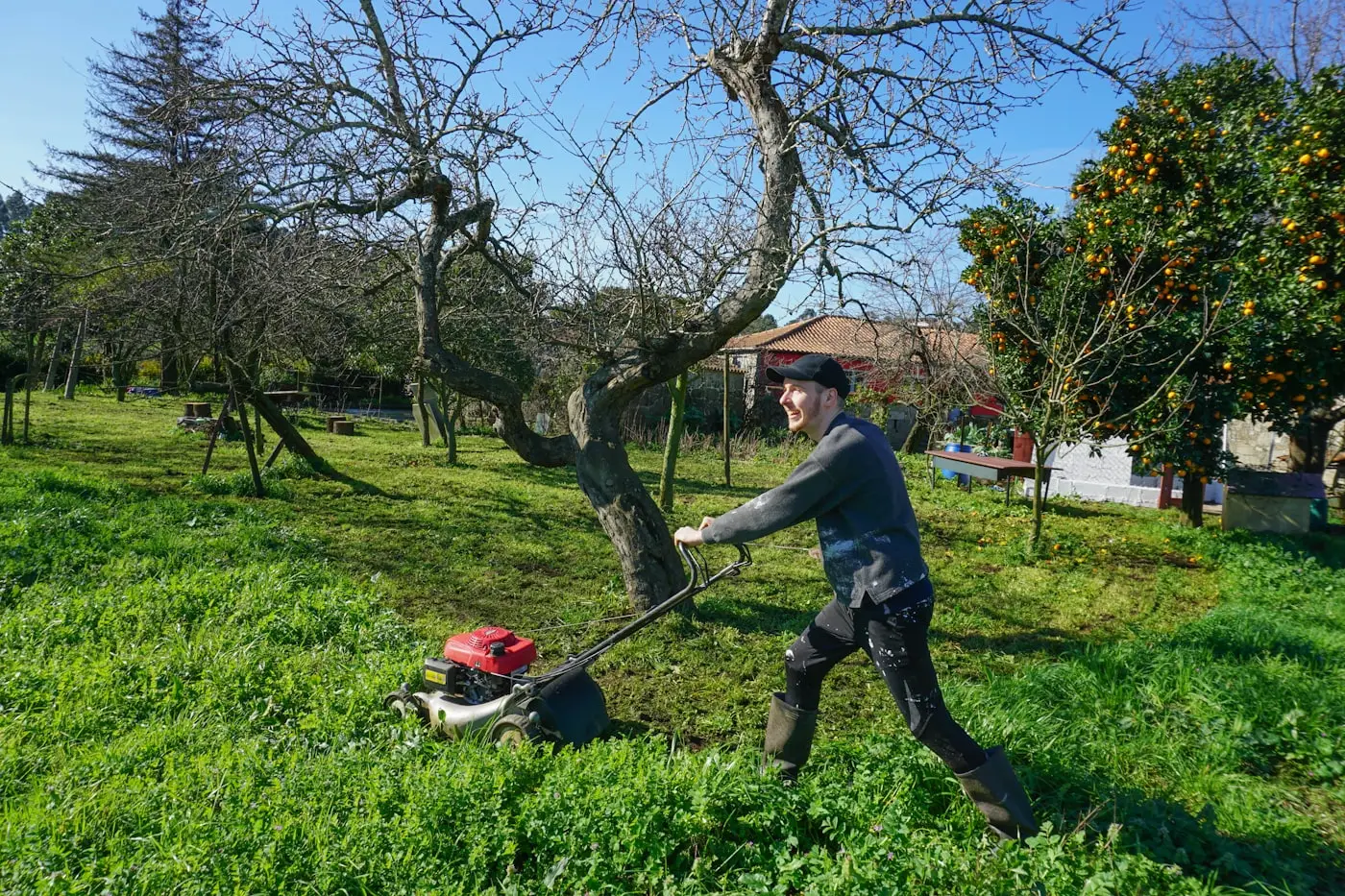
Sprotbrough sits on the Magnesian Limestone escarpment to the west of Doncaster, above the River Don valley, and the soil here is genuinely different from the clay ground that dominates much of central Doncaster and the coalfield towns further west. If you live in Sprotbrough, you are gardening on free-draining, slightly alkaline limestone loam - the same geological belt that runs through Tickhill to the south and gives those villages some of the best growing conditions in South Yorkshire. Your garden is not fighting the same battles as a clay garden in Mexborough or Barnsley. It has different advantages, and different things to watch for.
Limestone above the Don: what the soil means for your garden
Sprotbrough sits on the Magnesian Limestone escarpment above the River Don and the soil here is genuinely different from the Coal Measures ground through central Doncaster. Free-draining, alkaline loam means your garden does not suffer the waterlogging and compaction problems that are so common on the heavy clay of the colliery towns. Roses, formal hedging - yew, beech, box - and many of the plants associated with established country-house-style gardens thrive on this soil. If you have an established rose bed or a clipped yew hedge, the limestone is a significant part of why they perform well.
The escarpment character does introduce a variable that flat ground does not have: aspect matters more than it would on level terrain. South-facing gardens on the Don-facing slopes get excellent light and warmth, and the limestone drains quickly enough that they rarely waterlog even in a wet winter. North-facing gardens on the back of the ridge get less direct sun, and while the soil is still the same limestone loam, shaded areas can stay cool and damp longer than the sun-exposed ones. If your garden has a pronounced north-facing orientation and you have moss developing in a lawn area, that is the combination of shade and cool moisture rather than a soil problem - the solution is different from the clay lawn moss treatment.
The River Don and the Sprotbrough canal towpath below the escarpment are close enough that the very lowest garden in the area - those on the valley side - may occasionally experience more moisture than the higher ground. But for most Sprotbrough properties, the limestone drainage is the dominant characteristic. The Yorkshire lawn care guide covers the seasonal approach across South Yorkshire's different soil types including the limestone belt.
What gets booked in Sprotbrough gardens
Sprotbrough's housing character spans the older conservation village core, where properties are typically larger with established and complex gardens, through to the more recent residential developments on the higher ground and the approaches from Doncaster. The common thread is that gardens here tend to be a step above the standard Doncaster suburb in size, ambition, and complexity. More formal planting, more structural hedging, and more attention to borders and rose beds.
Formal hedge trimming is the job that sets Sprotbrough apart from most Doncaster suburbs. Yew, beech, and box are not uncommon in the conservation village properties, and these are hedges where quality matters. A poorly cut yew does not look right and takes time to recover. Box blight is also a risk when cutting is done badly or with contaminated tools. If you have formal hedging, ask specifically about the gardener's experience with these species before committing. The hedge trimming cost guide gives the full rate picture for different hedge types.
Rose bed maintenance is consistent with what you would expect for a limestone village with established gardens. The alkaline loam suits roses well, but they still need proper pruning at the right time, feeding, and monitoring for disease. A gardener who does both routine maintenance and rose care is worth finding and keeping. If your rose beds are important to you, state this clearly when you first make enquiries - not all maintenance gardeners have the specific rose pruning experience to do it well.
Regular fortnightly garden maintenance - mowing, edging, weeding, path tidying - is the year-round staple. The limestone lawns here are generally well-behaved compared to clay lawns. They do not produce the serious moss and thatch problems that require intensive autumn renovation work on heavier soils. Lawn edging is particularly valued in Sprotbrough's more formal garden contexts, where clean lines between lawn and border matter. Spring and autumn one-off tidies are popular with households who want the garden at its best for the peak seasons without a year-round contract.
Garden clearances come up on properties that have been purchased with neglected gardens or where the previous occupant's health meant maintenance had slipped over several years. On limestone loam, clearance work is generally less difficult than on waterlogged clay ground - the soil has not been damaged by compaction and saturation in the same way. But an overgrown rose bed with unpruned three- or four-year growth, or a formal hedge that has not been cut for two seasons, is its own kind of job. The garden clearance cost guide gives realistic figures, and the garden clearance service page covers what a full clearance involves.
The Don valley below: lower gardens and moisture
Properties on the escarpment slope closest to the River Don valley may have a more complex moisture picture than the higher limestone ground. The escarpment face can trap moisture from the valley, and in north-facing sections of these gardens there can be areas that stay notably damp even on the free-draining limestone. If your garden has a pronounced lower section near the valley side and you are seeing moss or damp patches that do not resolve through spring, mention this specifically to the gardener you are considering. A gardener who has worked Sprotbrough regularly will know exactly which slopes and orientations produce this behaviour.
What it costs
Sprotbrough sits at the higher end of the Doncaster rate band, consistent with its status as the premium residential village in the DN5 area. The garden complexity and property character justify rates above the standard south Doncaster suburb range. The full UK gardener cost guide puts these in national context.
| Rate type | Sprotbrough DN5, 2026 | Notes |
|---|---|---|
| Hourly rate (maintenance) | £25-£40/hr | Regular contracts at the lower end; specialist formal work at the higher end |
| Day rate (7-8 hrs) | £150-£210 | Full working day; clearances, restoration, or large formal garden projects |
| Fortnightly maintenance visit | £35-£65 per visit | Medium to larger garden on a regular contract; lawn, borders, edging |
| One-off lawn cut | £30-£55 | Smaller front lawns at the lower end; larger plots at the higher end |
| Spring tidy (one-off) | £95-£260 | Depends on plot size and complexity; larger established gardens at the top |
| Formal hedge trimming (yew/beech/box) | £60-£190 per visit | Formal species at the higher end given the skill and care required |
| Rose bed maintenance (seasonal) | £60-£150 per visit | Pruning, feeding, deadheading; depends on number of plants and bed size |
For the broader regional context, the gardener hourly rate guide shows how DN5 rates compare to South Yorkshire and the national average.
How to find a gardener in Sprotbrough
Sprotbrough is close enough to Doncaster that the same gardeners covering west Doncaster naturally extend to DN5. The village is tight-knit enough that word of mouth is highly effective - if a garden in your street consistently looks excellent, asking who maintains it is the most reliable route to a direct reference. The Sprotbrough Facebook group is active and a recommendation post normally draws several responses quickly.
Given the formal garden character of many Sprotbrough properties, ask specifically about experience with formal hedging species, rose care, and border work beyond basic maintenance. The best gardeners for Sprotbrough are those who have worked the limestone belt villages and understand both the soil character and the garden style. A gardener with extensive clay towns experience may need to adjust their approach for limestone conditions. The Doncaster gardeners guide covers the wider area, and the South Yorkshire guide explains the differences between the limestone belt and other soil zones across the region.
Confirm public liability insurance and Waste Carrier's Licence before committing, and ask for a garden visit to assess the scope before agreeing a price for ongoing maintenance. The Sprotbrough town overview gives further local context.
Frequently Asked Questions
What garden jobs are typical for Sprotbrough properties?
Formal hedge trimming (yew, beech, and box in the older village properties), rose bed maintenance, and regular fortnightly lawn and border care are the most consistently booked work. The limestone soil is well-suited to roses and formal hedging. Spring and autumn tidies are popular, and some properties need specific expertise for the structural plantings in established gardens. See the garden maintenance service page for full details.
What do gardeners charge in Sprotbrough?
£25-£40 per hour for regular maintenance, £35-£65 per fortnightly visit for a medium to large garden, and £175-£300 per day for larger projects. Sprotbrough is at the upper end of Doncaster area pricing. The UK cost guide gives the national context.
Is it easy to find a local gardener in Sprotbrough?
Straightforward. Doncaster gardeners cover DN5 readily. Word of mouth in the village works extremely well. The Sprotbrough Facebook group is a reliable first step. Ask specifically about formal garden experience when you make contact.
When should I book a gardener in Sprotbrough?
February or March for a regular contract starting in April. Spring tidy: book March for April. Formal hedge trimming: late May after nesting season, or August. Rose bed pruning: discuss the timing with your gardener before the season - late winter timing is important for good results.
Related reading
- Gardeners in Doncaster - the main Doncaster area guide
- Gardeners across South Yorkshire
- How much does a gardener cost in the UK? (2026)
- Hedge trimming cost guide
- Yorkshire lawn care guide
- Sprotbrough town page
- Garden maintenance across Yorkshire
Gardeners in other nearby areas
We cover Sprotbrough and the surrounding Doncaster DN5 area:
Get a quote for your Sprotbrough garden.
60-second assessment. If a local DN5 gardener takes your enquiry, they call you with a price for your specific garden and job.
Start the assessment