Reliable gardeners serve properties across South Yorkshire, with teams based in Sheffield, Barnsley and Doncaster.
South Yorkshire is not one place. Sheffield, Rotherham, Barnsley and Doncaster each have their own soil character, their own housing stock, and their own pattern of garden work. They sit within the same administrative county but garden in very different ways. Sheffield is a city of hills and trees, with a west-end of substantial Victorian and Edwardian gardens that support ongoing investment in design and maintenance. Rotherham is a lower Don valley town still recovering its garden confidence after the steel and coal era. Barnsley's Coal Measures clay is the defining challenge for anyone gardening on the coalfield west of the town. Doncaster is flatter, broader and more agricultural in character. If you are looking for a gardener anywhere in the S or DN postcodes, understanding your specific location helps you ask the right questions and judge any quote you receive.
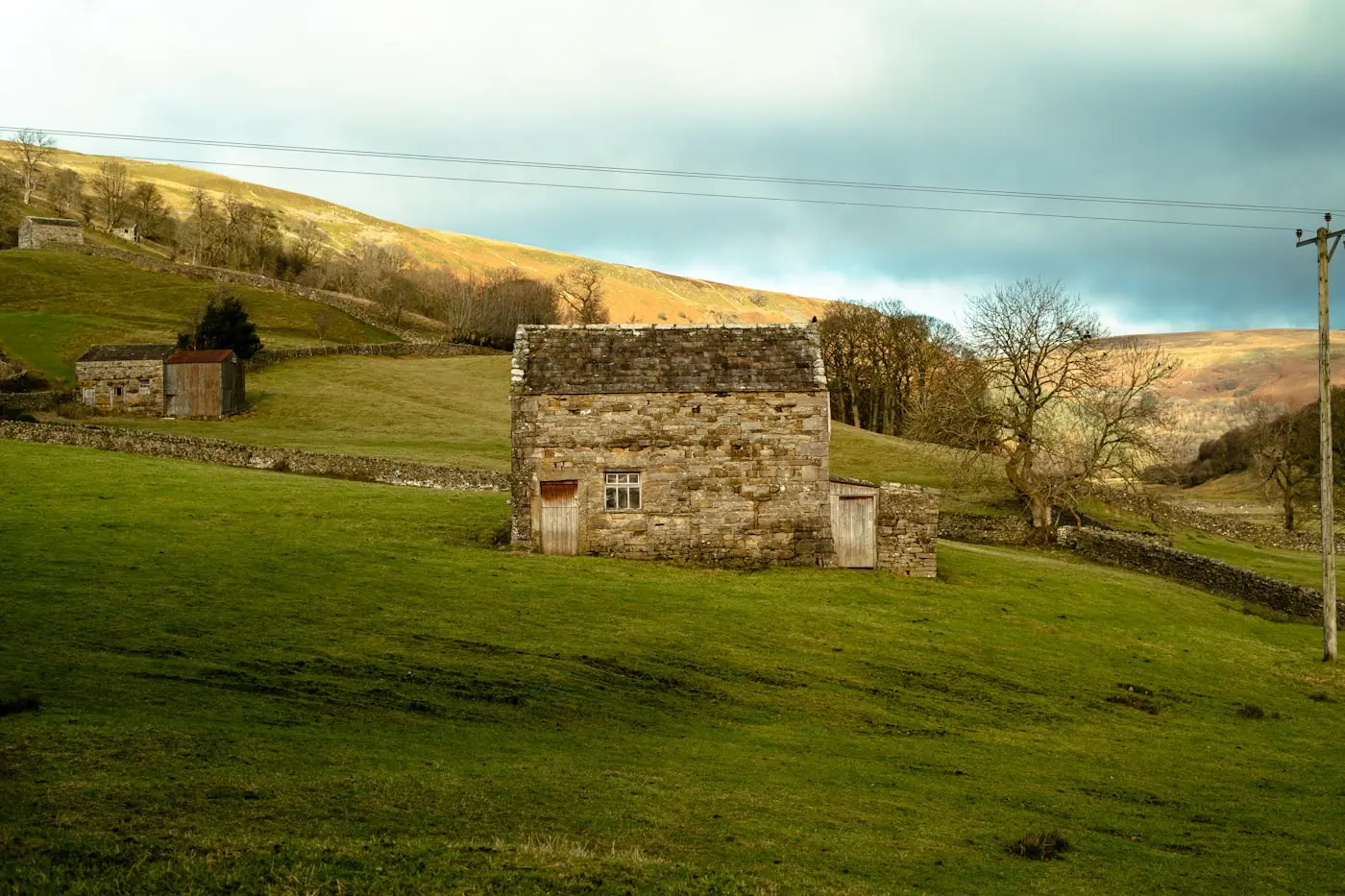
The Distinct Garden Zones of South Yorkshire
The four main towns of South Yorkshire produce four different gardening environments. Each has its own soil character, terrain and housing stock that shape what kind of garden work is needed and what makes a local gardener genuinely useful rather than just available.
Sheffield: hills, trees and the south-west suburbs
Sheffield is one of the most distinctive cities in England for gardens. It has the highest proportion of urban tree canopy of any English city - roughly 25% tree cover - and that statistic has real, practical consequences for gardens across the city. Many Sheffield gardens exist in significant shade from adjacent street trees, garden trees and the remnant woodland that runs through the Porter Valley, Rivelin, Loxley and the other wooded valleys that cut into the city from the west. Tree root competition is a constant factor in border soil, limiting what will establish and drawing moisture away from ornamental plants.
The terrain is the other defining characteristic. Sheffield's hills are steep in a way that most English cities simply are not. Gardens in the south-west postcodes - S10 (Crookes, Broomhill), S11 (Ecclesall, Sharrow), S17 (Dore, Totley, Bradway) - are often terraced, with retaining walls, split levels and angles that require completely different maintenance techniques from a flat lawn. Mowing a terraced garden takes longer per square metre, requires lighter or more manoeuvrable equipment, and is more physically demanding than flat-ground work. Clearance on a steeply sloped Sheffield plot is genuinely hard work, and any quote that does not reflect the terrain is either inaccurate or being compensated for somewhere else.
The south-west Sheffield suburbs (S10, S11, S17) are the part of the city with the strongest ongoing investment in gardens. The housing stock here is predominantly Victorian and Edwardian at the higher end: large semi-detached and detached properties with mature planting, substantial hedges, and the kind of established garden that benefits from ongoing care rather than just annual tidying. Ecclesall, Fulwood and Dore have a particularly active gardening culture. Garden design work - patio redesigns, border overhauls, structural planting, lawn renovation - is more present here than in almost any other part of South Yorkshire. The contrast with the inner S postcodes near the universities, where clearance and end-of-tenancy resets are the dominant booking type, is sharp.
Sheffield's geology adds another layer of complexity. The western hills are Millstone Grit - a hard, acidic sandstone that produces thin, freely draining, acidic soil. Ericaceous plants like rhododendrons thrive on this; lime-loving plants struggle. As you move east toward the Don valley and the lower city, the geology transitions into the Coal Measures, producing heavier soils with clay content that changes the drainage picture significantly. A gardener who works across Sheffield regularly understands this gradient; one who does not may quote without accounting for it.
Rotherham: lower Don valley and industrial recovery
Rotherham sits in the lower Don valley, downstream from Sheffield, and its garden character reflects both its industrial heritage and the geography of the river corridor. The town centre and the areas immediately surrounding it sit on low-lying land that has historically been subject to Don flooding. Gardens close to the river in Rotherham can suffer from high water tables and occasional flood inundation, which affects what will establish in borders and how lawns perform in wet winters.
Rotherham's housing stock is mixed: older terraced properties in the town centre and close suburbs, with more modern housing in the surrounding areas and ex-mining villages. The soils in much of the Rotherham area sit on Coal Measures - heavy, clay-bearing substrates similar to those in Barnsley and the West Yorkshire coalfield. This soil does not drain freely, compacts under foot traffic, and benefits from regular aeration on lawns and organic matter incorporation in borders. Gardens in the Rotherham area are generally improving in terms of investment and care as the town's post-industrial recovery continues. Regular maintenance is the dominant garden service here, with clearance work still significant in the older property stock.
The suburbs of Maltby and Mexborough to the east and south-east of Rotherham have their own character. Maltby is a former colliery village that retains the housing pattern of the coalfield: rows of ex-NCB properties with modest rear gardens, alongside newer private housing on the edges of the village. Mexborough sits further south in the Don valley, with the river very close and the associated drainage challenges that brings. Both areas are well-covered for local garden maintenance.
Barnsley: Coal Measures clay and the coalfield landscape
Barnsley sits firmly on the Coal Measures of the South Yorkshire coalfield, and the clay that produces is the defining gardening challenge across most of the Barnsley area. This is the same heavy, compaction-prone soil that characterises much of the West Yorkshire coalfield - the same material that makes gardening in parts of Wakefield, Castleford and the former pit villages of the WF postcode area more demanding than on lighter soils. It does not drain freely. In winter it sits wet; in summer it dries and cracks. It is slow to work in spring and can have a very narrow window of being workable at all. Lawns on coalfield clay in Barnsley can hold surface water for days after heavy rain.
The geography of the Barnsley area produces a spectrum from the better-quality housing in areas like Dodworth, Worsbrough and the southern suburbs out toward Penistone, where gardens are larger and there is more investment in ongoing maintenance, to the former colliery villages closer to the old pit heads where the garden stock is smaller and less intensively maintained. Penistone itself is at the western edge of the borough, up on the Pennine edge - very different terrain from the lower coalfield, with moorland character and the soil and exposure profile that goes with it. Gardens in Penistone are smaller, more exposed, and need wind-tolerant planting.
The Barnsley garden services guide covers the specific conditions around the town in more detail. For anyone gardening on the Barnsley clay, the clay soil guide for Yorkshire is directly relevant and worth reading before you plan any significant border renovation or lawn restoration work.
Doncaster: flat vale, agricultural soils and the Don plain
Doncaster is the flattest major town in South Yorkshire, sitting on the floor of the Don valley at the point where the river swings east toward the Humber. The soils in the Doncaster area are measurably different from those in Sheffield, Rotherham and Barnsley. The Carrs - the low-lying flood plain of the Don, Torne and Idle rivers to the east and south of Doncaster - have rich, deep agricultural soils that are very different from coalfield clay. Gardening in the flatter parts of Doncaster is more straightforward than in the hillier or heavier-soil areas to the west: the ground is workable, drains reasonably, and produces decent lawns without the aeration demands of clay-heavy plots.
The caveat is the low-lying character of much of the Doncaster area. Gardens very close to the river corridors can still experience high water tables and occasional flood risk - the Don has historically flooded parts of the Doncaster urban area in significant rainfall events. But for most Doncaster gardens away from the immediate river margins, the gardening conditions are some of the most straightforward in South Yorkshire. Lawn work is the dominant maintenance job here, reflecting the generally flat and accessible terrain. The housing stock ranges from the Victorian town centre terraces to substantial modern suburban estates on the outskirts, with the larger gardens of the commuter belt around Tickhill, Bawtry and the surrounding villages.
Sheffield's Unique Garden Character
Sheffield deserves a longer look because it is unlike any other South Yorkshire town and arguably unlike most cities in England when it comes to gardens. The combination of steep terrain, extraordinary tree cover, and a substantial middle-class housing stock in the south-west suburbs creates a garden environment that is both challenging and rewarding. Many of the gardens in S10, S11 and S17 have been in continuous cultivation for 100 years or more. They have mature planting that requires knowledge to maintain properly: old fruit trees that need careful formative pruning rather than just cutting back; established yew or beech hedges that have grown to significant heights over decades; borders with bulb layers that only make sense if you know what is coming up through the spring. This is not the kind of garden where any competent maintenance round will do. It is the kind where a gardener with genuine horticultural knowledge produces noticeably better results than one focused primarily on speed.
The wooded valleys that cut into Sheffield from the west - the Porter Valley, Rivelin, Loxley, Ecclesall Woods - mean that many gardens sit adjacent to or within sight of semi-natural woodland. This affects light levels throughout the day and season, and it means that garden plants need to work harder to compete with the root and canopy pressure from surrounding trees. Understanding what will actually perform under these conditions, rather than what looks good in a nursery, is the most useful knowledge a Sheffield gardener can have.
The student and rental belt around the inner S postcodes - S1, S2, S3, the areas close to Sheffield Hallam and the University of Sheffield - generates a very different pattern of garden work: clearance, resets between tenancies, occasional landscape-level overhauls on houses that have been student accommodation for years. This is a known seasonal spike in late summer as houses turn over. The garden clearance service is the most relevant starting point for any property in this situation.
What Garden Work Gets Booked in South Yorkshire
The pattern of garden work across South Yorkshire reflects the terrain, the soils, and the housing stock of each area. It is not uniform, and knowing where your garden fits helps you understand what is normal and what to expect when you get a quote.
Across all four towns, regular garden maintenance - fortnightly lawn cutting and border care - is the largest single booking category through the growing season. This is not surprising: it is the most common garden service everywhere. What varies is the proportion of clearance-led work (higher in Barnsley, Rotherham and inner Sheffield), design-led work (concentrated in south-west Sheffield), and lawn-focused work (more prominent in flat Doncaster where lawns are larger and more manageable).
Garden clearances are a significant part of the South Yorkshire calendar in a way that is less true in, say, Harrogate or York. The former coalfield areas of Barnsley and Rotherham have a stock of gardens that have been less intensively maintained since the decline of mining communities, and many of these need genuine clearance work before maintenance becomes viable. A clearance on a Barnsley coalfield clay plot - thick bramble, self-seeded elder, accumulated debris on ground that compacts severely - is hard work and should be priced accordingly. Always get a fixed price after an in-person look for clearance jobs in this area.
Hedge trimming runs high across the coalfield belt. The older terraced housing in Barnsley, Rotherham and Mexborough has substantial front privet hedges in many streets - a legacy of planting patterns from the mid-twentieth century. These hedges need two cuts a year to stay tidy, and they are a consistent part of the local maintenance calendar.
In Sheffield's south-west suburbs, borders and planting work is proportionally stronger than elsewhere in the region. The demand for structural planting, border renovation and garden design is concentrated in S10, S11 and S17, where the quality of the existing garden stock and the level of homeowner investment creates ongoing work for gardeners with genuine design knowledge.
South Yorkshire postcode coverage
We cover: S1-S20 (Sheffield city and suburbs including Dore, Totley, Ecclesall, Fulwood, Crookes, Woodseats, Gleadless), S60-S66 (Rotherham, Wickersley, Maltby, Dinnington), S70-S75 (Barnsley, Dodworth, Worsbrough, Penistone), DN1-DN12 (Doncaster, Mexborough, Conisbrough, Sprotbrough). All postcodes covered.
Rates Across South Yorkshire
South Yorkshire sits at the affordable end of the Yorkshire price band, which is itself below the UK national average. For the full picture of how these compare nationally and across Yorkshire, the Yorkshire gardener cost guide has the detail. Below are 2026 working rates for South Yorkshire specifically.
| Service | South Yorkshire typical | Notes |
|---|---|---|
| Hourly rate | £25-£33/hr | S10/S11/S17 Sheffield toward higher end; Barnsley and Doncaster toward lower end |
| Day rate | £175-£300/day | Full working day; clearance priced on day rate |
| One-off lawn cut | £25-£58 | Terraced Sheffield gardens can reach the top end; flat Doncaster toward lower end |
| Fortnightly maintenance | £30-£75/visit | Contract rate through season; covers lawn and border work |
| Hedge trimming (per hedge) | £40-£115 | Standard privet at low end; long runs and difficult access higher |
| Garden clearance | £190-£450 | Medium neglected plot; Barnsley clay and steep Sheffield plots push toward upper end |
The terrain premium in Sheffield is real. A gardener who factors in the extra time and physical effort of working a steeply terraced garden in Fulwood will quote more per square metre than for a flat lawn in Doncaster - and that premium reflects the work, not inflated pricing. If a quote for a steep Sheffield garden seems low compared to what others have charged, it is worth asking exactly what is included and whether the terrain has been accounted for. For West Yorkshire comparisons, the West Yorkshire gardener guide has similar detail.
Finding Gardeners Across South Yorkshire
A good local gardener in South Yorkshire knows the terrain, the soils and the specific character of their area. In Sheffield, that means knowing which valleys are the shadiest, which S-postcode gardens are on Millstone Grit and which have transitioned to the Coal Measures clay, and how to approach a terraced plot without expensive equipment unsuited to the access. In Barnsley, it means knowing the coalfield clay and not underquoting for work that is harder than it looks. In Doncaster, it means knowing the flat vale soils and the flood-risk pockets near the river.
Before you book anyone in South Yorkshire, ask three things. Do they carry public liability insurance - £5 million is the standard minimum? Do they hold a Waste Carrier's Licence for any clearance work that involves removing green waste from your property? And have they worked regularly in your specific area, not just in South Yorkshire generally? The third question is worth asking directly: a Sheffield gardener who mainly works S17 may not be the best match for S1 inner city work, and vice versa. Local knowledge is genuinely useful here.
The Yorkshire gardeners guide covers how to assess any gardener and what to look for in a quote for the county more broadly.
Request a gardener for your South Yorkshire garden.
60-second assessment. Local gardeners working your postcode. Free estimate, no obligation.
Start the estimateFrequently Asked Questions
How does Sheffield's hilly terrain affect garden maintenance?
Sheffield's hills are the defining garden feature of the city. Many properties in S10, S11 and S17 have terraced gardens with retaining walls, split levels and difficult angles that simply do not exist in flatter South Yorkshire towns. Mowing a terraced Sheffield garden takes longer and needs different equipment than a flat lawn of the same area in Doncaster. Sheffield also has the highest proportion of urban tree canopy of any English city, which means many gardens deal with significant shade and root competition from adjacent trees. A gardener who works south-west Sheffield regularly accounts for these factors automatically. One who usually works flat ground may quote without fully pricing them in.
Are gardening rates in South Yorkshire cheaper than other regions?
Yes, South Yorkshire is at the affordable end of the Yorkshire range. Expect to pay £25-£33 per hour for general maintenance across most of the region. Sheffield's south-west suburbs can reach £28-£35/hr for gardens with access or terrain challenges. Barnsley and Rotherham are broadly in line with the South Yorkshire average; Doncaster tends to be at the lower end. This compares to a UK national average of £25-£50/hr and rates of £28-£42 in Harrogate or York. South Yorkshire offers good value for a competent local gardener who knows your specific area.
What are the soil types across South Yorkshire?
South Yorkshire has significant soil variation. Sheffield's west sits on Millstone Grit - thin, freely draining, acidic soil that suits rhododendrons but not lime-lovers. Sheffield's east, Rotherham and Barnsley sit on Coal Measures - heavy clay-bearing soil common to the whole coalfield belt stretching across South and West Yorkshire. This clay drains slowly, compacts easily and is the defining garden challenge in the Barnsley area. Doncaster and the eastern Don valley have younger, flatter soils in the Carrs flood plain - richer agricultural soils than the coalfield, though still with drainage considerations close to the river corridors.
Is there much demand for garden clearances in South Yorkshire?
Yes, garden clearances are a significant part of the South Yorkshire calendar, particularly in former mining towns around Barnsley, Rotherham and parts of Doncaster. Many gardens in ex-colliery villages have accumulated years of growth and need genuine clearance work before maintenance becomes viable. Sheffield's student belt near the two universities generates a seasonal spike in clearance work in late summer as rental properties turn over between tenancies. If you are a landlord in South Yorkshire, booking clearance work in early spring rather than peak summer saves both money and time.
How do I find a good gardener in Sheffield, Rotherham, Barnsley or Doncaster?
Use the Yorkshire Lawn and Garden enquiry form. Tell us your postcode, the work you need and your preferred timing. We put your enquiry in front of a local gardener already working your area and a gardener who takes it on calls you with a real price. For Sheffield, particularly the hillside suburbs in S10, S11 and S17, specifying whether your garden is terraced or flat when you fill in the form makes a meaningful difference to the quote you will receive. For Barnsley, Rotherham and Doncaster, coverage is strong across the main postcodes. The broader Yorkshire gardeners guide has more on what to ask before you book.
Related reading
- Gardeners in Sheffield
- Gardeners in Rotherham
- Gardeners in Barnsley
- Gardeners in Doncaster
- Gardeners in Maltby
- Gardeners in Mexborough
- Gardeners in Penistone
- Garden services in Barnsley
- Gardeners near me in Yorkshire
- Gardener costs in Yorkshire: 2026 prices
- Gardeners in West Yorkshire
- Gardening on clay soil in Yorkshire
- Garden maintenance across Yorkshire
- Garden clearance across Yorkshire
- Borders and planting across Yorkshire
Gardeners across South Yorkshire
We cover the full South Yorkshire area and the surrounding towns and villages. If your specific town is not listed, use the estimate form with your postcode.